


Saving Sierra Leone’s chimpanzees


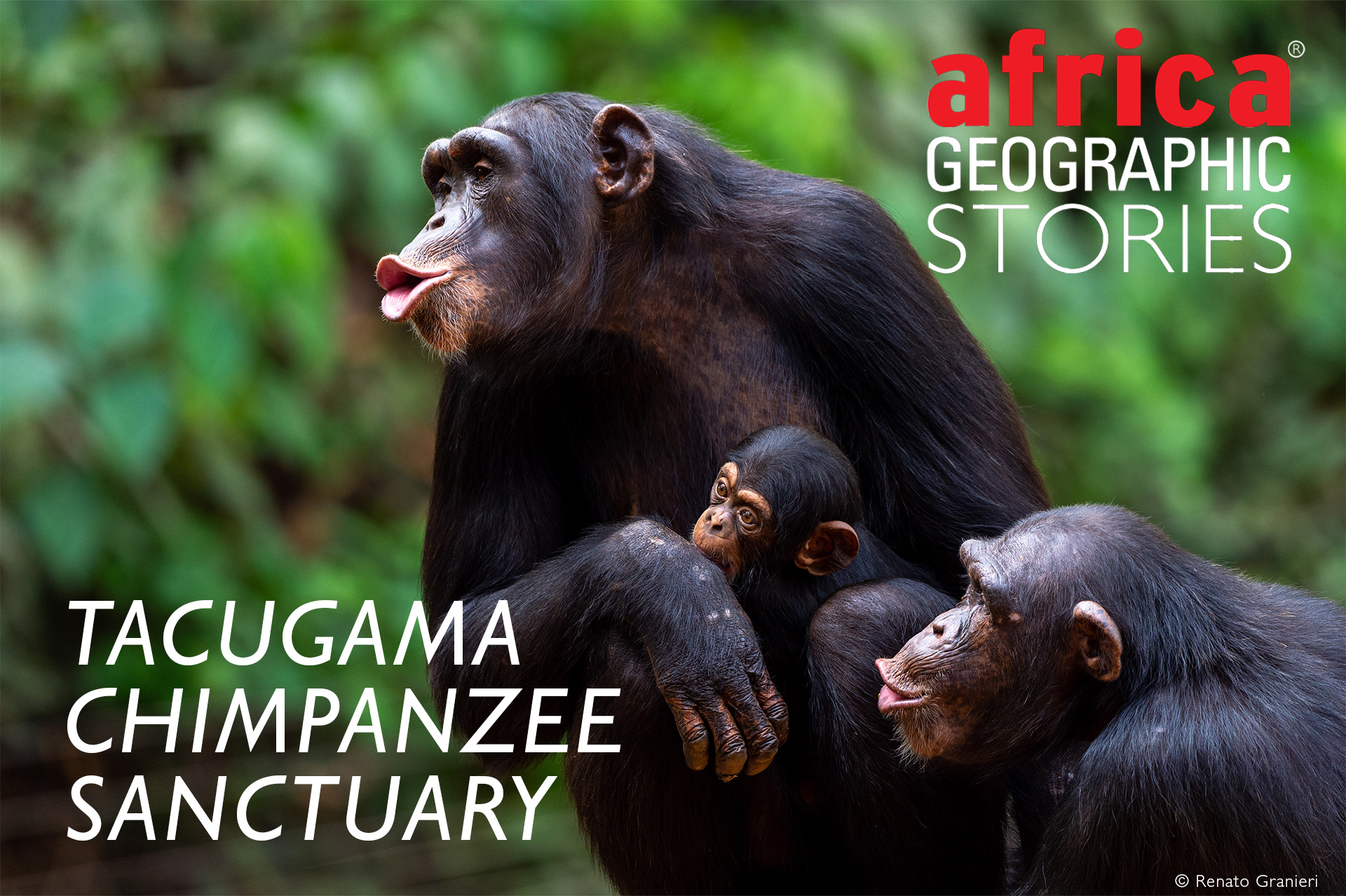
High in the misty hills above Freetown, the Tacugama Chimpanzee Sanctuary has become a beacon of hope for Sierra Leone’s most iconic species. Here, 123 rescued western chimpanzees live in safety, their stories a testament to both the brutality of human exploitation and the extraordinary power of compassion. Tacugama is more than a refuge – it is a symbol of resilience, a rallying point for conservation, and a glimpse into the future of chimpanzee tourism in Africa.
It was still early as I wound my way up the narrow, forest-lined road into the hills above Freetown, Sierra Leone’s capital city. The city’s bustle faded behind me, replaced by the hum of cicadas and the faint sound of water – perhaps a small stream or a distant waterfall. Then, just as the mist began to lift from the canopy, I heard it, a chorus of whoops and pant-hoots rising from the trees. I had arrived at Tacugama Chimpanzee Sanctuary, home to 123 rescued western chimpanzees.
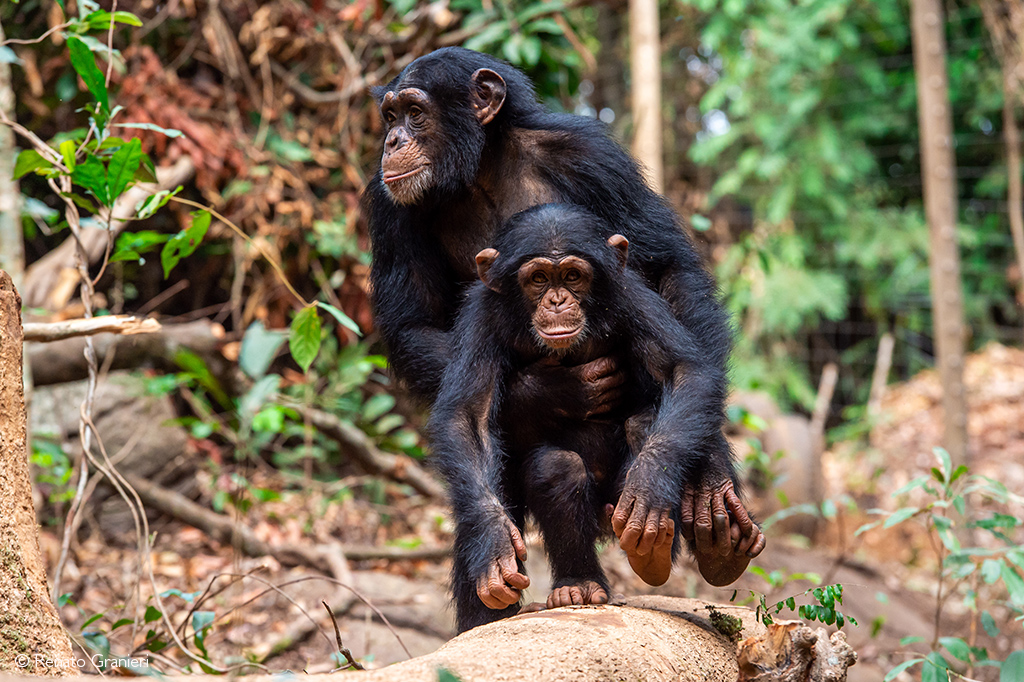
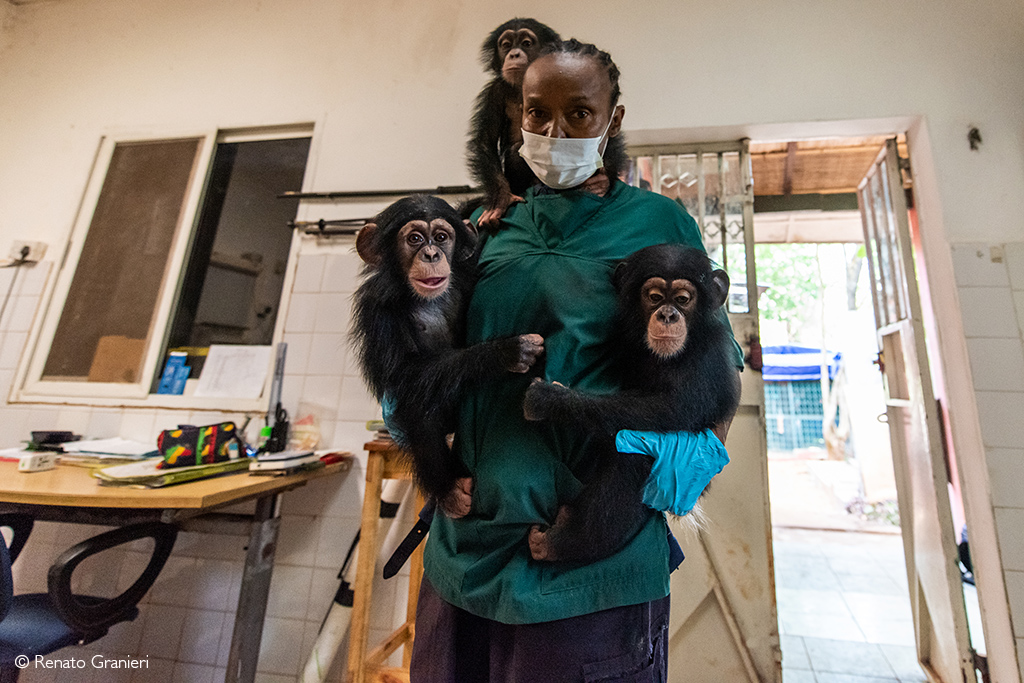
From the viewing platform near the nursery, I watched as young chimps swung between ropes, wrestled in the grass, and sprawled in the morning sun. It was a scene of energy and playfulness, but also of survival. Every chimp here carries a story of loss, and every one of these lives is a testament to the work being done, by some very committed individuals, in this small corner of Sierra Leone.
Chimpanzees – a species under threat
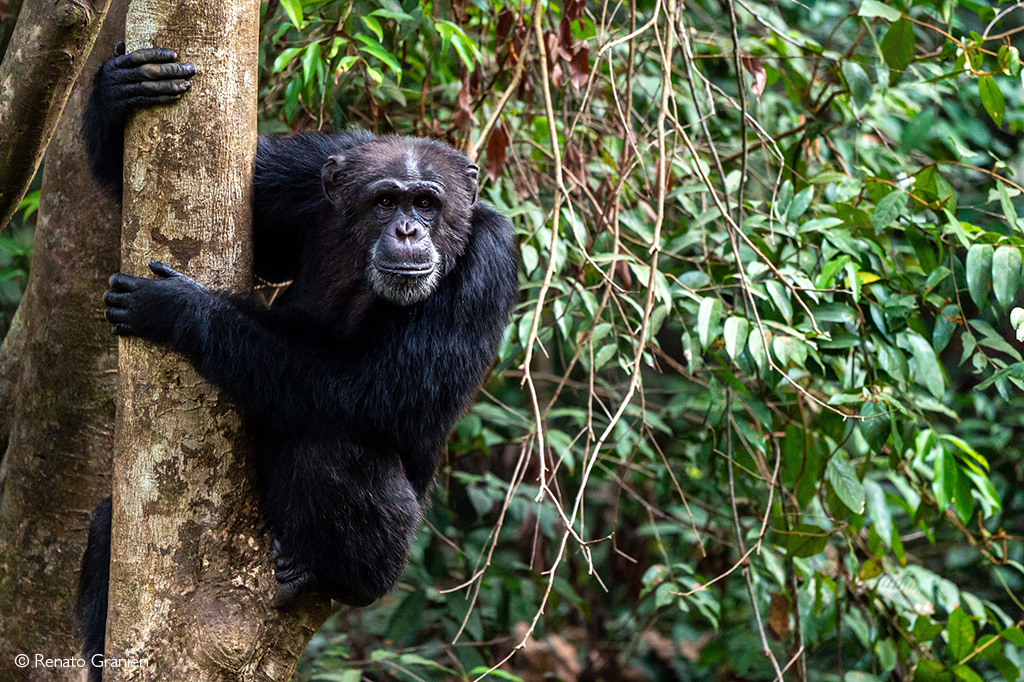
Sierra Leone’s forests are disappearing at an alarming rate. Since 2000, the country has lost an estimated 35% of its forest cover, and in some areas, more than 80% has gone. These forests are home to the critically endangered western chimpanzee, a subspecies found in only a handful of West African countries.
In the 1970s, there were an estimated 20,000 chimpanzees in Sierra Leone. By 2008, only 5,500 remained. Some had lost out to agriculture, logging, and the development of roads and infrastructure. Others had fallen victim to the bushmeat trade or been trafficked as illegal pets, usually in appalling conditions.
The beginning of Tacugama
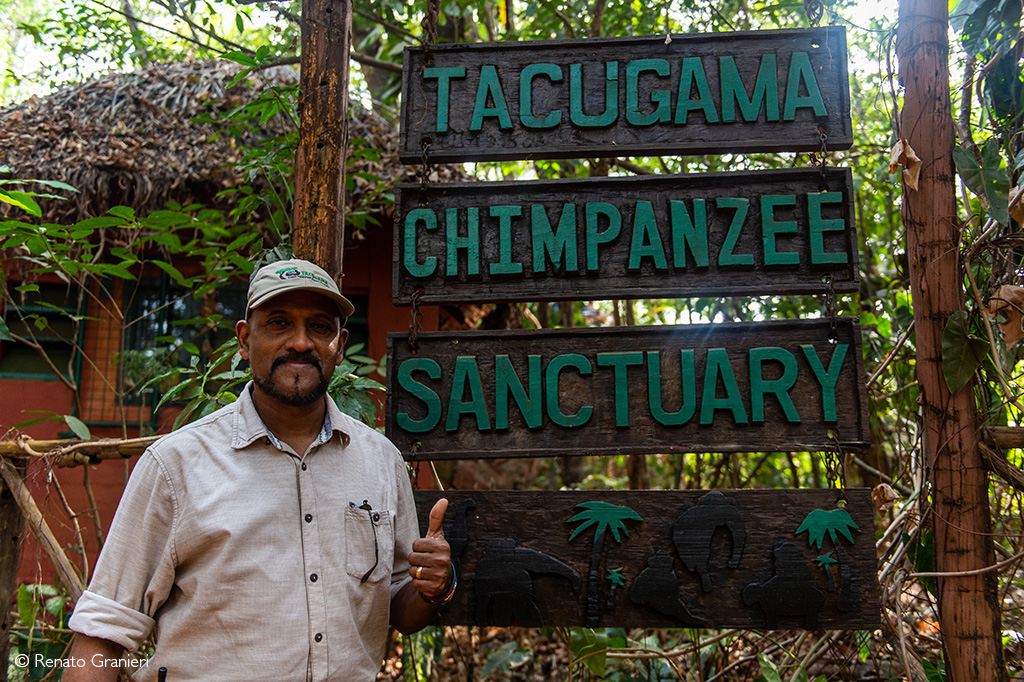
In 1988, Bala and Sharmila Amarasekaran were travelling through the Sierra Leonean countryside, 250km from Freetown, when they saw an emaciated young chimpanzee tied to a tree. “The first moment he looked at us and hugged us, we knew we couldn’t leave him there. We knew if we left this little guy behind, he would die,” Bala recalls. They paid $20 for him, took him home, and named him Bruno.
What they thought was a single rescue quickly becomes something more. One rescued chimp soon became seven, all of whom were housed in a makeshift shelter in their Freetown garden. In dire need of space, Bala and Sharmila begin lobbying for land to build a proper sanctuary. After six years of persistence, they were finally granted 40 hectares in Sierra Leone’s Western Area Peninsula National Park, a narrow chain of hills and pristine rainforest in the heart of the Freetown peninsula. In 1995, Tacugama Chimpanzee Sanctuary was born.
Building a chimpanzee refuge
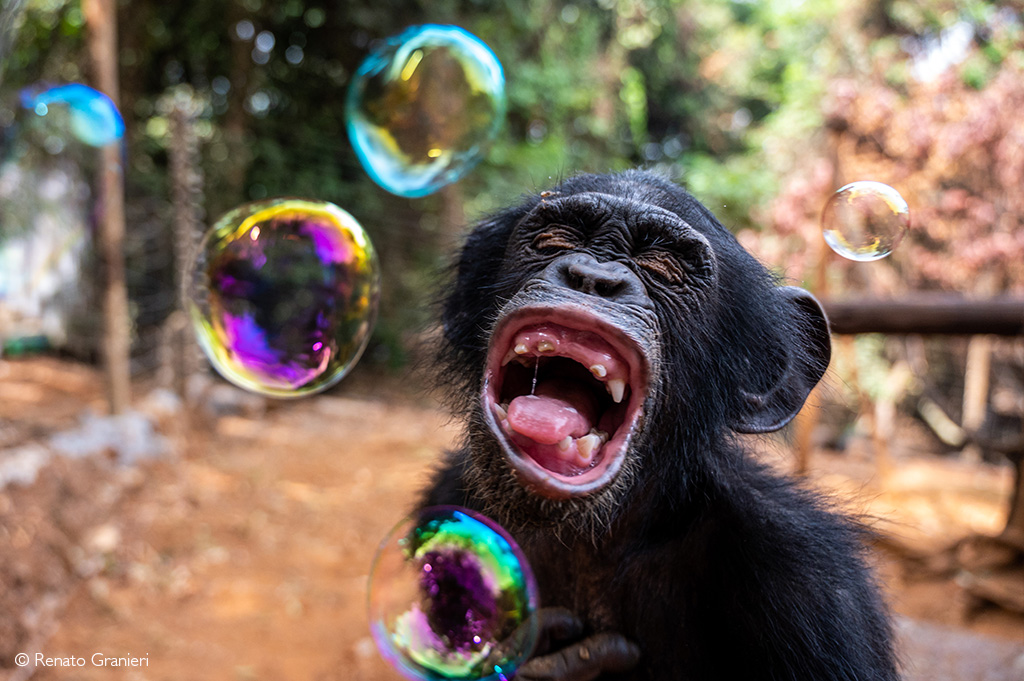
As news of Tacugama spread, more chimps began arriving, some surrendered voluntarily, others confiscated under Sierra Leone’s Wildlife Conservation Act. Many bore the scars of their past: missing hands from snares, deep lacerations from abuse, or a fearful mistrust of humans after being torn from their mothers. Tacugama became a haven for them all, providing them with a second chance at life.
Within two years, the sanctuary had 24 chimpanzees, all of whom had been rescued from desperate situations. Bala and his team continue working through the challenges of building facilities in the forest, all the while navigating the country’s political instability. Over the coming years, they would steer Tacugama through Sierra Leone’s 11-year civil war, military coups, the Ebola crisis, and the Covid-19 pandemic; never ceasing in their efforts to rescue and protect chimpanzees.
A national symbol
Renowned primatologist and zoologist Jane Goodall visited Tacugama in 2006, lending her global influence to raising the sanctuary’s profile and championing its conservation work. Her support helped inspire a movement that, after years of advocacy by Tacugama, finally led, in 2019, to the chimpanzee being officially declared Sierra Leone’s national animal and the new face of the country’s tourism.
It was a celebratory moment for Tacugama. “This was great for us,” says Aram Kazandjian, Tacugama’s development manager. “The government prioritised chimp protection. Being the national animal meant it was prohibited to kill, sell, eat, or keep them at home.” But as Bala tells me, this was not the end of the battle. It was the start of a new challenge: turning symbolic protection into lasting change. “It took us 25 years to get them declared the national animal,” he says. “But now it’s about taking pride in that and seeing how we can carry this legacy forward and protect the species”.
Beyond the sanctuary
While Tacugama provides lifelong care for over 123 chimpanzees, its mission extends far beyond the sanctuary’s fences. Through the Tacugama Community Outreach Program (TCOP), the organisation works in seven of Sierra Leone’s districts, promoting sustainable land use, discouraging hunting, encouraging coexistence between people and wildlife, and most importantly, fostering a national conversation about conservation – all initiatives designed to help protect wild chimpanzees, so that more don’t end up at the sanctuary.
Programmes involve practical measures, such as planting cash crops like cocoa, coffee, and cashews in buffer zones, to provide income for communities, while reducing pressure on forests. In addition, education programmes in local schools and villages aim to instil pride in protecting chimpanzees and their habitats.
But getting local communities to buy into chimpanzee protection takes patience. For people struggling to feed their families and send their children to school, conservation is often a luxury they can’t afford.
Precious, Little Prince, and the cost of survival
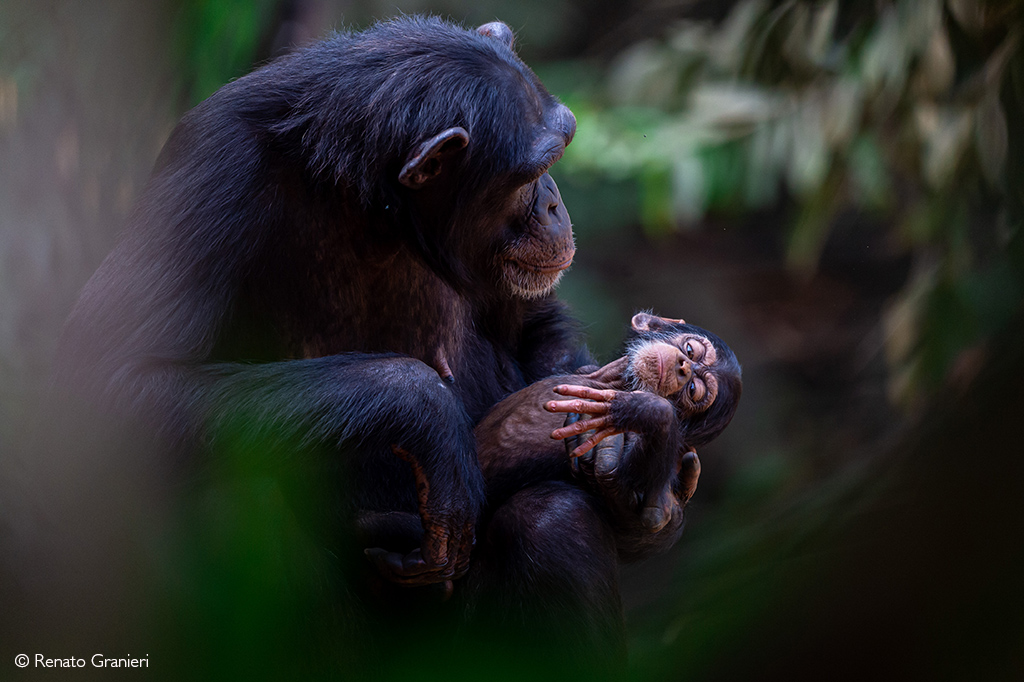
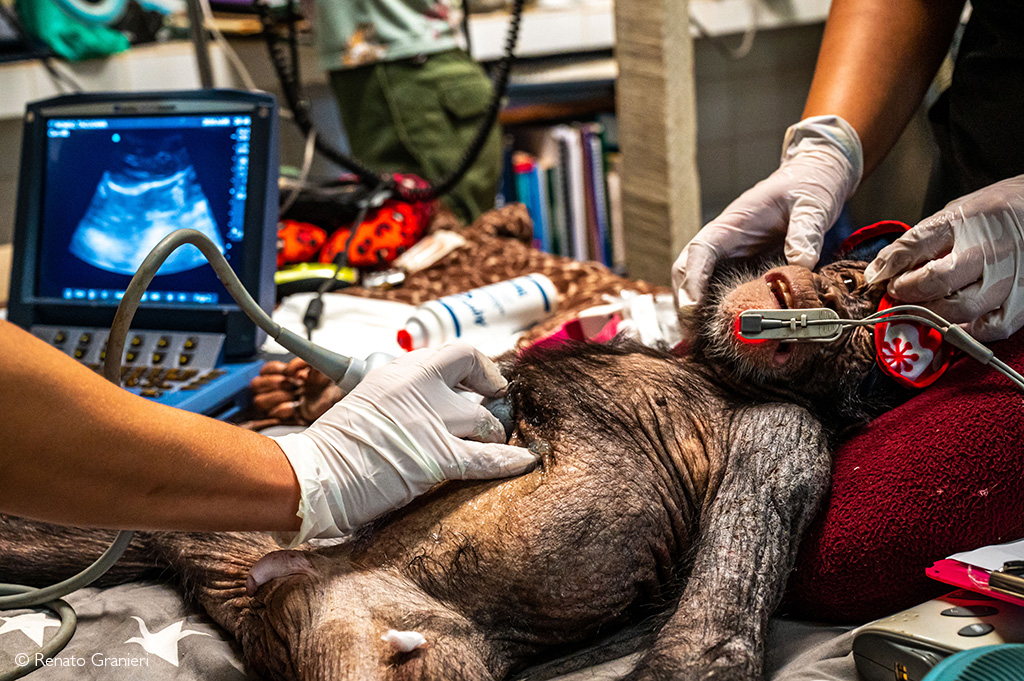
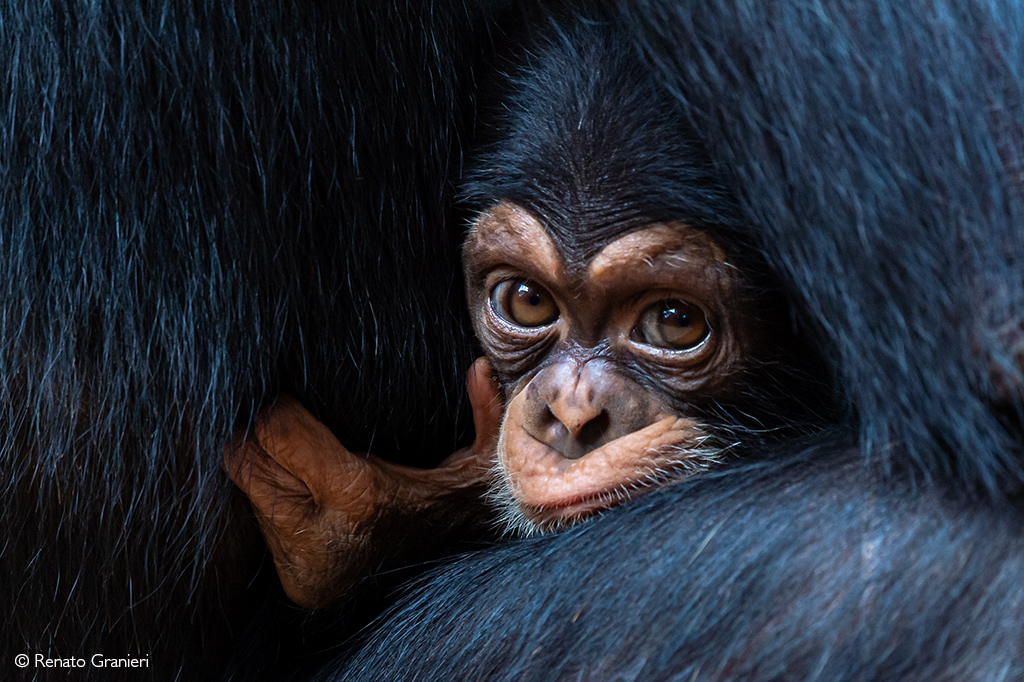
Despite these efforts, the need for rescues continues. In the nursery, Precious, a female estimated to be less than two years old, was found after poachers killed her family. She carries a pellet lodged in her chest, likely from a stray bullet aimed at her mother.
Another youngster, Little Prince, arrived after being kept by a Freetown social media influencer. Before that, he’d been found clinging to his dead mother’s body, which was caught in a hunter’s trap.
These two youngsters are fortunate to have found a home at Tacugama, but their lives will never be as free and wild as they should be. Since 1995, Tacugama has rescued and rehabilitated more than 200 western chimpanzees. These sad stories are a stark reminder of what Bala calls “the grim equation”: for every chimpanzee that reaches the sanctuary, eight to ten will have died in the wild – the 123 chimps currently at Tacugama may well represent the death of at least 1,000 others.
Present crisis: A sanctuary closed in protest
In May 2025, Tacugama made international headlines by closing its gates to tourists in protest at unchecked deforestation and land grabbing in the sanctuary’s buffer zone.
Tacugama occupies land that was once “community forest” – land that could be used freely by anyone under traditional laws. However, in 2012, the land on which the sanctuary is situated, along with a surrounding buffer zone, was designated a national park. This status prohibits private land development. Despite this, illegal construction and logging continued, eroding the sanctuary’s buffer zone and encroaching dangerously close to its boundaries. “Within the national park boundaries, you will find a range of both completed and incomplete structures – from permanent residences to commercial outlets and entertainment facilities like bars. Many of the buildings are still under construction, but a significant amount of land clearance has already taken place,” says Sidikie Bayoh, Tacugama’s communications officer.
Sierra Leone’s weak rule of law, combined with its population growth and the demands of a burgeoning metropolis, is gnawing at Tacugama’s edges. Attacks in the form of arson, illegal construction, vandalism and threats, all steadily intensified until there was no choice but to close the sanctuary, until law and order could be restored. As Bala puts it, “It’s really threatening the sanctuary’s existence… because it’s too dangerous when people come close to a wildlife preserve like this.”
Government response and future outlook
After months of petitioning, Bala has finally gained some traction, even meeting with the country’s president, Julius Maada Wonie Bio. “The president was furious when he saw the pictures I showed him,” Bala says, “But the real issue here is that there are already policies in place, the government already creates departments to address this. There are already people being paid with taxpayers’ money to prevent land encroachment… They should be ashamed. I shouldn’t have to go to the president for something like this,” he continues, shaking his head in despair.
While Sierra Leonean authorities have acknowledged the problem, there is frustration at the slow pace of enforcement. The government launched a crackdown, installing boundary markers, engaging local communities, and conducting raids on illegal logging operations. But follow-up was lacking, and the loggers and other trespassers returned.
Why Tacugama matters, NOW
Tacugama is more than a refuge; it’s a bellwether. As one of West Africa’s most established chimpanzee sanctuaries, it has become a symbol of Sierra Leone’s potential for wildlife protection, ecotourism, and national pride.
Sanctuaries like Tacugama are the frontline of triage, rescuing victims of the pet trade and snares, rehabilitating the rehabilitatable, and keeping the conservation crisis visible. Their education, policy advocacy and community programmes reduce the flow of orphaned chimps and safeguard the forests that wild populations depend on.
Many travellers come to Africa with dreams of trekking through forests to see chimpanzees in the wild. But those same forests are shrinking fast, and the chimpanzees that depend on them face mounting threats from poaching, trafficking, the pet trade, and habitat loss. This is why chimp conservation, and awareness of their plight, matters so deeply to anyone passionate about primates. Sanctuaries like Tacugama play a critical role in rescuing victims, educating the public, and fighting for stronger protection of both species and forest. The fact that Tacugama’s own buffer zone is under threat from encroachment, even within a protected national park, is a stark reminder of how urgent this fight has become
Tacugama’s closure is not an act of defiance, but a desperate appeal. Its fate rests with those willing to protect its forests and defend the ideals on which it was created. For now, the sanctuary remains quiet – home to chimps, but empty of visitors – still fighting for survival, and for the hope of opening its doors again.
 Interested in seeing chimpanzees in the wild? Join Africa Geographic on a chimpanzee-trekking safari – to empower communities and safeguard conservation in Africa. Or, ask us to build the perfect safari, tailored just for you.
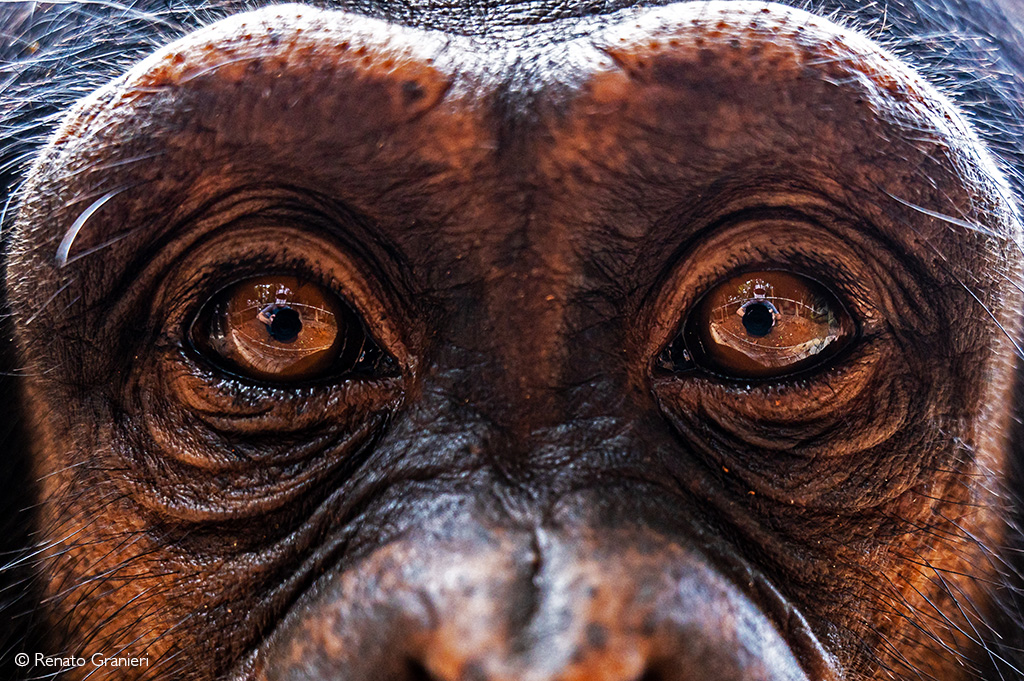
What can you do for chimpanzees?
For safari enthusiasts, supporting chimp conservation isn’t only about where you can trek for chimps today; it’s about ensuring there will still be chimps to meet tomorrow. You can make a tangible difference by backing organisations that defend habitat, curb trafficking and invest in community livelihoods—work that reduces the very pressures creating sanctuary orphans. When you do book chimp trekking elsewhere in Africa, choose operators that follow strict primate-welfare protocols (limited group sizes, minimum viewing distances, no contact or feeding, health screening/masking where required) and that direct fees into conservation and community benefit. Ethical choices upstream translate into fewer rescues downstream. Consider pairing any future trekking plans with a contribution to sanctuary and landscape protection funds. The most meaningful chimp encounter is the one your choices help make possible.
A story of hope
In a country often internationally associated with its hardships, Tacugama is a symbol of resilience for both people and wildlife. The image of Bruno, the first rescued chimpanzee, now appears on the national passport, a reminder of how far the sanctuary has come since that day in 1988.
And while the challenges remain immense, Tacugama has shown that determined, sustained action can make a difference. For nearly three decades, its small but dedicated team has been working to ensure that Sierra Leone’s chimpanzees have a future.
As Bala puts it: “We can’t save every chimpanzee, but we can change the story for this species in Sierra Leone. And that’s worth everything.”
Further reading
- How DRC’s endangered chimpanzees end up in a billionaire’s Indian zoo: Controversy erupts over wild chimpanzees trafficked from DRC to India’s Vantara Zoo using suspect CITES permits. NGOs demand global action. Read more here.
- Discover how new research reveals striking similarities between chimpanzee and human communication, deepening our understanding of primates. Read more about their human-like conversations here
- Discover the complex world of chimpanzees—their behaviour, threats, and survival – in this in-depth species study
To comment on this story: Login (or sign up) to our app here - it's a troll-free safe place 🙂.