

Speak with a safari expert

phone icon

Guest reviews

5 star icon
safari experts, since 1991
Book a call with a safari expert Book a call
Guest reviews Client reviews
×
SEARCH OUR STORIES
SEARCH OUR SAFARIS

A decade of wildlife photography for conservation

Thursday, 2 October 2025

African safari

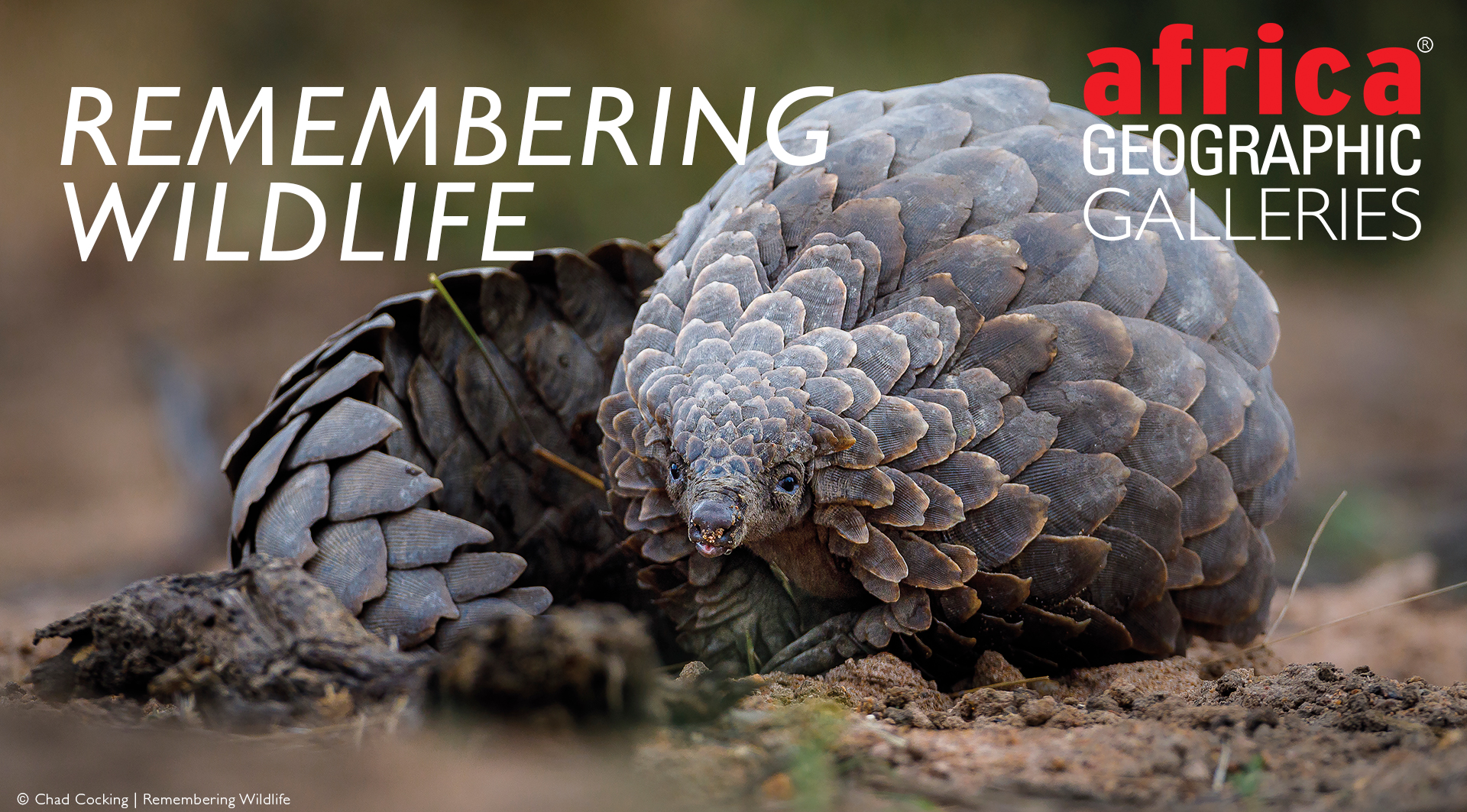
In the quiet predawn light of Timbavati, a Temminck’s pangolin slowly unfurls from its rolled-up armour. Across ecosystems, photographers have documented encounters like these: desert lions rediscovering ancient hunting skills on Namibia’s Skeleton Coast; a litter of 17 African wild dog pups emerging from the den for the first time in the Kruger. Each image tells a story of survival, resilience, and the unseen battles faced by wildlife.

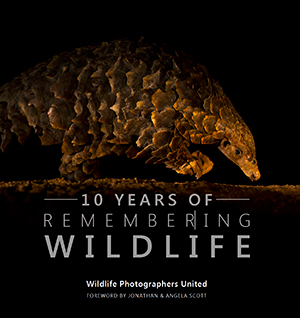
Marking a decade of conservation through the eyes of the world’s finest wildlife photographers, the latest edition in the Remembering Wildlife series, 10 Years of Remembering Wildlife, shines a light on species most in need of protection. From elephants to pangolins, this 10th volume celebrates not just extraordinary wildlife photography but a global commitment to safeguarding animals and their habitats.

The images are more than art – they are urgent messages from the natural world. Mountain gorillas in Bwindi display playful defiance against the odds. A photographer tracks an endangered pangolin as it forages in the undergrowth. Elephants traverse drought-stricken landscapes in Amboseli, searching for life-giving waters. Through these encounters, Remembering Wildlife reveals both the fragility and tenacity of life.

The series is the vision of photographer and conservation champion Margot Raggett, whose determination to speak for animals has united some of the world’s best photographers and conservationists. What began with a single book, Remembering Elephants in 2016, has grown into a series of ten, including Remembering Rhinos (2017), Great Apes (2018), Lions (2019), Cheetahs (2020), African Wild Dogs (2021), Bears (2022), Leopards (2023), and Tigers (2024). To date, the series has sold over 55,000 books, raising more than £1.26 million (US$1.58 million) for 80 conservation projects in 34 countries across the world.

This year’s edition is the largest yet, including 200 pages and featuring images from renowned names in wildlife photography such as James Gifford, Tristan Dicks (who captured the cover photo), and Jonathan & Angela Scott, who also contributed the foreword. The book is divided into two sections: a retrospective of iconic images from past volumes, and a new section showcasing the world’s most trafficked mammal, the pangolin. Among these are 20 images selected through a global competition, offering rare insight into a creature most people will never encounter. All profits from the book support pangolin conservation.

Pangolins have roamed the Earth for 80 million years, yet over the past decade, more than a million have been removed from the wild, primarily for scales used in traditional medicine and meat as a delicacy, mostly in Asia. They also face habitat loss and electrocution, as their instinct to curl into a ball can prove fatal against electric fences. Margot Raggett explains:

“Pangolins are fascinating and endearing creatures, closely related to mongooses and cats, each with its own character. The scale of the illegal trade is likely higher than we realise, but there are dedicated conservationists, researchers, vets, and volunteers working tirelessly to protect them. This book supports those efforts.”
Africa Geographic Travel

Collaboration lies at the heart of Remembering Wildlife. Many projects funded by the series are proposed by photographers themselves, and all work closely with local NGOs, researchers, and communities. Beyond protecting animals, these initiatives educate and empower people to safeguard wildlife for the next generation.


Want to see magnificent wildlife on an African safari? Search for your perfect safari here. Or let us build one just for you. We donate a portion of every safari sold to selected conservation efforts at ground level.


As the series reaches its 10-year milestone, its legacy is visible not just in books but on the ground: safer landscapes, empowered communities, and wildlife given a fighting chance. Margot reflects:

“The project has grown far beyond what I imagined when I started. The community it has created, the momentum for conservation – it’s humbling and a true privilege. This book reminds us of what could be lost if we don’t act and supports those on the frontlines protecting our planet’s wildlife.”

10 Years of Remembering Wildlife is a call to action, a testament to resilience, and a tribute to the species that cannot speak for themselves.

Below, enjoy a selection of photos from 10 Years of Remembering Wildlife:
wildlife photography
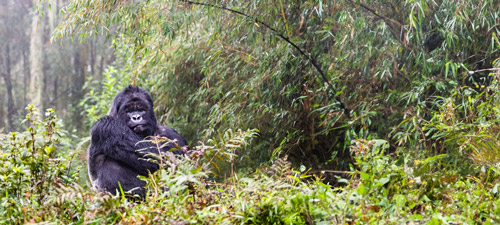
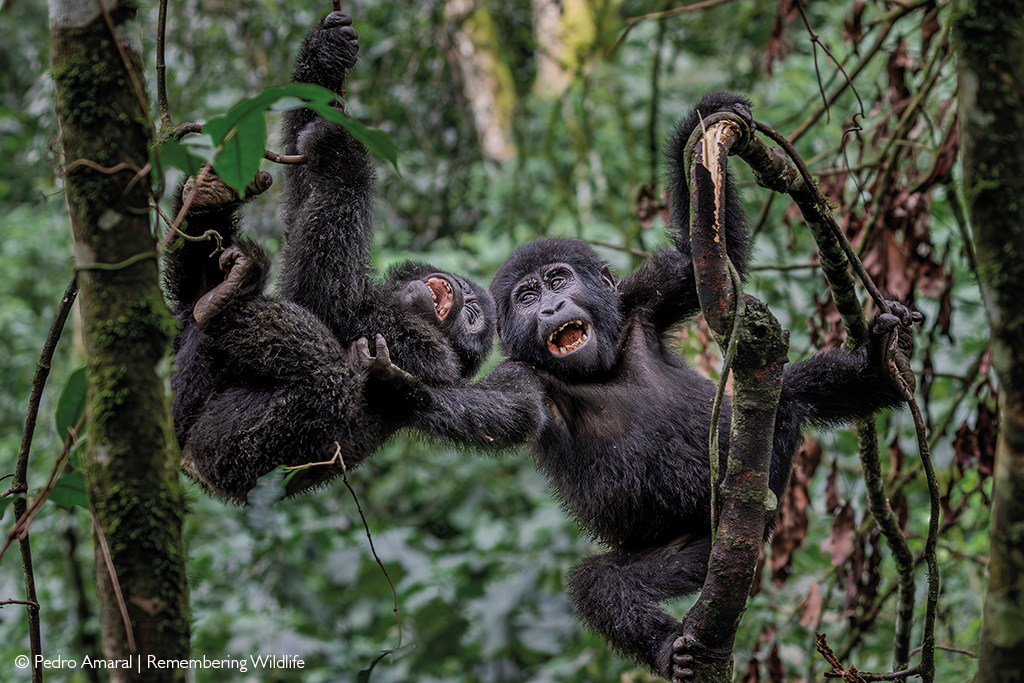
Photographer Pedro Amaral says: “This photo was taken on January 1, 2022, in Uganda’s Bwindi Impenetrable Forest – an unforgettable way to begin the year. A solo trip, long delayed by the pandemic, turned into a leap of faith: three days, three gorilla treks. That morning, rangers offered me the chance to visit a distant gorilla family alone, which meant a longer, more demanding hike. I didn’t hesitate. For a full hour, I observed the group in silence, captivated by the young gorillas and their playful energy. Their carefree behaviour reflects a larger conservation success: mountain gorillas are the only great ape whose numbers are increasing.” Bwindi Impenetrable National Park, Uganda
wildlife photography
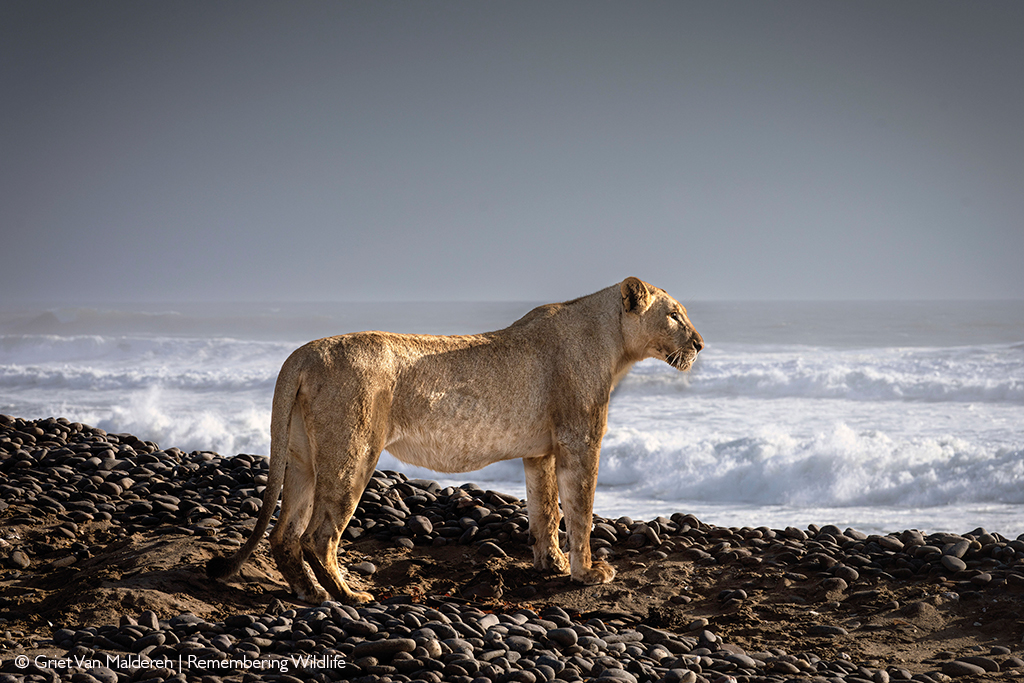
Photographer Griet Van Maderen says: “I was drawn to desert lions after meeting Philip Stander from the Desert Lion Conservation Project, who introduced me to their incredible story. These lions, uniquely adapted to survive Namibia’s harsh Skeleton Coast, are among the rarest in the world, with only about 70 left. Philip’s dedication inspired me to follow their journey, witnessing their resilience firsthand. Over the years, I observed their evolving hunting behaviour – how Alpha, the mother, rediscovered seal hunting and passed it to her daughter, Gamma. Capturing this rare moment on the beach was not just about photography but about documenting their survival and raising awareness.” Skeleton Coast, Namibia
wildlife photography
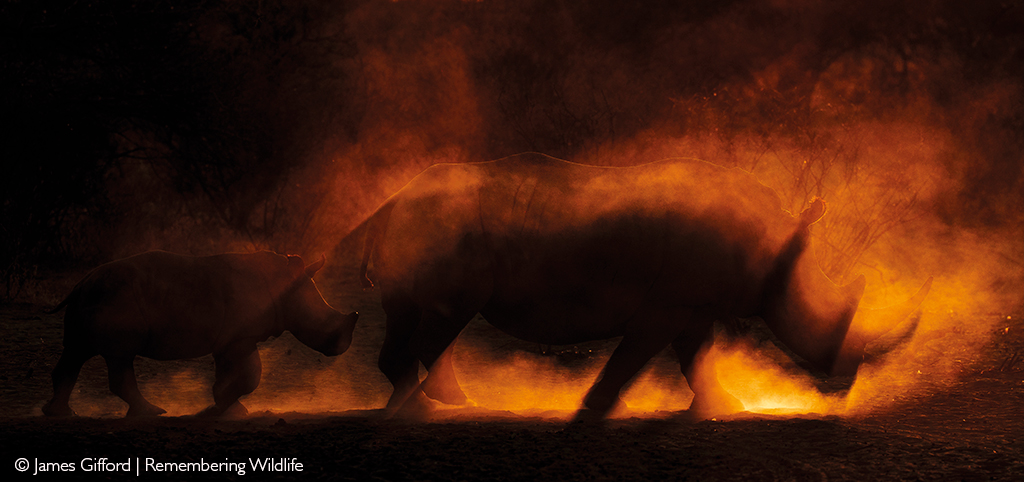
Photographer James Gifford says: “Instead of focusing on the negative aspects of rhino poaching, I wanted to convey a sense of hope – a new beginning almost – as if these were the first rhinos being forged in a fire of creation. Shooting into the sun, the effect of the backlit dust created a blurred shadow image, adding to the ethereal atmosphere. Botswana’s multi-decade rhino relocation project had been one of the continent’s success stories until the Covid outbreak, when the lack of tourists and watchful eyes precipitated a sharp spike in poaching incidents, which drastically reduced overall population numbers.” Central Kalahari Game Reserve, Botswana
wildlife photography
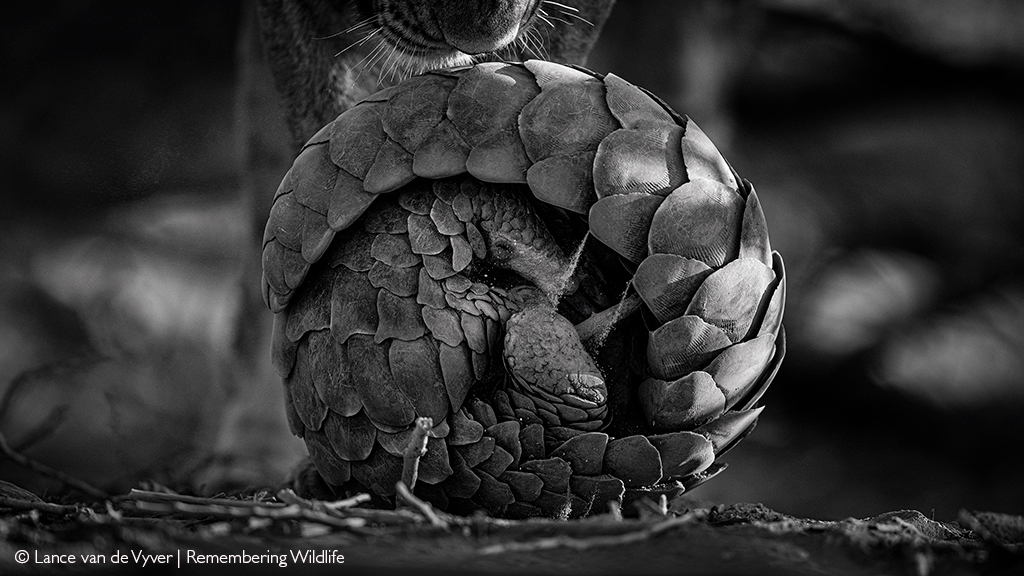
Photographer Lance van de Vyver says: “In this rare and powerful scene, a pride of lions stumbled upon a wild pangolin – an armoured survivor of Africa’s nocturnal world. Mistaking it for a plaything, the lions spent 14 relentless hours toying with the rolled-up creature, unable to penetrate its tough scales. Although the pangolin was unharmed by the lions’ teeth or claws, a testament to its incredible natural defences, sadly it did eventually succumb to heat and stress.” Tswalu Kalahari Reserve, South Africa
Africa Geographic Travel
wildlife photography
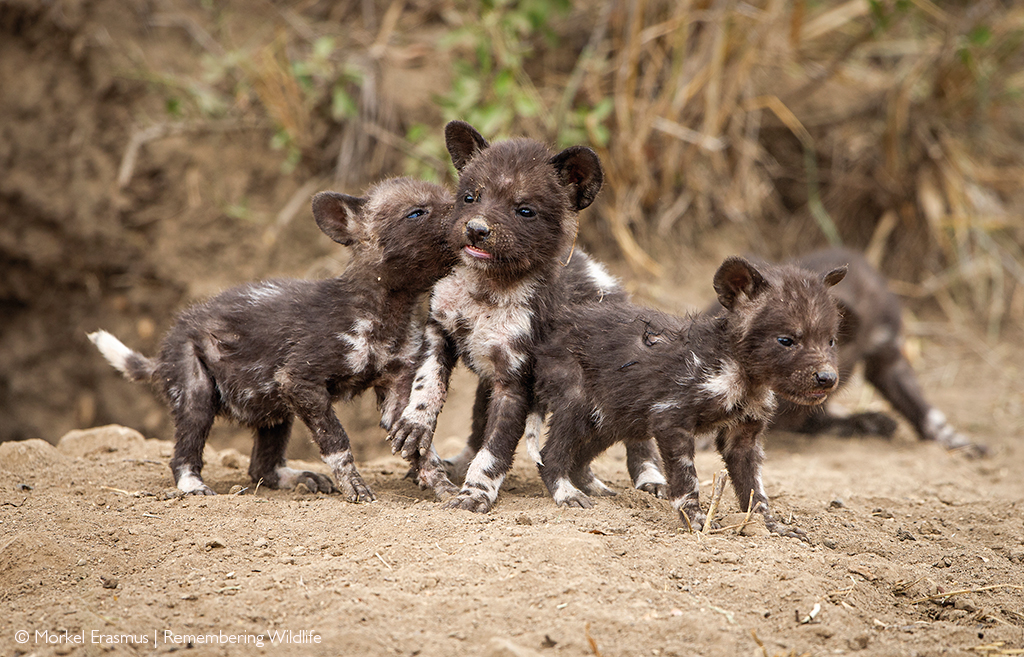
Photographer Morkel Erasmus says: “We were fortunate to be the first people to see a litter of 17 painted dog pups emerge from their den for the very first time to meet the rest of the pack… it is a morning I will never forget.” Greater Kruger, South Africa
African safari
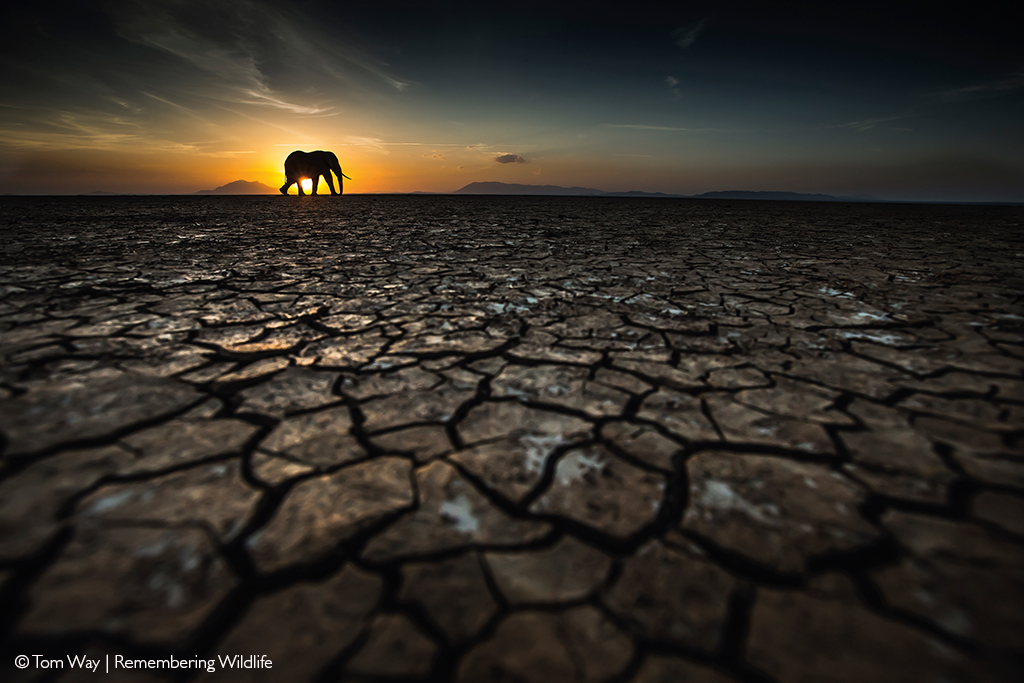
Photographer Tom Way says: “In extreme years of drought, elephants travel from afar to seek refuge under the towering Mt Kilimanjaro, whose snowmelt gives life to the lush swamps within Amboseli National Park. Elephants travelling into the park from the northwest have to cross Lake Amboseli, which is bone dry unless there are extended rains.” Amboseli National Park, Kenya
wildlife photography
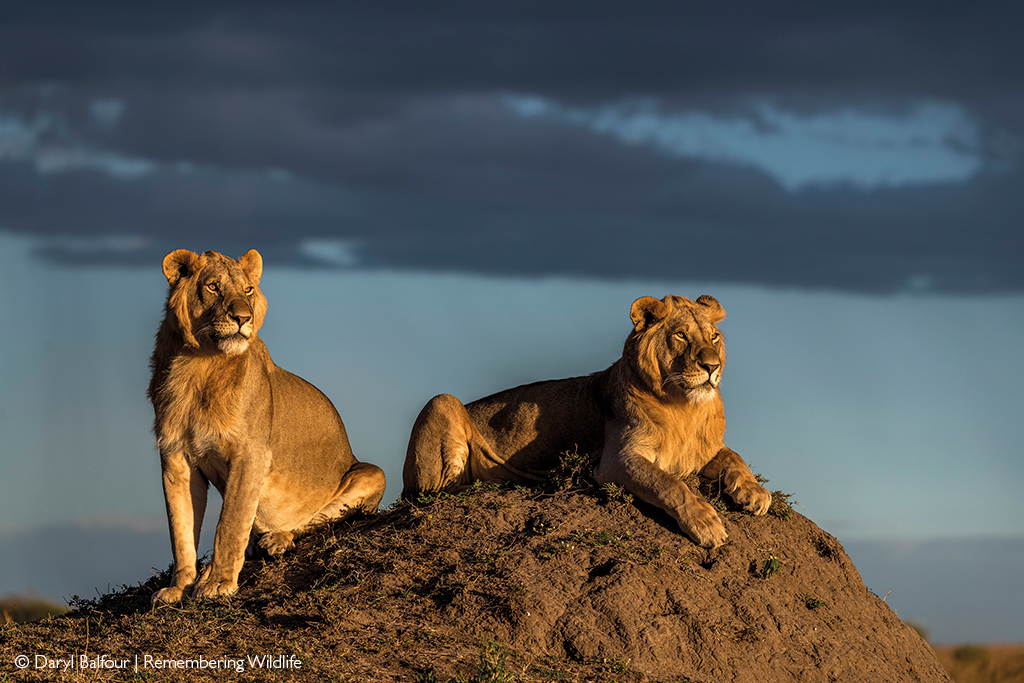
Photographer Daryl Balfour says: “These were two of three young male lions, brothers, whom we followed frequently in the Maasai Mara a number of years ago. This evening, after tracking them across the Purrungat Plains on a dark, gloomy afternoon, two of them posed perfectly atop a termite mound as the sun popped out for a brief few moments of glorious golden light at the end of the day.” Maasai Mara National Reserve, Kenya
wildlife photography
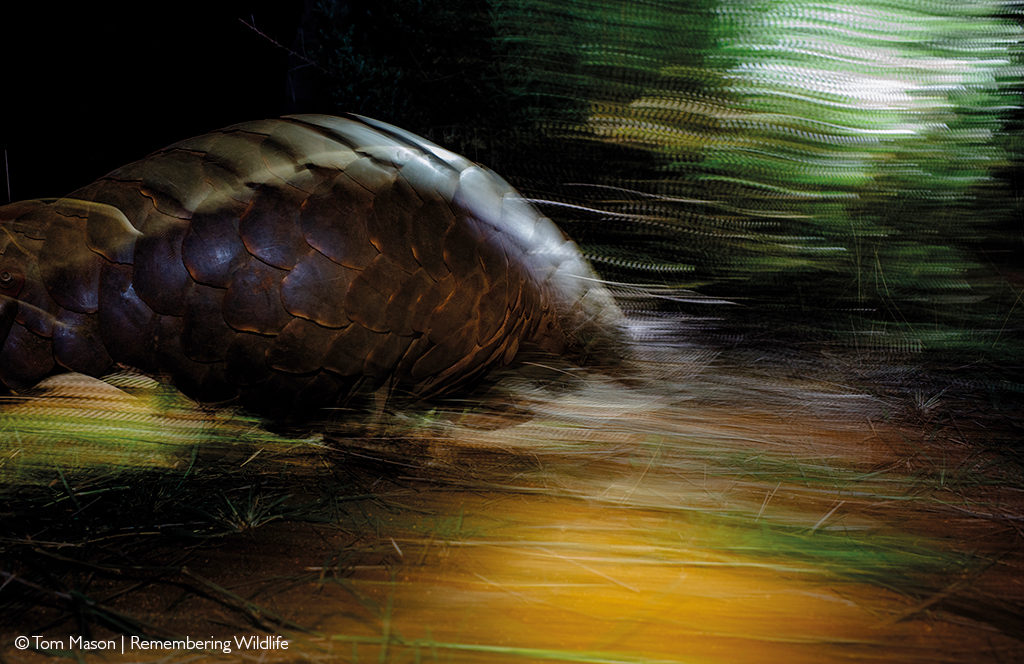
Photographer Tom Mason says: “I created this image of a Temminck’s ground pangolin whilst working in Namibia with the Africat Foundation, at their reserve in Okonjima. The reserve provides a safe haven for pangolins, with the foundation monitoring and tracking individuals to understand more about their movements and behaviour. Working closely with the researchers, I joined them on multiple nights to walk with the pangolins as they foraged on the reserve through the early hours. It’s with great thanks to the team at Africat who made this possible. To create this image, I worked with a slow shutter speed and a very small amount of rear-sync flash, to show the movement of this wonderful species as it moved through the undergrowth, following alongside with the research team to get myself positioned ahead of the pangolins’ movements.” Okonjima Nature Reserve, Namibia
Africa Geographic Travel
wildlife photography
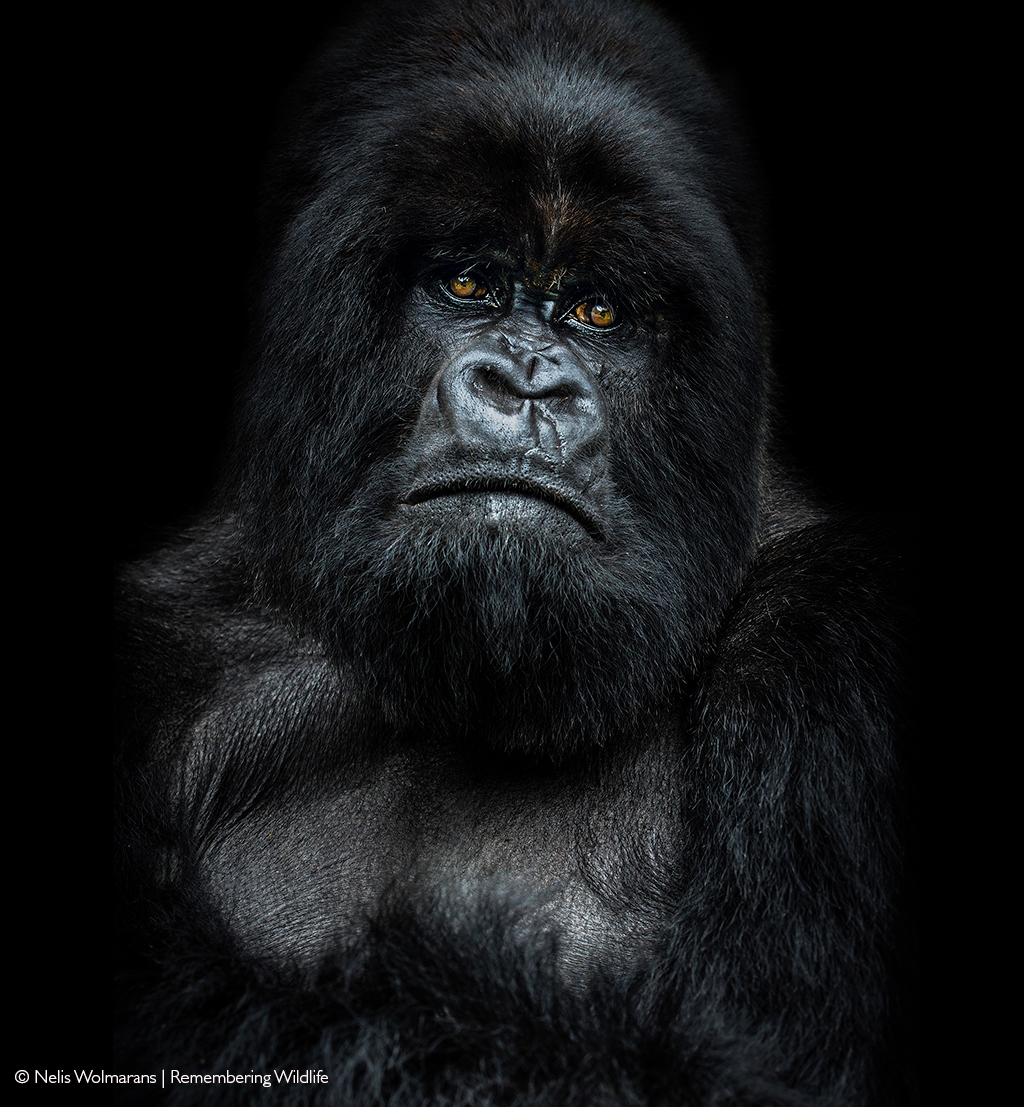
Photographer Nelis Wolmarans says: “The image is of the late mountain gorilla silverback named Munyinya. He was the dominant silverback of the Hirwa family, and the image was taken in Rwanda’s Volcanoes National Park. Munyinya originated from the Susa family. After several skirmishes with the dominant silverback of the Susa family, Kurira, he left to start his own family in 2006. Munyinya died in February 2020 from a respiratory illness, although he had also suffered a lightning strike in February 2020 that killed other members of his group. Munyinya’s death was followed by his group’s leader, Uburanga, taking over the leadership of the Hirwa family.” Volcanoes National Park, Rwanda
wildlife photography
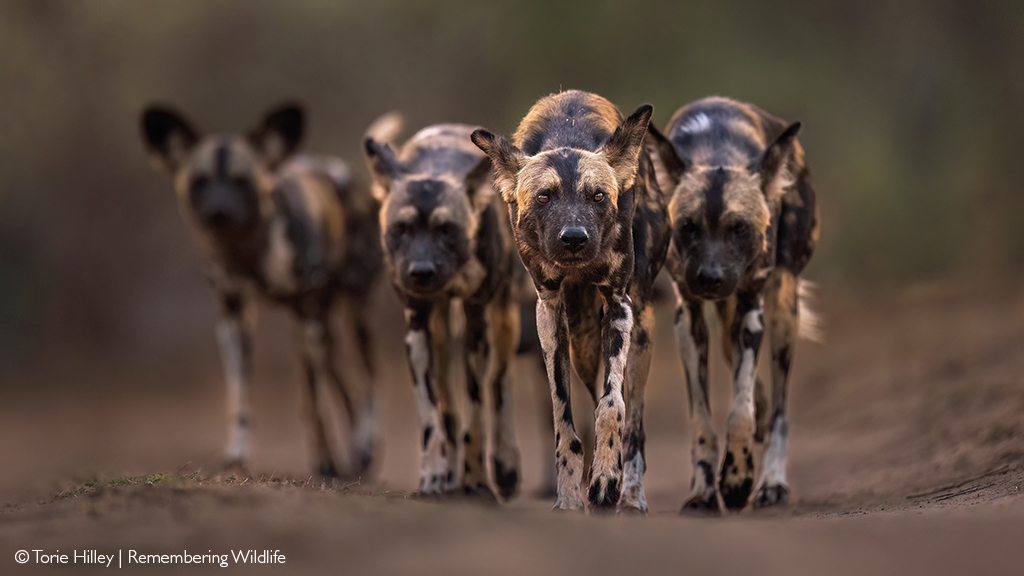
Photographer Torie Hilley says: “One very early morning, we found African wild dogs on the road, and they looked like they had just woken up to start their movement. We pulled to the side and got out of the car (in Mana Pools, you are allowed to be on foot) to photograph the dogs coming towards us. They didn’t disappoint. We gave them their space, but they chose to approach and then passed us very calmly and casually. It was an incredible moment to capture the pack coming straight at me. A moment I will never forget.” Mana Pools National Park, Zimbabwe
remembering wildlife
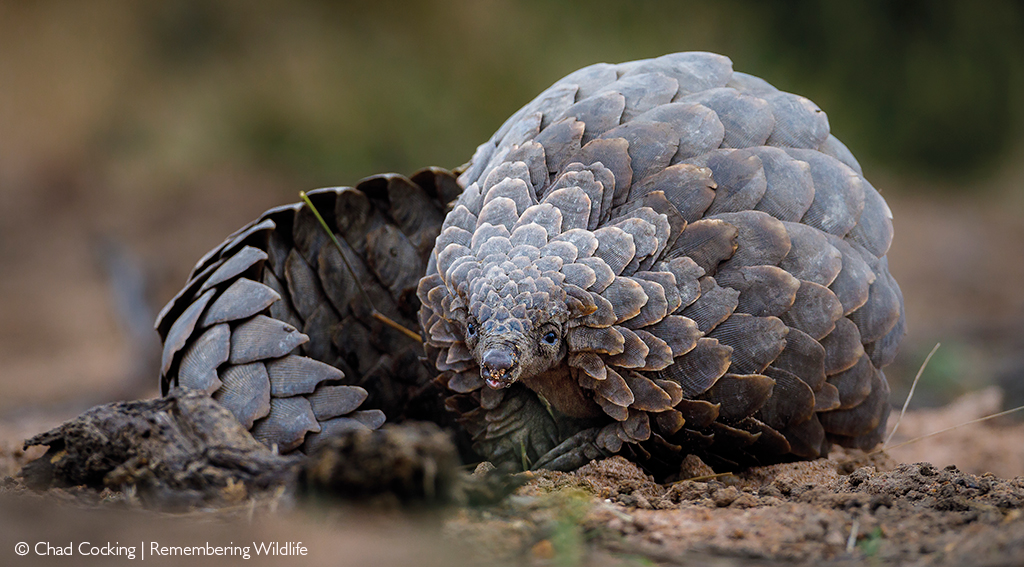
Photographer Chad Cocking says: “A light at the end of a dark tunnel. During lockdown, with no tourists around, I came upon this pangolin early one winter’s morning. I waited patiently for it to unfurl itself, but when it did and realised I was not a threat, it slowly got up and walked off into the bush… not a bad way to start the day!” Timbavati Private Nature Reserve, South Africa
African safari
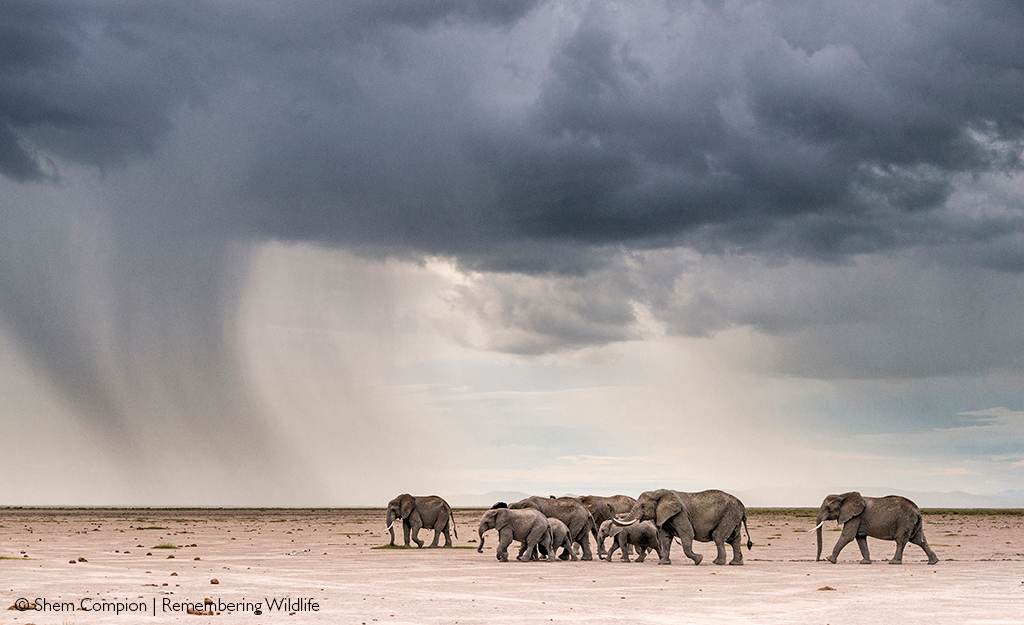
Photographer Shem Compion says: “The scent of rain is even detectable for us humans. For elephants, it’s a driving force and also a guiding one. In Amboseli, after months of drought, elephants are lured by good rainfall.” Amboseli National Park, Kenya

remembering wildlife About 10 Years of Remembering Wildlife

10 Years of Remembering Wildlife is the 10th book in the celebrated Remembering Wildlife fundraising series, which has raised more than £1.2 million GBP (€1.55 million USD) for conservation projects since it began in 2016.

The aim of the creators is to make the most beautiful book ever seen on the particular species they cover. These books, in turn, raise awareness of the plight facing the species featured, and funds to protect it. Each book is full of images generously donated by many of the world’s top wildlife photographers, with 94 contributing this year. All profits from the sale of this book will be donated to projects working to protect pangolins in the wild. Read more and order the book here: www.rememberingwildlife.com 


Check out more epic wildlife photography galleries here:


To comment on this story: Login (or sign up) to our app here - it's a troll-free safe place 🙂.


African safari

Why choose us to craft your safari?

Handcrafted experiential safaris since 1991.

Travel in Africa is about knowing when and where to go, and with whom. A few weeks too early/late or a few kilometres off course, and you could miss the greatest show on Earth. And wouldn’t that be a pity?

African travel

Trust & Safety

Guest payments go into a third-party TRUST ACCOUNT - protecting them in the unlikely event of a financial setback on our part. Also, we are members of SATSA who attest to our integrity, legal compliance and financial stability.

See what travellers say about us

Responsible safari

Make a difference

We donate a portion of the revenue from every safari sold to carefully selected conservation projects that make a significant difference at ground level.

YOUR safari choice does make a difference - thank you!