


Maputo National Park: Where elephants meet the ocean


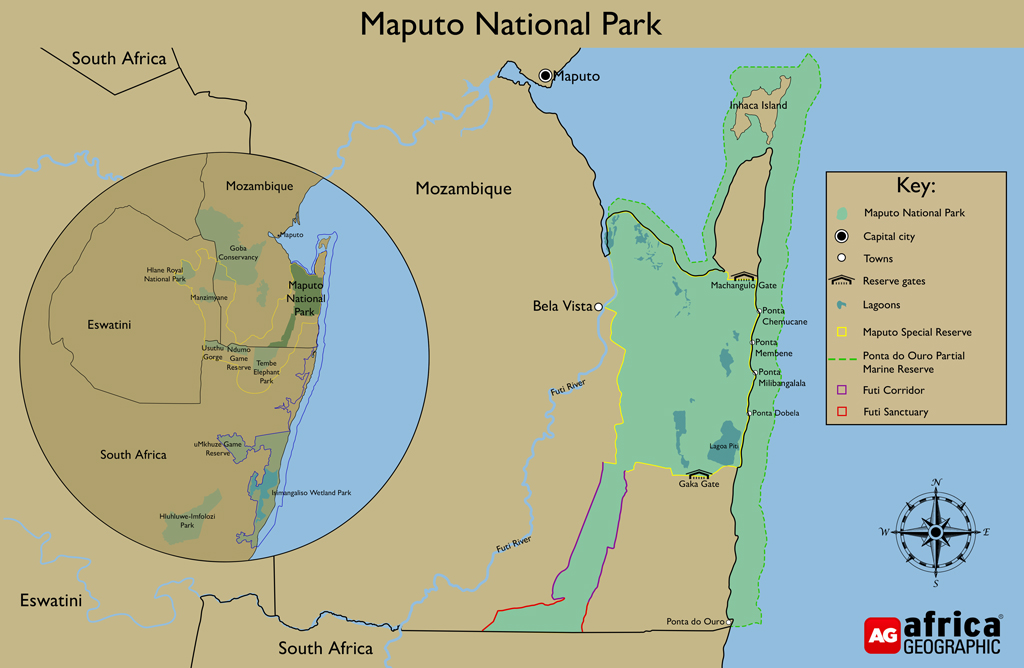
Mozambique, a country celebrated for its vivid coastlines and vibrant cultural tapestry, is home to one of the most important ecological treasures in Southern Africa: Maputo National Park. Stretching across the country’s southern tip, near the borders of South Africa and Eswatini, the park forms the heart of the Maputaland Centre of Endemism – a globally recognised hotspot of biodiversity and ecological importance, and one of the 36 most biologically diverse and endangered regions in the world
Born from the merger of two distinct reserves – the Maputo Special Reserve (Reserva Especial de Maputo) and the Ponta do Ouro Partial Marine Reserve – the park now protects over 1,700 km² of terrestrial and marine wilderness. It is also central to the Usuthu-Tembe-Futi Transfrontier Conservation Area, which reconnects fragmented habitats across international borders. The Futi Corridor links Maputo to South Africa’s Tembe Elephant Park, while the Ponta do Ouro coastline meets the iSimangaliso Wetland Park World Heritage Site in neighbouring South Africa.
Mozambican gem
Only a two- to three-hour drive from the capital, Maputo, this park offers both accessibility and adventure —a rare combination for those eager to immerse themselves in wild landscapes.
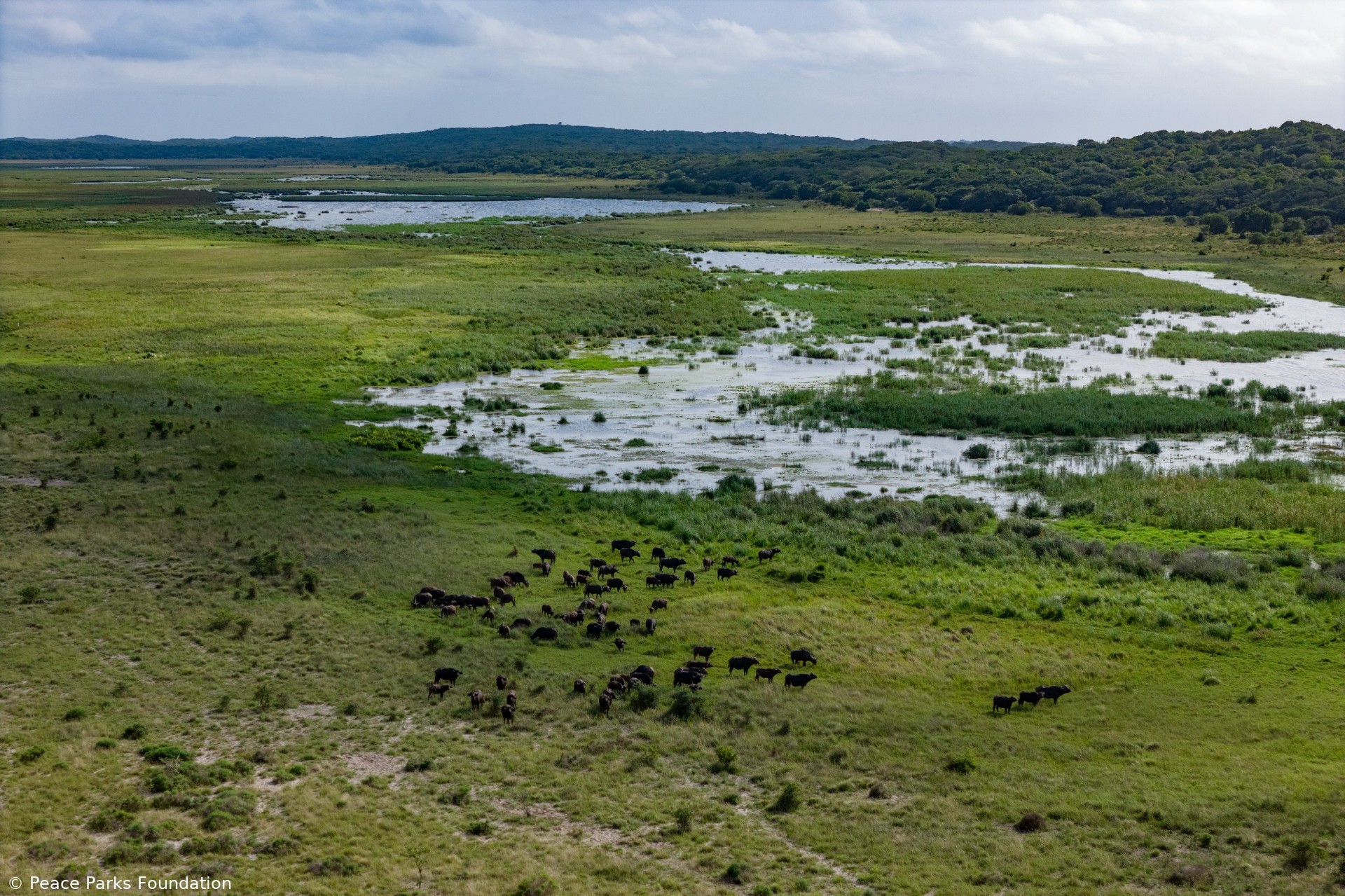
Historically, the area was recognised as a game reserve as early as 1932, to protect the small herds of elephants that roamed the coastal plains. Over the decades, the reserve’s boundaries have expanded, and its status has been elevated, reflecting the growing awareness of its ecological significance worldwide. Today, Maputo National Park stands as a testament to Mozambique’s commitment to conservation, offering a sanctuary for an impressive array of flora and fauna and a haven for nature enthusiasts, conservationists, and ecotourists.

Maputo National Park’s landscapes of contrast
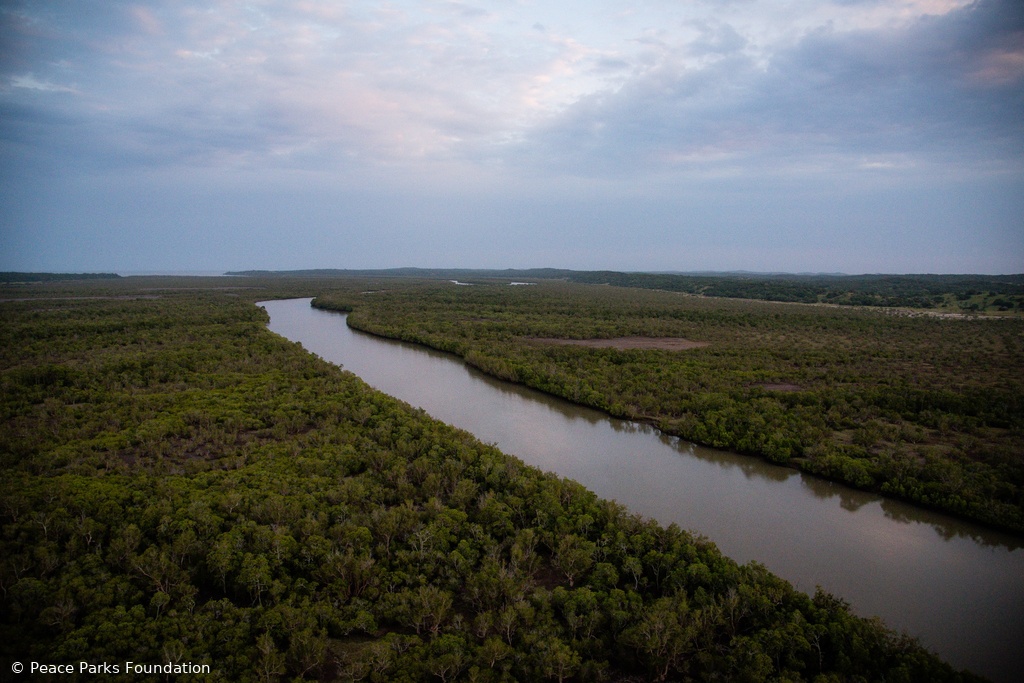
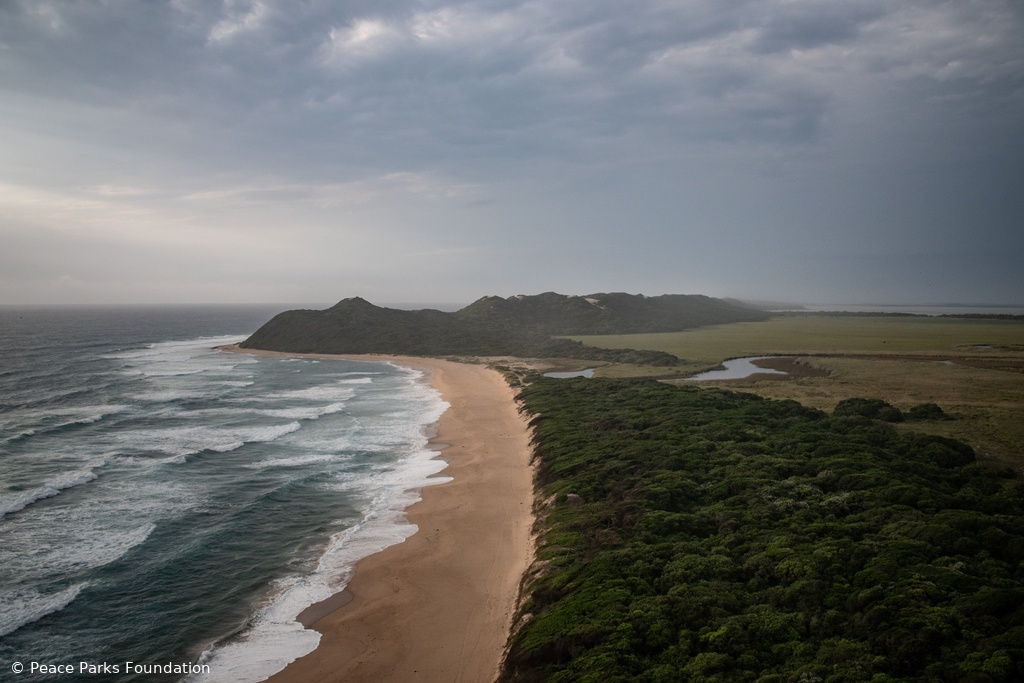
The landscape of Maputo NP is a vivid tableau of contrasts, where coastal dune forests give way to verdant grasslands, and dense thickets and towering fig trees fringe freshwater lagoons. The park’s topography is primarily flat, though interspersed with rolling hills, particularly in the inland regions, which offer panoramic views of the surrounding wilderness.
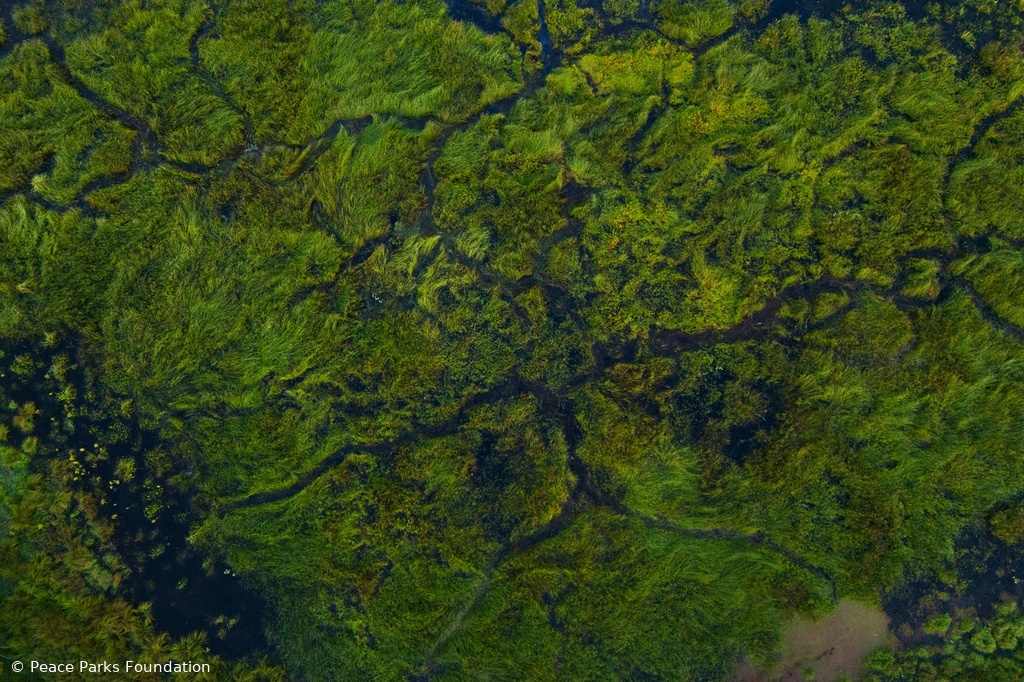
One of the most striking features of the park is its mosaic of ecosystems. The coastal zone, with its sandy beaches and mangrove swamps, transitions seamlessly into lush coastal forests that are home to myriad plant species, including endemic and rare varieties. Inland, the park is characterised by grasslands interspersed with patches of woodland that thrive on sandy, well-drained soils. These grasslands are punctuated by freshwater lakes and rivers that support abundant aquatic life and provide essential resources for the park’s terrestrial inhabitants.
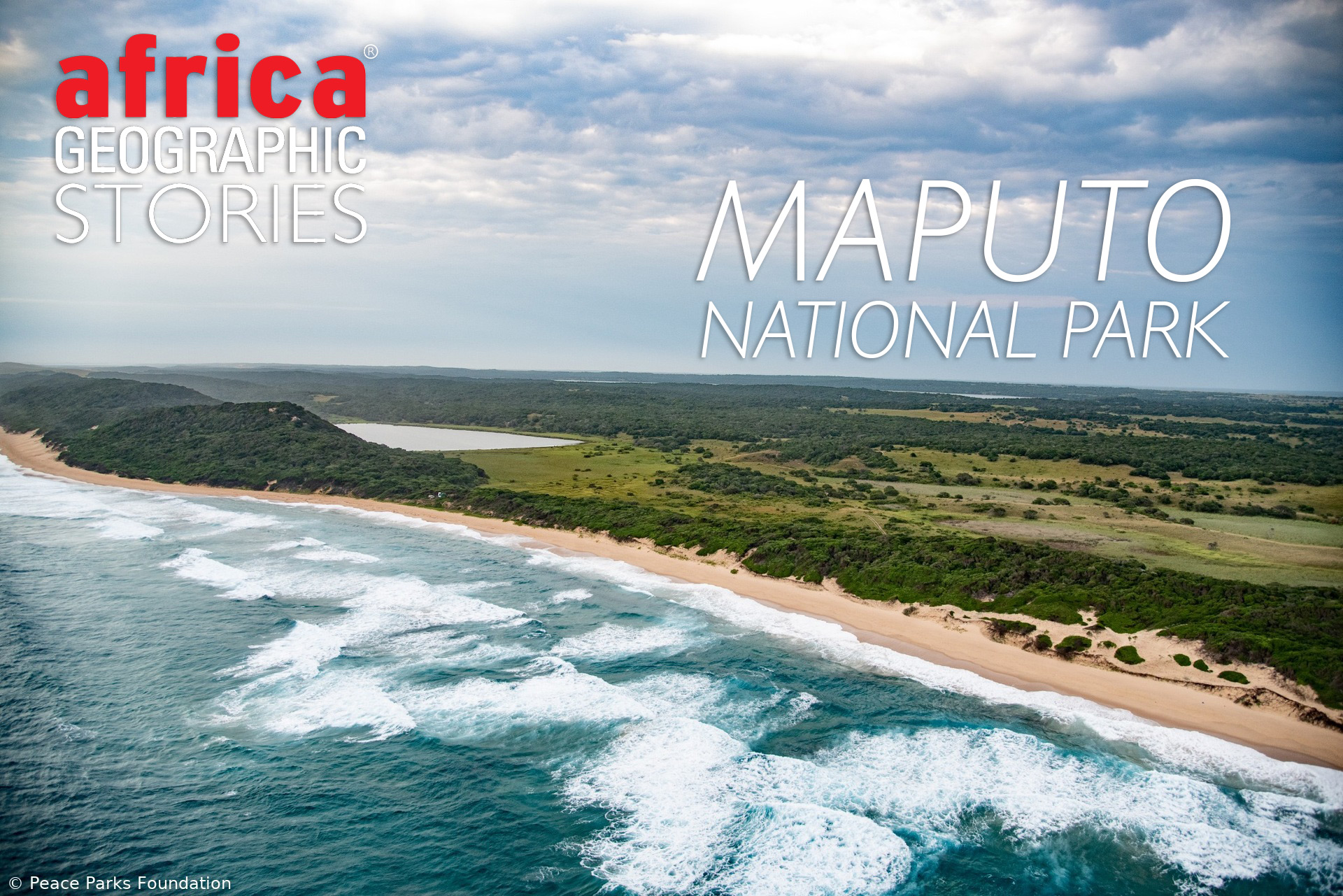
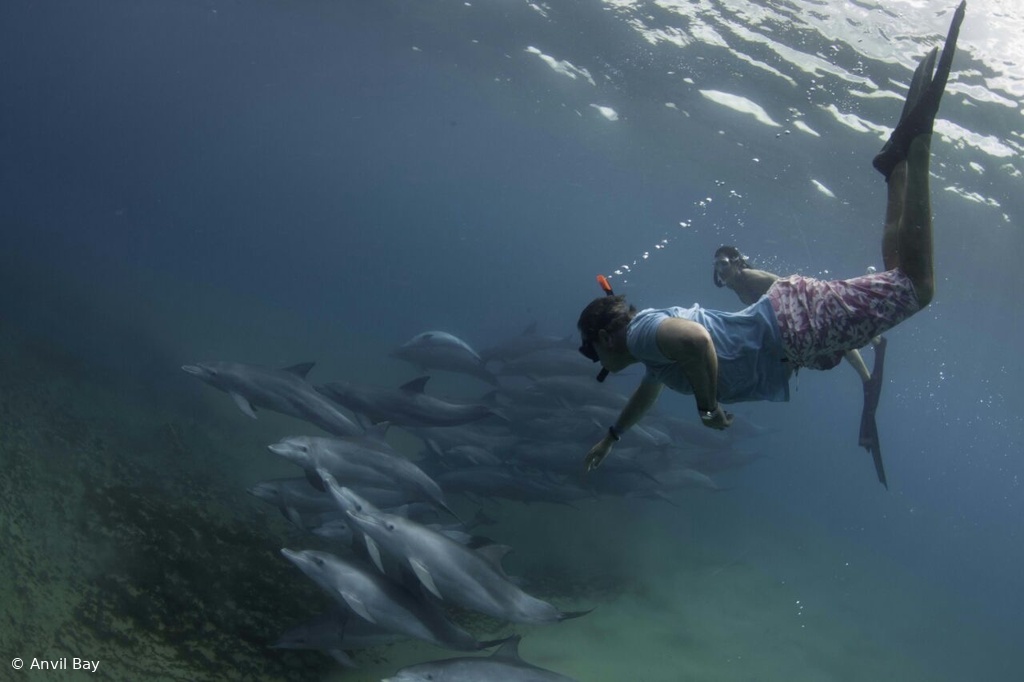
The park’s connection to the Indian Ocean creates a dynamic interface where terrestrial and marine systems interlace. Offshore, the marine protected zone includes coral reefs, seagrass beds, and nesting beaches that sustain turtles, dolphins, and seasonal humpback whales.
The park’s tropical climate defines its rhythms. From November to March, rains fill rivers and lagoons, bringing lush vegetation and abundant birdlife. The dry season, from April to October, offers easier wildlife viewing because animals gather at dwindling waterholes.
Maputo NP’s experiences for travellers
Maputo National Park offers diverse attractions that cater to the discerning traveller who seeks both adventure and serenity. The park’s appeal lies not only in its natural beauty but also in the variety of experiences it offers.
Elephant Coast
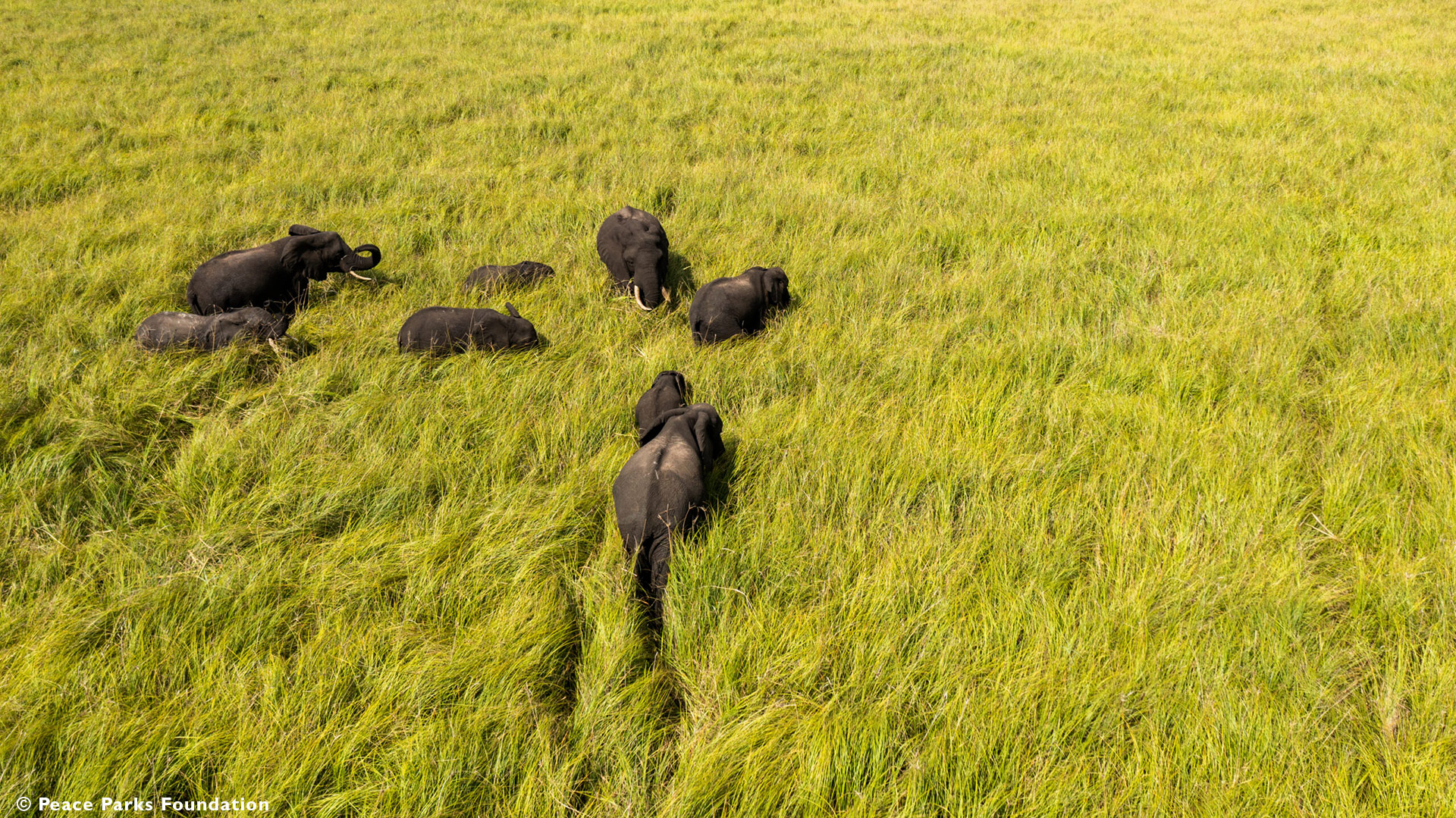
The park’s emblematic elephants – once reduced to a fragile remnant during Mozambique’s civil war – have made a stirring recovery. Herds roam the coastal plains, often framed by the glittering ocean. Few wildlife experiences rival the sight of elephants against a backdrop of dunes and surf.
Lagoa Piti
For those seeking tranquillity and a deeper connection with nature, a visit to Lagoa Piti is a must. This forest-fringed freshwater lake is a sanctuary for birders and quiet seekers. With its mirror-like waters and diverse avian life, Lagoa Piti offers tranquillity and rare sightings in equal measure.
Ponta do Ouro
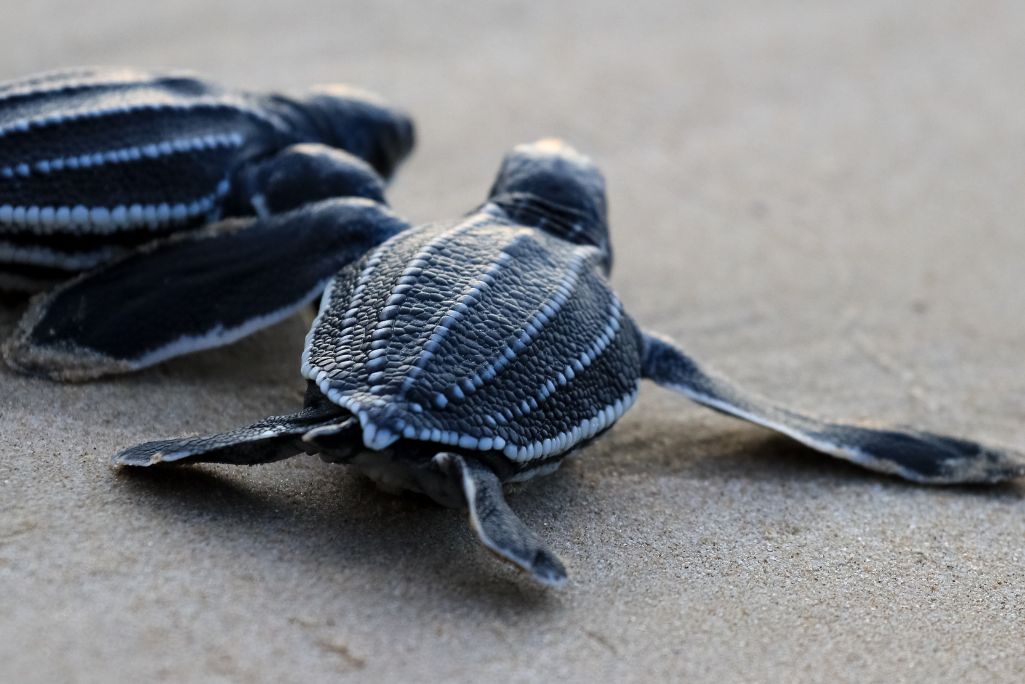
Renowned for beaches, diving, and dolphins, Ponta do Ouro is the crown jewel of Maputo NP. Diving enthusiasts are particularly drawn to this area, where the underwater world is teeming with life. The coral reefs are alive with kaleidoscopic fish, turtles, and rays. During the summer months, the waters off Ponta do Ouro become a migratory path for humpback whales, offering a rare opportunity for whale watching. Endangered loggerhead and leatherback turtles return to nest on the sandy beaches each summer.
Scenic drives and trails
Travellers can explore on self-drives or guided walks. A highlight is the coastal road from Ponta do Ouro to the mouth of the Maputo River, where the ocean, dunes, and woodland unfold in ever-changing panoramas. For the adventurous, hiking trails thread through woodland and grassland, offering close encounters with the park’s varied ecosystems.
 Want to explore more safari destinations in southern Africa? Browse our safari ideas here. Or tell us about your dream trip, and our travel experts will plan your safari.
Wildlife riches
The wildlife of Maputo National Park is as diverse as its landscapes. The park is home to a wide range of species, many of which are of significant conservation concern. The elephant population is perhaps the most iconic of the park’s inhabitants. These elephants, a key focus of the park’s conservation efforts, are often seen in large herds, particularly during the dry season when they gather around the park’s water sources.
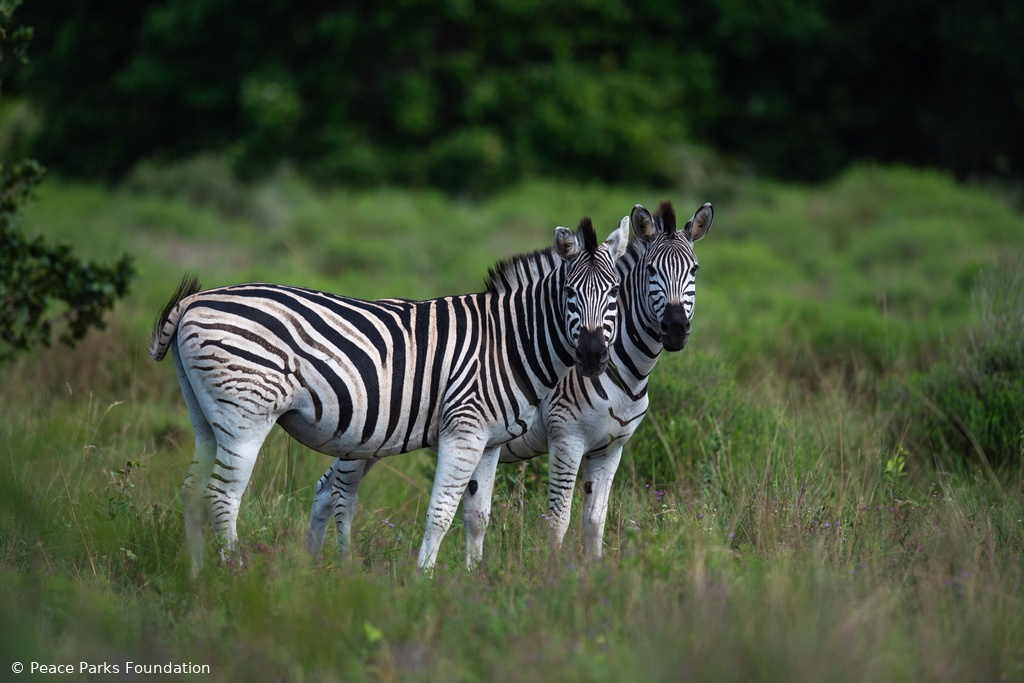
In addition to elephants, large mammals such as buffalo, hippo, and antelope, including nyala, suni, and red duiker, also roam. Some species remain elusive, rewarding the patient visitor with fleeting glimpses.
In recent years, Maputo NP has been the stage for one of southern Africa’s most ambitious rewilding projects. Since 2018, the Mozambique National Administration for Conservation Areas (ANAC) and Peace Parks Foundation have partnered to restore the park’s ecological heartbeat after decades of conflict and poaching. By 2022, more than 5,100 animals had been translocated, including 11 species that had been locally extinct. Plains game such as kudu, giraffe, zebra, wildebeest, eland and buffalo were carefully sourced and released, creating the prey base and ecological diversity needed for a thriving system. The success of these efforts was reflected in the 2021 aerial census, which recorded over 12,000 animals now roaming the park, an extraordinary resurgence in a short space of time.
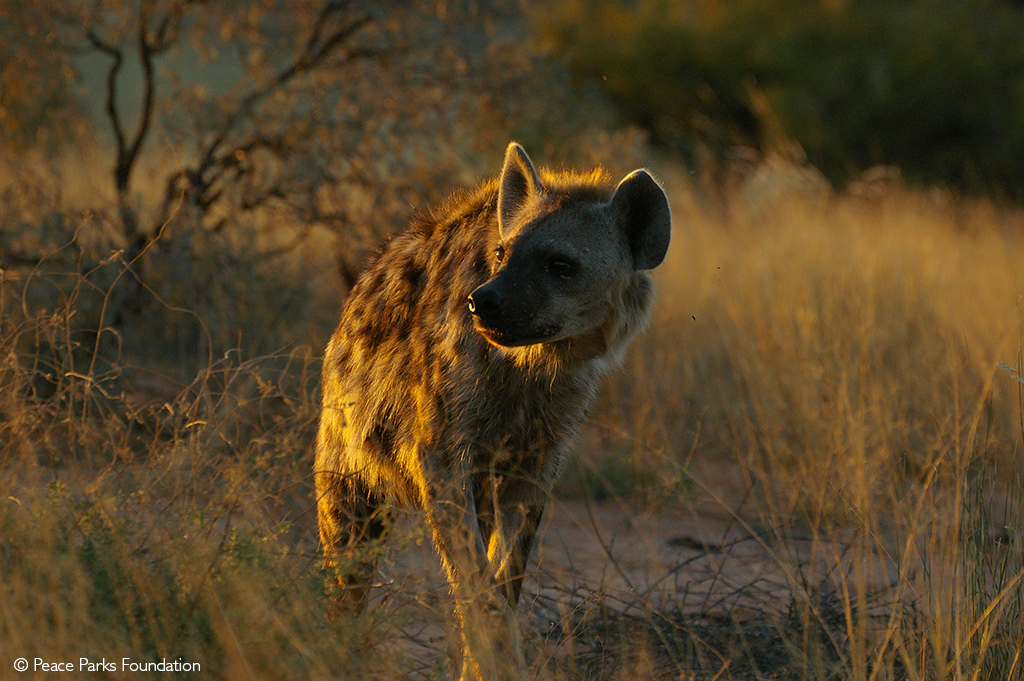
Building on this foundation, conservationists have begun to reintroduce predators to restore ecological balance. In 2022, five spotted hyenas were translocated from Mozambique’s Sabie Game Park to Maputo National Park, reviving a species once eradicated here. As nature’s consummate scavengers, hyenas play a critical role in recycling nutrients and keeping ecosystems clean. Their arrival signals a new chapter in the park’s revival: not only strengthening predator-prey dynamics but also laying the groundwork for the return of other carnivores, including cheetahs.
Birdlife is particularly rewarding, with over 350 recorded species. Enthusiasts can search for regional specials such as Neergard’s sunbird, pink-throated twinspot, rosy-throated longclaw, Rudd’s and Woodward’s batis, African broadbill, and black coucal.
The marine section amplifies this richness: reefs teem with life, dolphins patrol the shallows, and turtle nesting grounds underscore the park’s global conservation importance.
Explore & stay in Maputo NP
Maputo NP lies about 100km south of Maputo. The journey takes 2–3 hours by road. A 4×4 vehicle is recommended, especially in sandy or wet-season conditions. International travellers can connect via Maputo International Airport.
When it comes to accommodation, there is much to choose from. From luxury eco-lodges and tented camps that blend into the landscape, to rustic campsites under the stars, the park caters for a range of tastes and budgets.
Knowledgeable local guides enrich the experience with ecological insights and help visitors uncover wildlife that might otherwise go unnoticed.
The best time to visit Maputo National Park is during the dry season, from April to October. During this time, the weather is generally cooler and drier, making it easier to spot wildlife, which tends to congregate around known water sources. The dry season also offers better road conditions, making it easier to navigate the park. However, for those interested in marine life, particularly turtle nesting or whale watching, the wet season offers unique opportunities, albeit with the challenge of heavier rains and more difficult driving conditions.

A wilderness reborn
Maputo National Park offers a rare combination of natural beauty, biodiversity, and a sense of wilderness that is increasingly hard to find. The park embodies Mozambique’s commitment to restoring wild places and reconnecting ecosystems fractured by conflict and human pressure. It is a park where elephants walk through dunes, forests echo with the calls of rare birds, and turtles return to ancient nesting grounds.
For travellers seeking authentic wilderness, rich biodiversity, and the thrill of exploration, Maputo National Park is a destination that lingers long after you leave.
Further reading
- Ultimate bush and beach combo safari: Bush or beach? There’s no need to choose! We bring you the best combo safaris featuring epic beach & bush destinations for the ultimate African holiday
- Hyena royalty returns to Maputo National Park: Five spotted hyena have been released into Maputo National Park as part of a rewilding journey for this biodiversity hotspot
- Limpopo National Park: Explore wild beauty, 4×4 trails, rare wildlife & local culture in Mozambique’s Limpopo National Park – part of a visionary peace park
- Saving Mozambique’s last dugongs: How do we save the last dugong population on Africa’s east coast? African Parks and the government of Mozambique are building local understanding of the elusive dugongs of the Bazaruto Archipelago seascape
- The Mozambique turquoise coast – from above: A gallery of seductive images of the Mozambique coastline – pack your bags and include your costume, beach towel and suntan lotion
To comment on this story: Login (or sign up) to our app here - it's a troll-free safe place 🙂.