


Inside Mozambique’s untamed frontier


Tucked between the iconic Kruger National Park and the Limpopo River lies a vast, untamed wilderness few have explored. Limpopo National Park in Mozambique, part of the Great Limpopo Transfrontier Park (GLTP), offers remote 4×4 adventures, immersive community encounters, and a slower, wilder safari experience. This is where nature returns on its terms – and travellers are invited to be part of that story.
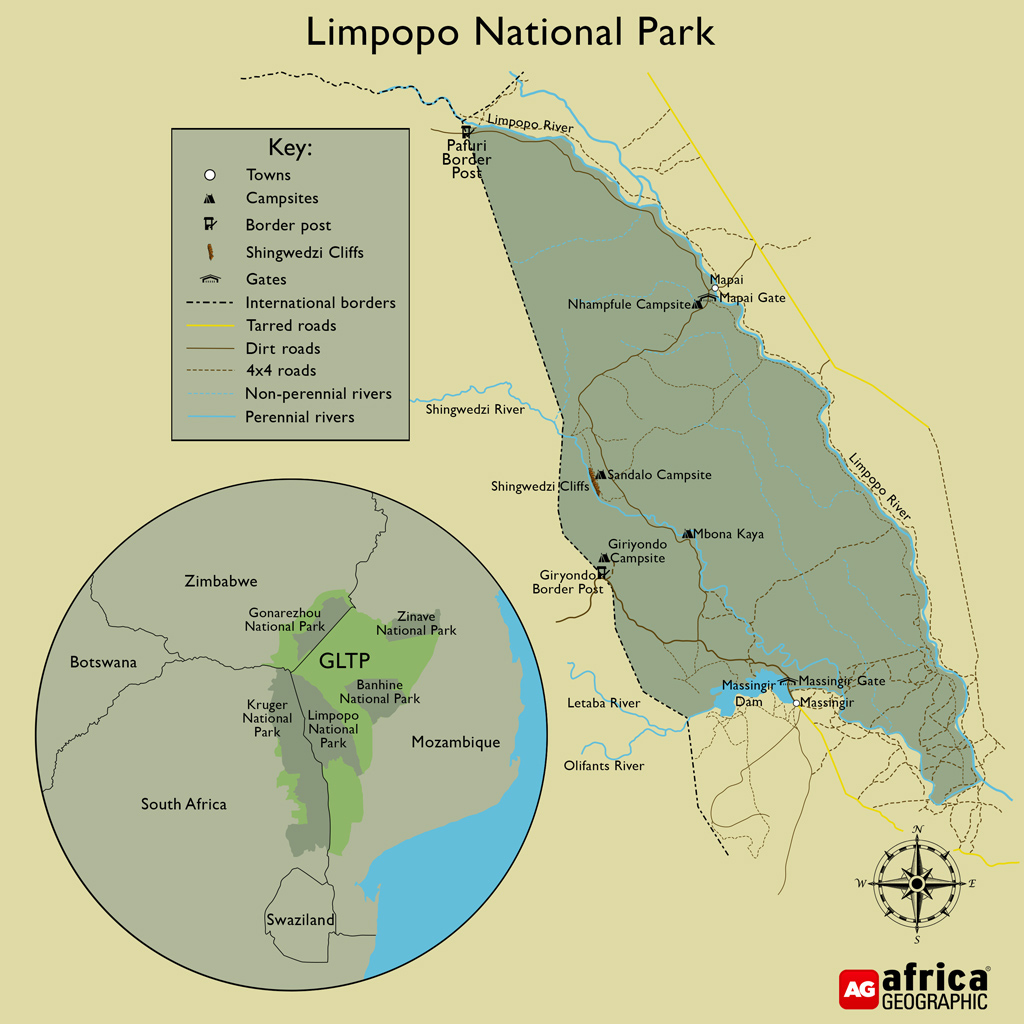
Centrally located in the spectacular landscapes of Southern Africa’s Lowveld, Limpopo National Park offers a serene wilderness escape. Framed by the rugged Lebombo Mountains to the west and bordered by the world-renowned Kruger National Park, this remote Mozambican sanctuary is laced with scenic rivers – the Olifants in the south, the Shingwedzi through its heart, and the great Limpopo to the east, from which the park takes its name.
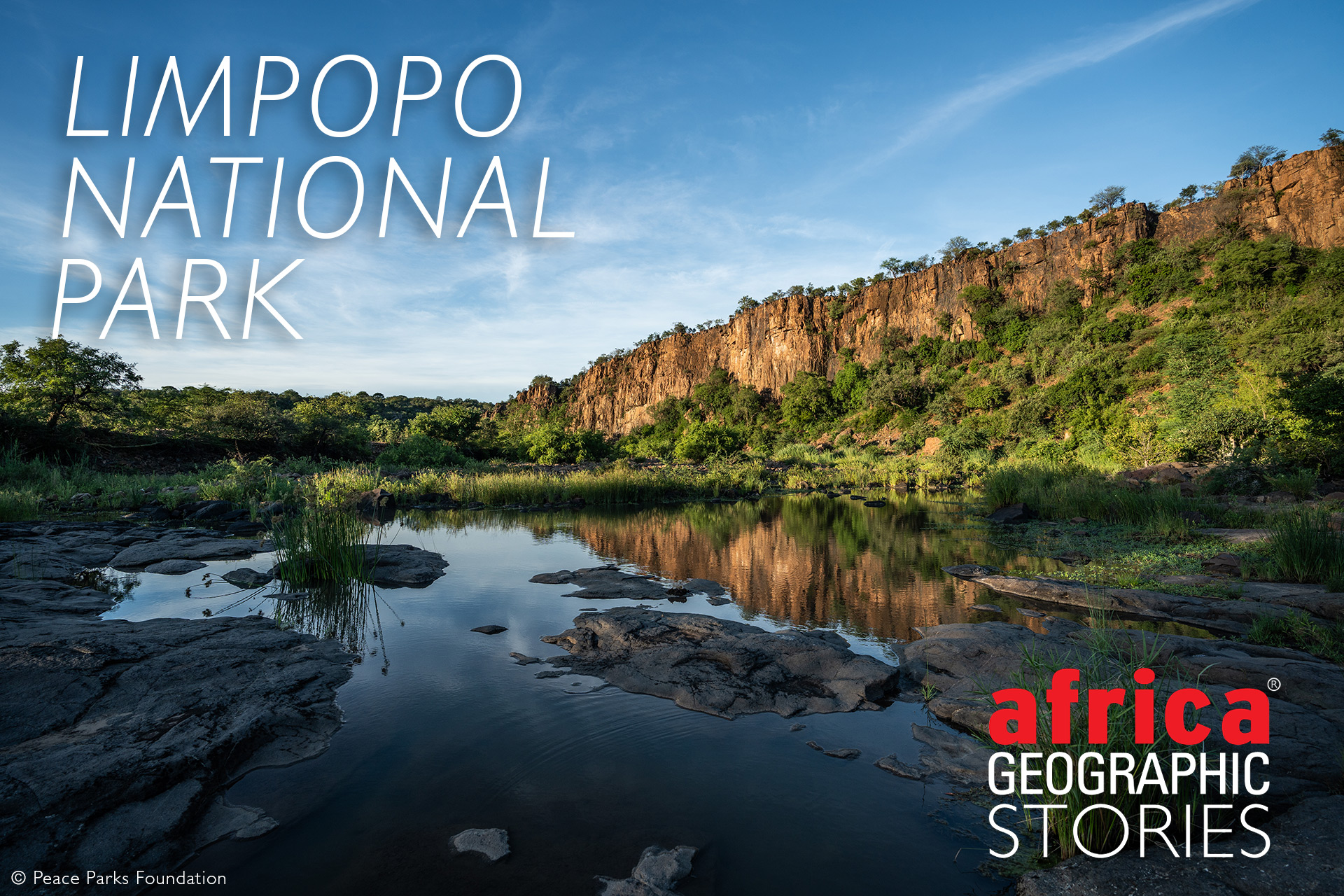
Established in 2001, Limpopo National Park – also known as Parque Nacional do Limpopo – was founded with a vision: to conserve biodiversity, uplift rural communities, and nurture eco-tourism in a historically marginalised region. The park spans a vast 1.1 million hectares (11,000km2) of unspoiled wilderness and natural beauty.
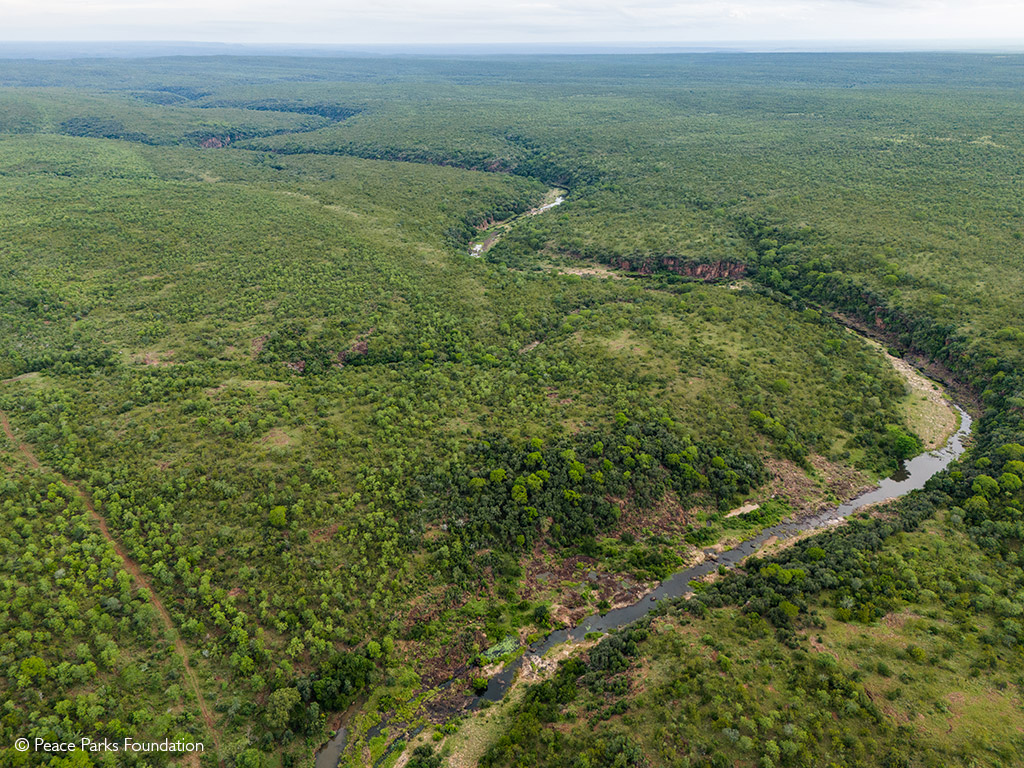
The park is co-managed by the Mozambican government and the Peace Parks Foundation. The park is part of the Great Limpopo Transfrontier Conservation Area (GLTFCA) and aims to restore wildlife migration routes and promote sustainable tourism. The Peace Parks Foundation has been involved in the park’s development since 2001, with a focus on infrastructure, community support, and conservation.
At the centre of this conservation vision is the Great Limpopo Transfrontier Park (GLTP) – a cross-border initiative that links key protected areas across Mozambique, South Africa, and Zimbabwe. Once fully realised, this area will connect iconic conservation regions, including Kruger, Limpopo, and Gonarezhou National Parks.
Visiting Limpopo National Park is more than just a nature getaway – it’s a chance to support and witness a visionary conservation journey.


Landscape and ecology of Limpopo NP
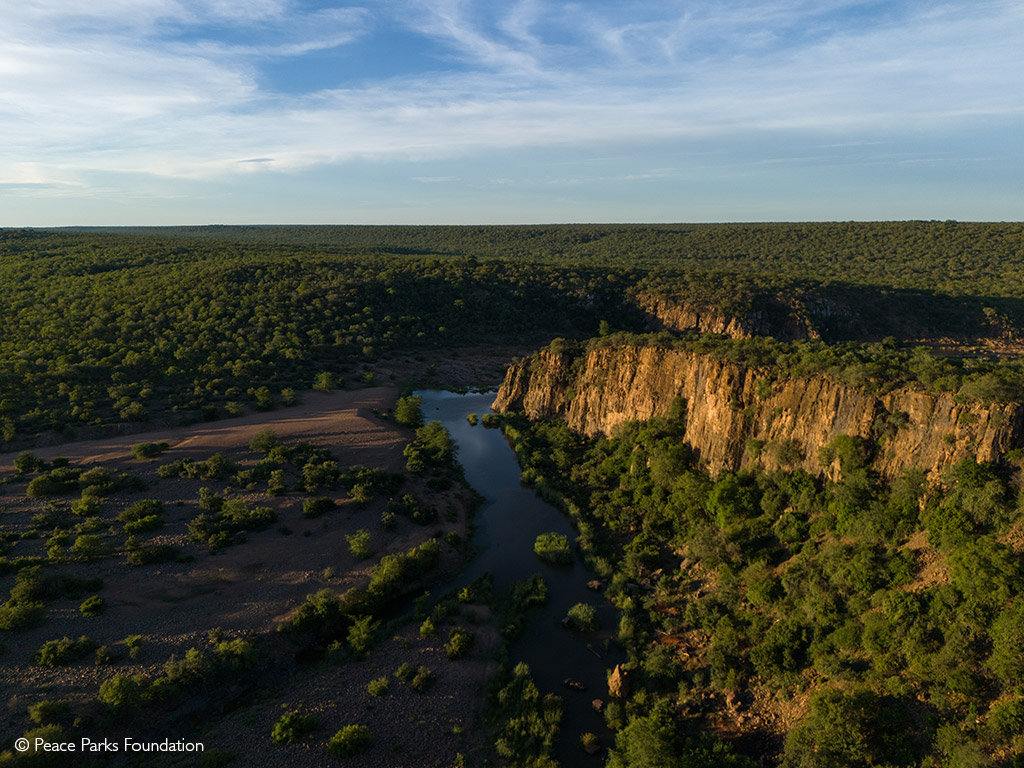
Limpopo National Park’s landscape is a patchwork of ecological features. From the jagged Lebombo Mountains to lush riverine forests along the Limpopo, the park reveals a striking range of ecosystems.
Although the region is dry, with an average annual rainfall of 550 mm, its rivers, when flowing, are lifelines. During the summer rains, these watercourses draw wildlife in droves, offering vibrant, seasonal wildlife spectacles.
The park’s ten identified landscapes offer ecological diversity, with five dominating most of the terrain. Among these, the Nwambiya Sandveld is particularly important – a habitat rarely found in neighbouring Kruger and home to rare and endangered flora.
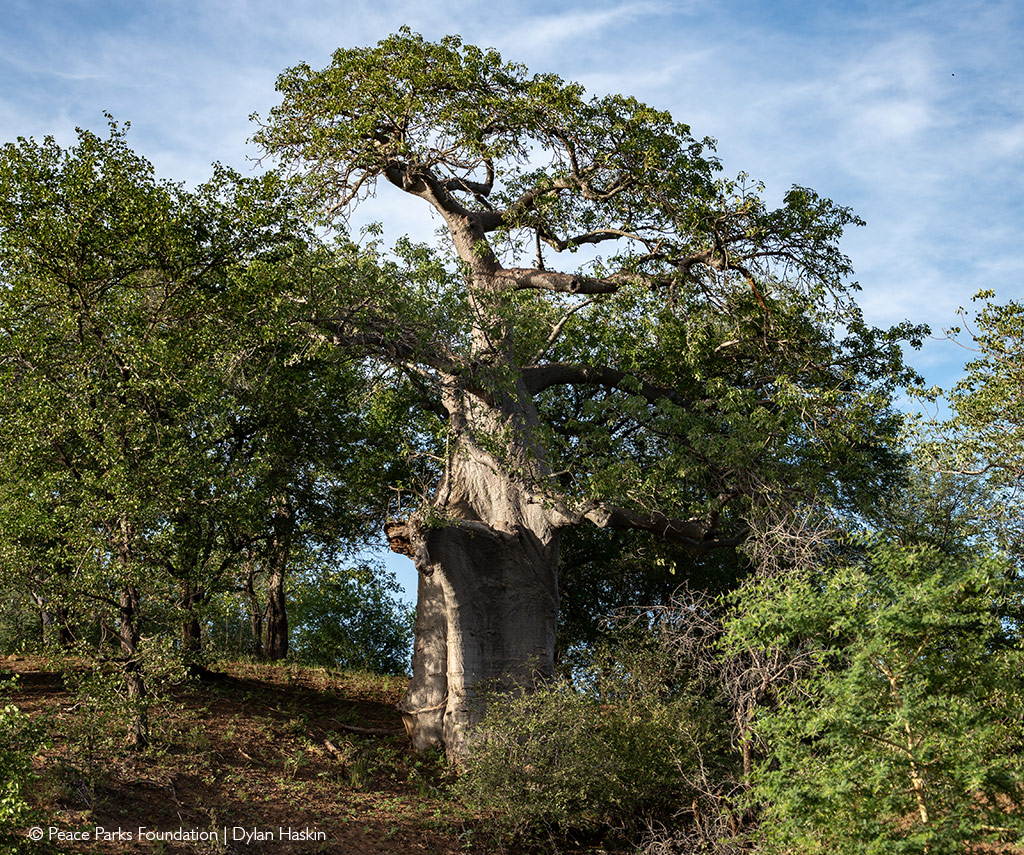
The mopane shrubland, dominated by the hardy mopane tree, may seem less promising for game viewing, but it supports a surprising diversity of mammals, birds, reptiles, and invertebrates.
The Lebombo Mountains and hilly granite plateaus along the park’s western edges bring rocky drama and scenic views, while the striking Shingwedzi Cliffs rise above the river, offering epic lookouts.
Grassy floodplains trace the rivers, while mixed woodlands cloak the rocky hills of the Lebombo. There is also a narrow belt of riverine woodland along major watercourses – a corridor teeming with life rarely seen in other parts of the park.
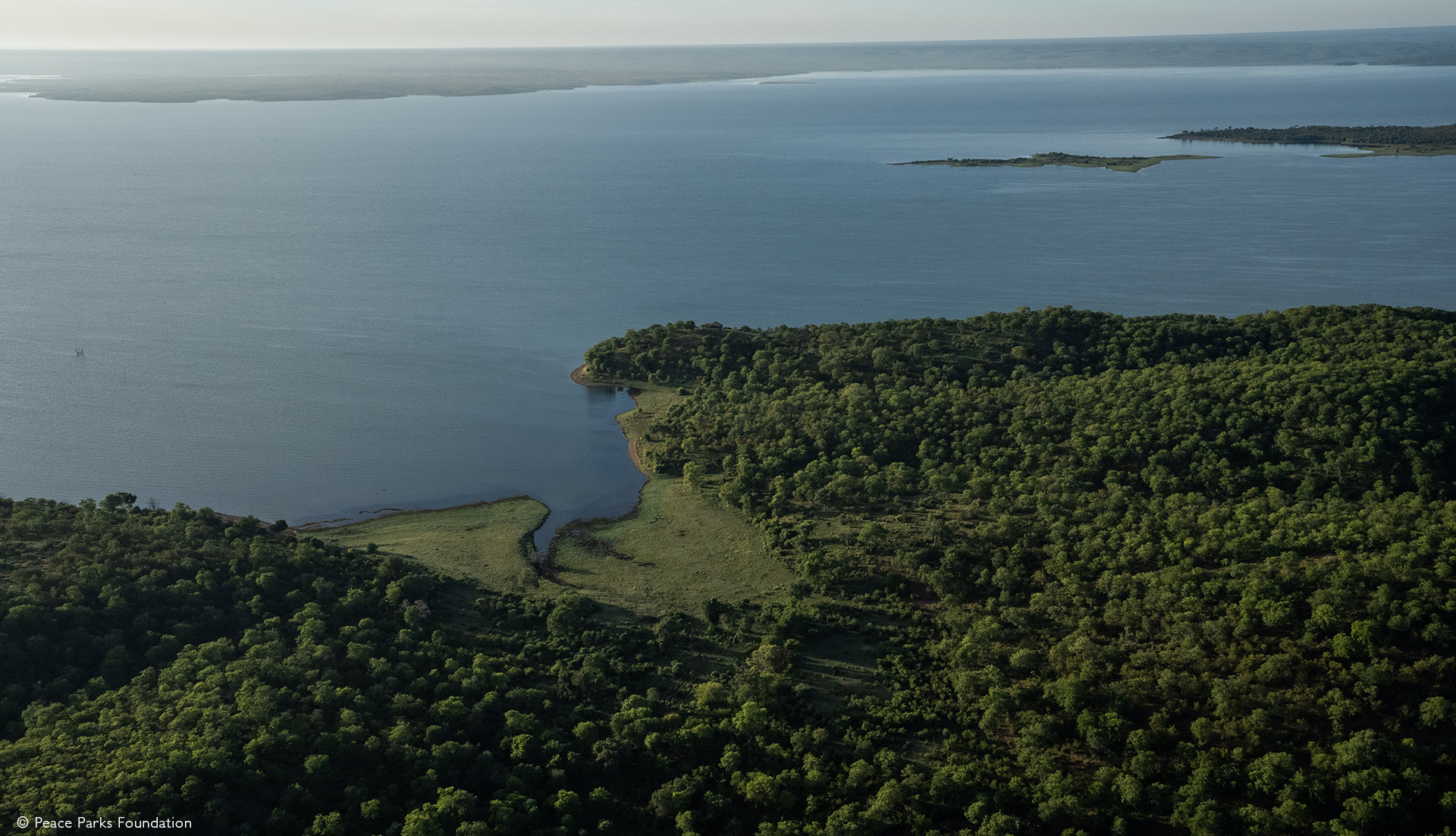
The Massingir Dam is a prominent feature that plays a significant role in the park’s ecosystem and local communities. It’s the second-largest reservoir in Mozambique, situated on the Olifants River.
These varied habitats bring scenic immersion and incredible wildlife encounters.
Limpopo NP’s tourist attractions
Limpopo National Park is far more than a stopover between South Africa and Mozambique – it’s a destination in its own right. Wildlife sightings here may be less prolific than in Kruger, but the park’s remote serenity is part of its allure. With sections of the border fence removed, wildlife is returning naturally.
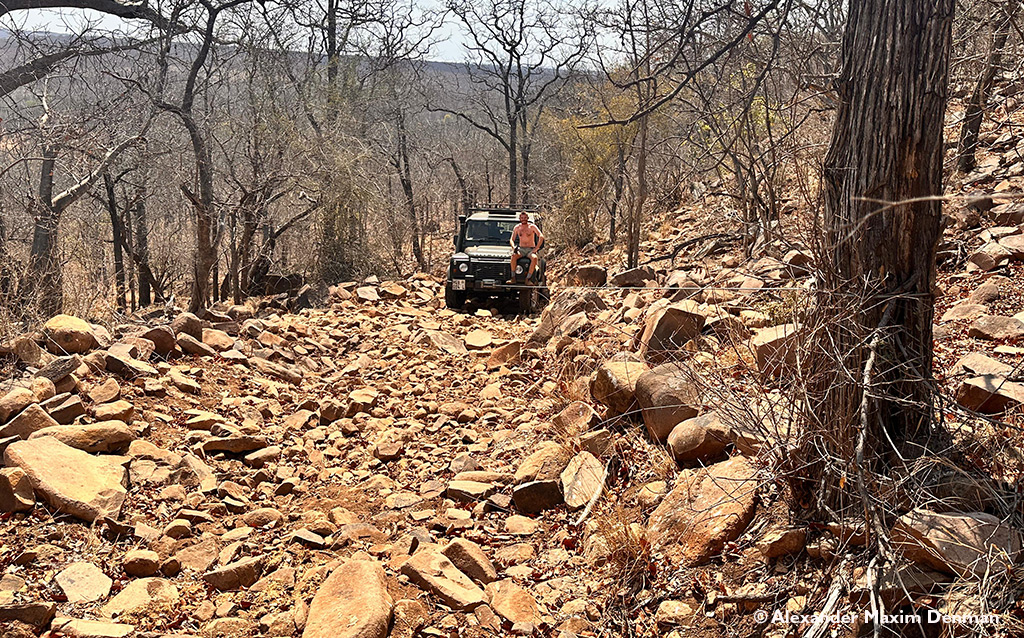
For intrepid travellers, the 4×4 self-drive route is a must. Navigate the park’s rugged terrain between Pafuri, Mapai, Giriyondo, and Massingir, camping at designated sites along the way. Don’t miss the dramatic Shingwedzi Cliffs.
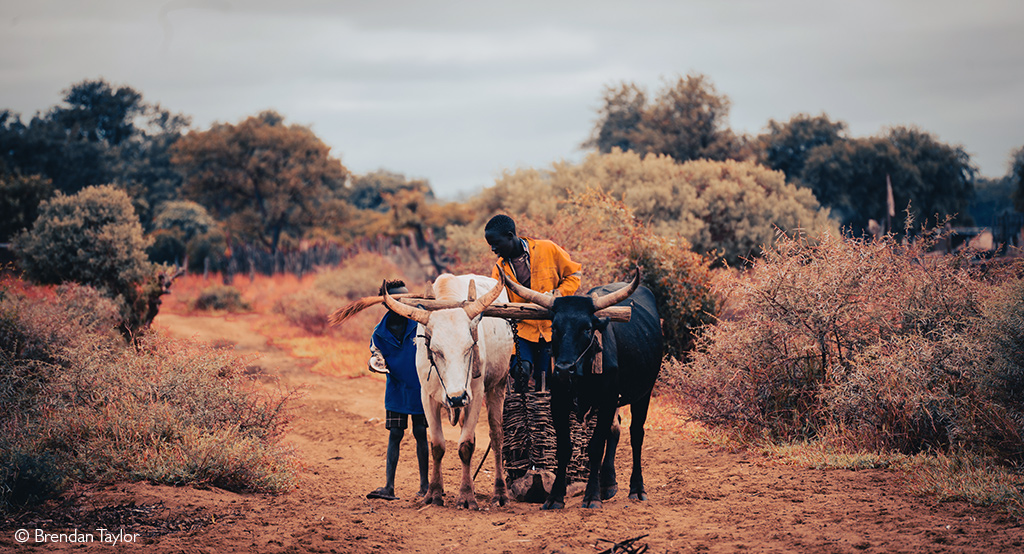
Cultural immersion is another highlight. Seven villages remain within the park’s boundaries, offering visitors insight into local community traditions. As the park undergoes development, a voluntary resettlement program led by the Mozambican government aims to balance human presence with wildlife conservation. The project has relocated four villages to three development nodes, providing safe housing, access to clean water, fertile agricultural land, and services such as schooling and health care.
Currently, a few guided activities are on offer. Paddle the Rio Elefantes on a three-day canoe trail, camping along the banks. Some visitors opt for the five-day Elefantes Gorge Backpacking and Fishing Trail for a blend of hiking, fishing, and solitude.
For a rugged thrill, tackle the five-night Shingwedzi 4×4 Eco-Trail – featuring remote camping, river crossings, and immersive bush experiences. The four-day Palarangala Wilderness Trail offers guided game walks and wilderness camping for a slower, more intimate bush experience.
Alternatively, there is the Lebombo Hiking Trail – a four-day journey through unspoiled landscapes with experienced guides, wildlife sightings, and unforgettable scenery.
Wildlife
The dry season, from July to October, offers the best wildlife viewing in Limpopo NP. As surface water becomes scarce, animals congregate at waterholes, increasing the likelihood of sightings. It’s also the ideal time for travel: fewer mosquitoes, comfortable temperatures, and better road conditions.
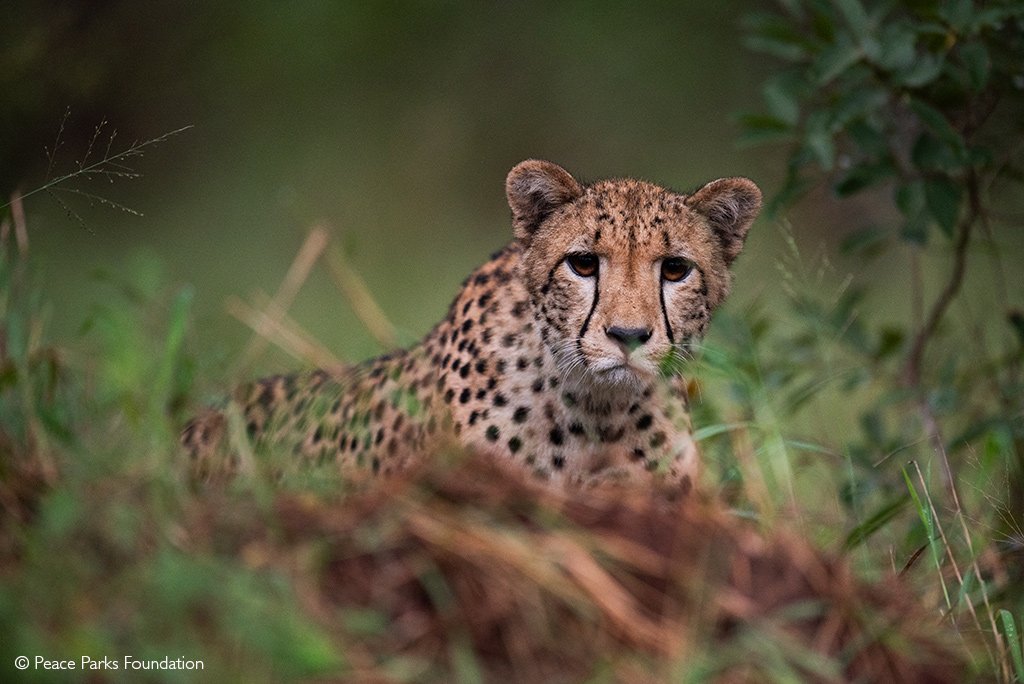
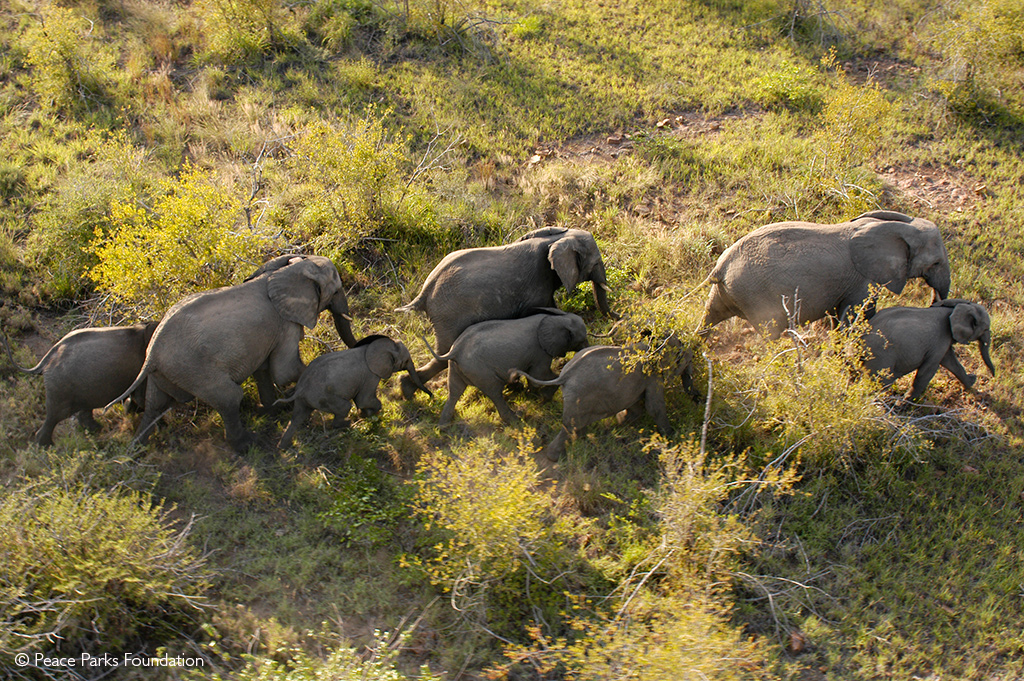
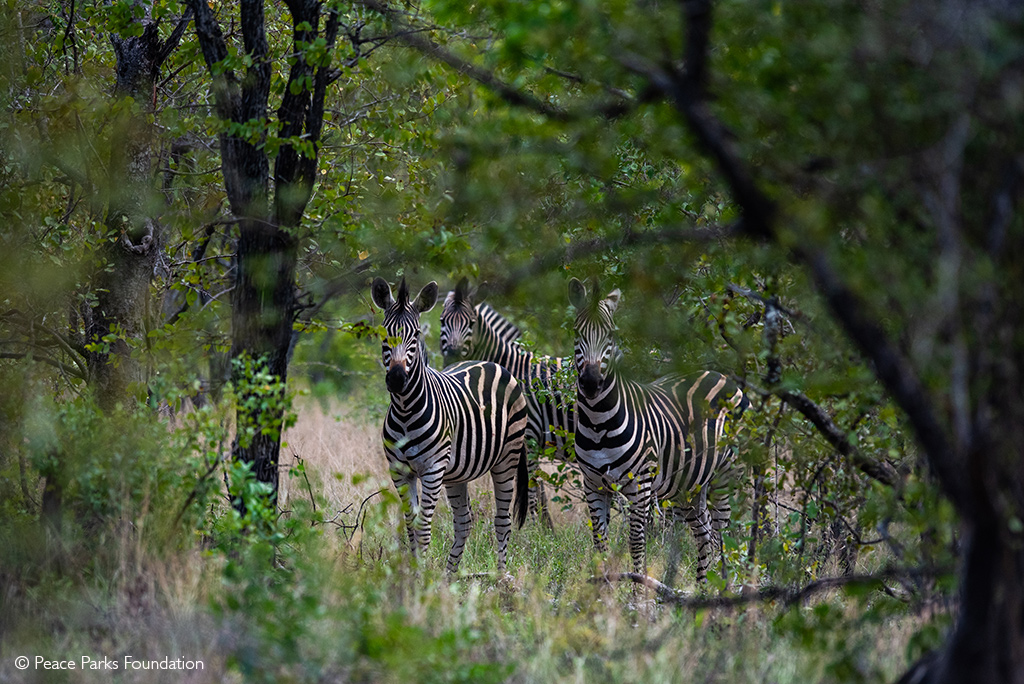
The park shares much of its biodiversity with Kruger and is home to iconic species, including elephants, buffalo, zebras, giraffes, and sable antelopes. Although sightings can be sporadic, especially of predators, listen at night for the haunting calls of hyenas and lions. In less frequented parks like this one, wildlife takes time to acclimatise to tourism, making each sighting that much more special.
Hippos and crocodiles inhabit the rivers, and conservation efforts continue to support endangered species, including African wild dogs and black rhinos.
Birders are in for a treat – over 500 bird species have been recorded. The rainy season, from November to April, is peak birding time, when migrants arrive, and many birds display their breeding colours – even if it clashes with optimal game-viewing months.
Look out for African fish eagles, lilac-breasted rollers, bateleurs, kori bustards, lappet-faced vultures, and saddle-billed storks. Listen for the distinctive call of the southern ground hornbill – a sound as evocative as the African bush itself.
Notable sightings might include African broadbills, eastern nicators, pink-throated twinspots, grey-rumped swallows, lemon-breasted canaries, African pygmy geese, and the elusive Pel’s fishing-owl.

Explore and stay in Limpopo NP
Planning ensures the best possible experience.
From May to August, dry winter days are cool and comfortable, with crisp nights around 10°C and pleasant days in the mid-20s – ideal for game drives. Summers (November to April) bring searing heat, humidity, and dramatic afternoon storms. Daytime temperatures often exceed 40°C, though the average sits in the low to mid-30s.
Accommodation options range from rustic campsites to comfortable chalets. Whether you’re seeking guided game drives or self-sufficient camping, there’s something for every type of explorer. Staying in nearby villages and taking day trips into the park is also an option.
The park’s accommodation includes four 4×4 campsites, an overlander site for camper vans, individual camping stands, and self-catering chalets.
Access is straightforward via road or air from Mozambique, South Africa, or Zimbabwe. The nearest airports are in Maputo (Mozambique), Hoedspruit (South Africa) and Mbombela (South Africa), with car hire and guided tour options readily available.
Entry gates – including Giriyondo, Pafuri, Massingir, and Mapai – operate year-round, with seasonal hours. Always check road and border conditions in advance and travel in a sturdy, well-equipped vehicle.
Limpopo National Park is not about instant gratification or ticking species off a list. It’s a place for those who savour stillness and seek meaning in the quiet return of wildlife. As the Greater Limpopo Transfrontier Park vision edges closer to reality, every visit here becomes more than just a safari – it becomes part of a continental conservation legacy.
 Want to explore more safari destinations in southern Africa? Browse our safari ideas here. Or tell us about your dream trip, and our travel experts will plan your safari.
Further reading
- Take a deep dive into the reserve that makes up one of Africa’s most iconic safari destinations: Greater Kruger, South Africa
- The iconic Kruger National Park is one of the world’s great conservation success stories and a popular safari destination to find the Big 5. Read more about Kruger National Park here
To comment on this story: Login (or sign up) to our app here - it's a troll-free safe place 🙂.