


A visual celebration of Greater Kruger

- The Greater Kruger functions as a single unfenced ecosystem with the Kruger National Park, shaped by seasonal change.
- “Kruger Safari”, the latest book by Gerald Hinde and William Taylor, documents wildlife behaviour through sustained observation across multiple years.
- Private reserves play a critical role in Greater Kruger’s conservation and ecological continuity.
- Predators, prey, and people together maintain balance within this protected landscape.
 Want to embark on your own African safari adventure in Greater Kruger? Check out these amazing safari ideas to Greater Kruger.
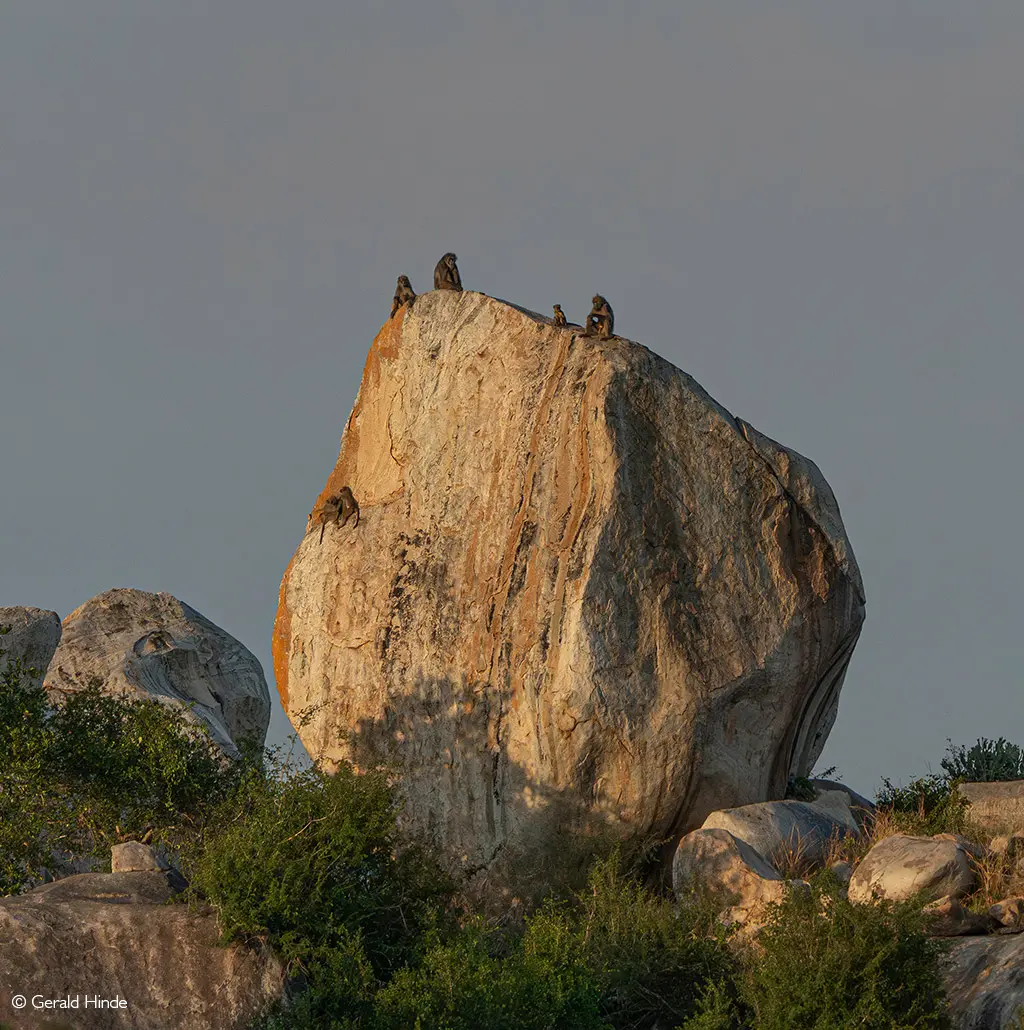
Greater Kruger is not defined by a single boundary or experience. It is a vast, unfenced landscape where Kruger National Park merges with a network of private reserves and concessions to the west, allowing wildlife to move freely across an intact ecological system. Its significance lies not only in the density of wildlife it supports, but in the continuity of processes that still play out largely as they have for centuries.
For wildlife photographer Gerald Hinde, understanding this landscape required time. Over three years, he committed to living and working within the private reserves of the Greater Kruger, observing the region across multiple seasons and annual cycles. That experience forms the foundation of the book Kruger Safari, created with author Will Taylor, but the heart of the work is the place itself.
The Greater Kruger ecosystem
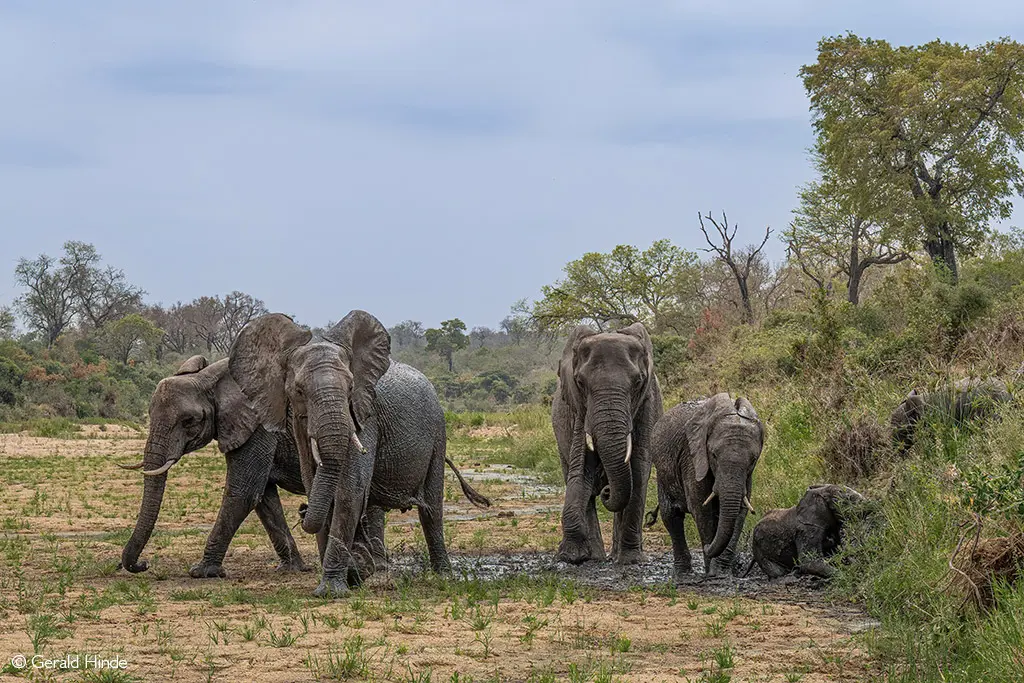
The Greater Kruger functions as a single ecological unit. Seasonal rainfall patterns drive movement, breeding, and survival, while open boundaries allow animals to respond naturally to changing conditions. This freedom of movement is essential to maintaining healthy predator-prey relationships, genetic diversity, and population balance.
Hinde’s time in the field was shaped by these rhythms.
“I realised that a typical research trip wouldn’t suffice,” says Hinde. To honestly write about the Kruger – its rhythms, its seasonal dramas, the sheer complexity of its ecosystems – I had to live it. I needed to witness the stark contrast between the parched winter landscape and the lush, vibrant chaos of the summer rains.”
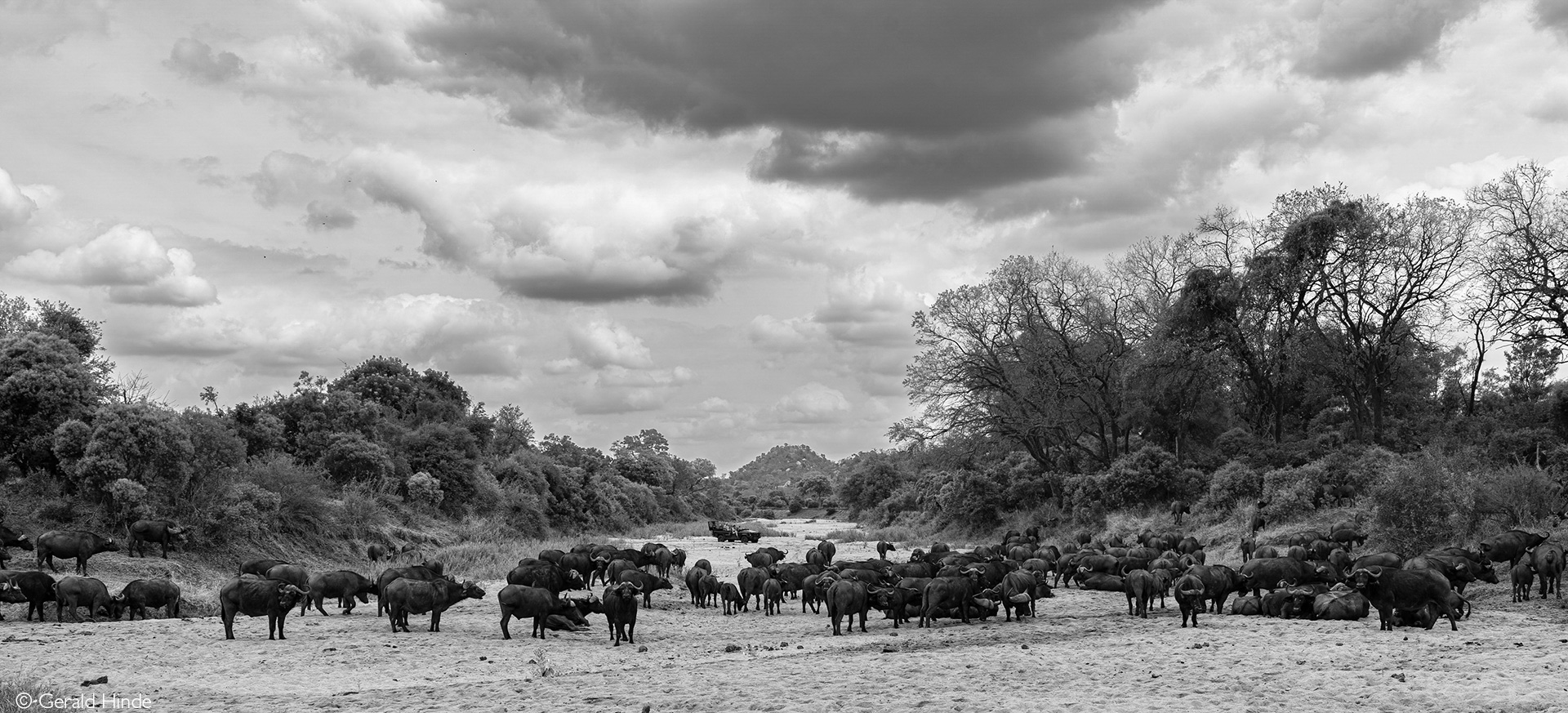
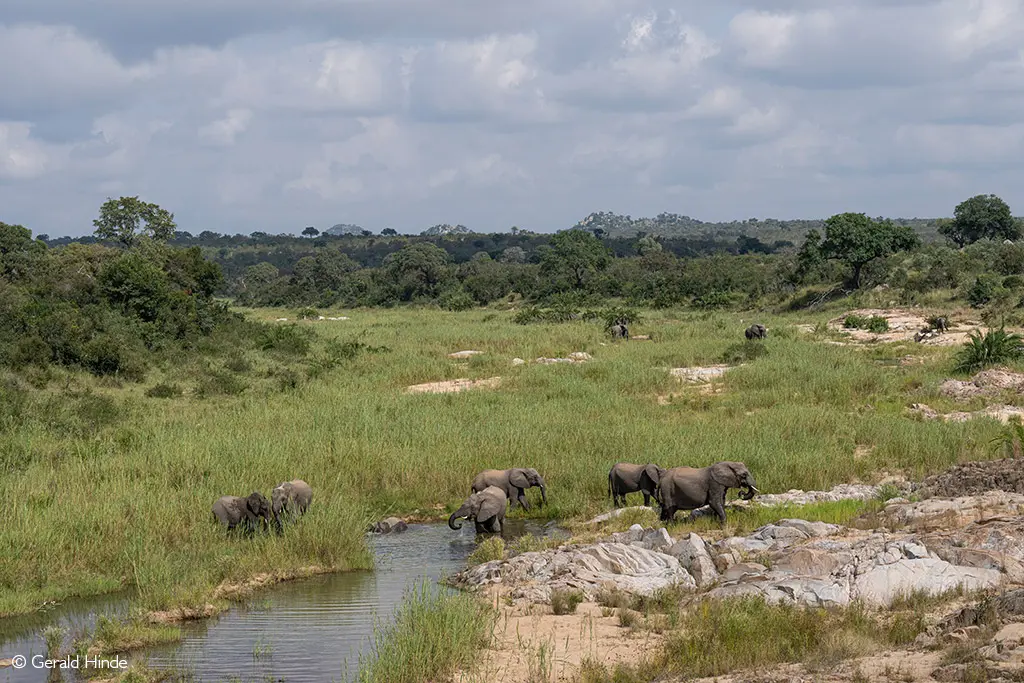
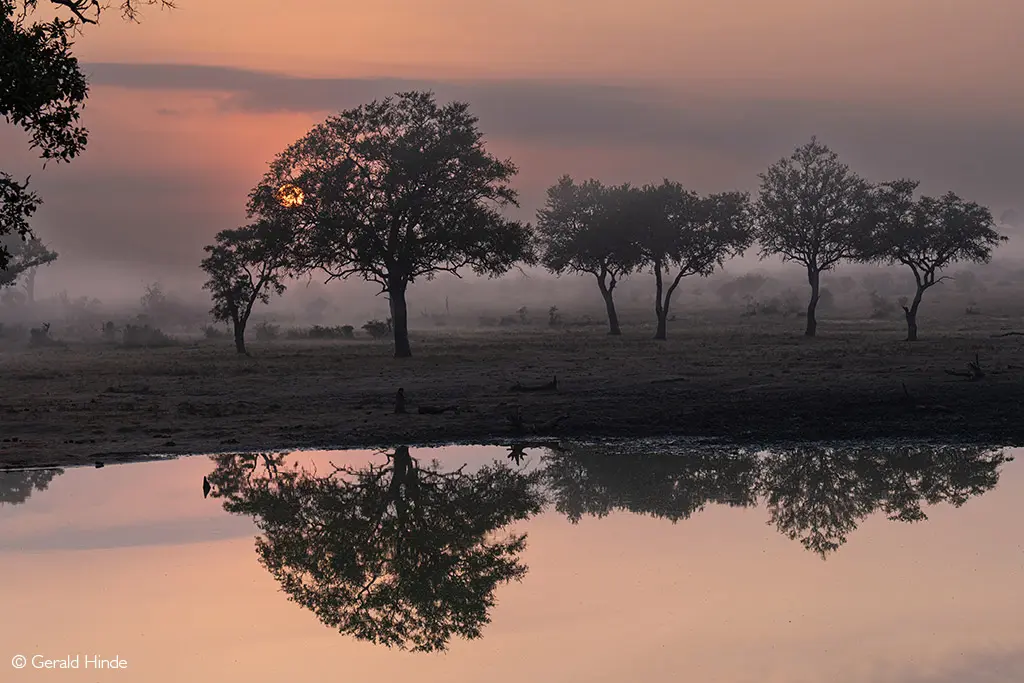
Hinde was eager to capture the full annual cycle of Greater Kruger. During the dry winter months, water becomes scarce and wildlife concentrates along permanent rivers. Elephant and buffalo herds gather in large numbers, and predators take advantage of predictable movement. These conditions reveal social structures, hierarchies, and long-term behavioural patterns.
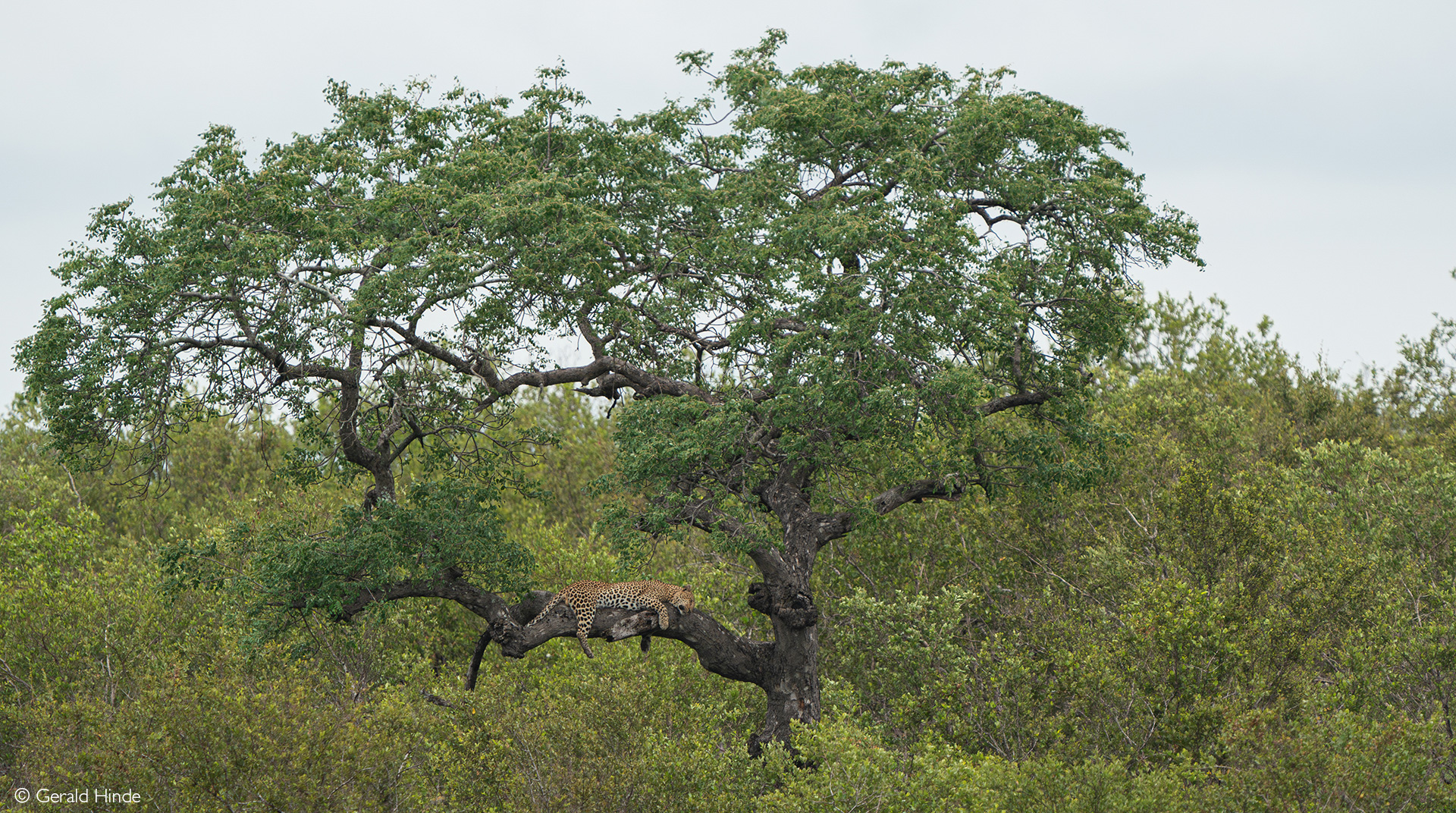
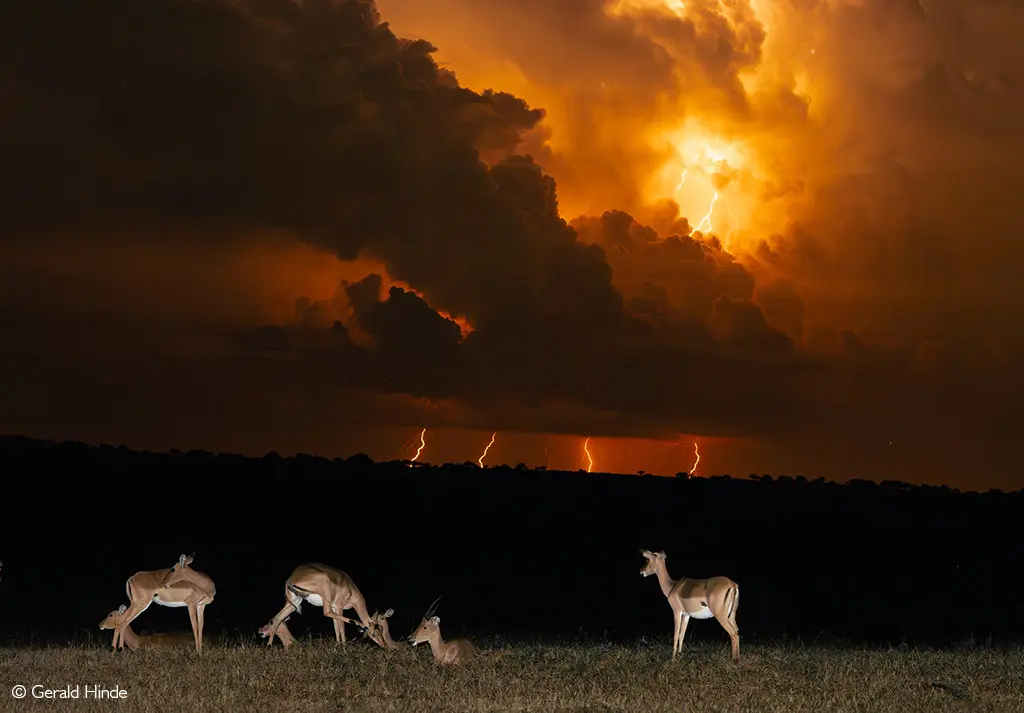
With the arrival of the summer rains, the landscape shifts dramatically. Vegetation thickens, visibility decreases, and the bush fills with birdlife and newborn antelope. Predators must adapt to new hunting conditions, and survival depends as much on concealment as strength. Experiencing both extremes was central to Hinde’s understanding of how the Greater Kruger functions as a system rather than a series of wildlife encounters.
Kruger private reserves and shared responsibility
The private reserves bordering Kruger National Park are integral to this system. Operating under shared conservation agreements, they have removed fences between properties and the national park, ensuring continuity of habitat. These reserves contribute significantly to conservation funding, research, and anti-poaching operations, while also carrying the responsibility of balancing tourism with ecological integrity.
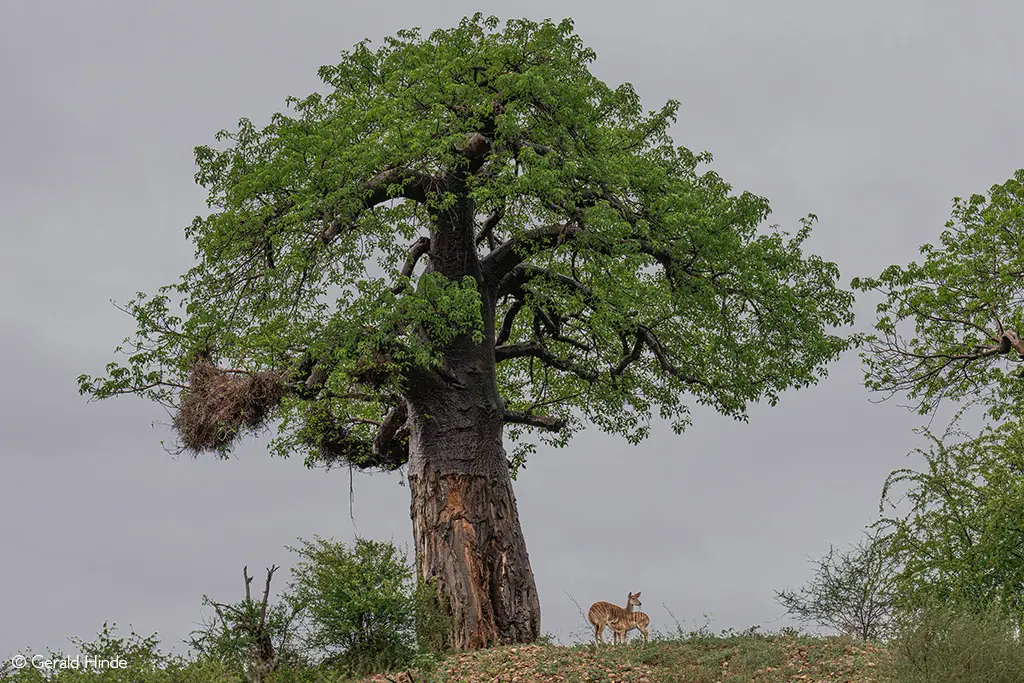
Through extended time spent within these areas, Hinde observed how land management decisions influence wildlife movement and habitat quality. The history of each reserve – how it was established, managed, and integrated into the Greater Kruger – provides essential context for understanding the present landscape. Conservation here is not abstract; it is the result of deliberate, long-term planning.
Kruger predators as indicators of balance
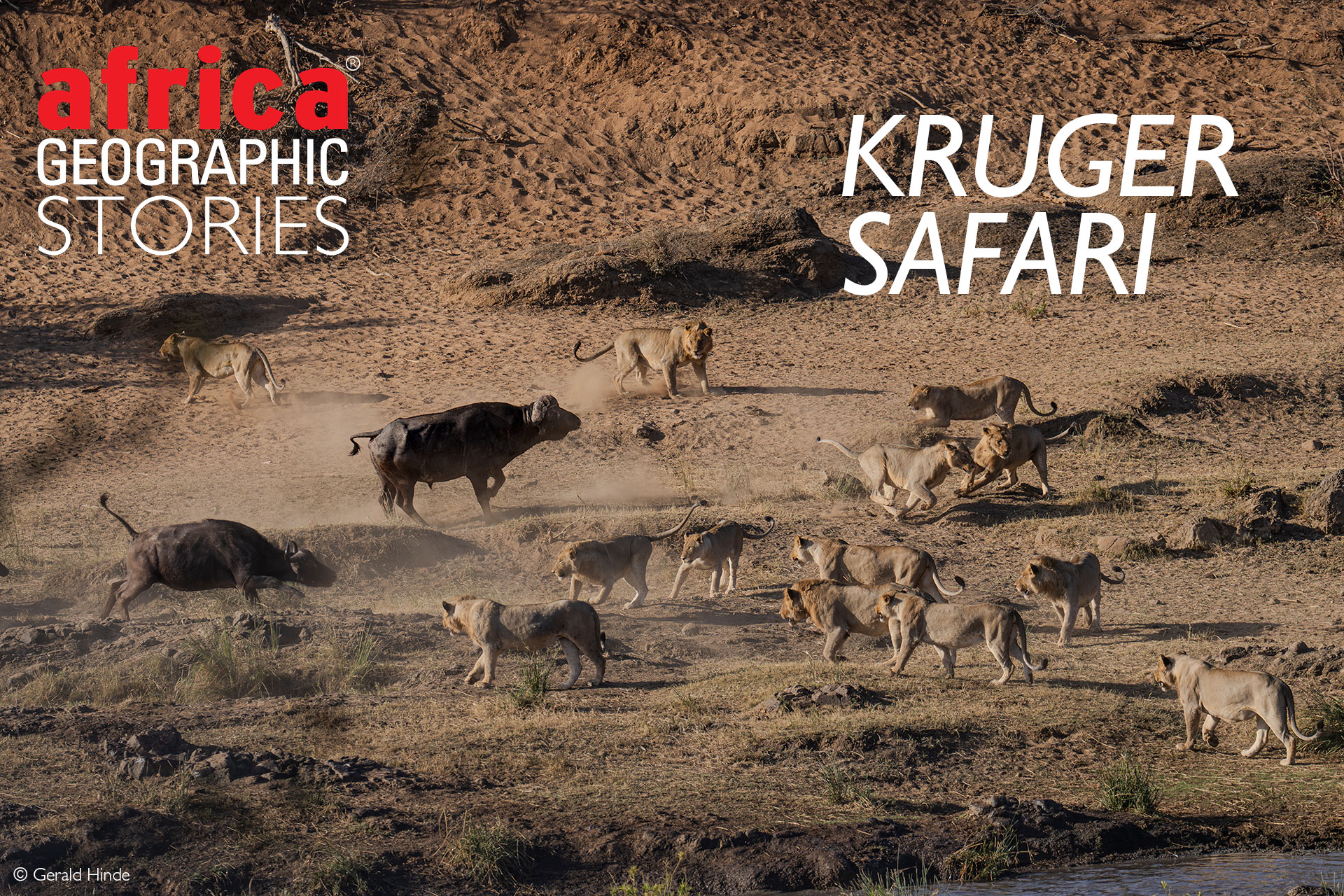
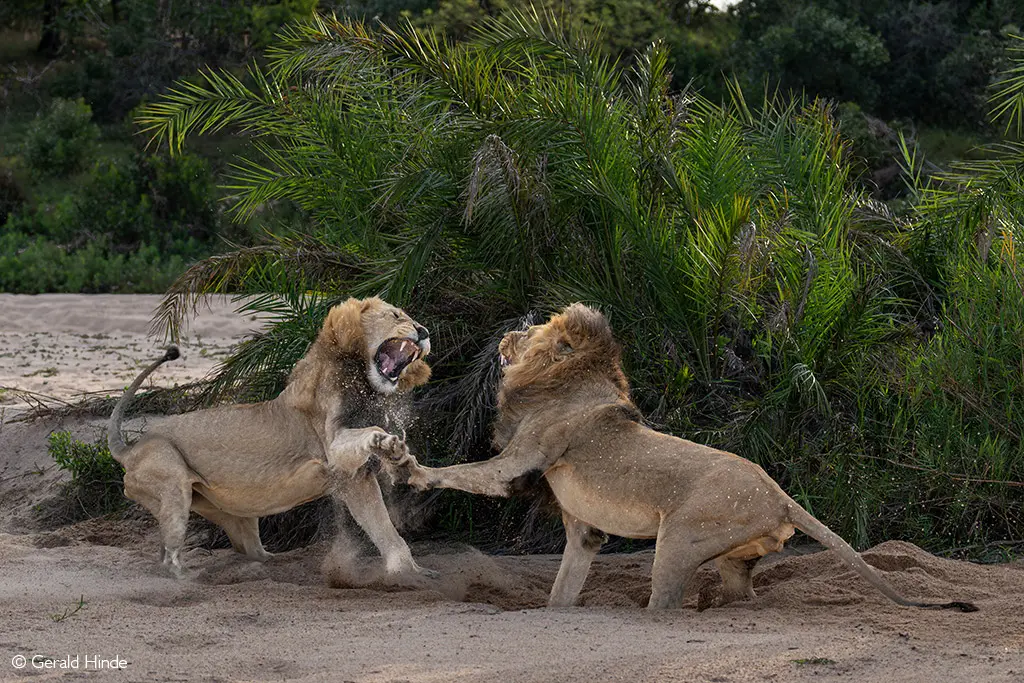
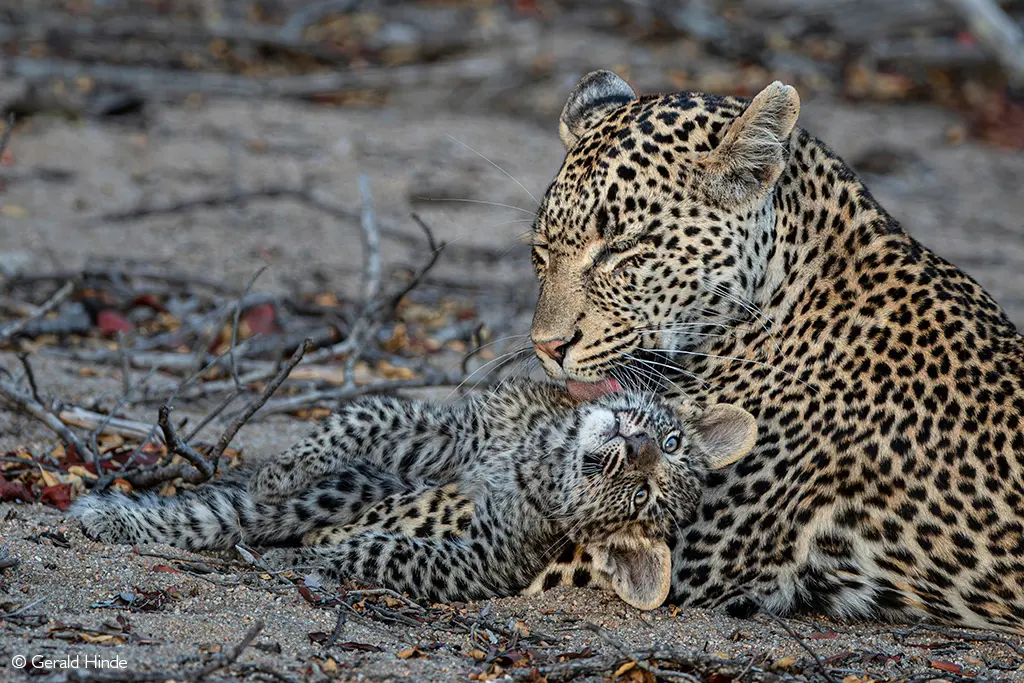
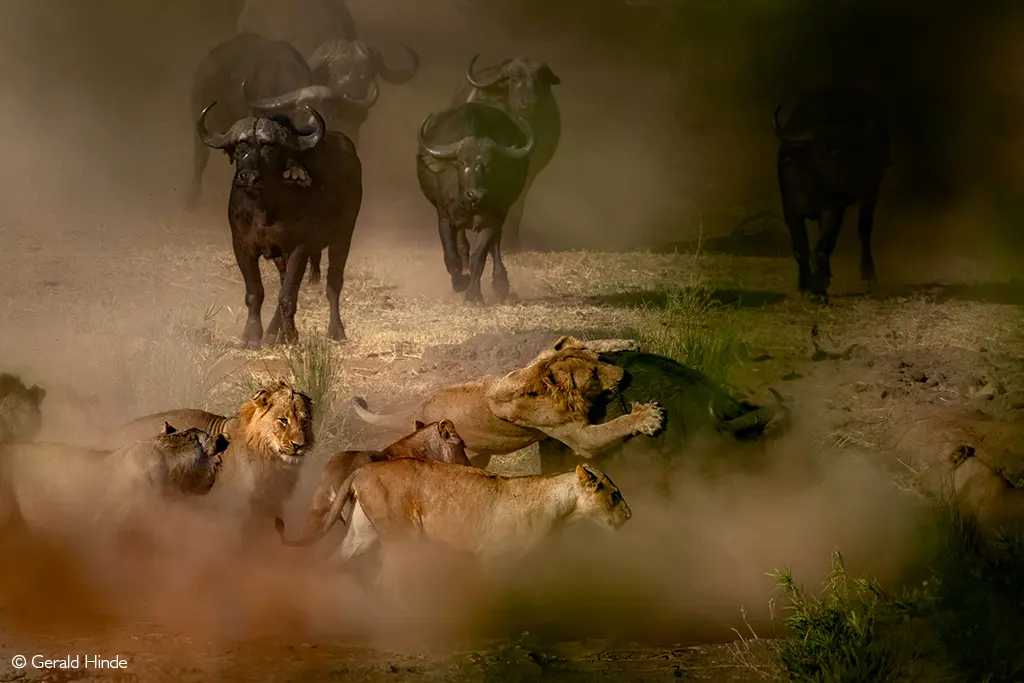
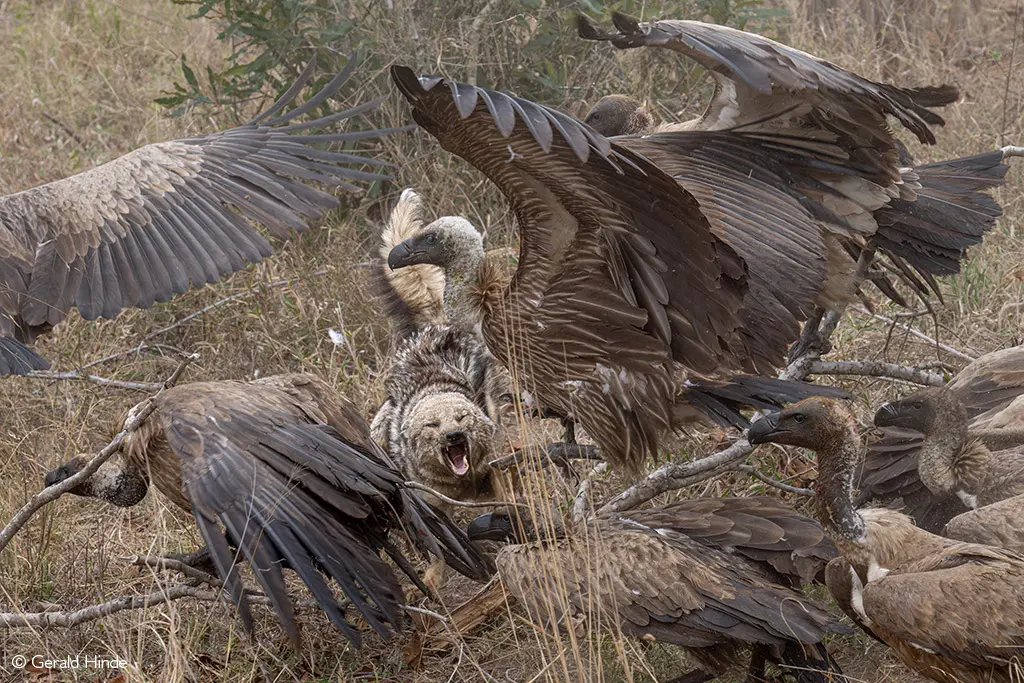
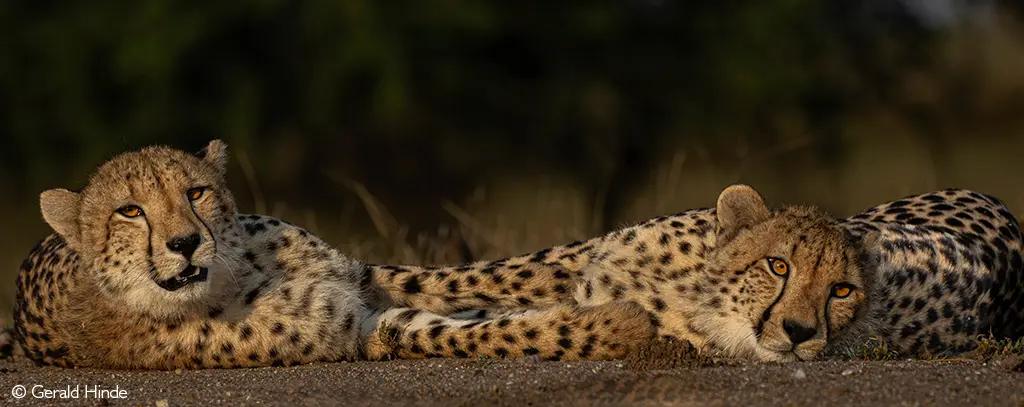
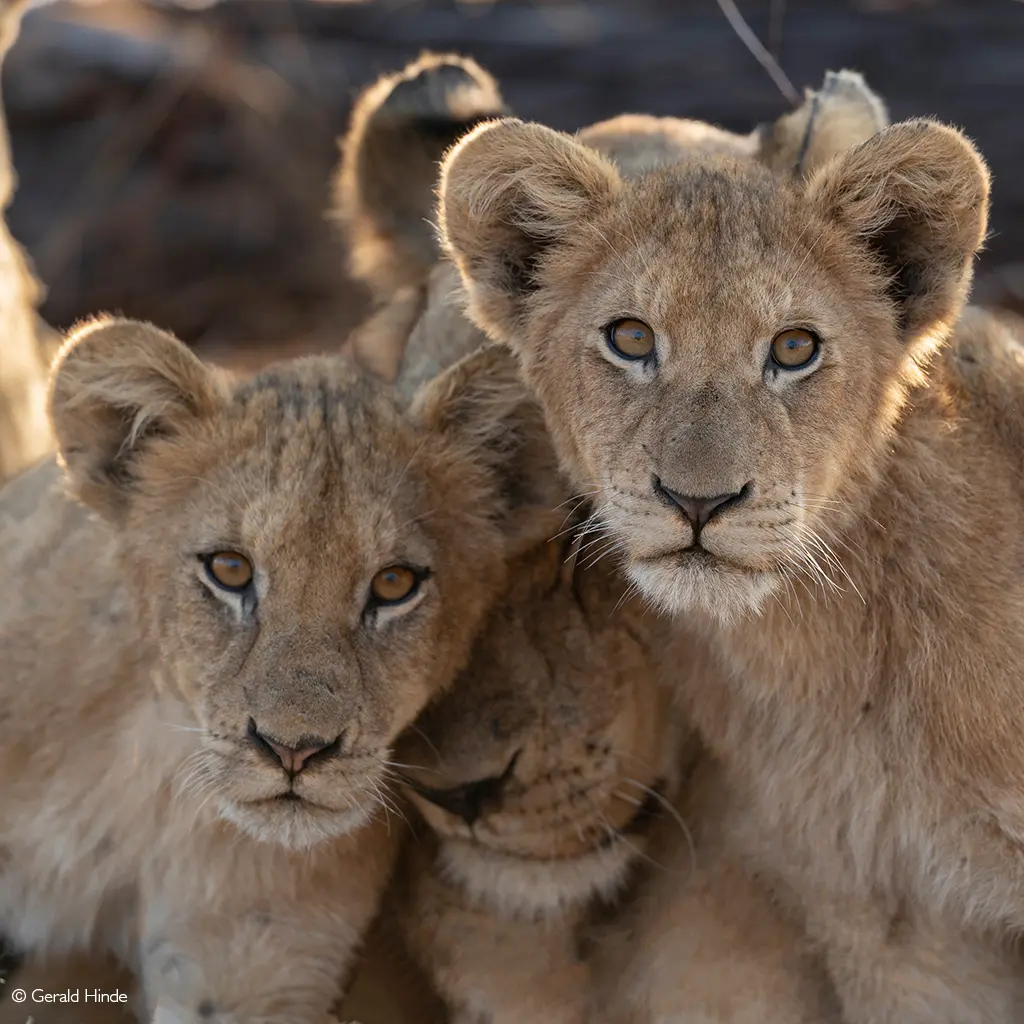
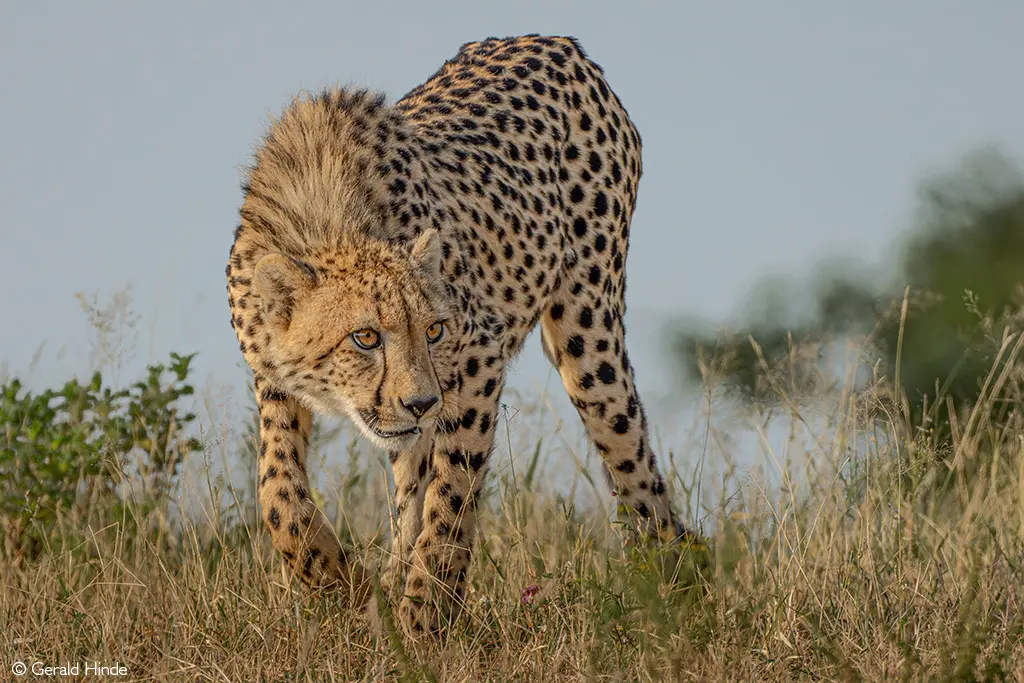
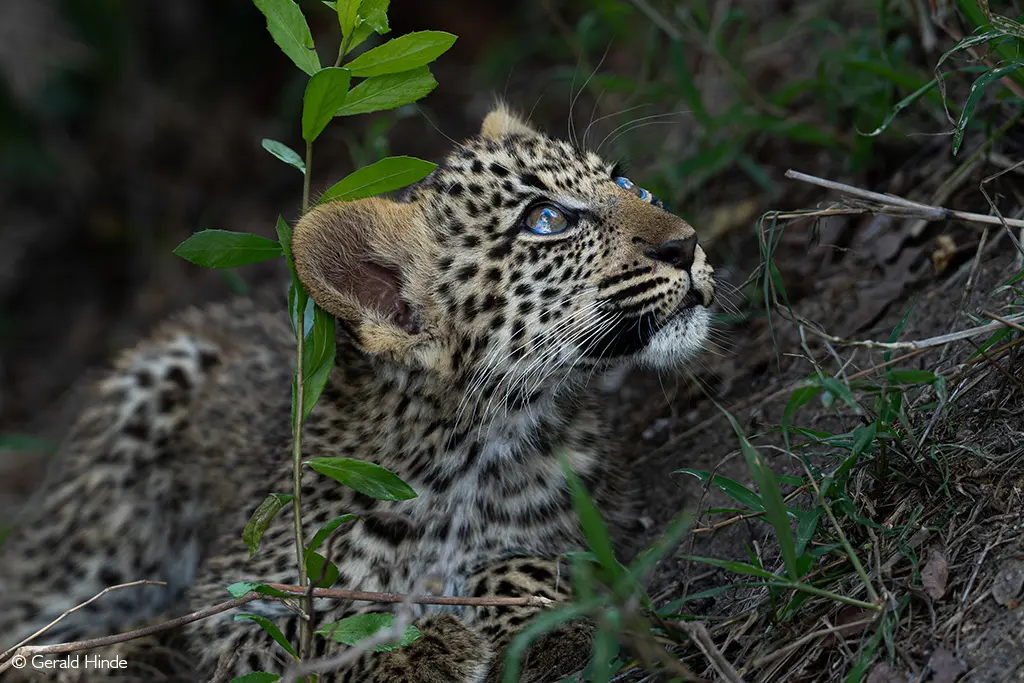
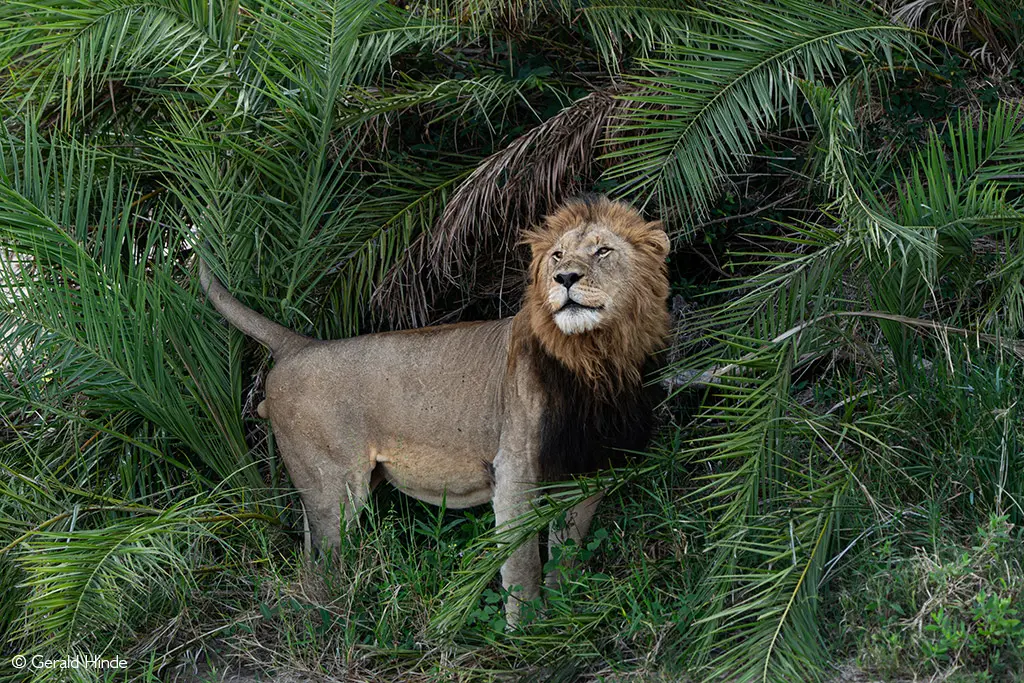
Predators play a defining role in the Greater Kruger, and Hinde’s observations of their behaviour form a key part of his narrative. Leopards, lions, and other apex predators are indicators of ecosystem health. Their hunting success, territorial stability, and interactions with prey reflect broader environmental conditions.
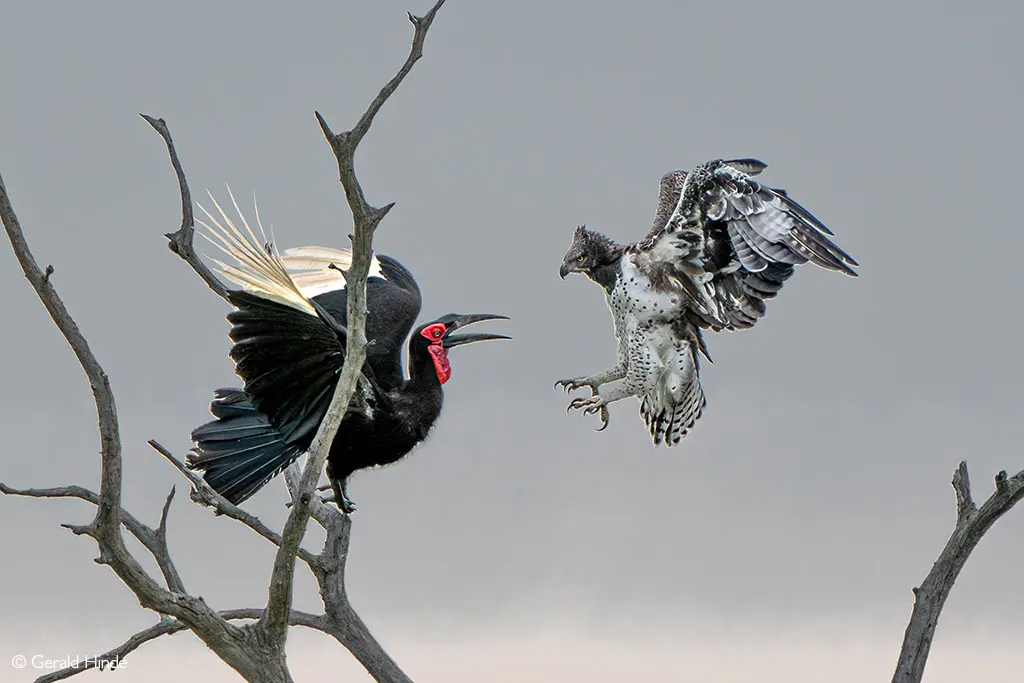
Rather than isolating dramatic moments, Hinde’s work places predator-prey interactions within a wider ecological framework. Extended observation reveals patterns shaped by season, terrain, and prey availability. These relationships regulate populations and influence how energy moves through the system, reinforcing the importance of intact landscapes.
The people behind protection
Conservation in the Greater Kruger depends on people as much as wildlife. Rangers and anti-poaching units are a constant presence, working daily to protect animals and habitat from illegal exploitation.
“Gathering material wasn’t solely about the Big Five,” says Hinde. A huge part of the narrative is built on the custodians of this land. I was privileged to spend significant time with rangers and Anti-Poaching Units.”
Spending time with these custodians provided Hinde with a grounded perspective on the pressures facing the region and the effort required to maintain its integrity. Their work highlights the reality that Greater Kruger is not a wilderness untouched by human influence, but a protected landscape sustained through vigilance, cooperation, and long-term commitment.

A record shaped by immersion
Kruger Safari emerged from this prolonged engagement with the Greater Kruger. Rather than attempting to define the region, it reflects what becomes visible when observation is repeated across seasons and years. The resulting narrative and imagery are shaped by patience and familiarity, allowing complexity to surface without simplification.
For readers interested in African wildlife, conservation, and the functioning of large, unfenced ecosystems, the story Gerald Hinde tells is ultimately about attention and continuity. The Greater Kruger reveals its depth slowly, to those willing to stay long enough to see how its many parts remain connected.
In documenting this landscape over time, Hinde offers not a summary of the Greater Kruger but a lived account of why it continues to matter.
Further reading
- Experience the Greater Kruger: Take a deep dive into the reserve that makes up one of Africa’s most iconic safari destinations: Greater Kruger, South Africa
- The Greater Kruger area in South Africa is home to the legendary Big Five and a breathtaking diversity of landscapes, giving discerning travellers an authentic and exclusive safari experience. Read more Greater Kruger safaris, and plan your safari here
- A Greater Kruger walking safari in Big 5 country is the best way to unplug and get back to basics. Simon Espley, Africa Geographic CEO, shares his experience
- The Big Five – lions, leopards, elephants, buffaloes and rhinos – are Africa’s movers and shakers. They are either apex predators or important landscape engineers, and their mere presence ensures that our wild spaces remain so. Read more about seeing the Big 5 on safari here
About Gerald Hinde and Kruger Safari
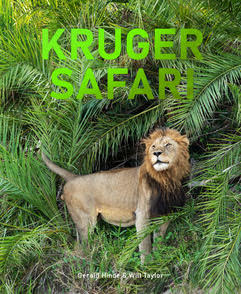 Gerald Hinde’s photographic journey is rooted in a lifelong passion for wildlife. Educated at King Edward School in Johannesburg, he spent nearly three decades in the family motor business, serving as managing director before the company’s sale in 1989. That same year, he turned fully to wildlife photography, publishing his first book and launching a prolific creative career. Since then, Gerald has produced numerous acclaimed wildlife books and documentaries, earned major accolades and photography awards, and been widely published internationally. His work combines artistry with a deep commitment to conservation.
Kruger Safari, a beautifully produced coffee-table book, takes readers inside the private game reserves and concessions of Greater Kruger through Gerald’s lens, as well as through the words of Will Taylor. Combining exceptional wildlife photography with intimate, hard-won stories, it explores predator behaviour, rare encounters, reserve histories and the balance between conservation and luxury tourism.
How to get it: Kruger Safari is available through selected bookstores and online retailers specialising in wildlife, photography and African travel publications. Read more about the book here.
To comment on this story: Login (or sign up) to our app here - it's a troll-free safe place 🙂.