


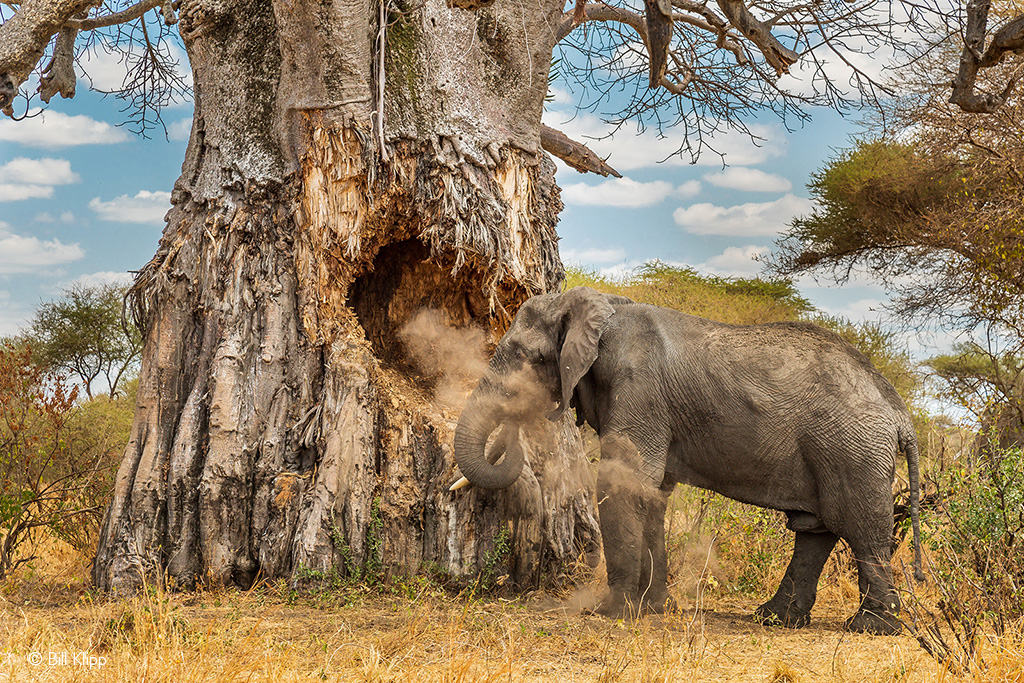
Photographer of the Year 2021 entry
This is a copy of our weekly email newsletter. Subscribe here to receive the newsletter.
Another Botswana tusker hunted + wild Nsumbu, Lake Tanganyika + 2 idyllic bush & beach safaris.
They will not stop targeting Africa’s free-roaming icons till every trophy has been surgically removed and hangs on a wall somewhere as a silent testimony to warped values, greed and ego. Our newsbreak below refers.
The trophy hunting industry targeting free-roaming wildlife is rotten to the core; the operators who do care about genuine sustainability (yes, they do exist, despite their mute status on issues like this) are swamped by the rest. They know that, and we know that. This outdated industry continues to suck away Africa’s biodiversity despite rapidly reducing free-roaming genetic stocks because enough individuals are sufficiently incentivised to keep the machine rolling and because the marketing machine is slick and aggressive. Cue the social media attacks. The end will come when all worthwhile individuals have been extracted. To better understand my view on hunting including and beyond free-roaming trophies, click here.
Meanwhile, my team and I continue bringing these atrocities to the world’s attention in the hope that the tide turns before we reach ground zero. We can do this, we can drive trophy hunting off the map by outcompeting them.
Know that every safari you enjoy with us supports our conservation media efforts, in addition to our donations to projects that make a tangible difference at ground level here in Africa. Thank you, and Safari njema, good people!
As I write this, a gang of red-headed weavers is smashing the fresh pollen buds of a flowering knob-thorn tree about 30 meters away – a wonderful spectacle indeed 🙂

Simon Espley – CEO, Africa Geographic
From our Editor – Taryn van Jaarsveld
In the extreme conditions of the bushveld, where South Africa borders Botswana, and frosty cold mornings meet blazing hot afternoons, helmeted guineafowl have shown us that survival is all about clever adaptation.
After a year-long study from Madikwe, researchers have found that guineafowls have developed their own way of handling the heat (and the chill). While some animals huddle for warmth or sprint for shade, guineafowls puff up like feathered pom-poms when it’s cold, stretch tall and catch the breeze when it’s hot, catch morning sunrays to heat up, and gather in noisy flocks not for warmth, but to find food and keep an eye out for predators. No drama, just smart daily moves that help them ride out nature’s wild mood swings. And as our climate throws more curveballs, it’s clear: being flexible, having options, and knowing when to sunbathe might just be the secrets to survival.
This week, we bring you a guide to Zambia’s remote Nsumbu NP, a wildlife-rich wilderness on the shores of Lake Tanganyika. Plus, we report on yet another shocking super tusker trophy hunt. See these stories below.

Did you know? Your African safari choice makes a difference

We donate a portion of the revenue from every safari sold to carefully selected conservation projects that make a significant difference at ground level. YOUR African safari choice does make a difference – thank you!
Story 1
Story 2
Discover Nsumbu NP – a remote Zambian wilderness on the shores of Lake Tanganyika, where wildlife thrives
 TRAVEL DESK:
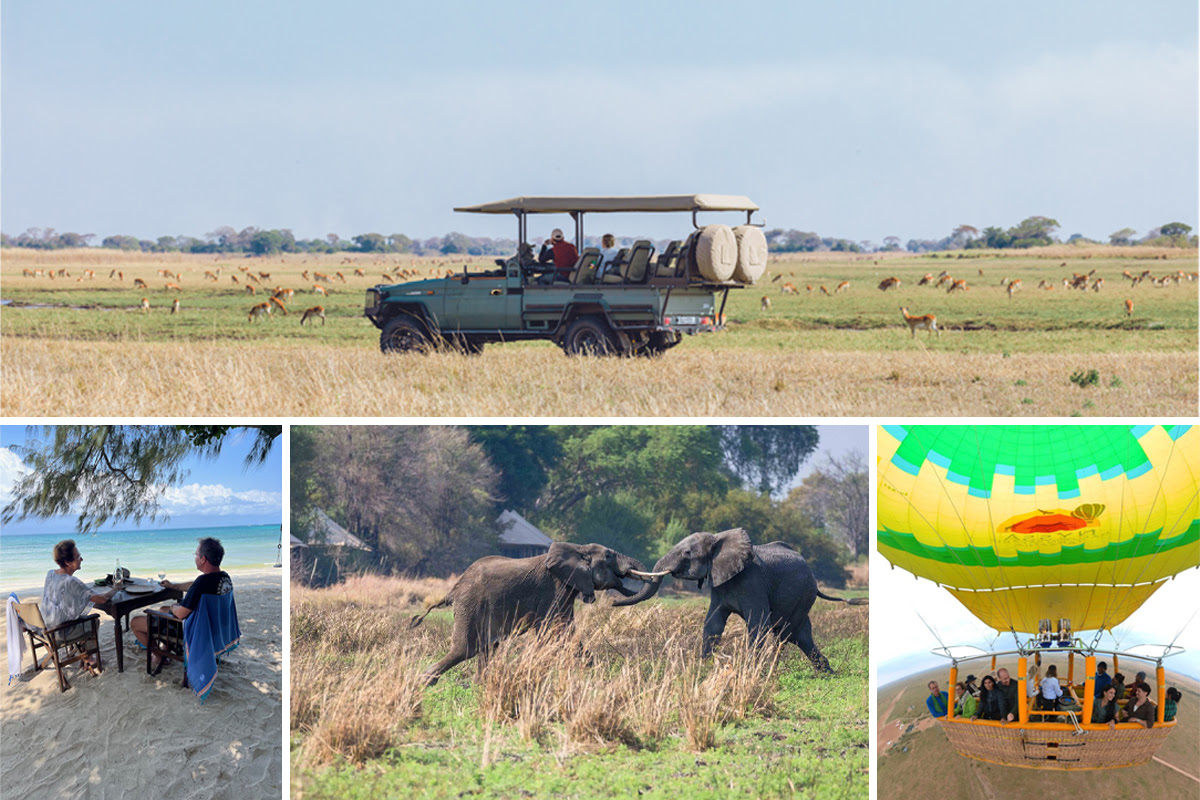
2 SAFARI IDEAS
OUR SAFARI GUESTS SAY…
Here’s what our travellers have to say about their epic family adventures through Africa:
“AG recently arranged a trip for my two adult kids and myself to Kafue NP and Busanga Plains in Zambia. We stayed in the Musekese and Ntemwa-Busanga Camps. Our trip was a delight in all aspects. The local charter flights were very good, and ground arrangements flawless. Both camps are beautifully sited, comfortable and very well run. All staff are so friendly and our two guides excellent. A bonus was the quality of the food. Liuwa Plain is our next objective!” – Peter, South Africa
“AG safari expert Benjamin was particularly attentive on email and helped sort a few of our issues quite quickly. Friendly and co-operative. Our guides in Tanzania and Kenya were super knowledgeable and attentive. Highlights were the hot air balloon experience and bush breakfast, and seeing lions and elephants up close. More highlights were the Sheldrick Wildlife Trust visit, our giraffe experience, Diani Beach and spending time with the Tanzanians and Kenyans.” – Jill, Australia
 WATCH:
She’s the last of her kind – elusive, solitary, and deeply stressed by human contact. SANParks and top ecologists are working on a sensitive, long-term plan for the lone Knysna elephant. Jeff Ayliffe joins the team in the forest to uncover her story. (04:42) Click here to watch
For more videos celebrating Africa, check out our videos here
To comment on this story: Login (or sign up) to our app here - it's a troll-free safe place 🙂.