



8 iconic waterways

- Discover eight of Africa’s most iconic safari rivers, home to the continent’s greatest wildlife spectacles and legendary destinations for river safaris.
- Follow the waterways that define the classic African safari, from the Great Migration on the Mara to the Okavango Delta and Victoria Falls.
- Explore world-famous national parks, private reserves and wilderness areas shaped by Africa’s greatest rivers.
- Experience Africa’s signature river safaris, including game drives, boat cruises, mokoro excursions, canoe safaris and guided walks.
- This is Part 1 of our two-part series, celebrating the classic river safaris that belong on every Africa travel bucket list.
 Want to experience these African river safaris? Let us plan your handcrafted, unique luxury safari. We also have ready-made safaris to choose from.
Every great safari begins with water.
Long before the first lion is spotted or the first elephant emerges from the bush, rivers have already shaped the landscape. They carve valleys, nourish forests, sustain floodplains and determine where wildlife gathers. Across Africa, they influence the rhythms of migration, breeding and survival, drawing animals to their banks through seasons of abundance and drought alike.
Some rivers have become synonymous with Africa itself. They host the Great Migration, plunge over the world’s largest waterfalls, disappear into inland deltas or sustain wildlife concentrations found nowhere else on Earth. They are the classic safari rivers – destinations that have inspired generations of travellers and continue to define the African safari experience.
This is the first in our two-part series exploring Africa’s greatest safari rivers. Here, we follow the continent’s iconic waterways – the rivers that belong on every safari lover’s wish list. In Part 2, we’ll venture beyond the classics to discover Africa’s lesser-known safari rivers, where remote wilderness, fewer visitors and extraordinary wildlife await.
Mara River – The river of decision
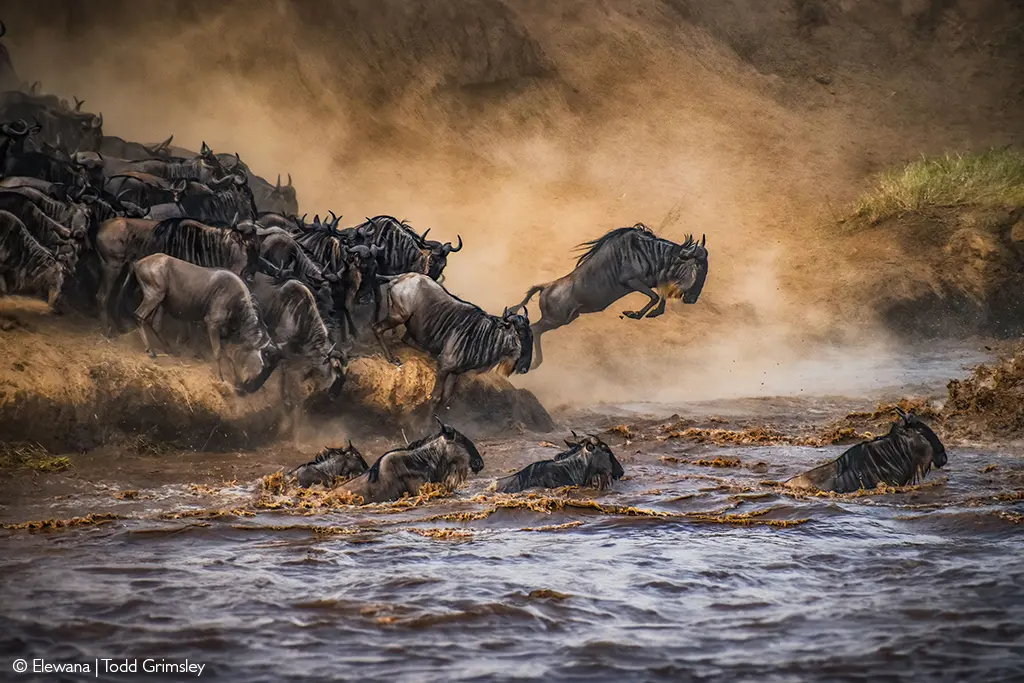
Few wildlife spectacles compare with the Great Migration. Every year, more than a million wildebeest, accompanied by hundreds of thousands of zebras and gazelles, move through the Serengeti–Mara ecosystem in search of grazing and water. The Mara River is one of the migration’s greatest obstacles, and its crossings have become one of nature’s defining dramas – placing this river as one of our top destinations for river safaris.
The river itself is relatively modest, but its steep banks, strong currents and large Nile crocodiles turn every crossing into a spectacle. Herds may gather for hours before a single wildebeest commits. Within seconds, thousands may follow. Dust, water and chaos meet in a display that no photograph fully captures.
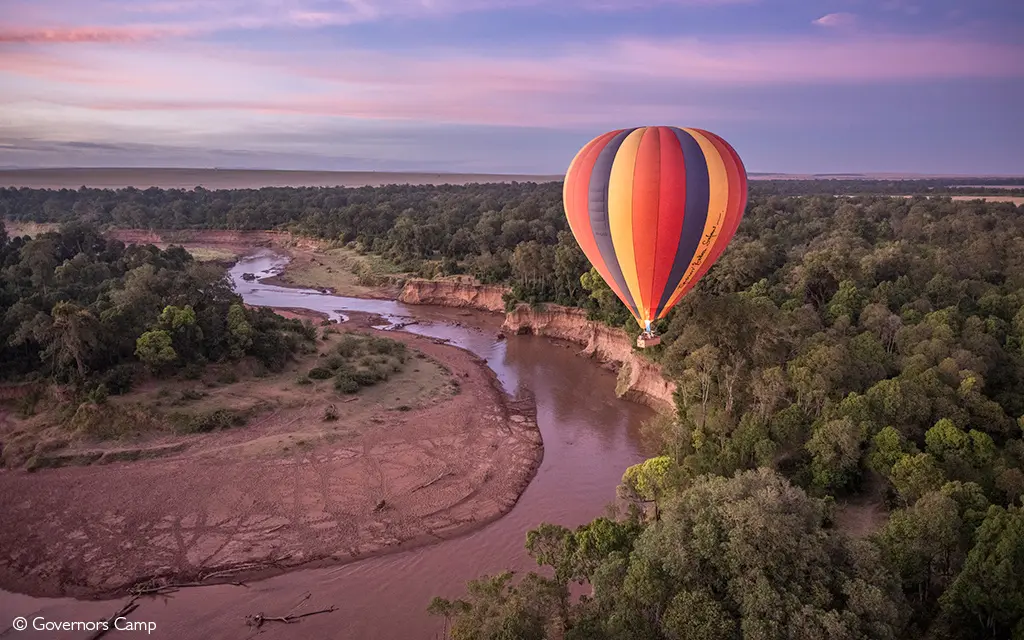
River-crossing opportunities are found in Kenya’s Maasai Mara National Reserve and Tanzania’s northern Serengeti National Park, generally between July and mid-October. However, the timing and location of crossings vary from year to year with rainfall and herd movements, and sightings cannot be guaranteed. Mobile camps that follow the migration offer flexibility, while permanent camps near established crossing areas reward patient wildlife viewing. Sunrise hot-air balloon flights provide another perspective on the scale of the Serengeti–Mara ecosystem.
Zambezi River – A river of contrasts
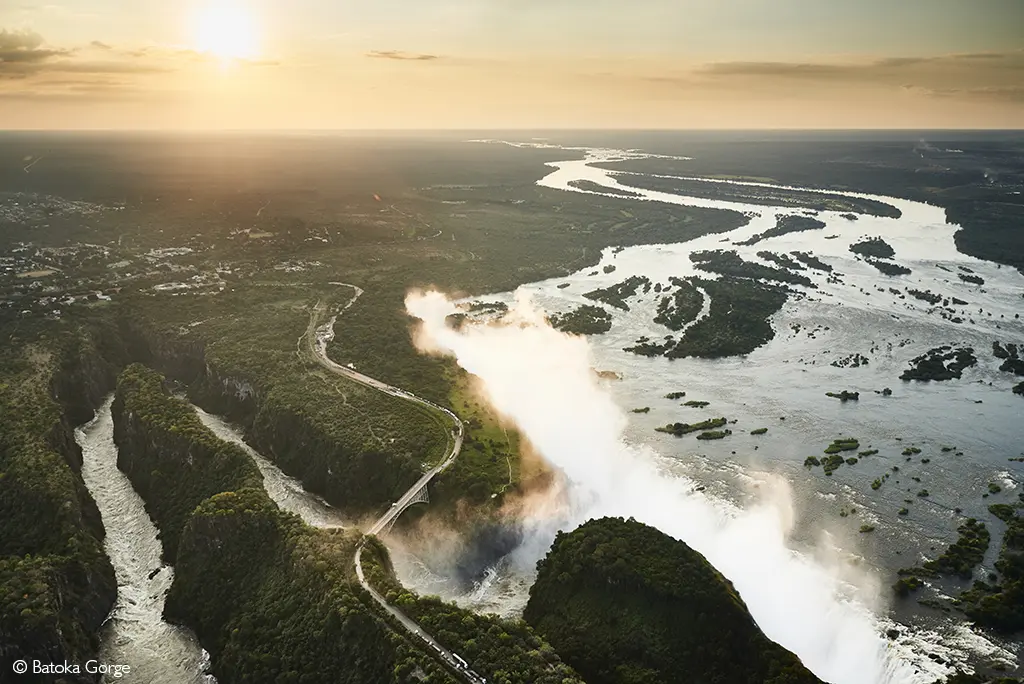
Few rivers transform as dramatically as the Zambezi. At Victoria Falls, it plunges over a basalt edge into a series of gorges, creating one of the world’s largest curtains of falling water when the river is in full flow. Spray rises high above the gorge and sustains a narrow strip of rainforest along the falls.
Travellers come for the spectacle as much as for the surrounding activities, whether white-water rafting through the Batoka Gorge when conditions permit, taking a helicopter flight above the falls, or following rainforest paths to viewpoints along the cataract. The Zambezi is the grand old dame of river safaris, offering an elegant and classic safari experience.
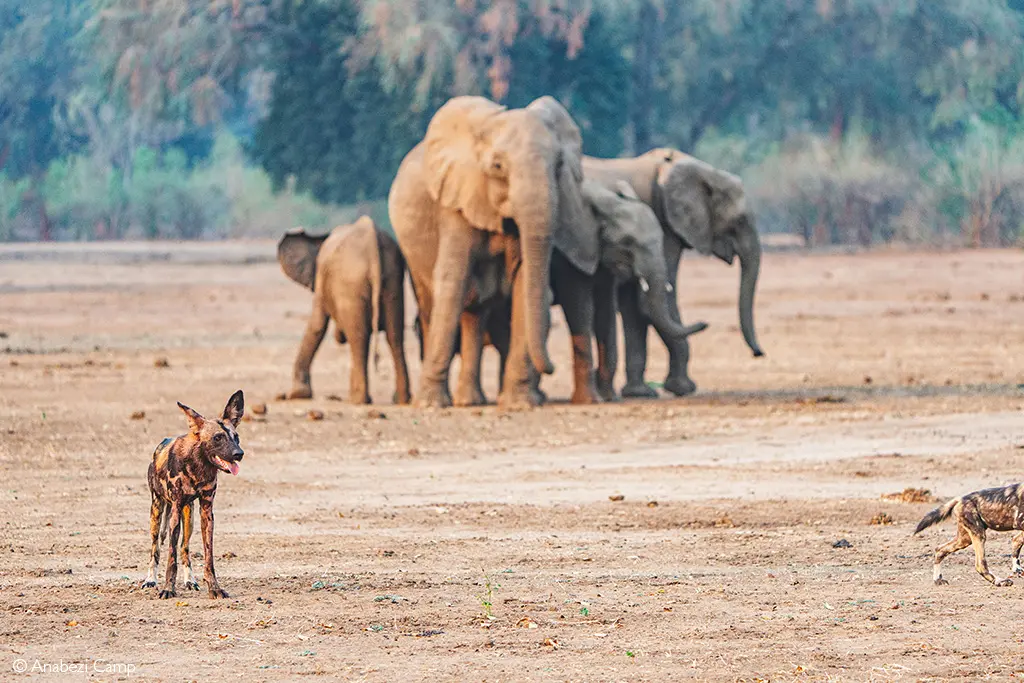
Farther downstream, the Zambezi broadens and slows along Zambia’s Lower Zambezi National Park and Zimbabwe’s Mana Pools National Park. Channels, islands and wooded floodplains create one of Africa’s most atmospheric safari landscapes. Canoe safaris pass elephants, hippos and crocodiles, while guided walks reveal wildlife from ground level.
Victoria Falls can be easily combined with the Lower Zambezi, although reaching Mana Pools generally requires different flight or road arrangements. Together, these destinations reveal both the power and tranquillity of one of Africa’s great rivers.
Chobe River – Where elephants gather
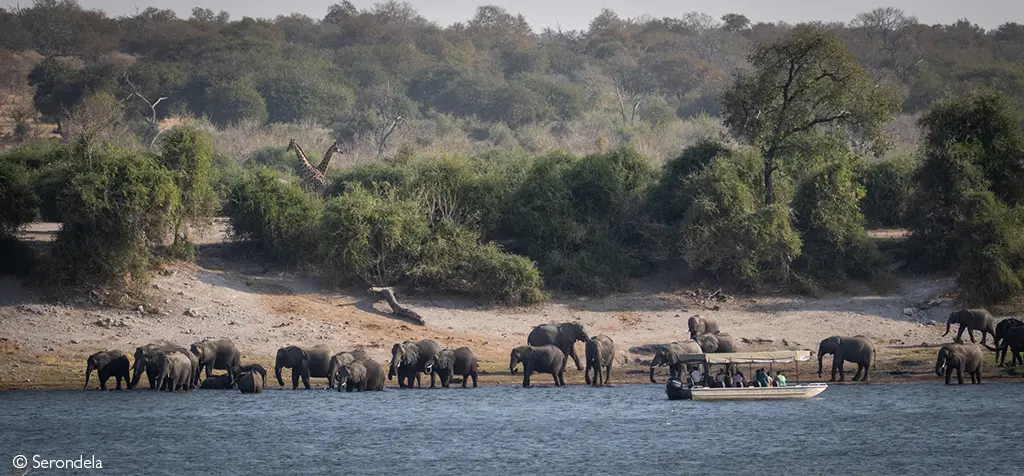
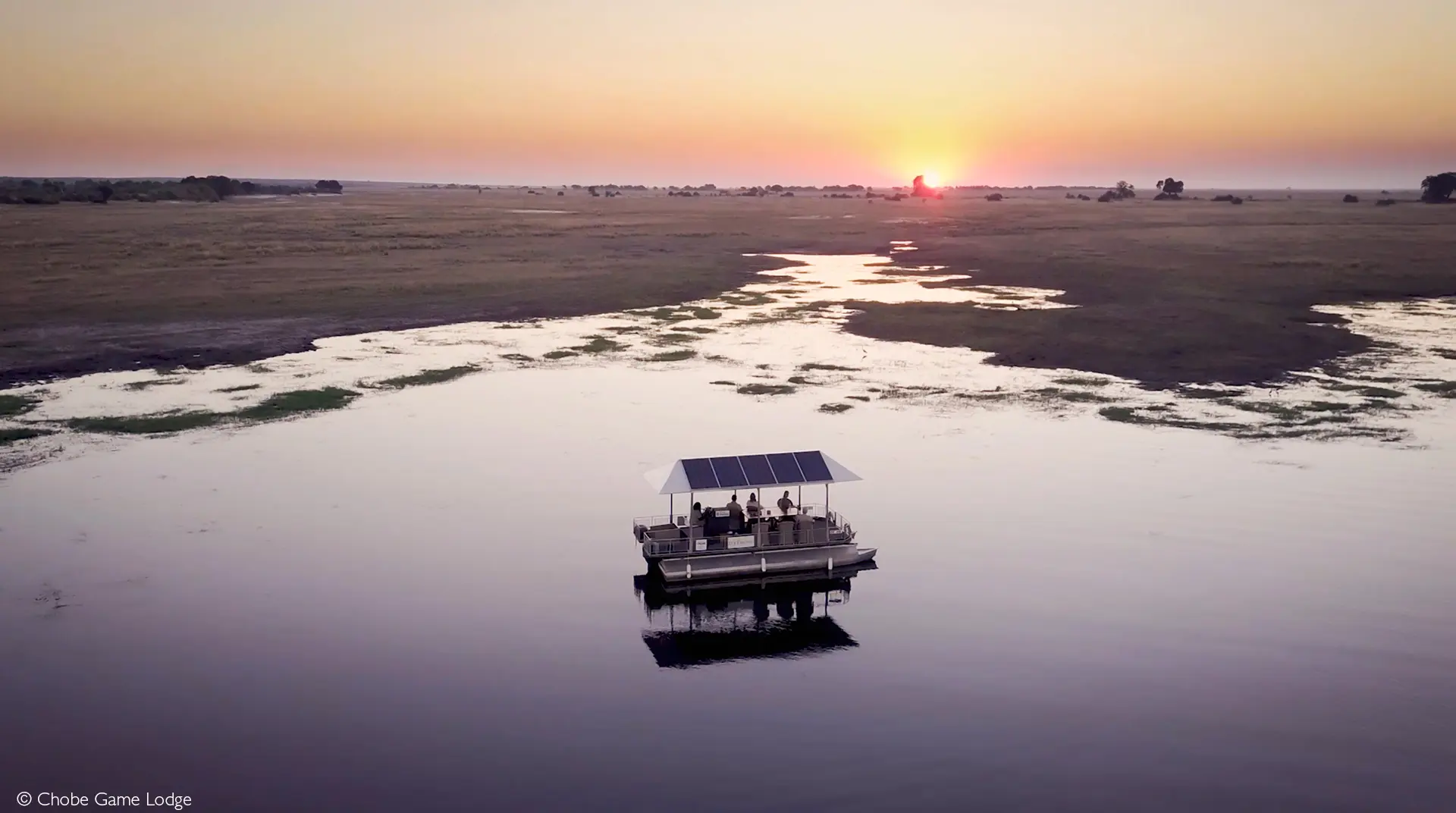
The Chobe River becomes an essential source of water during Botswana’s dry season. As surrounding pans and seasonal water sources diminish, wildlife converges on the river in remarkable numbers, particularly elephants. Family groups arrive throughout the afternoon, crossing channels, swimming between islands and coating themselves in mud before returning to the woodlands.
The Chobe Riverfront offers the best in river safaris, and particularly rewarding wildlife viewing during the dry months, usually from May to October. The river is best experienced through a combination of boat cruises and game drives. Afternoon cruises place visitors close to drinking elephants, buffalo, hippos, crocodiles and abundant waterbirds, while drives explore the floodplains and surrounding woodland in search of predators and plains game.
Chobe also combines easily with nearby Victoria Falls, creating one of southern Africa’s most accessible safari pairings.
Okavango Delta – The river that never reaches the sea
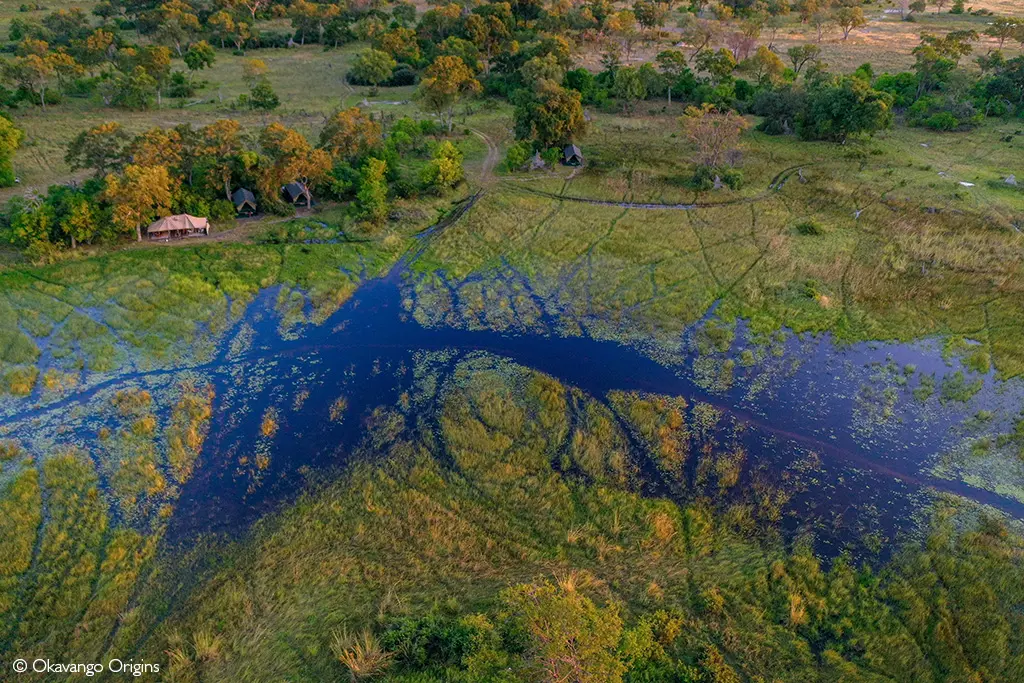
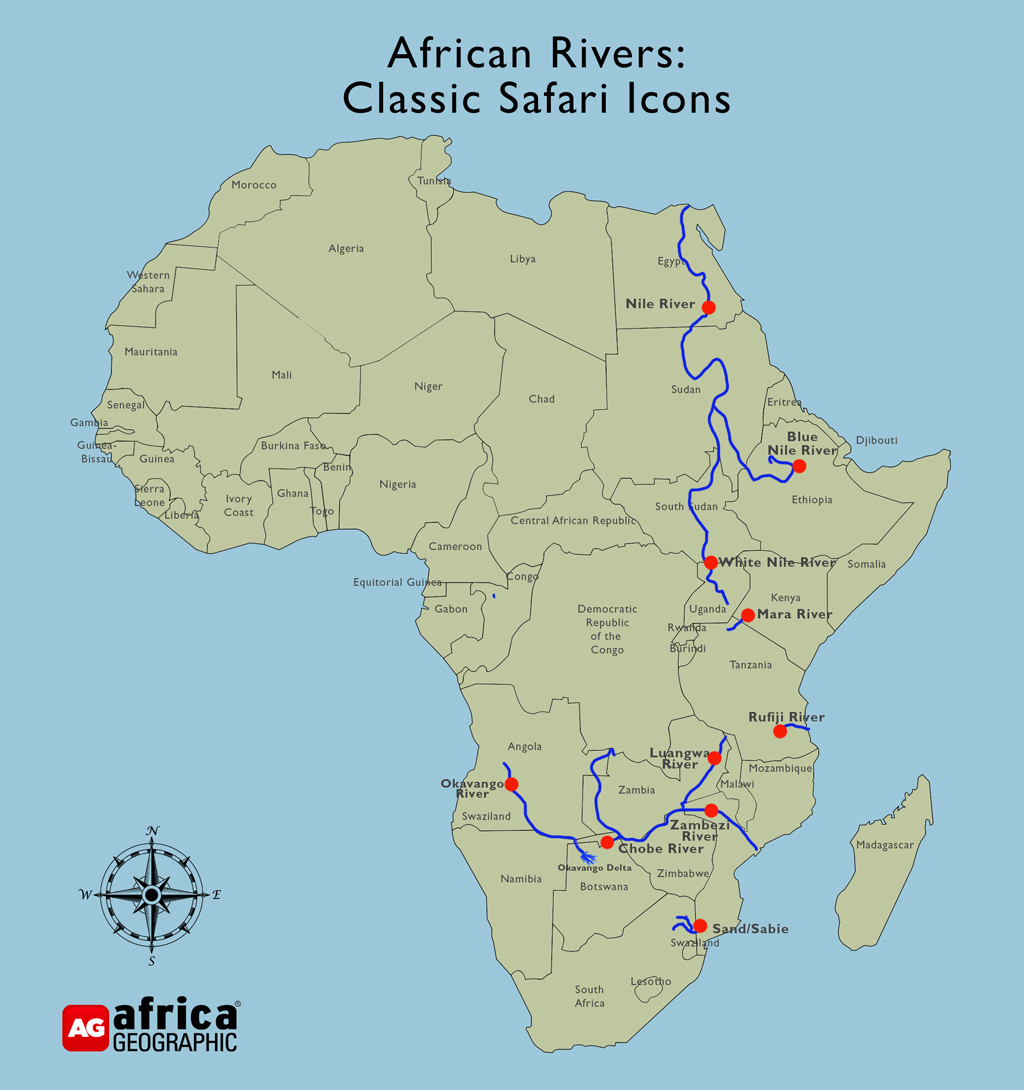
The Okavango is one of Earth’s great geographical wonders. Rising in the Angolan Highlands, the river’s origins flow southeast through Namibia’s Caprivi Strip before spreading across northwestern Botswana.
Rather than reaching the ocean, its waters form an enormous inland wetland within the Kalahari Basin. UNESCO describes the Okavango as Africa’s largest endorheic delta – a river system with no outlet to the sea – and one of the world’s few major interior deltas that remains largely intact.
Floodwater originating in Angola arrives in much of the delta during Botswana’s dry winter season. It spreads through a shifting network of channels, permanent swamps, seasonally flooded grasslands and islands, creating an oasis that supports exceptional wildlife. The extent and timing of flooding vary across the delta and between years.
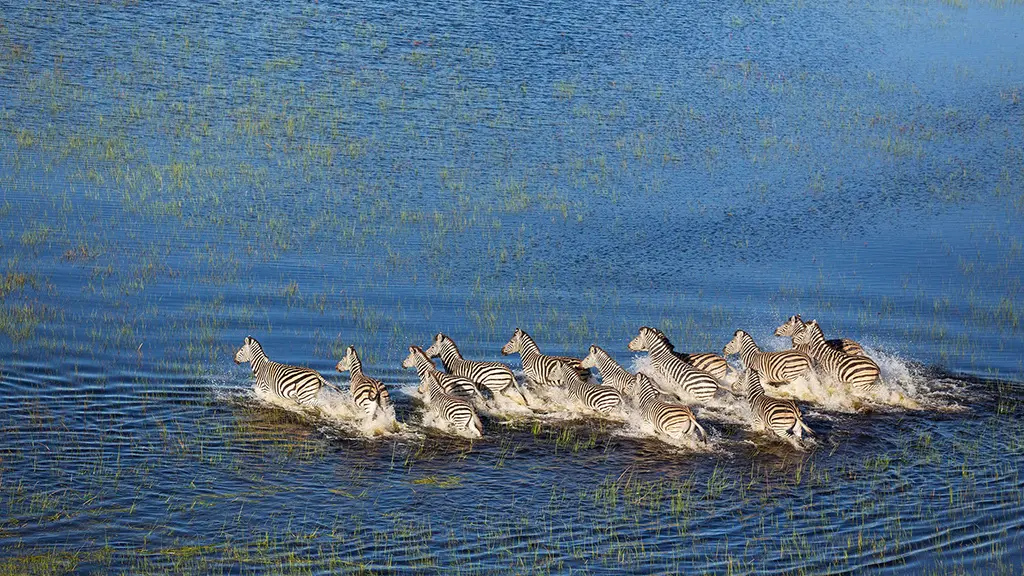
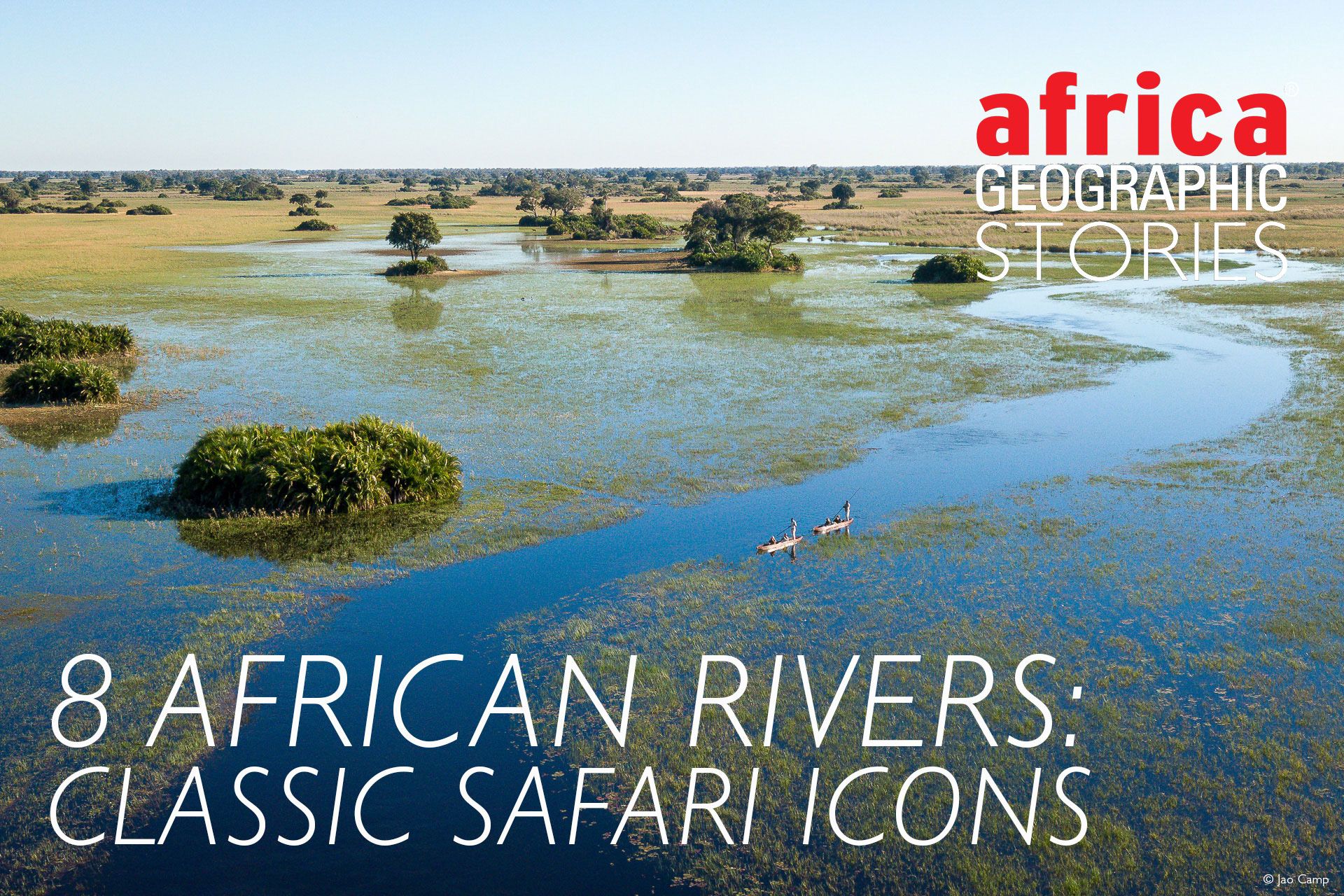
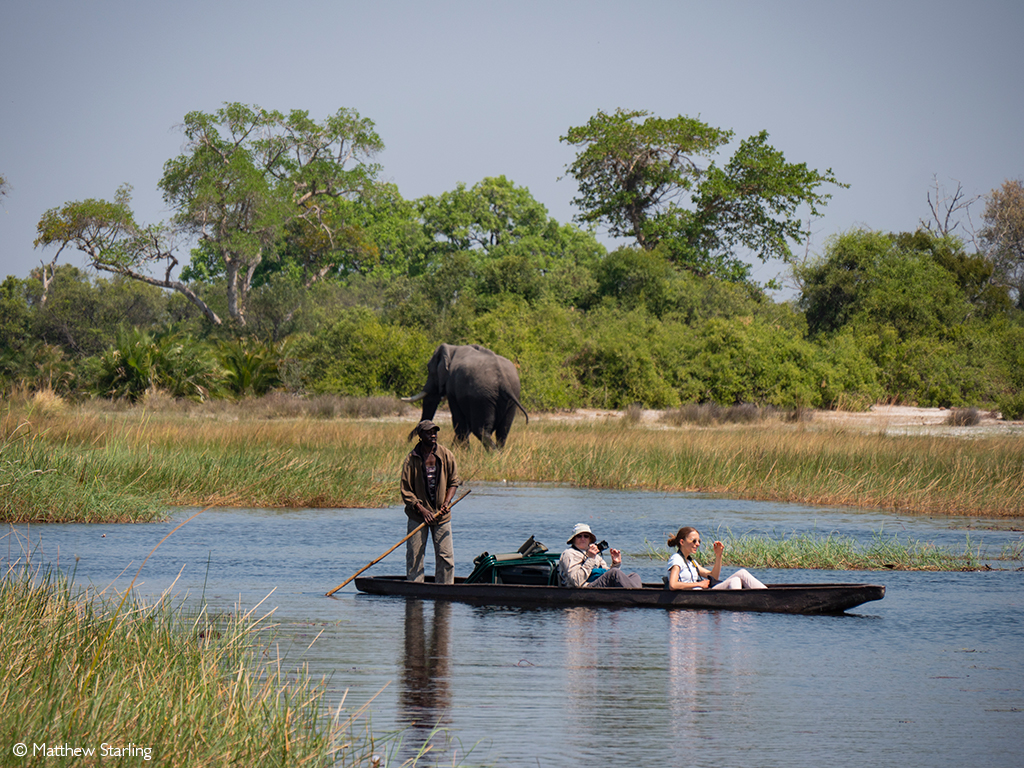
The delta is best explored through a combination of experiences. Traditional mokoro excursions move quietly through shallow channels, guided walks reveal tracks, plants and smaller wildlife, and game drives on larger islands search for lions, leopards, elephants and African wild dogs.
Many lodges are situated within private or community-managed concessions, including Jao, Vumbura, Kwara, and Abu. Activities and water levels vary significantly between concessions, so the choice of camp should be carefully matched to the season and the traveller’s priorities.
Luangwa River – Birthplace of walking safaris
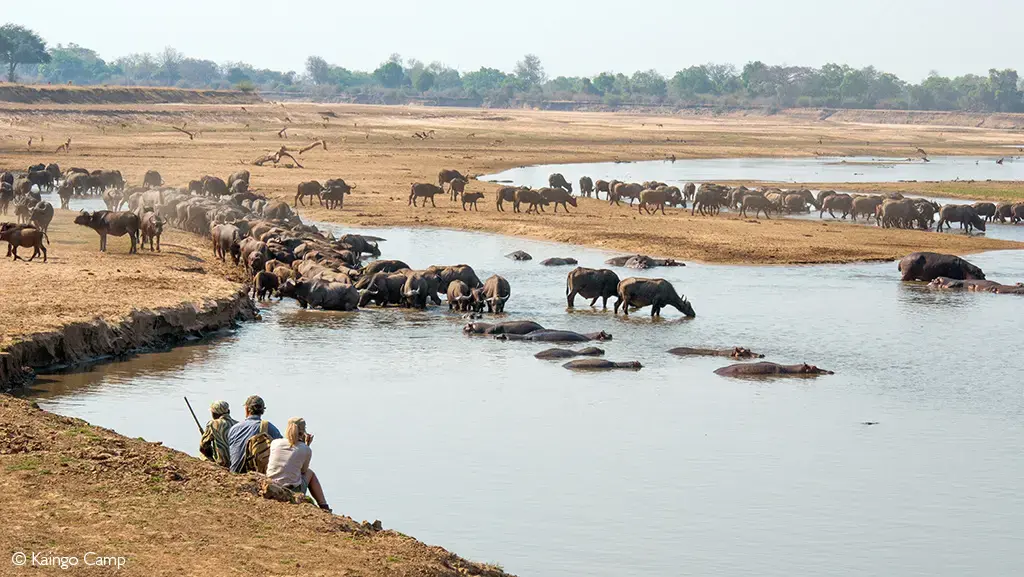
The Luangwa River follows a naturally shifting course, flooding during the rainy season and leaving behind oxbow lagoons, channels and pools as water levels recede. These habitats sustain high concentrations of wildlife through the dry months. Leopards thrive in the valley, elephants browse beneath riverine trees, and hippos gather in the remaining permanent water.
South Luangwa’s greatest contribution to African safaris is cultural as well as geographical. Conservationist Norman Carr helped pioneer and popularise the modern walking safari in the region, allowing travellers to explore wildlife habitats on foot under the guidance of trained professionals.
South Luangwa National Park remains one of Africa’s leading walking-safari destinations. Combining walks with traditional game drives provides a deeper understanding of the landscape, where animal tracks, birdsong, insects and changes in vegetation become as important as sightings of larger wildlife.
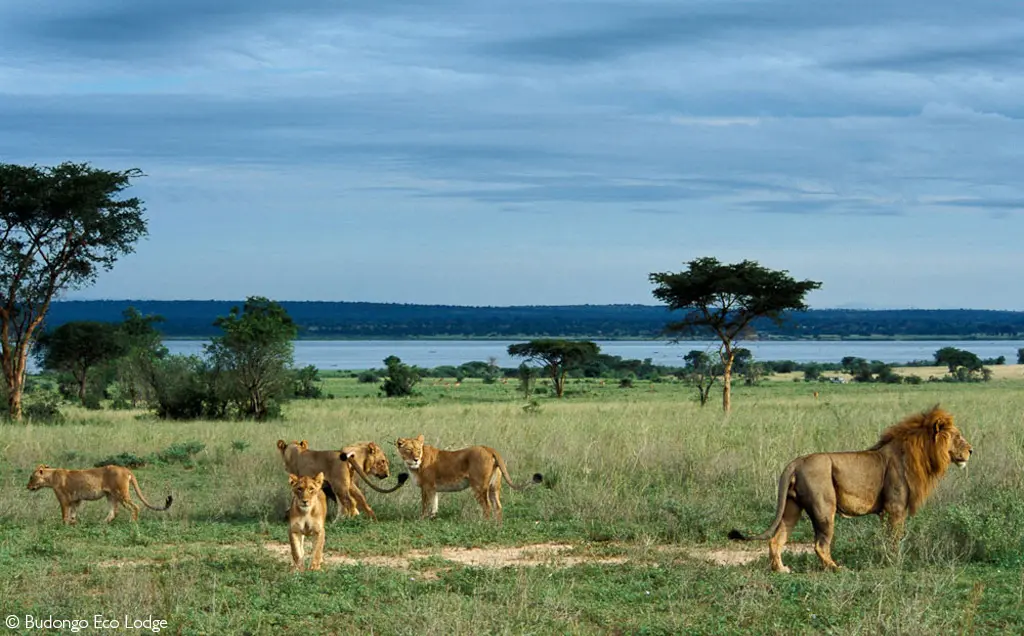
The Nile at Murchison Falls – Where a great river roars
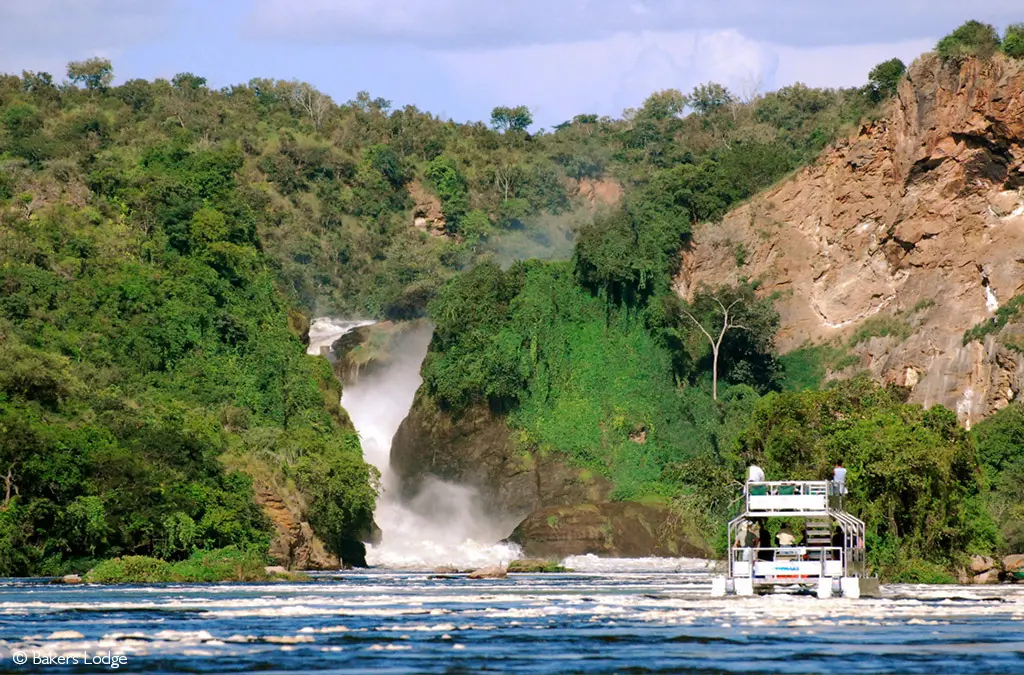
At Murchison Falls, the Victoria Nile forces its way through a narrow cleft in the rock before plunging into the gorge below. The water’s compression and force create one of Uganda’s most dramatic natural spectacles.
Below the falls, the river becomes broader and calmer as it flows towards Lake Albert through Murchison Falls National Park. Boat trips along this section regularly reveal hippos, crocodiles, elephants, buffalo and other wildlife along the banks. Giraffes are generally encountered during game drives on the park’s northern savannas rather than near the river.
Shoebills may be found in suitable wetlands, particularly towards the Nile Delta near Lake Albert, but sightings are not guaranteed. Murchison Falls can be combined with chimpanzee trekking in Kibale National Park or mountain-gorilla trekking in Bwindi Impenetrable National Park to create a varied Ugandan wildlife itinerary.
Rufiji River – Tanzania’s quieter wilderness
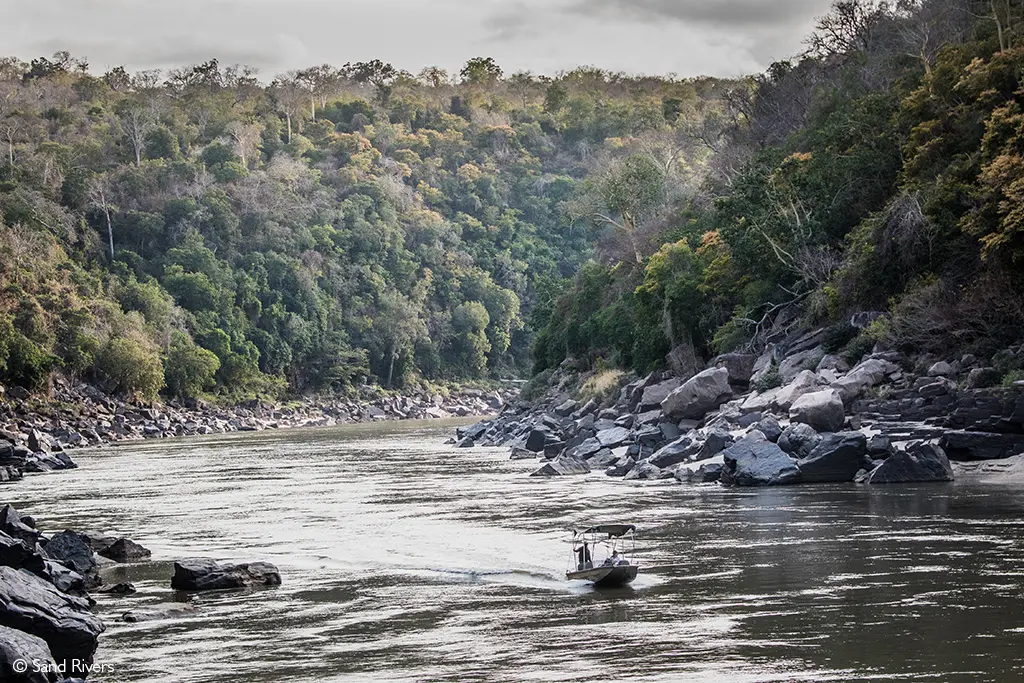
The Rufiji River defines the northern safari area of Nyerere National Park, which was created from part of the former Selous Game Reserve. Its channels, lakes, sandbanks and floodplains distinguish it from Tanzania’s better-known northern safari circuit.
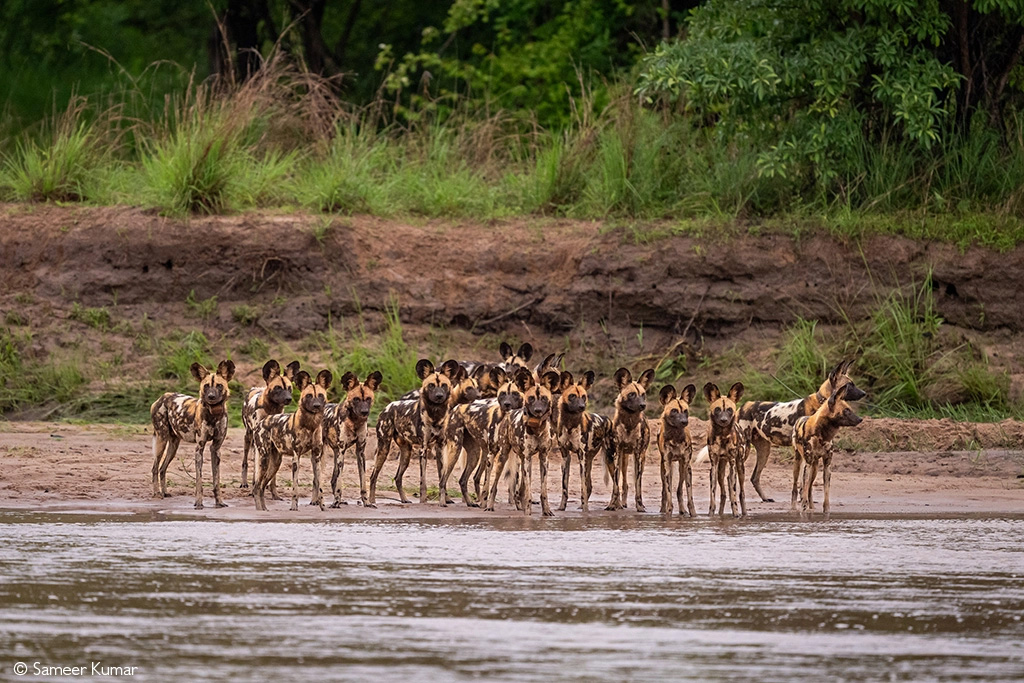
River boat safaris pass hippos, crocodiles and elephants along the river and its associated lakes, while fish eagles, kingfishers, skimmers and other waterbirds patrol the channels. Game drives explore miombo woodland, open plains and riverine habitats in search of lions, buffalo, elephants and African wild dogs.
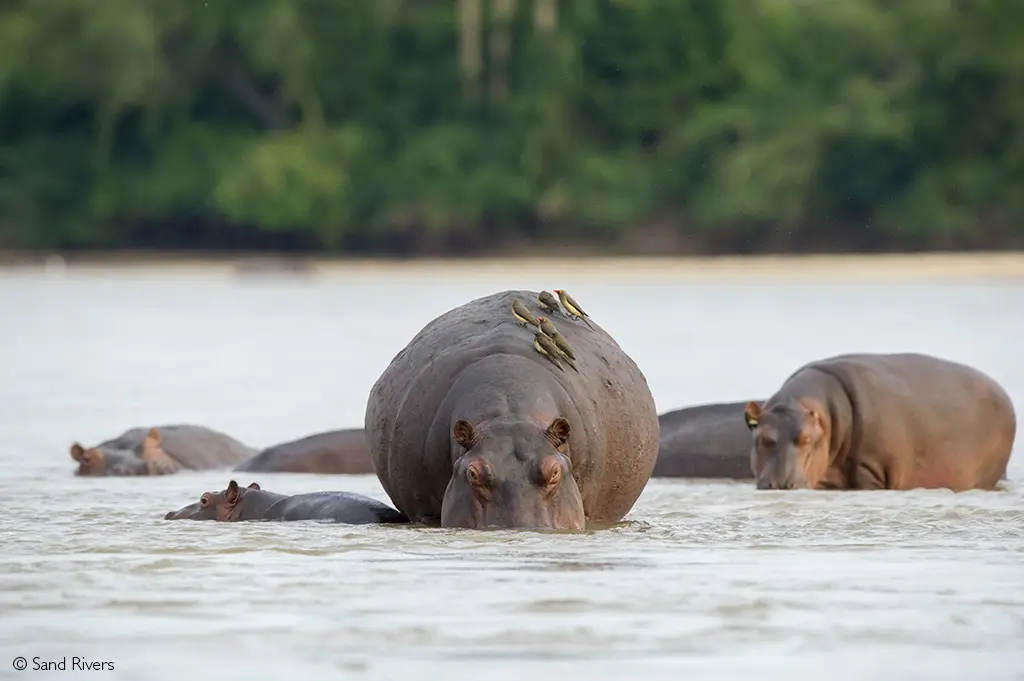
At more than 30,000 km², Nyerere protects an immense southern Tanzanian wilderness. It is also an important stronghold for African wild dogs. For travellers seeking a quieter alternative to northern Tanzania, the Rufiji offers a safari experience characterised by expansive landscapes, varied activities and relatively low visitor numbers.
Sabie and Sand rivers – Where leopards bask
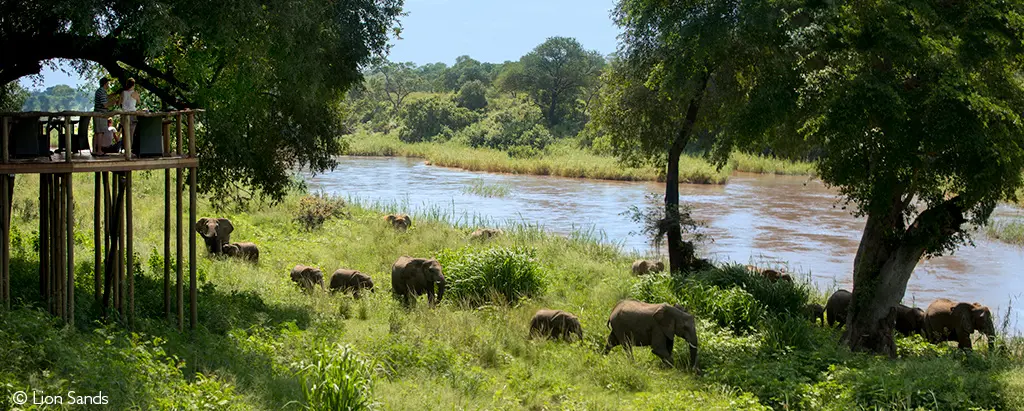
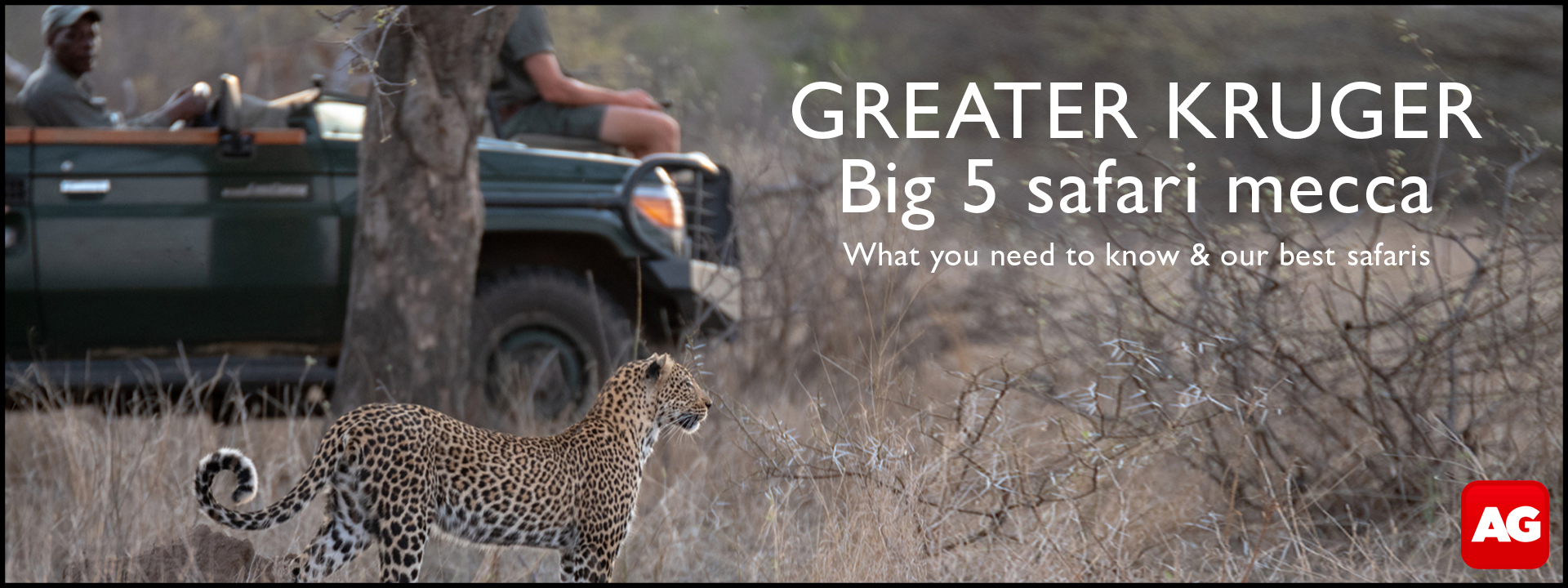
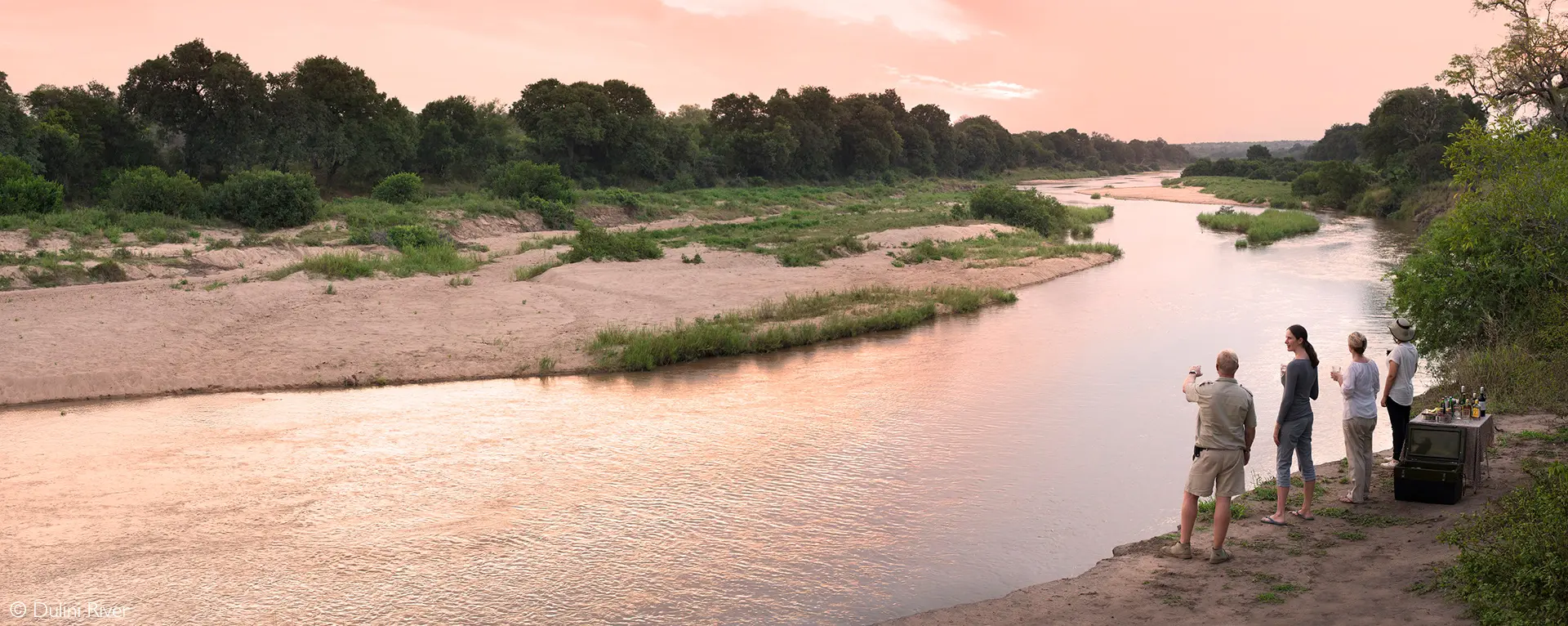
The Sabie and Sand Rivers flow through South Africa’s Greater Kruger ecosystem – arguably one of the most sought-after Big 5 safari destinations in Africa. The Sabie River crosses southern Kruger National Park, supporting productive riverine habitat and some of the park’s highest concentrations of wildlife. The Sand River flows through the Sabi Sand Nature Reserve before joining the Sabie system.
The Sabi Sand Nature Reserve takes its name from these two rivers and is internationally renowned for reliable leopard viewing. Its long safari history, skilled guides and trackers, and the ability to follow wildlife off established roads under controlled conditions have contributed to the quality of its predator sightings.
Other Greater Kruger reserves, including Timbavati, Thornybush, Klaserie and Balule, form part of the wider unfenced ecosystem but are not defined by the Sabie and Sand rivers. Each has its own waterways, habitats, access rules and tourism model.
Together, Kruger National Park and the adjoining private and community reserves provide an exceptional variety of experiences, from independent self-drive journeys to guided lodge safaris with night drives, walks and off-road tracking where regulations permit.
Final thoughts on river safaris
Africa’s iconic rivers have shaped far more than landscapes. They have created the wildlife spectacles, national parks and safari experiences that first drew many of us to the continent. Whether experienced from a mokoro in the Okavango, a boat on the Chobe, a canoe along the Zambezi or beside the Mara during a migration crossing, each reveals a different face of wild Africa.
Yet these famous waterways are only part of the story. Beyond them lie rivers that remain less travelled but no less remarkable – waterways flowing through remote deserts, forgotten floodplains and ancient rainforests. In Part 2, we’ll explore Africa’s hidden river safaris, where some of the continent’s most rewarding wilderness experiences still feel like well-kept secrets.
Further reading
- Nine legendary safaris on Africa’s wild waters: Africa’s rivers, streams and lakes are its lifeblood. Here’s our list of some of our favourite water safaris on the continent
- Botswana’s top safari destinations: Discover Botswana’s top safari destinations, from the Okavango Delta and Chobe to Mashatu, Selinda and the Makgadikgadi Pans
- The best malaria-free safari destinations: Want to head on safari while avoiding the risk of malaria? Here’s our round-up of the best malaria-free safari destinations in South Africa
- Okavango Delta safari planning guide: Plan your Okavango Delta safari: when to go, where to stay and how to experience Botswana’s iconic inland oasis in intimate camp
Cover image: Jao Camp offers an exceptional base for exploring Botswana’s Okavango Delta, with access to its wildlife-rich floodplains and waterways.
To comment on this story: Login (or sign up) to our app here - it's a troll-free safe place 🙂.