



Africa’s most reliable safaris

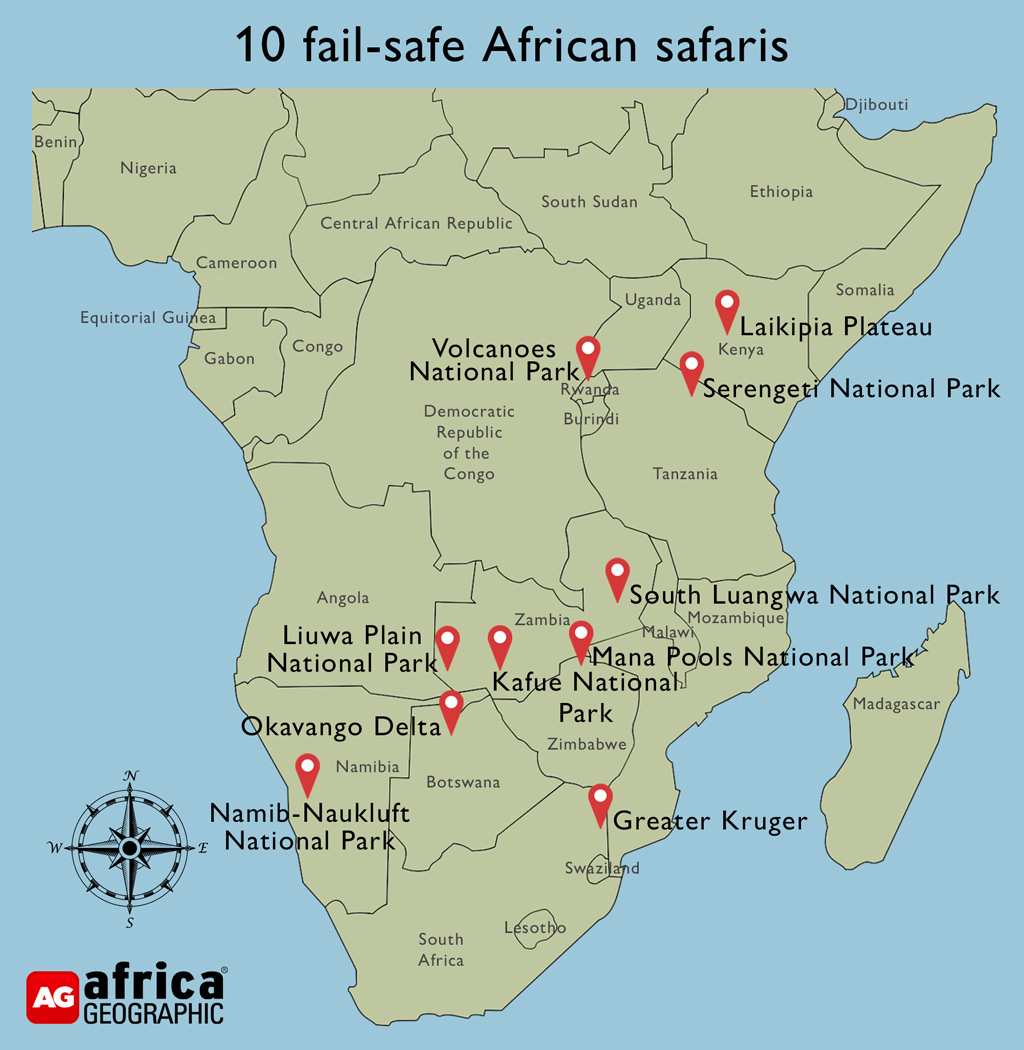
- Africa’s top safari regions offer low-density travel across vast, well-managed wilderness areas.
- Okavango Delta, South Luangwa, and Serengeti deliver reliable wildlife viewing with expert guiding.
- Established reliable safaris and logistics ensure seamless journeys between camps, airstrips, and remote ecosystems.
- Namibia, Liuwa Plain, and Kafue provide space, solitude, and emerging conservation success stories.
- Travel here directly supports conservation, making each journey both meaningful and impactful.
 Want a safari that runs smoothly, without the stress of an uncertain world? Explore our ready-made reliable safaris here, safe for travel right now. Or let our travel experts design a seamless, luxury safari for you.
Now is the best time to travel to Africa
Travel requires trust: in timing, in place, and in the people who guide you once you arrive. But there are times when global travel feels uncertain. Yet across Africa’s great wilderness areas, little has changed. Seasons hold. Wildlife follows ancient patterns. Safari operations continue unabated.
Safari, by its nature, is a controlled and well-managed form of travel. The continent’s leading destinations operate within defined ecosystems, with established logistics, low visitor densities, and experienced teams on the ground. For travellers seeking clarity, simplicity and reliability, a safari is the most consistent kind of holiday, offering:
- Low-density tourism across vast private concessions and protected area
- Strong conservation management, often under organisations such as African Parks and well-established private reserves
- Streamlined safari logistics, from charter flights to lodge-based itineraries
- High-quality guiding, which defines the experience as much as the wildlife itself
- Direct conservation impact, where tourism revenue sustains ecosystems and communities
We’ve gathered our list of some of the most dependable safari experiences on the continent right now, places where logistics, conservation, and wilderness combine to offer a confident and deeply rewarding journey.
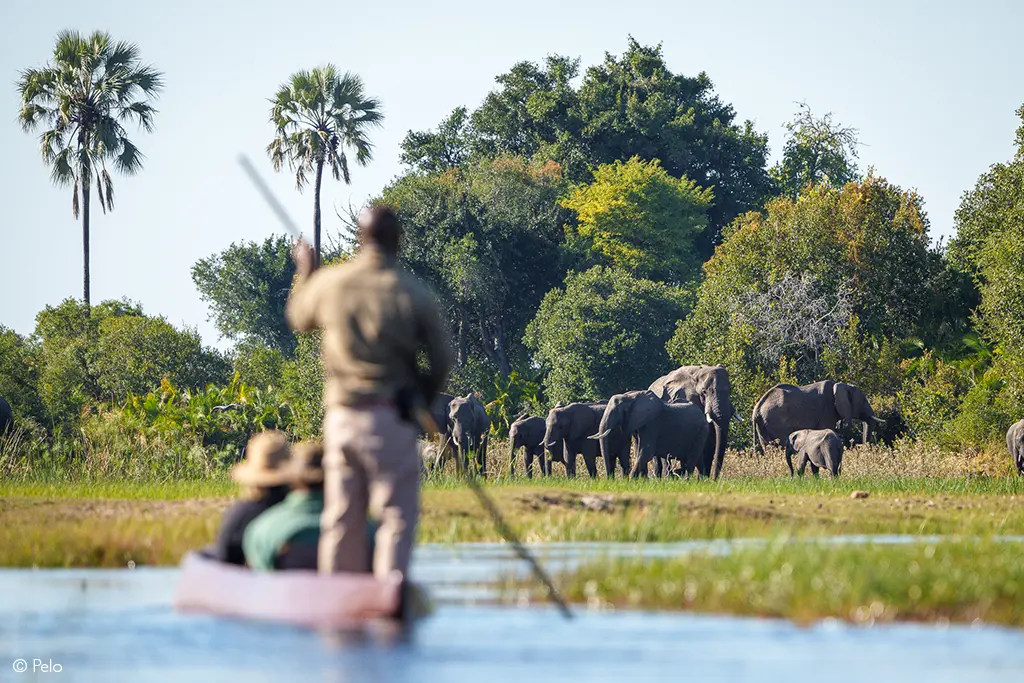
Okavango Delta, Botswana
The Okavango Delta remains one of Africa’s most precisely managed wilderness systems. Seasonal floodwaters transform the landscape between May and September, creating a mosaic of channels, islands, and floodplains that support exceptional biodiversity.
Safari here is structured around water and exclusivity. Camps are widely spaced within private concessions, ensuring minimal vehicle traffic and consistent wildlife encounters without crowding. Activities are varied – mokoro excursions, boating, walking safaris, and game drives – allowing for a layered understanding of the ecosystem.
Planning is key. Peak flood season offers the most iconic Delta experience, while the drier months concentrate wildlife on shrinking islands. Access is seamless via light aircraft from Maun, with most itineraries combining multiple concessions.
The Delta works because it is both predictable and dynamic – flood cycles are reliable, but each year reshapes a new experience.
South Luangwa National Park, Zambia
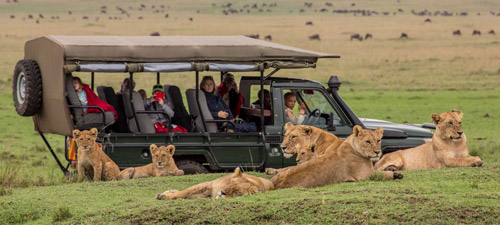
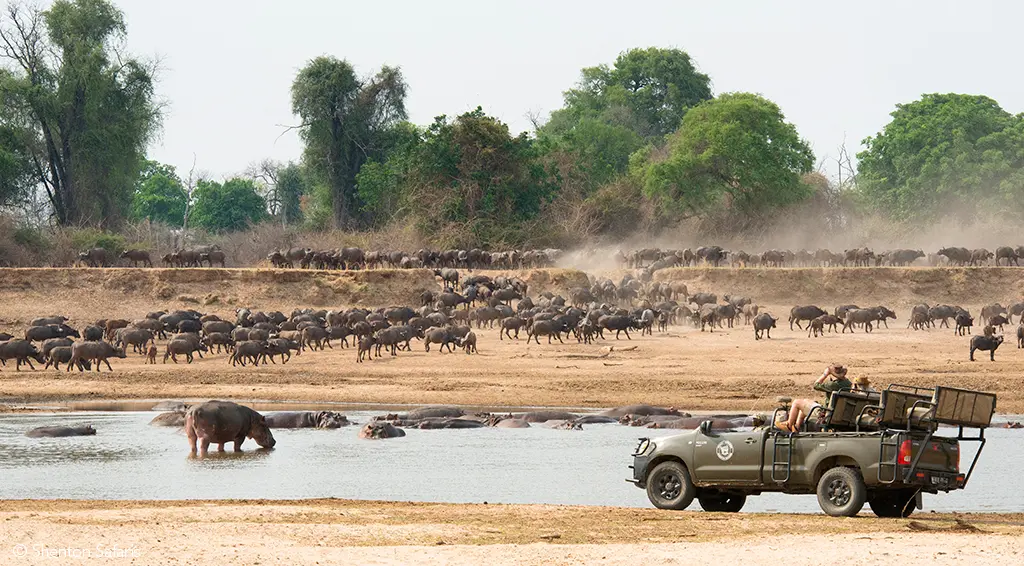
South Luangwa is one of Africa’s most well-rounded and reliable safari destinations, defined by the Luangwa River and its seasonal oxbow lagoons. Wildlife densities are high, particularly during the dry season from July to October, when animals concentrate along the riverbanks.
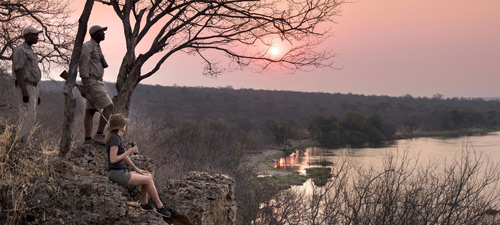
The area is best known as the birthplace of the walking safari, and guiding standards remain among the highest on the continent. This is not incidental – it reflects a long-established culture of mentorship and field-based training.
The Nsefu sector, in particular, offers a quieter, more traditional experience, with fewer camps and strong historical continuity.
South Luangwa works because it balances authenticity with consistency. It is not overly curated, yet it delivers reliable wildlife viewing and some of Africa’s finest guiding.
Serengeti ecosystem, Tanzania
The Serengeti is known for the Great Migration, but the ecosystem is far more complex. Seasonal movement defines the experience, with herds shifting between the southern plains, central Serengeti, and northern corridors into the Mara.
The northern circuit allows for efficient travel between key regions, while private concessions and mobile camps offer access to migration routes without the congestion seen in public areas.
Timing dictates everything. Calving season (January–March) offers predator action on the southern plains, while river crossings typically occur mid-year in the north.
The Serengeti is a fail-safe destination due to its scale and structure. Even at peak migration, there are ways to experience it without compromise – provided the itinerary is designed with precision.
Greater Kruger, South Africa
The Greater Kruger system combines accessibility with consistently high-quality wildlife viewing. Kruger National Park and its surrounding reserves allow guided walks, and night drives, and within certain private concessions, off-roading driving.
Big 5 sightings are a particular strength, supported by long-term monitoring and experienced guides. Seasonal variation influences vegetation and wildlife movement, but good game-viewing is possible year-round.
Malaria considerations can be managed, and infrastructure is among the best in Africa. Direct flights into regional airstrips simplify access significantly.
Greater Kruger works because it is dependable. Logistics are straightforward, guiding is professional, and wildlife viewing is consistently strong. It is often the most practical starting point for reliable safari travel.
Namib-Naukluft National Park, Namibia
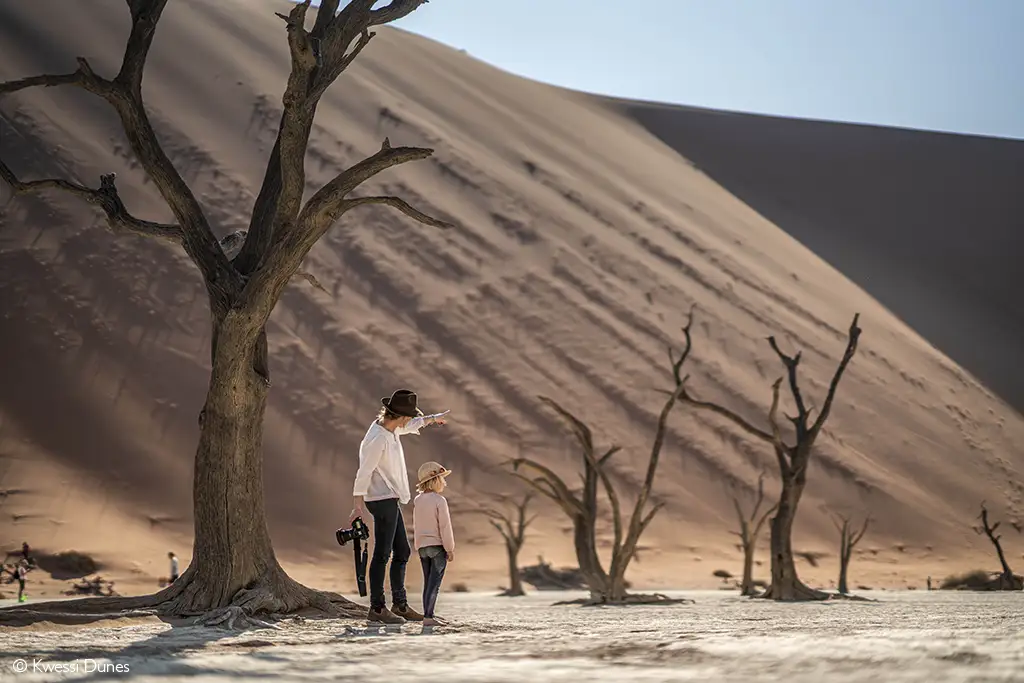
Namib-Naukluft is one of Africa’s largest protected areas, but it is Sossusvlei that defines the experience: towering red dunes, white clay pans, and stark shadow and light that shift with precision through the day. This is not a wildlife-driven safari. It is about landscape, contrast, and space.
Early mornings are essential. The dunes are best climbed at first light. Deadvlei, with its skeletal camelthorn trees, offers one of Namibia’s most recognisable scenes: stark, controlled, and entirely silent.
Access is straightforward via Windhoek, with a range of well-run lodges on private concessions bordering the park.
This region strips reliable safaris back to their essentials: distance, stillness, and a landscape that does not compete for attention. Think minimal infrastructure, and a clear emphasis on environmental preservation in a controlled, self-contained wilderness.
Liuwa Plain National Park, Zambia
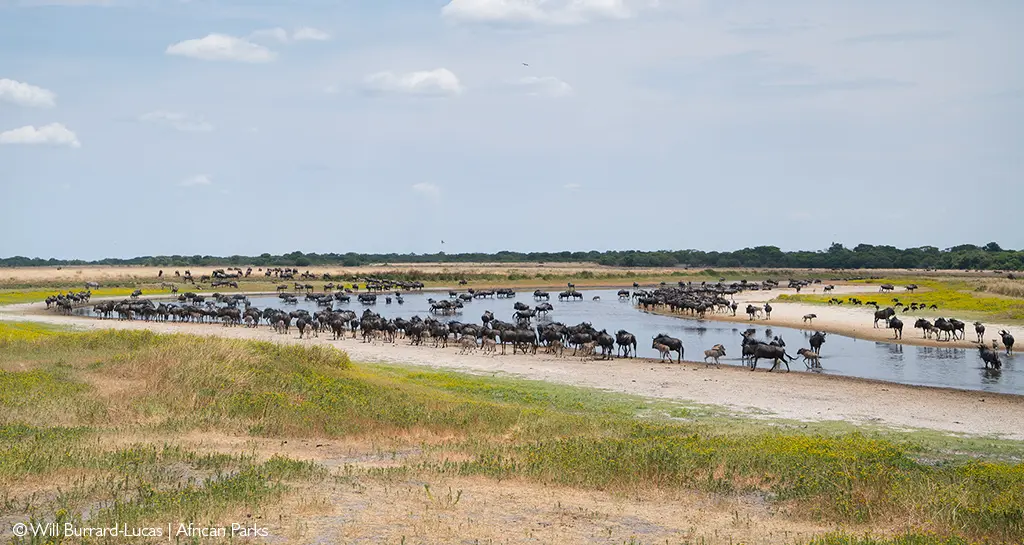
Liuwa Plain offers excellent and reliable safaris and hosts the second-largest wildebeest migration in Africa. It is one of Africa’s most compelling conservation destinations. Once heavily depleted, the park has been restored under African Parks management, with wildlife populations steadily increasing.
The landscape is defined by open grasslands and seasonal flooding, which support its lesser-known but significant wildebeest migration. Predators, particularly hyenas, are a key feature of the ecosystem. Access remains limited, which is part of its appeal. Camps are small, visitor numbers are low, and the experience retains a strong sense of isolation.
The green season (November to May) is particularly rewarding, with dramatic skies and migratory movement.
Liuwa Plain is less well-known and therefore not overrun by tourists, allowing visitors to witness an ecosystem that has finally achieved equilibrium, offering one of Africa’s most reliable safaris.
Laikipia Plateau, Kenya
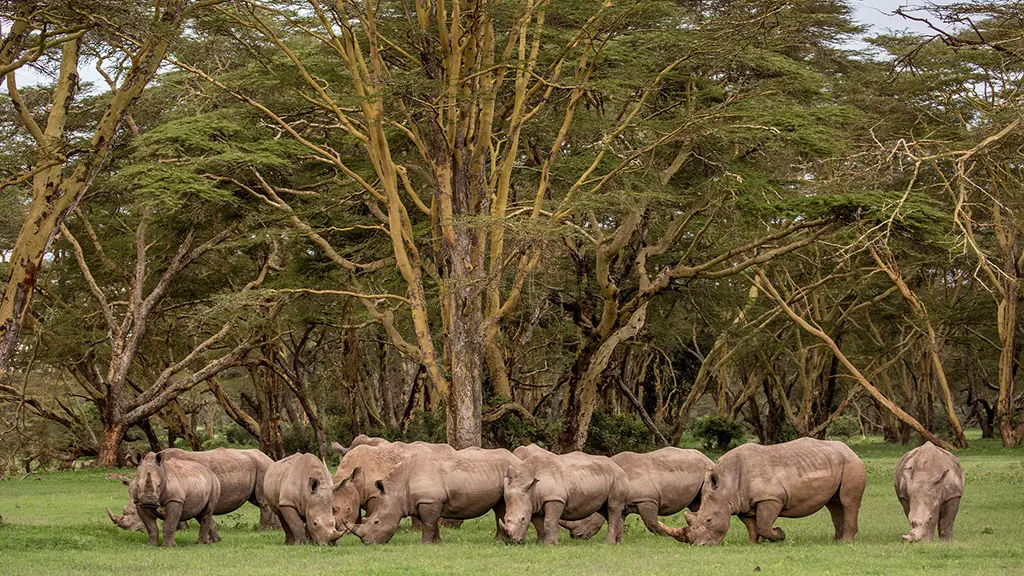
Laikipia in Kenya represents a shift in safari thinking. Rather than a single protected area, it is a network of private conservancies and community lands that collectively support high wildlife densities and innovative conservation models.
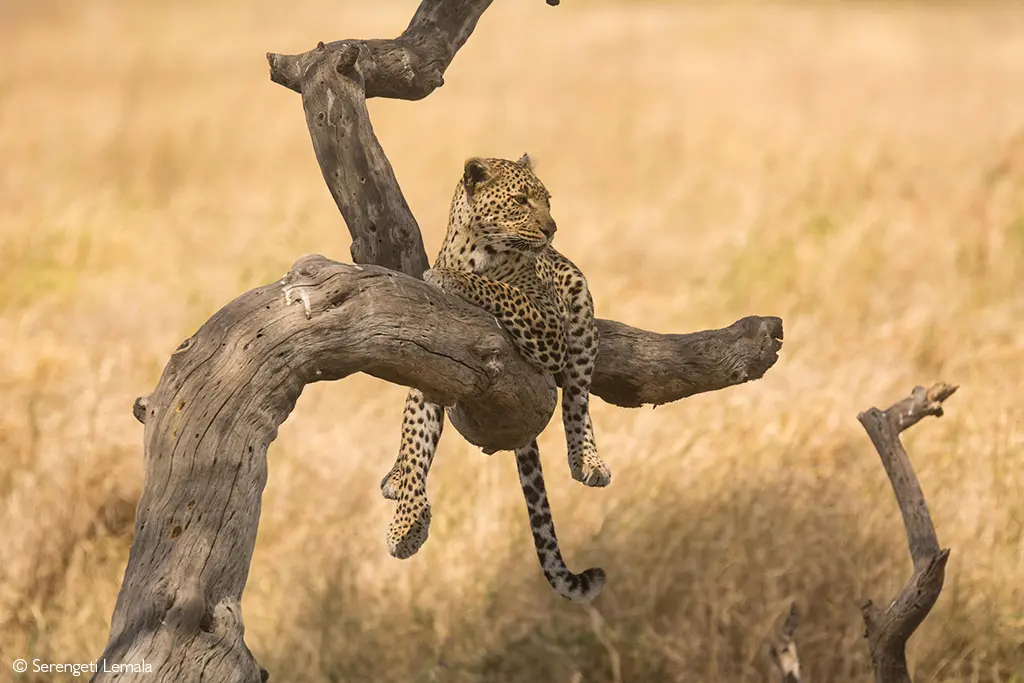
The region is known for species diversity, including black rhino, Grevy’s zebra, and African wild dog. It is also home to various black panthers: melanistic leopards that have been well documented in the area.
Activities extend beyond traditional game drives to include walking, horse riding, and cultural engagement. Laikipia is not a wilderness isolated from people, but one shaped by coexistence and long-term stewardship. It is a land of staggering beauty & biodiversity – a mosaic of wildlife conservancies.
Volcanoes National Park, Rwanda
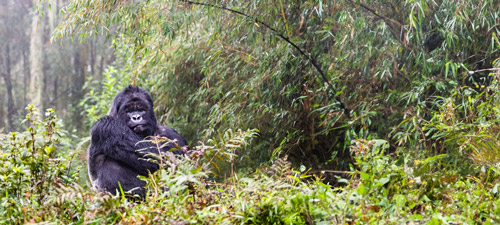
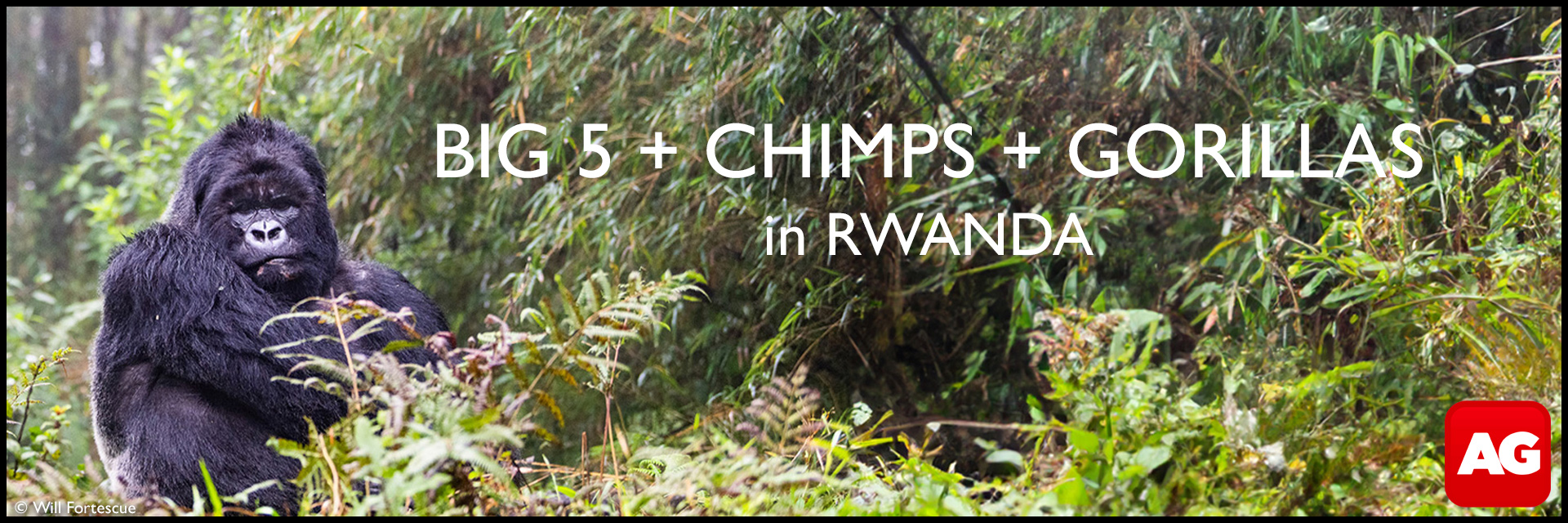
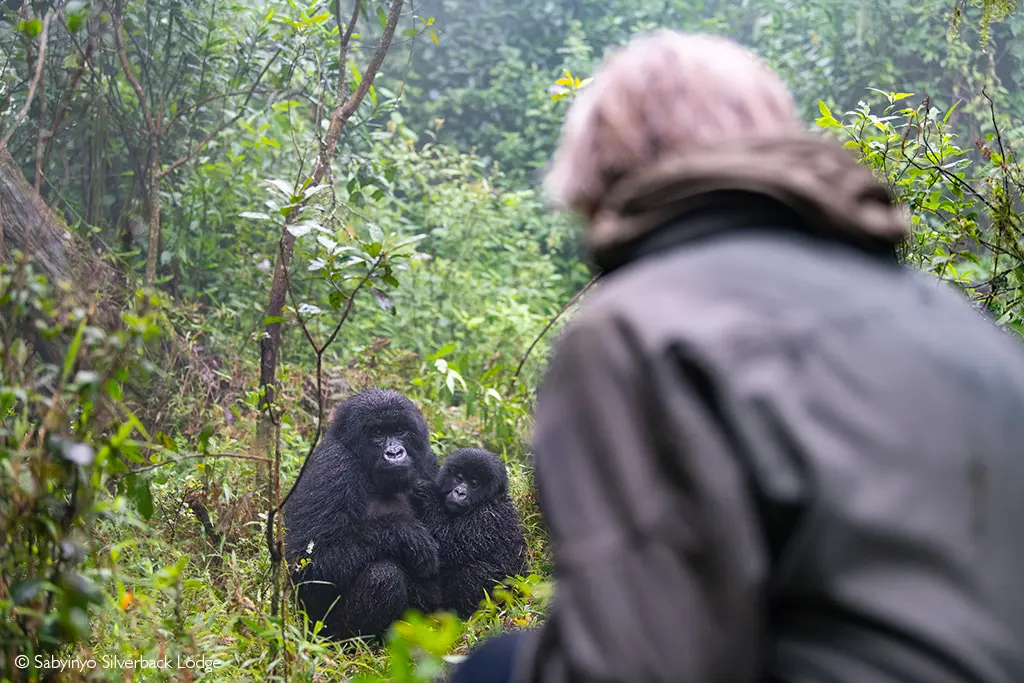
Volcanoes National Park in Rwanda is a leading gorilla trekking destination in Africa – a place where critically endangered mountain gorillas flourish. Gorilla trekking in Volcanoes National Park is one of the most tightly regulated wildlife experiences in the world. Permits are limited, group sizes are small, and trekking is well structured.
The terrain is demanding – steep slopes, dense vegetation, variable weather – but the structure ensures both conservation integrity and visitor safety.
Encounters are time-limited, typically one hour with a habituated group, but the experience is intense and focused.
Rwanda’s infrastructure is efficient, with Kigali serving as a convenient gateway and relatively short transfer times to the park.
Volcanoes works because of control. Every aspect of the experience is managed, resulting in a consistent, high-quality encounter that prioritises both wildlife and visitor experience.
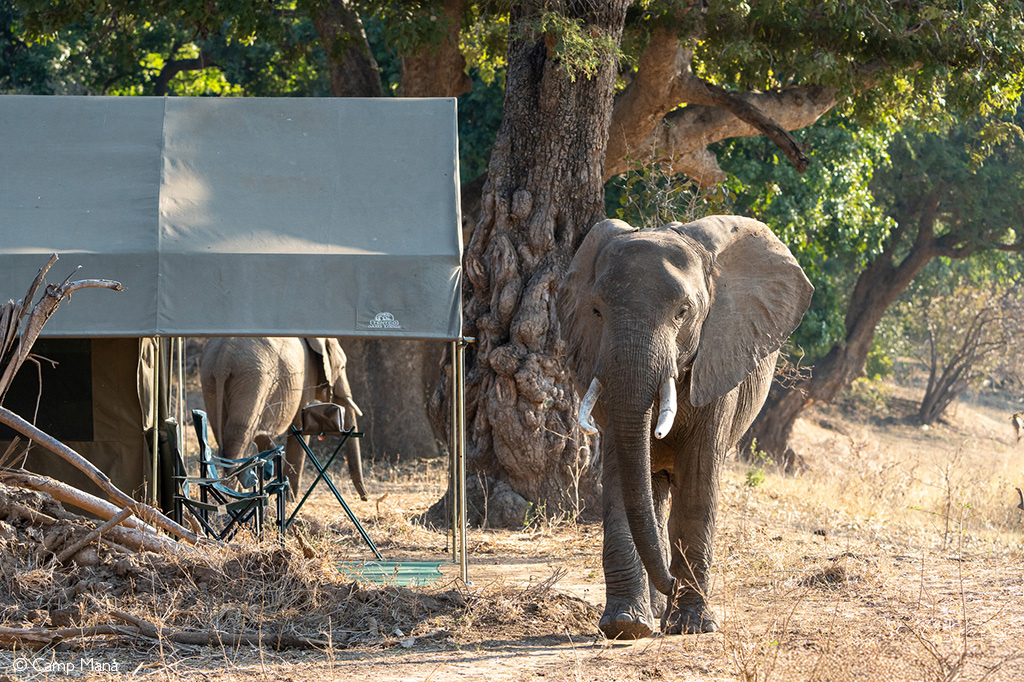
Mana Pools National Park, Zimbabwe
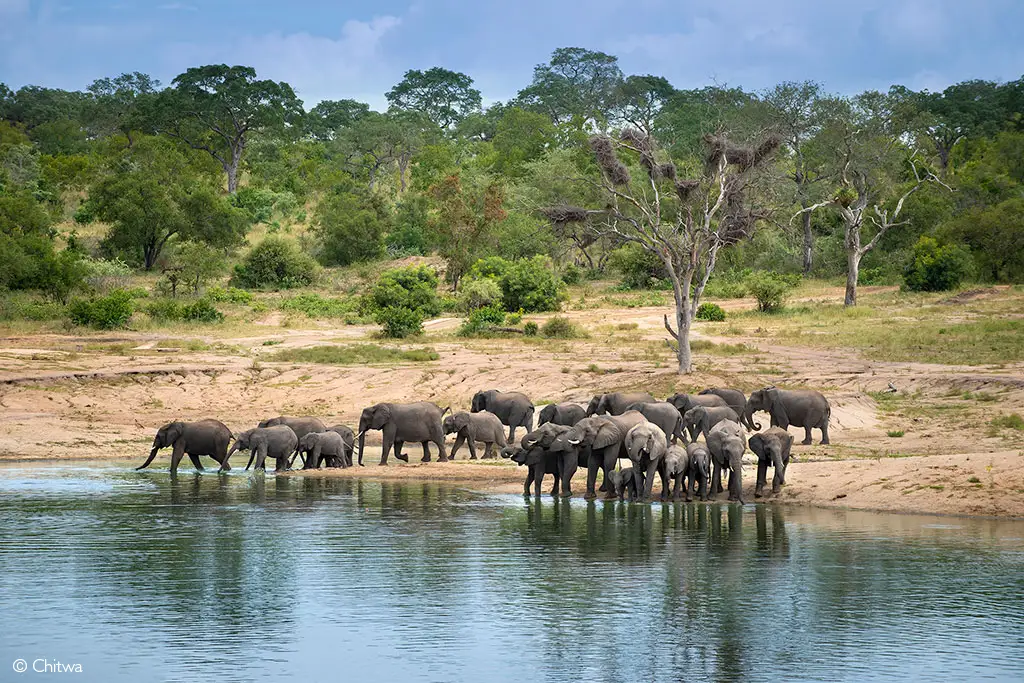
Mana Pools National Park is defined by the Zambezi River and its floodplains, where seasonal dynamics shape both access and wildlife distribution. It is known for walking and photographic safaris, iconic elephants, rich birdlife, and dreamlike light. The dry season (June–October) offers the most stable conditions, with animals concentrating along the river.
The park allows for a slower, more deliberate approach to wildlife viewing. Elephants, often seen standing on their hind legs to feed, are a defining feature. Camps range from simple to high-end, but all operate within a low-density framework.
Mana Pools prioritises experience over infrastructure. It is not heavily developed, and that preserves its character as one of Africa’s most immersive wilderness areas.
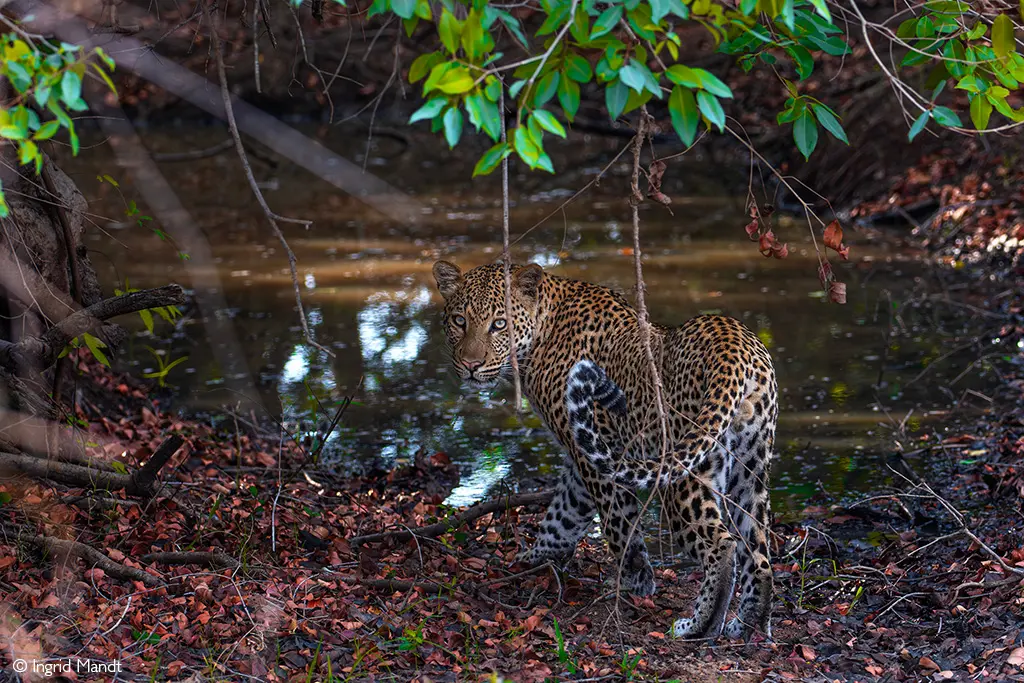
Kafue National Park, Zambia
Kafue National Park in Zambia is one of Africa’s largest national parks, yet it remains under-visited. Its diversity is significant, from river systems to woodland and the Busanga Plains – an area known for seasonal flooding and predator concentrations.
Recent conservation investment has improved protection and infrastructure, particularly in key areas such as Busanga, where lion and cheetah sightings are frequent.
The park is best approached as a multi-region destination, with itineraries that combine the northern and southern sectors. Access typically involves light aircraft and some road transfers.
Kafue works because of its trajectory. It is improving, expanding, and becoming increasingly reliable – without losing the sense of space that defines it.
A steady continent
Africa’s safari destinations do not operate on short-term cycles. They are shaped by long-term ecological processes, conservation investment, and accumulated expertise. That is what makes them reliable.
Travel here is not without complexity, but it is structured, intentional, and supported by systems refined over decades. For travellers seeking clarity in uncertain times, that structure offers something rare: a journey that is both predictable in its logistics and unpredictable in its moments. For travellers seeking clarity in uncertain times, these journeys stand out as some of Africa’s most reliable safaris.
To comment on this story: Login (or sign up) to our app here - it's a troll-free safe place 🙂.