
Where to find Africa's rarest mammals


- Africa’s rarest mammals inhabit diverse ecosystems, from remote deserts to isolated tropical forests.
- Some species number fewer than 100 individuals, while others remain too poorly studied to count.
- Hunting, habitat loss, disease and human activities threaten the survival of many rare mammals.
- Conservation programmes are helping threatened populations recover through habitat protection, monitoring and reintroduction.
- Some rare mammals can be encountered on safari, while others remain exceptionally elusive.
 Discover Africa’s remarkable wildlife on a safari designed by our experts, with unforgettable encounters and conservation at its heart. We have ready-made safaris to choose from, or ask us to build one just for you.
From desert antelopes surviving in their dozens to elusive forest primates and the world’s last two northern white rhinos, we explore some of Africa’s rarest mammals, where they survive and what is being done to save them.
Others inhabit isolated forests, remote deserts or small pockets of protected habitat, where even researchers struggle to determine their numbers.
The northern white rhino is down to just two surviving females. The addax, once widespread across the Sahara, has been reduced to a handful of remnant native populations. In Madagascar, several lemur species face extinction as their forest habitats disappear.
Yet conservation successes offer hope. The scimitar-horned oryx has returned to the wild after being declared extinct there, while West African giraffe numbers have recovered considerably.
These are some of Africa’s rarest mammals, where they can still be found and what threatens their survival.
Population estimates vary in age and methodology. Some refer to mature adults, others to all individuals. This is a curated selection rather than a strict numerical ranking.
Africa’s rarest mammals – mainland
Addax (Addax nasomaculatus)
Critically Endangered | Niger and Chad
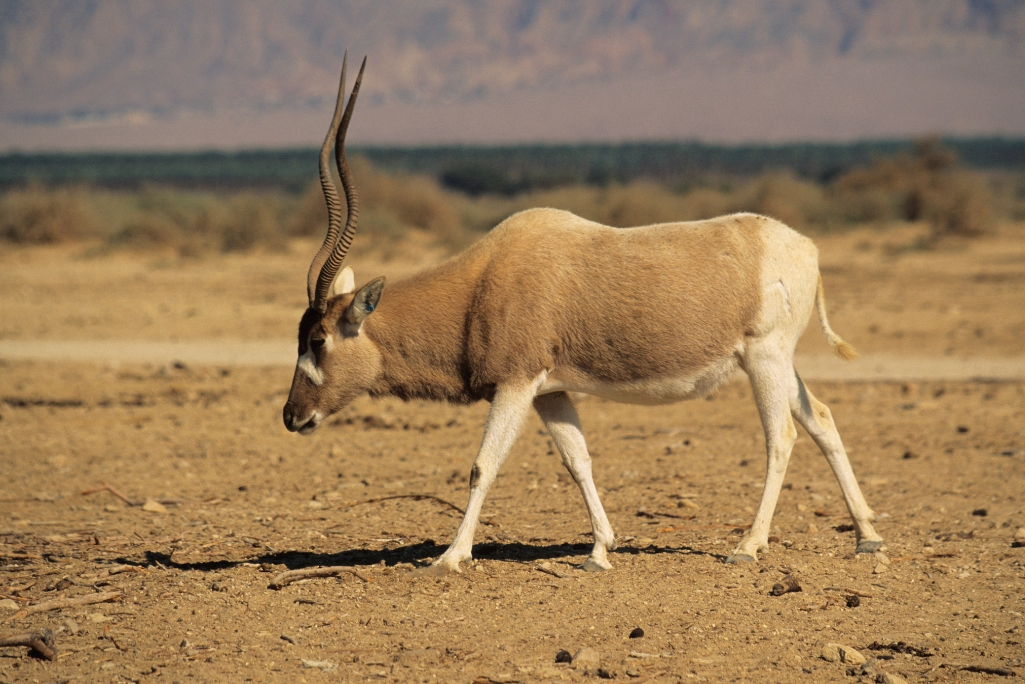
Once widespread across the Sahara, this spiral-horned desert antelope has been reduced to a tiny native population, principally in Niger’s Termit-Tin Toumma landscape. Older estimates suggested just 30–90 mature animals remained.
Hunting, habitat disturbance and insecurity drove its decline. Reintroduction programmes offer hope: by the end of 2023, more than 150 addax were roaming free in Chad’s Ouadi Rimé-Ouadi Achim reserve, with another population established in Ennedi. Neither location offers reliable conventional safari viewing.
Dama gazelle (Nanger dama)
Critically Endangered | Niger and Chad
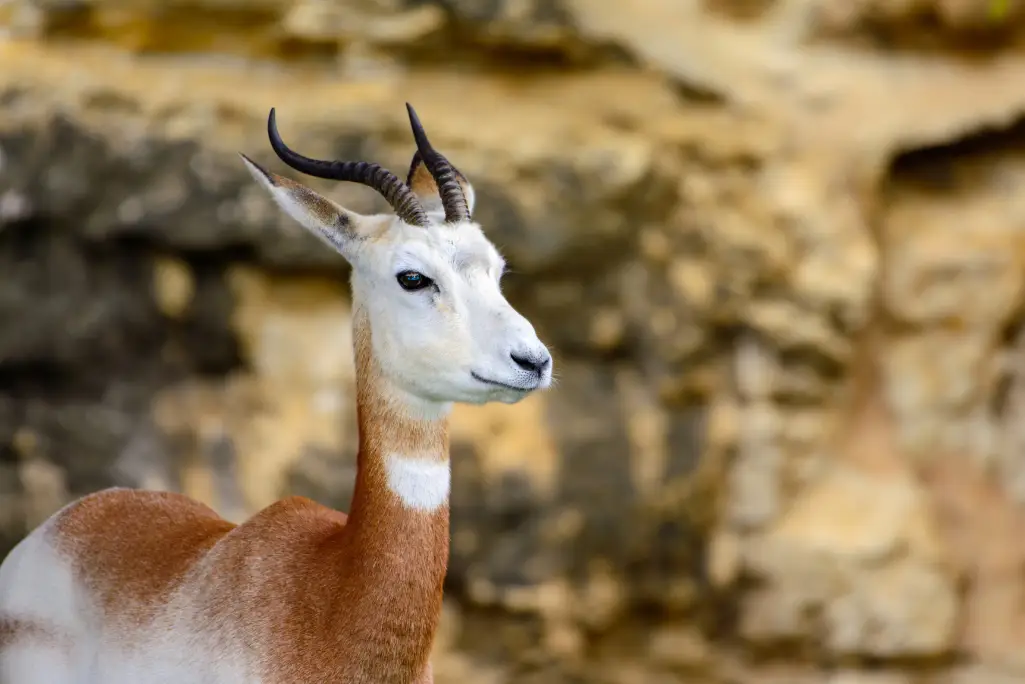
One of Africa’s largest gazelles, the dama once ranged widely across the Sahara and Sahel. Today, fewer than 200 wild adults are estimated to survive, possibly as few as 85–120.
Illegal hunting, livestock competition and habitat loss have fragmented its remaining populations. Conservation efforts in Niger and Chad focus on protecting surviving groups and managed breeding. Wild encounters are exceptionally unlikely.
African wild ass (Equus africanus)
Critically Endangered | Eritrea and Ethiopia
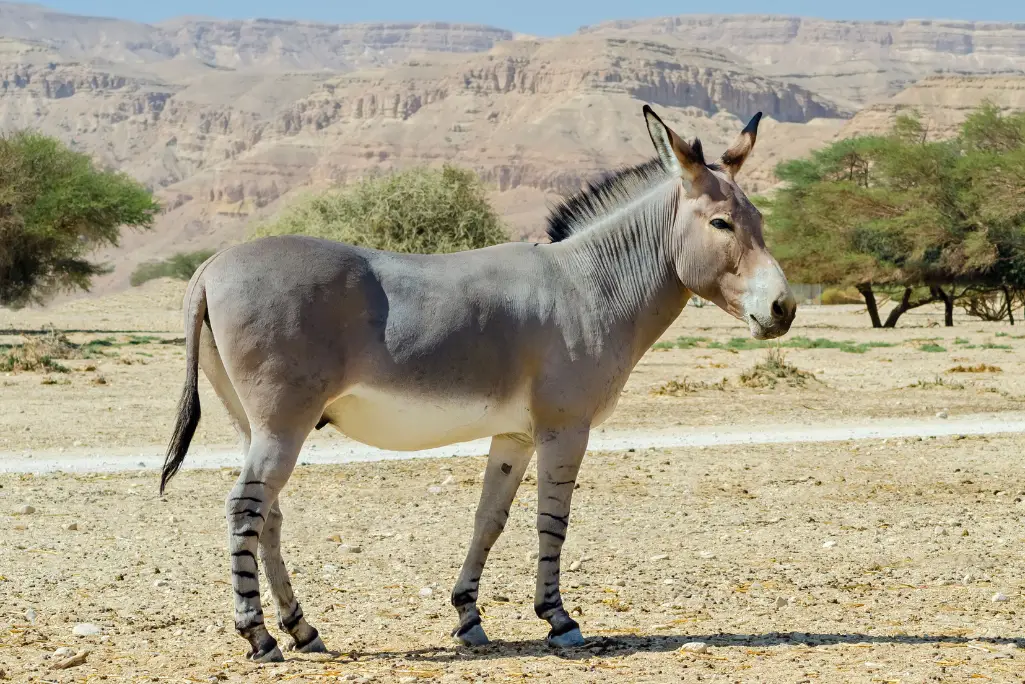
The wild ancestor of the domestic donkey survives in the remote deserts of Eritrea and Ethiopia. Recognisable by its slender build and striped legs, it is adapted to extreme heat and scarce water.
Older assessments suggested as few as 23–200 mature individuals remained, although no reliable recent census exists. Hunting, livestock competition and possible hybridisation with domestic donkeys threaten its survival. The Danakil region is among its remaining habitats, but access is difficult and sometimes unsafe.
Slender-horned gazelle (Gazella leptoceros)
Endangered | North Africa
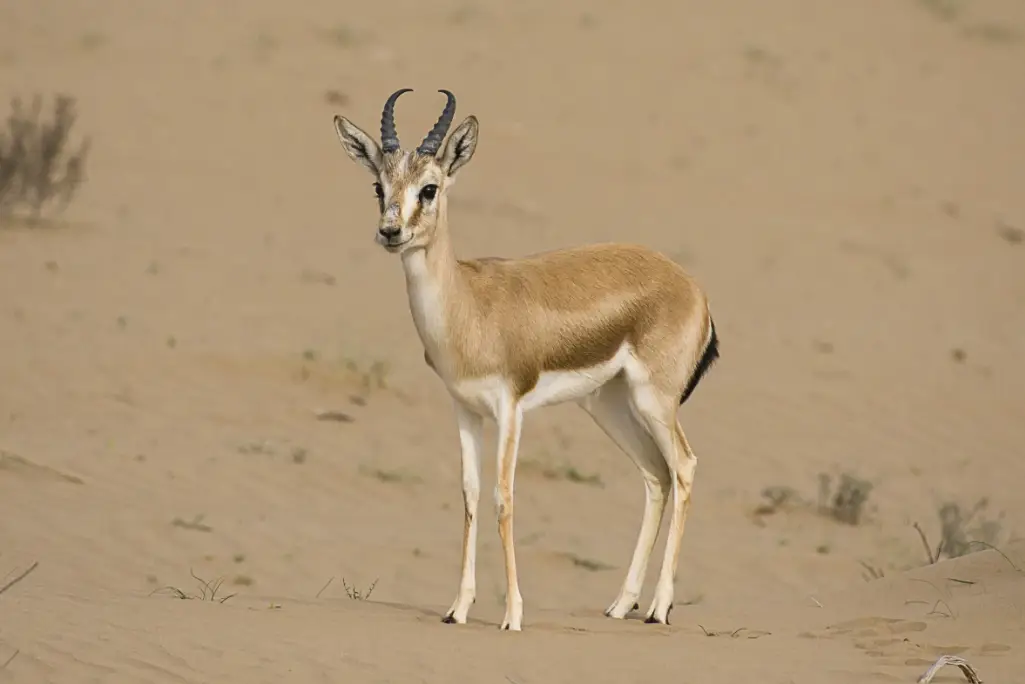
Adapted to sandy desert habitats, this pale-coated gazelle survives in isolated parts of the Sahara, including Tunisia, Algeria and Libya.
An estimated 300–600 individuals remain, although numbers are uncertain. Hunting, particularly using modern vehicles and firearms, has driven its decline. Tunisia’s Djebil and Sidi Toui protected areas are known localities, but sightings are unreliable.
Hirola (Beatragus hunteri)
Critically Endangered | Kenya
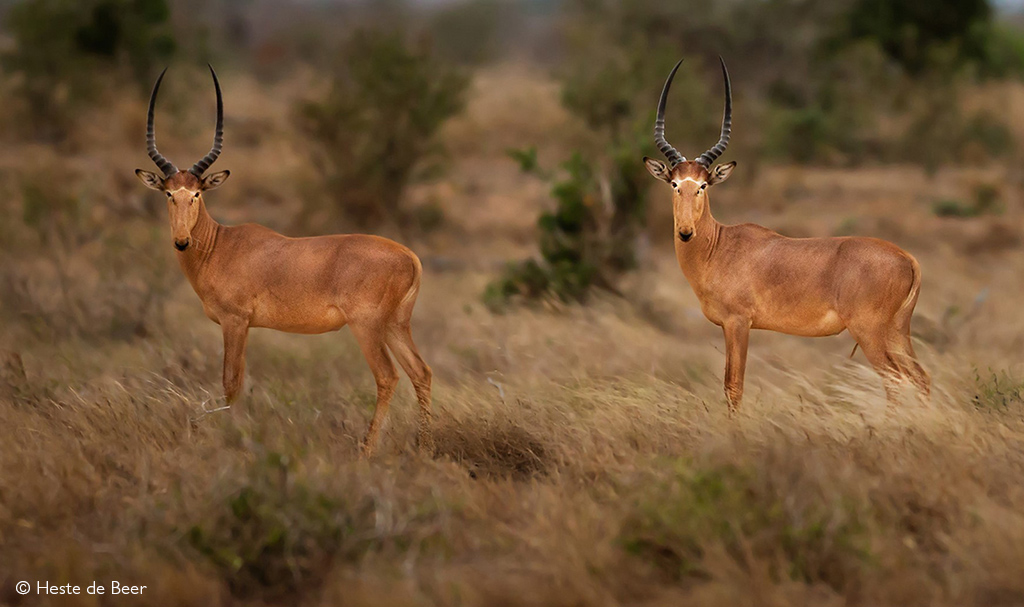
Fewer than 500 hirola are believed to survive. Recognisable by the white markings around their eyes, these antelopes are the only surviving members of their genus, making their extinction an especially significant evolutionary loss.
Habitat degradation, livestock competition and the spread of woody vegetation into grasslands threaten the species. Conservation efforts focus on grassland restoration in northeastern Kenya. A translocated population also survives in Tsavo East National Park, where sightings are rare.
Ethiopian wolf (Canis simensis)
Endangered | Ethiopia
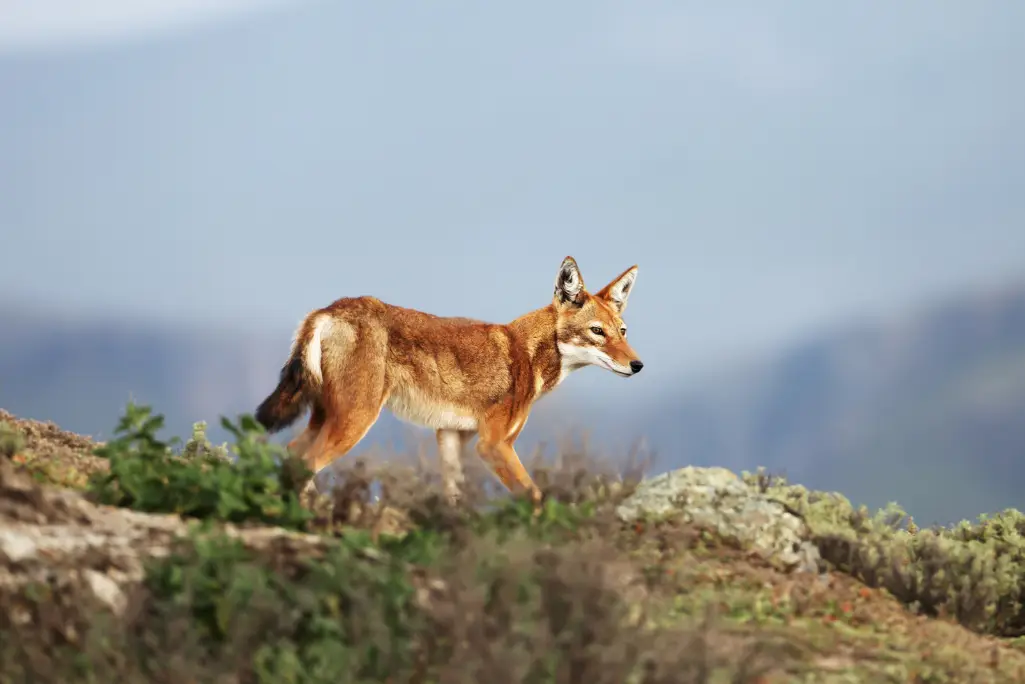
Africa’s rarest wild canid survives only in the Ethiopian Highlands (including Simien Mountains National Park). A 2024 study using 2021 monitoring data estimated 454 adults in 99 packs.
This slender, reddish-coated predator specialises in hunting rodents in Afroalpine grasslands. Habitat fragmentation, rabies and canine distemper threaten its survival. Vaccination programmes are vital, while the Sanetti Plateau in Bale Mountains National Park offers excellent opportunities for sightings.
Scimitar-horned oryx (Oryx dammah)
Endangered | Chad
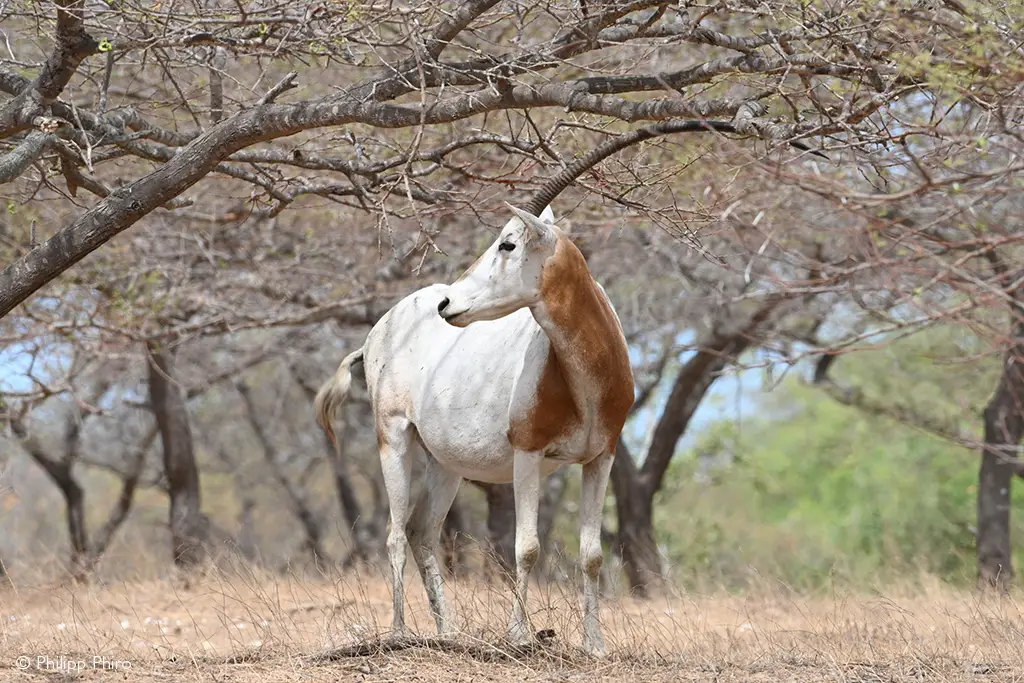
Declared Extinct in the Wild in 2000, the scimitar-horned oryx is now breeding again in its former range.
Reintroductions began in 2016 in Chad’s Ouadi Rimé-Ouadi Achim reserve. By mid-2026, more than 650 free-ranging animals had reportedly been recorded. In 2023, the species was reclassified as Endangered, demonstrating the value of sustained captive breeding, reintroduction and protection.
Roloway monkey (Cercopithecus roloway)
Critically Endangered | Ghana and Côte d’Ivoire
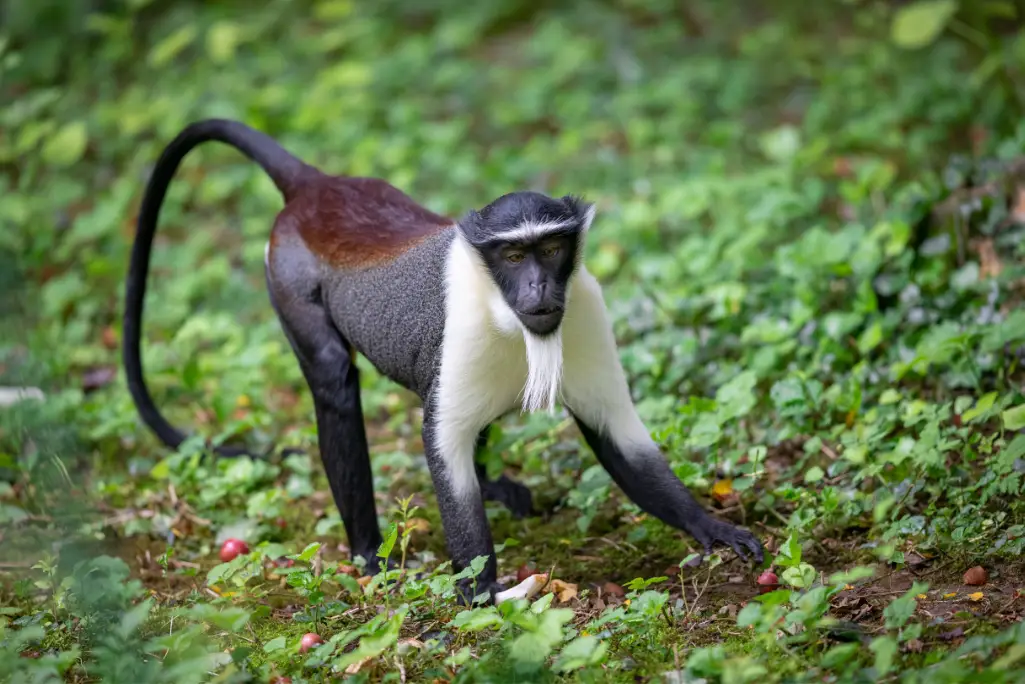
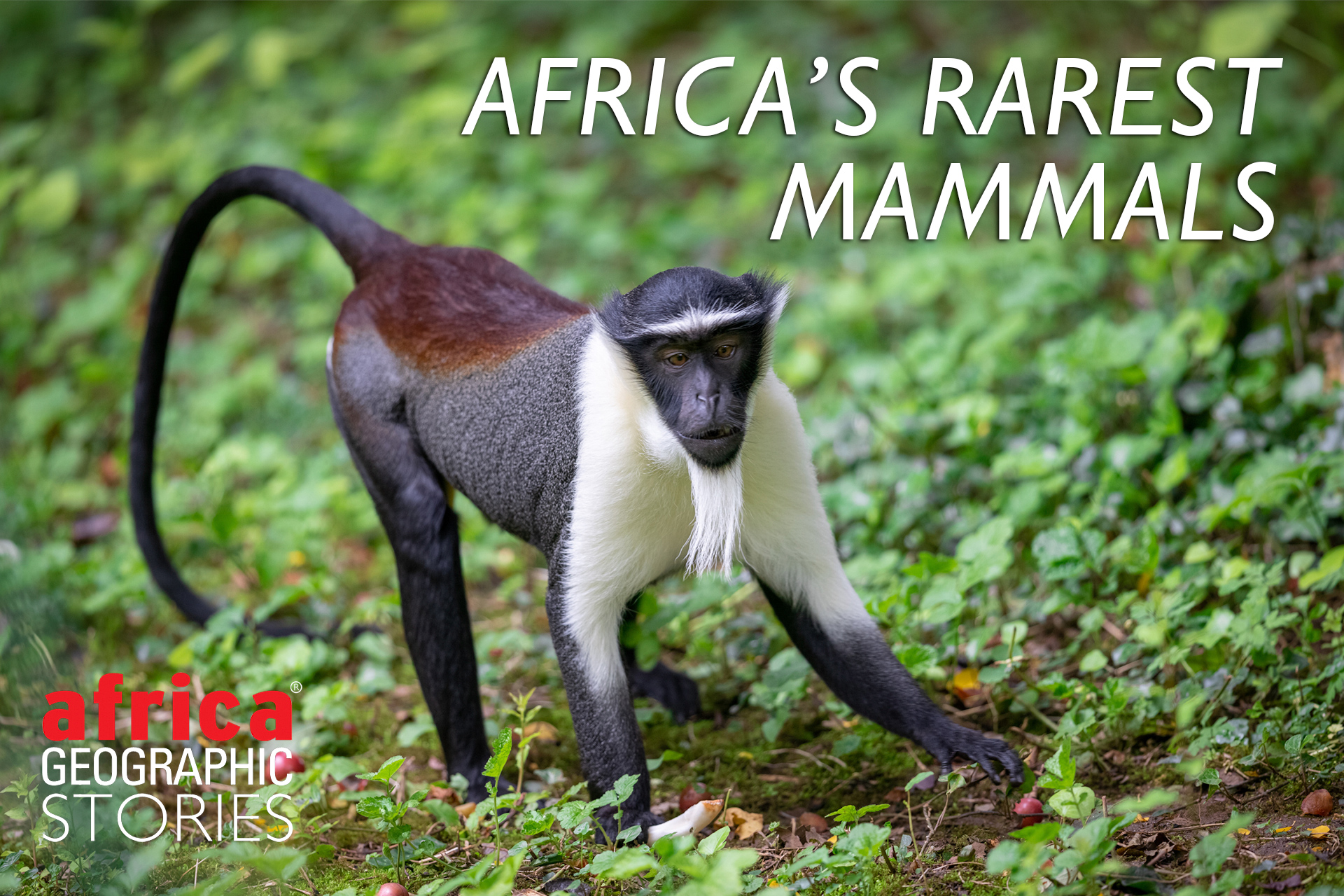
With its long white beard and contrasting black-and-white coat, the roloway monkey is one of West Africa’s most distinctive primates.
Hunting and forest clearance have eliminated it from much of its former range. An older global assessment estimated fewer than 2,000 individuals, while a 2026 study suggested fewer than 100 within the surveyed Tanoé-Ehy forest area. Conservation teams use thermal drones to locate surviving groups, but sightings remain exceptionally rare.
Pygmy hippopotamus (Choeropsis liberiensis)
Endangered | West Africa
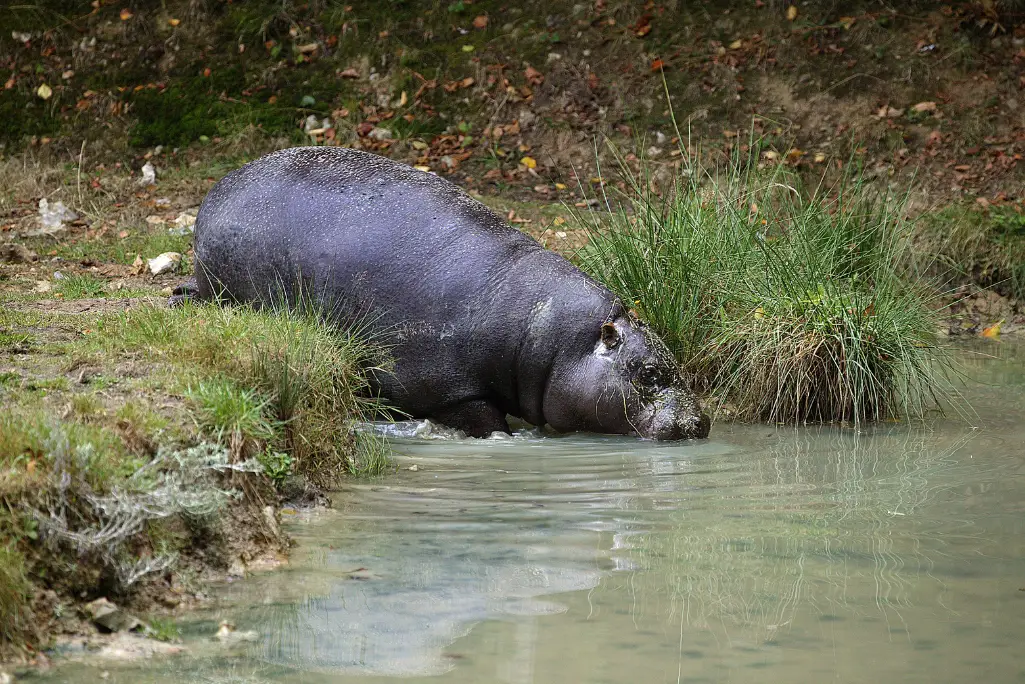
Much smaller than the common hippo, this secretive mammal inhabits dense forests and swamps in Liberia, Sierra Leone, Guinea and Côte d’Ivoire.
A 2015 IUCN assessment estimated 2,000–2,499 mature individuals, although an updated count is needed. Logging, agriculture, mining and hunting threaten its habitat. Camera traps help monitor populations in Sapo National Park and the Gola and Taï forests, where sightings are exceptionally rare.
Africa’s rarest mammals – difficult to count
Some species may be even rarer than those above, but insufficient research makes reliable population estimates impossible.
Riverine rabbit (Bunolagus monticularis)
Endangered in South Africa’s 2025 regional assessment | South Africa
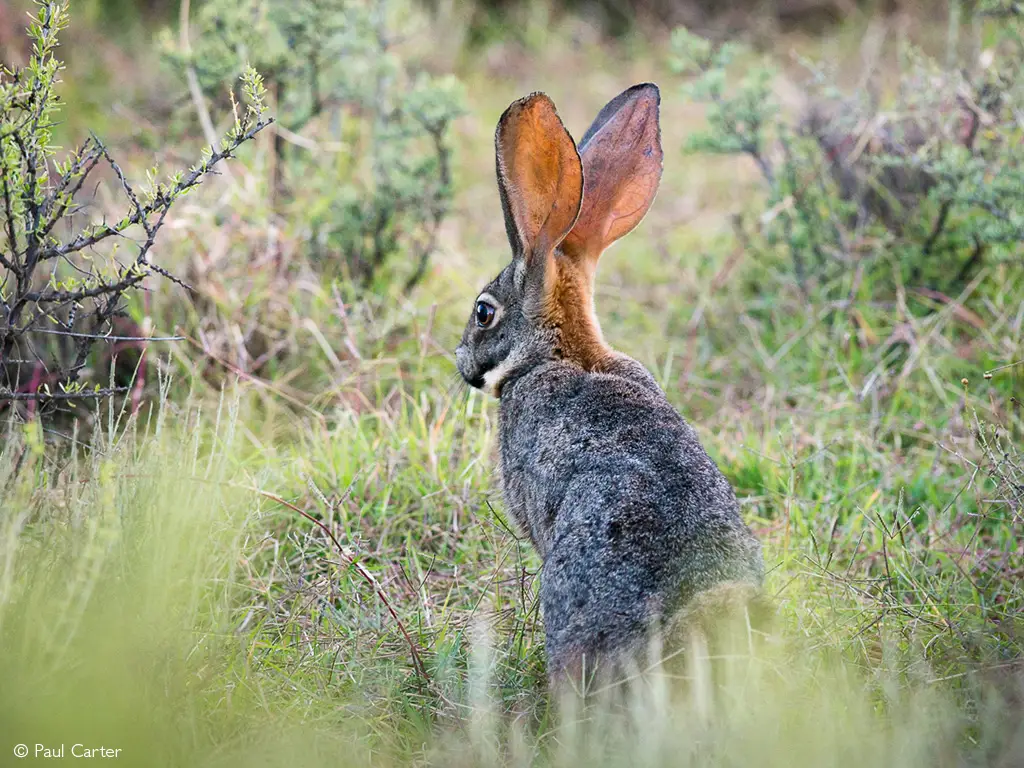
Found only in South Africa, this nocturnal rabbit inhabits suitable drainage-line vegetation in parts of the Karoo.
Its population remains unknown, although historical estimates suggested only a few hundred individuals. Agricultural transformation and habitat fragmentation are major threats. The Endangered Wildlife Trust works with landowners to protect remaining habitat and improve monitoring.
Niger Delta red colobus (Piliocolobus epieni)
Critically Endangered | Nigeria
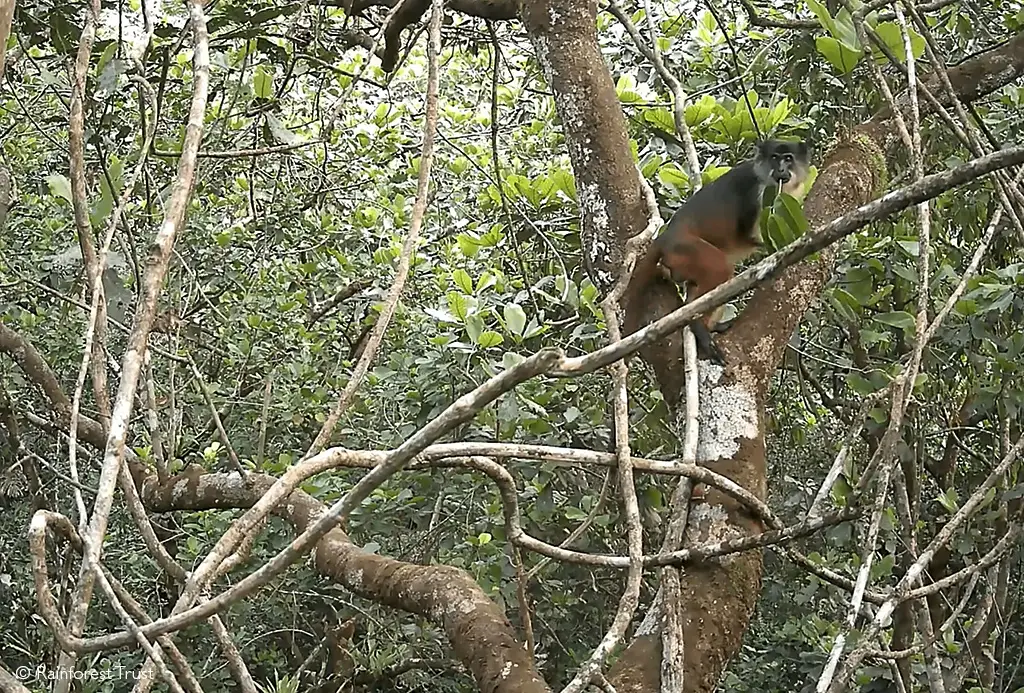
This little-known monkey inhabits fragmented freshwater swamp forests in southern Nigeria’s Niger Delta. Its population is unknown, and logging, hunting, agriculture, and oil-related development threaten its habitat.
In 2025, researchers reported the first video footage of the species, confirming its continued survival. Protecting remaining forest and supporting local conservation efforts are essential.
Rondo galago (Paragalago rondoensis)
Endangered | Tanzania
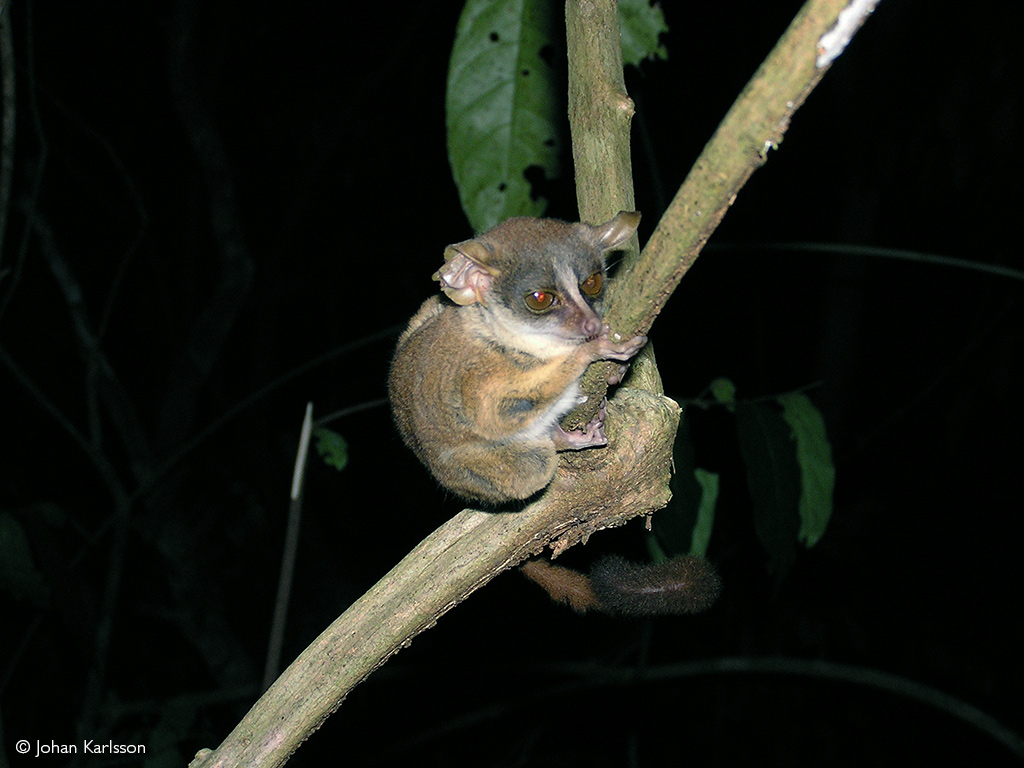
The Rondo galago is a small, nocturnal primate surviving in scattered coastal forest fragments in Tanzania.
Its population is unknown. Agriculture, charcoal production and timber extraction continue to destroy its habitat. The Rondo Plateau and coastal forests near Saadani are known localities, but observing the species requires specialist fieldwork.
Africa’s rarest mammals – subspecies
Several of Africa’s most threatened mammals are subspecies rather than separate species. This distinction matters when comparing population estimates and extinction risk.
Northern white rhinoceros (Ceratotherium simum cottoni)
Critically Endangered | Kenya
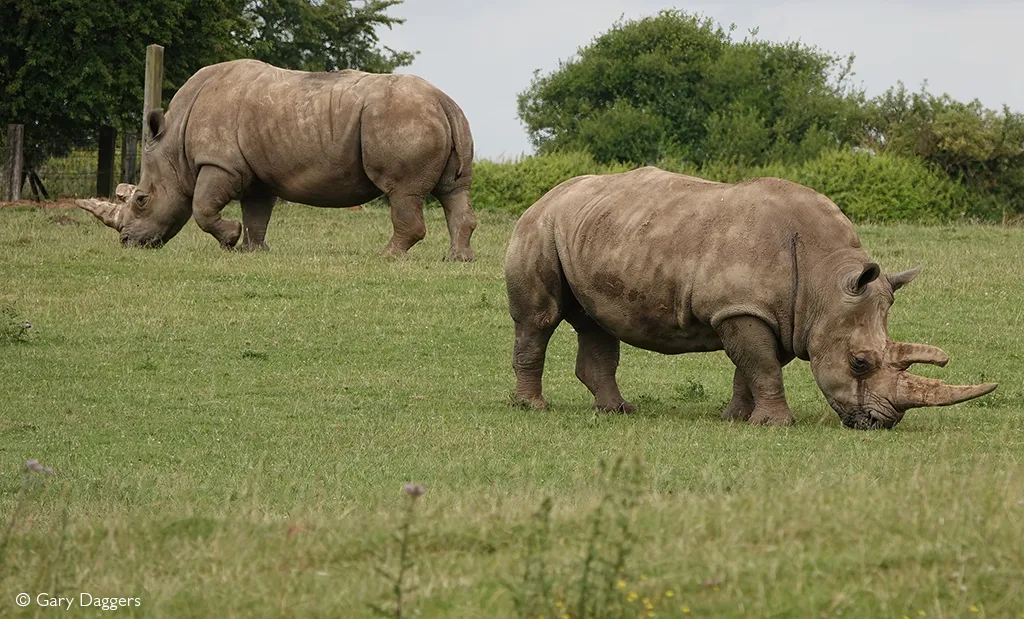
Only two northern white rhinos remain: Najin and Fatu, both females, at Ol Pejeta Conservancy in Kenya. Neither can reproduce naturally, leaving the subspecies functionally extinct.
Poaching and armed conflict in South Sudan, Chad and the Central African Republic destroyed the wild population. Scientists working through BioRescue are attempting to produce calves using assisted reproduction and southern white rhino surrogates. By April 2026, the programme had produced 39 northern white rhino embryos. Visitors can see Najin and Fatu on organised conservation visits.
Mountain bongo (Tragelaphus eurycerus isaaci)
Critically Endangered | Kenya
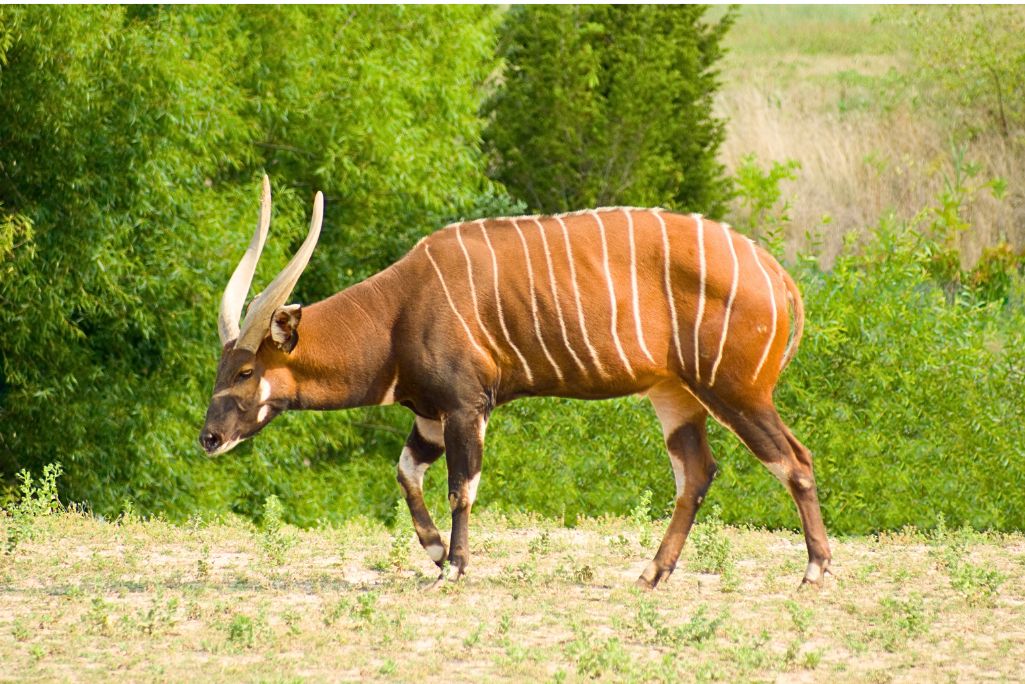
Fewer than 65 mountain bongos remain in the wild. Endemic to Kenya, this elusive forest antelope now survives in small, isolated populations, particularly in the Aberdare Range and Maasai Mau Forest.
Poaching, habitat loss and disease have driven its decline. Captive breeding and reintroduction programmes are helping rebuild numbers, with calves already born to released animals. Kenya’s new recovery plan aims to establish a self-sustaining wild population of 750 by 2075. Wild sightings remain exceptionally rare.
Western giant eland (Tragelaphus derbianus derbianus)
Critically Endangered | Senegal
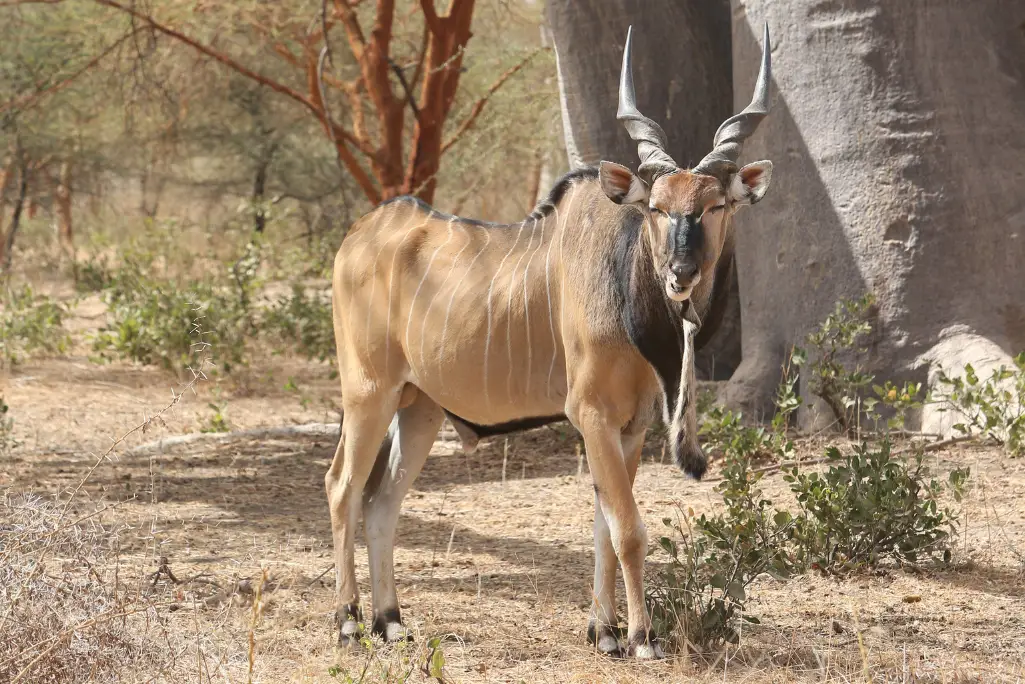
The western giant eland is a subspecies of Africa’s largest antelope, surviving principally in Senegal’s Niokolo-Koba National Park.
Hunting, habitat degradation and livestock pressure threaten its small remaining wild population. Anti-poaching patrols and managed breeding programmes at Bandia and Fathala reserves support conservation. Wild sightings remain difficult.
Cross River gorilla (Gorilla gorilla diehli)
Critically Endangered | Nigeria and Cameroon
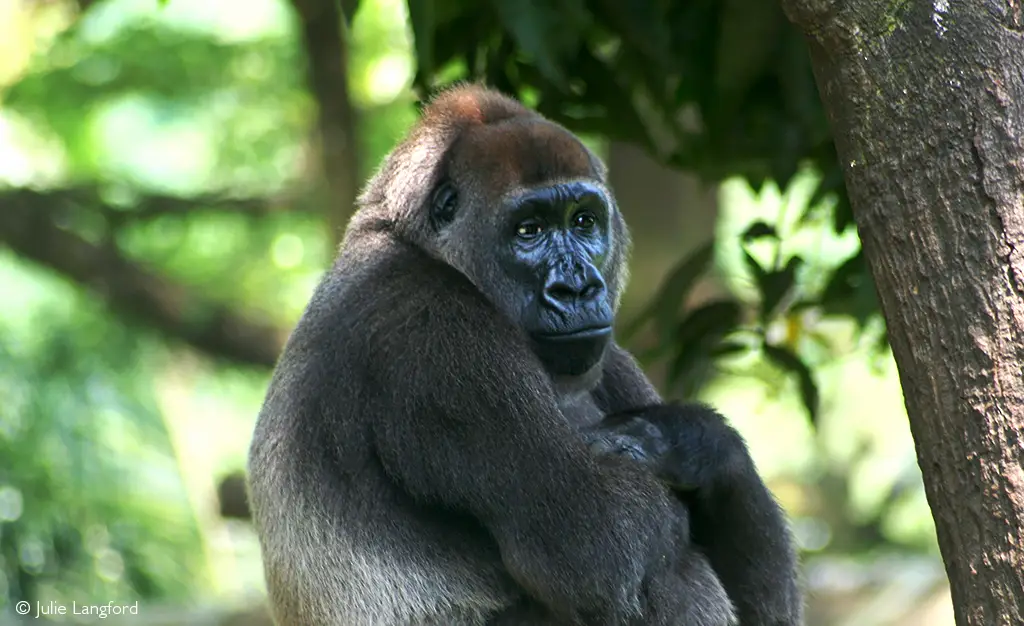
The world’s rarest gorilla subspecies survives in fragmented forests along the Nigeria-Cameroon border, with an estimated 200–300 individuals remaining.
Hunting, forest conversion and isolation threaten its small breeding groups. Conservation focuses on protecting forest corridors and working with local communities. Unlike mountain gorillas, Cross River gorillas have no established tourist trekking programme.
Northwest African cheetah (Acinonyx jubatus hecki)
Critically Endangered | Sahara and Sahel
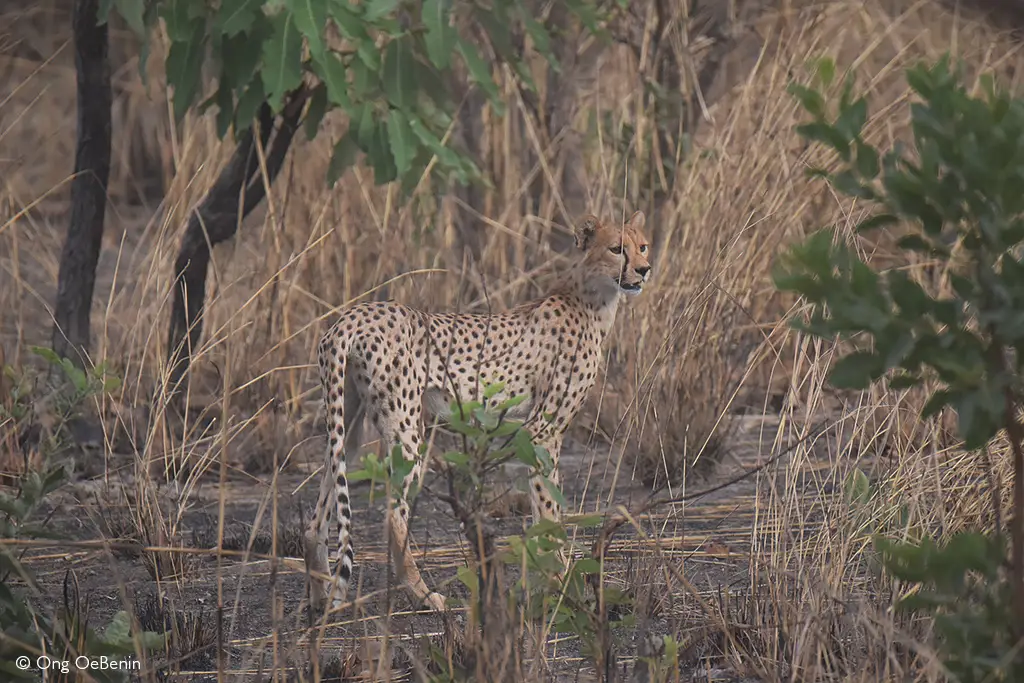
This pale-coated, desert-adapted cheetah survives in extremely small, isolated populations across the Sahara and Sahel.
Declining prey, livestock conflict, persecution and habitat disturbance threaten its survival. Reliable population estimates are unavailable, and remote camera traps provide important evidence of its continued presence. Wild sightings are extraordinarily unlikely.
West African giraffe (Giraffa camelopardalis peralta)
Vulnerable in subspecies assessments | Niger
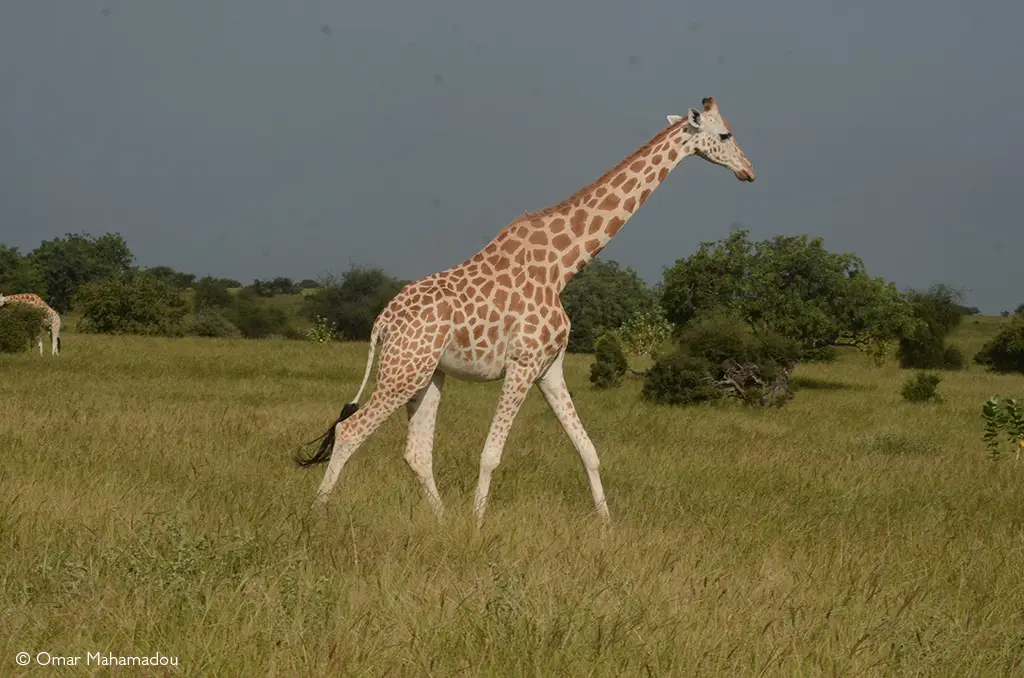
The West African giraffe is an important conservation success. Its population fell to approximately 70 in the 1990s but recovered to around 669 individuals, according to the 2025 State of Giraffe report.
Community conservation, monitoring and translocations have supported recovery in Niger’s Kouré landscape and Gadabedji. Agricultural expansion and habitat fragmentation remain threats.
Africa’s rarest mammals – Madagascar and islands
Madagascar’s isolation has produced extraordinary mammal diversity, but widespread forest loss threatens many species found nowhere else.
Northern sportive lemur (Lepilemur septentrionalis)
Critically Endangered | Madagascar
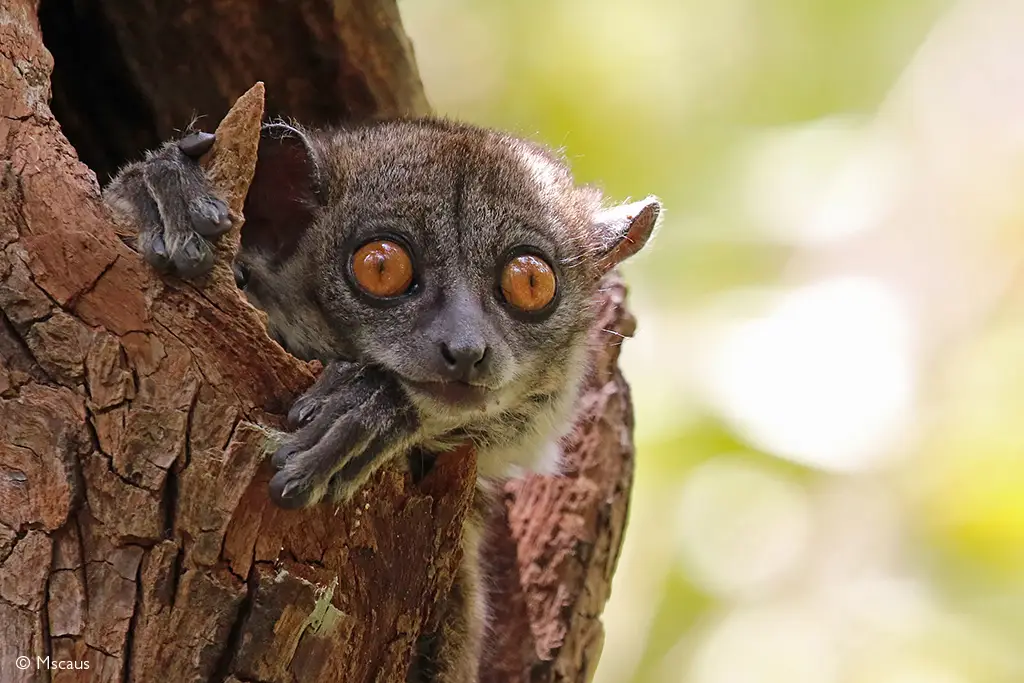
Fewer than 100 northern sportive lemurs are estimated to survive in fragmented dry forest around Montagne des Français in northern Madagascar.
This small, nocturnal primate is threatened by forest clearance, charcoal production and fuelwood extraction. Conservation focuses on protecting and restoring its remaining habitat.
Silky sifaka (Propithecus candidus)
Critically Endangered | Madagascar
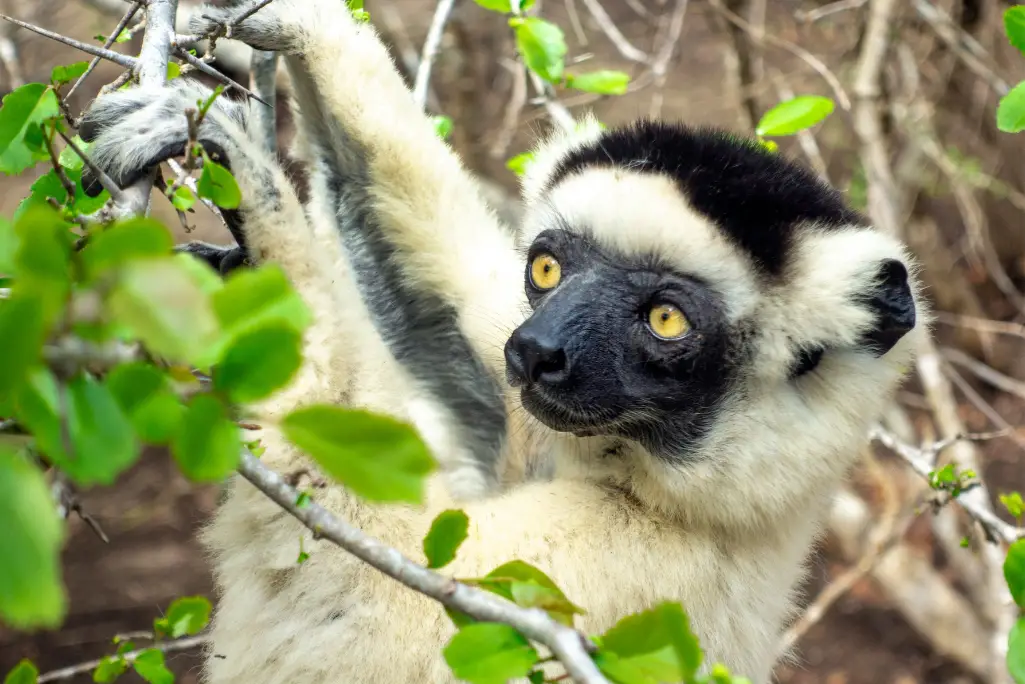
Distinguished by its long, predominantly white fur, the silky sifaka is among Madagascar’s rarest lemurs.
A 2026 conservation strategy estimated fewer than 300 mature individuals in northeastern rainforests, particularly around Marojejy and Anjanaharibe-Sud. Hunting and forest destruction threaten its survival. Marojejy National Park offers challenging but possible sightings.
Greater bamboo lemur (Prolemur simus)
Critically Endangered | Madagascar
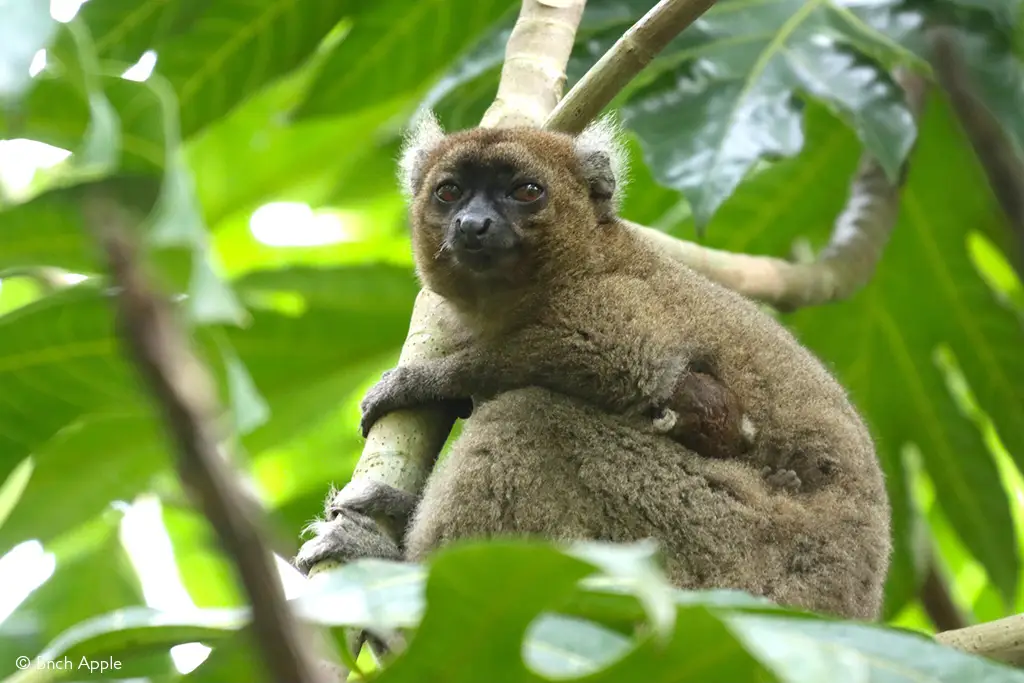
This highly specialised lemur depends heavily on bamboo and survives in fragmented forests in eastern Madagascar, including the Ranomafana landscape.
Its total population remains uncertain, although a 2025 conservation report documented 445 individuals surveyed in the Vohitrarivo area alone. Forest clearance, hunting and bamboo habitat degradation threaten the species. Ranomafana National Park is a recognised locality.
Madame Berthe’s mouse lemur (Microcebus berthae)
Critically Endangered | Madagascar
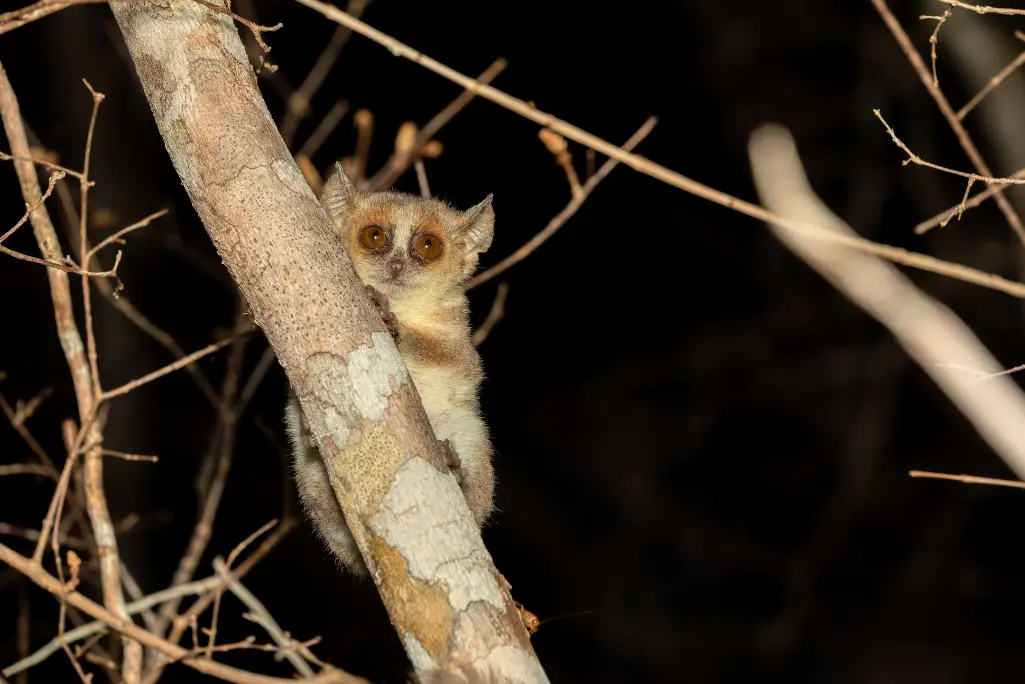
One of the world’s smallest primates, Madame Berthe’s mouse lemur is a tiny nocturnal mammal historically associated with the dry forests of western Madagascar.
Its population is unknown. Deforestation, agricultural expansion and fires have devastated habitat in the Menabe region. Although historically recorded in Kirindy Forest, its current distribution requires further confirmation.
Seychelles sheath-tailed bat (Coleura seychellensis)
Critically Endangered | Seychelles
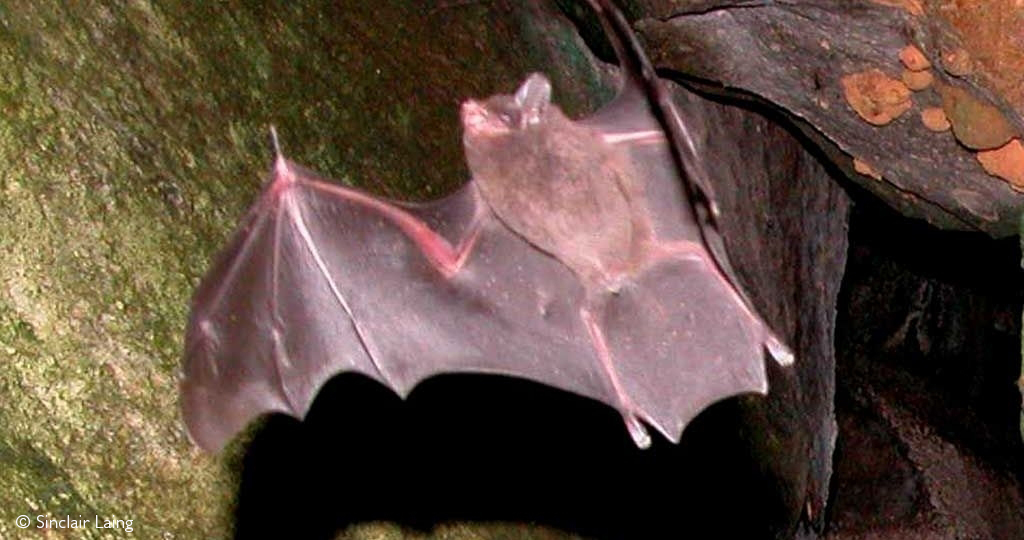
One of the world’s rarest bats, the Seychelles sheath-tailed bat has an estimated 50–100 mature individuals remaining, according to an IUCN assessment completed in 2024.
This small insect-eating mammal survives in very few colonies, including on Mahé and Silhouette islands. Roost disturbance, habitat changes and predation threaten its survival, making roost protection essential.
Africa’s rarest mammals – safari favourites
Several animals familiar to safari enthusiasts have surprisingly small populations, despite their prominence in wildlife tourism.
Ethiopian wolf (Canis simensis)
Endangered | Approximately 454 adults
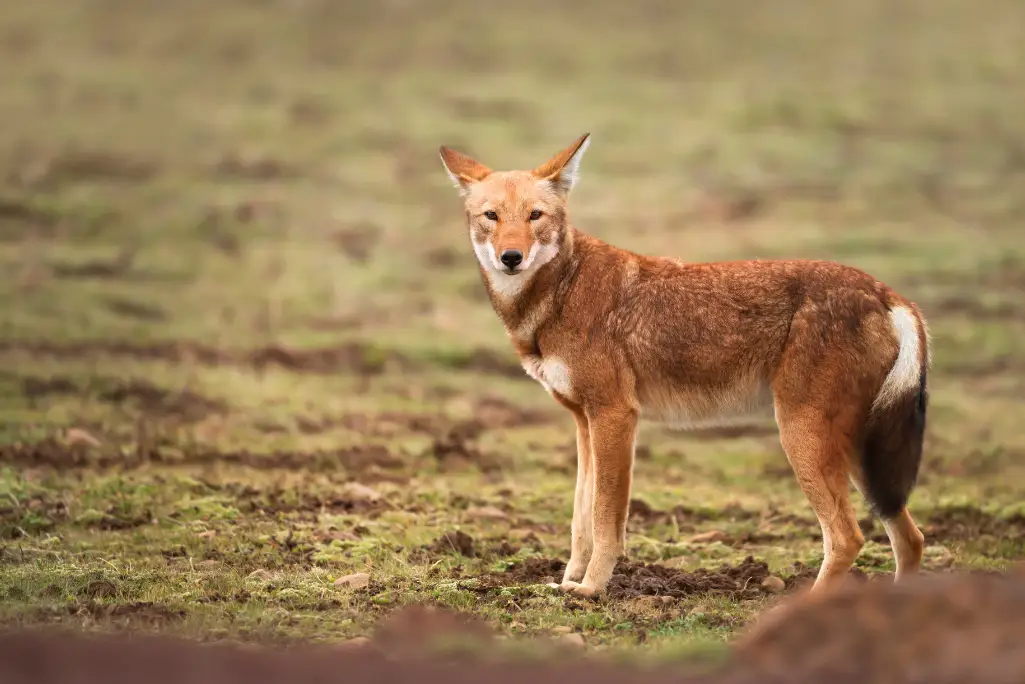
As Africa’s rarest wild canid, the Ethiopian wolf has earned two spots on our list. The wolf survives in the Ethiopian highlands. The Sanetti Plateau in Bale Mountains National Park and Simien Mountains National Park both offer opportunities to watch these specialised rodent hunters. Disease transmitted by domestic dogs remains a major threat.
Mountain gorilla (Gorilla beringei beringei)
Endangered | 1,063 in the last published combined census figures
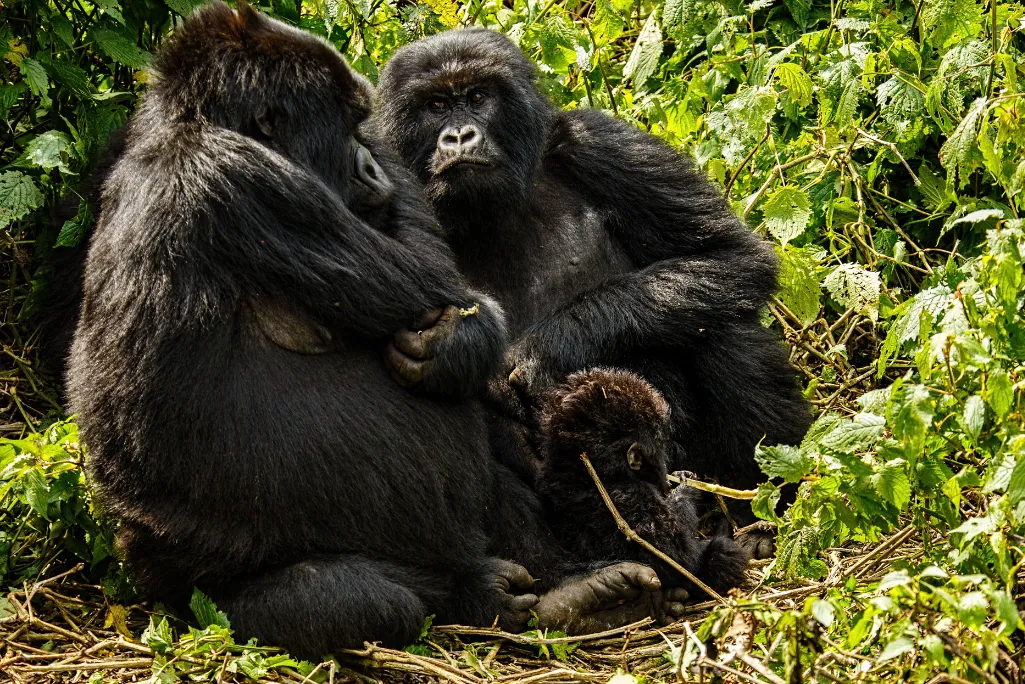
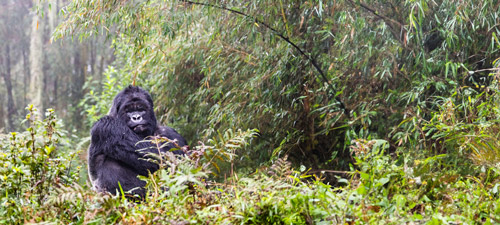
Intensive protection and carefully managed tourism have helped mountain gorillas recover. Trekking is possible in Rwanda’s Volcanoes National Park, Uganda’s Bwindi Impenetrable and Mgahinga Gorilla National Parks, and Virunga National Park in the Democratic Republic of Congo, subject to permits and local conditions. Newer census work is underway.
African wild dog (Lycaon pictus)
Endangered | Approximately 1,700 mature individuals
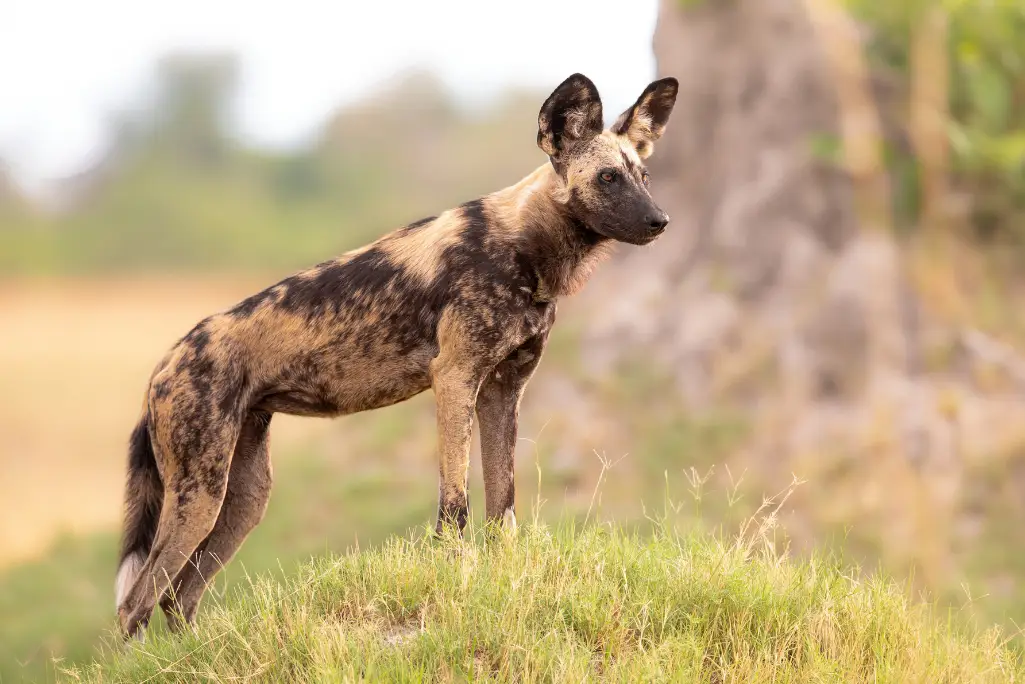
Habitat fragmentation, persecution and infectious disease threaten these highly social predators. Botswana’s Okavango Delta, along with parts of Zimbabwe, Zambia and Tanzania, offers opportunities to observe their remarkable pack behaviour.
Black rhinoceros (Diceros bicornis)
Critically Endangered | 6,788 individuals at the end of 2024
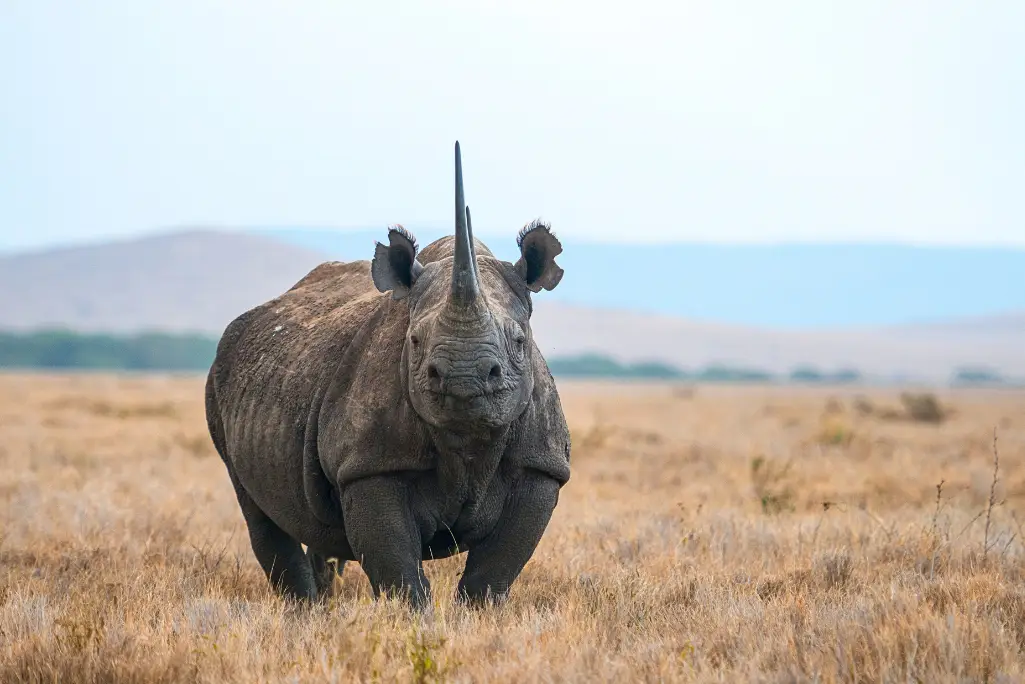
Poaching remains a major threat despite decades of conservation investment. Namibia, Kenya and South Africa are important strongholds, where protected areas and intensive monitoring support surviving populations.
Cheetah (Acinonyx jubatus)
Vulnerable | Approximately 6,500 mature individuals
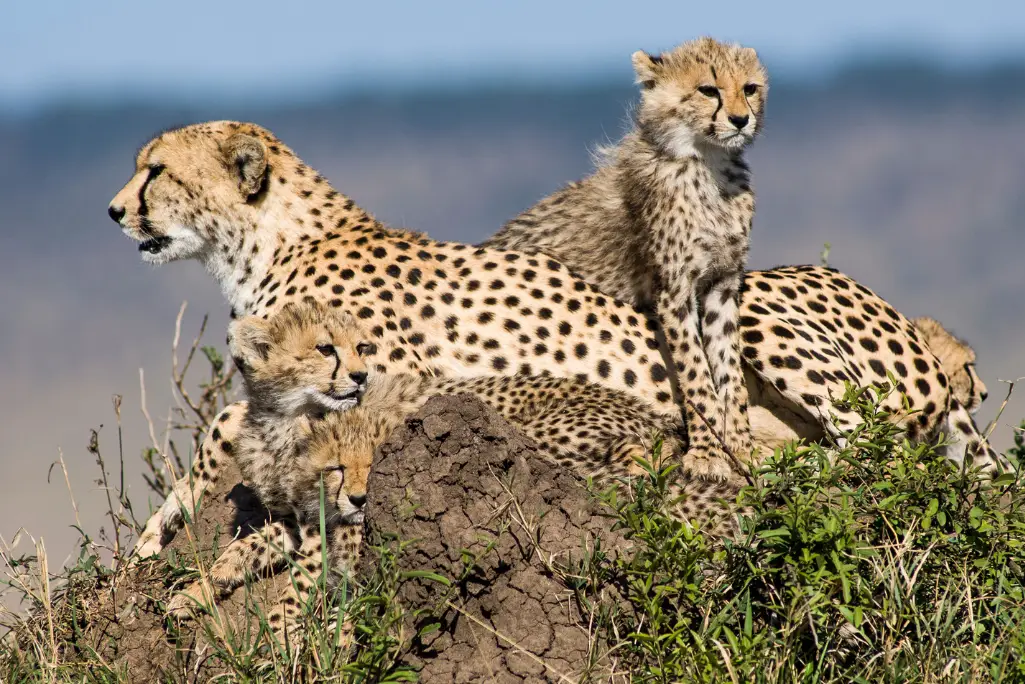
Cheetahs require extensive habitats and healthy prey populations. Habitat fragmentation, declining prey and conflict with livestock farmers threaten their survival. Kenya, Tanzania, Namibia and Botswana remain important destinations for sightings.
White rhinoceros (Ceratotherium simum)
Near Threatened | 15,752 individuals at the end of 2024
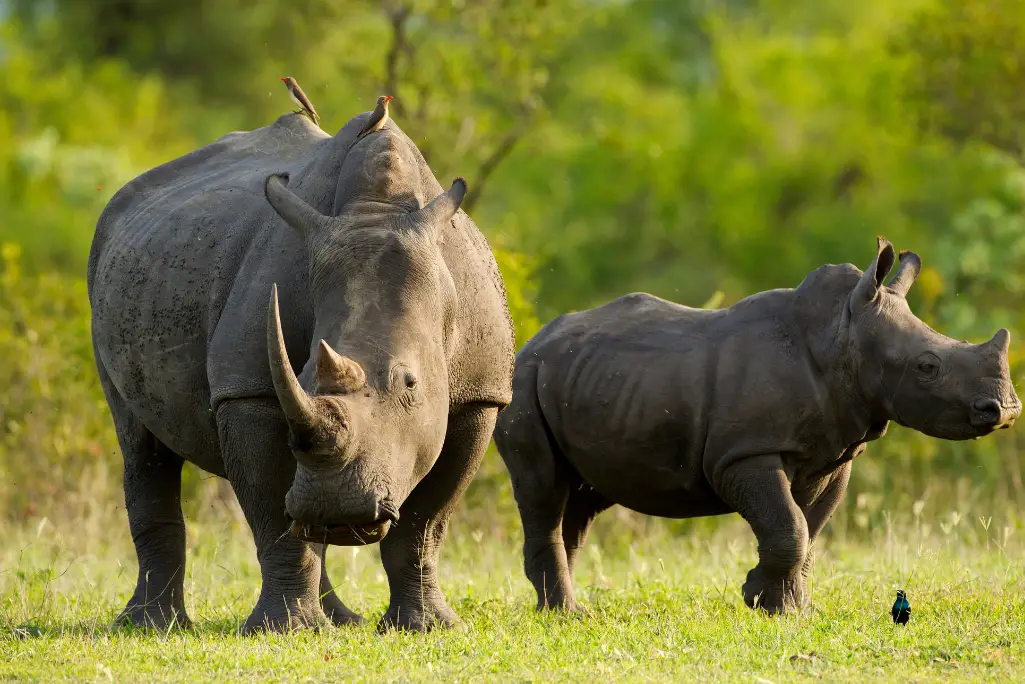
The white rhino has recovered considerably from historical lows, but poaching remains a major threat. South Africa holds the largest population, with important populations also in Namibia and Kenya. Almost all surviving white rhinos belong to the southern subspecies.
Lion (Panthera leo)
Vulnerable | Approximately 22,000–25,000 adults and subadults
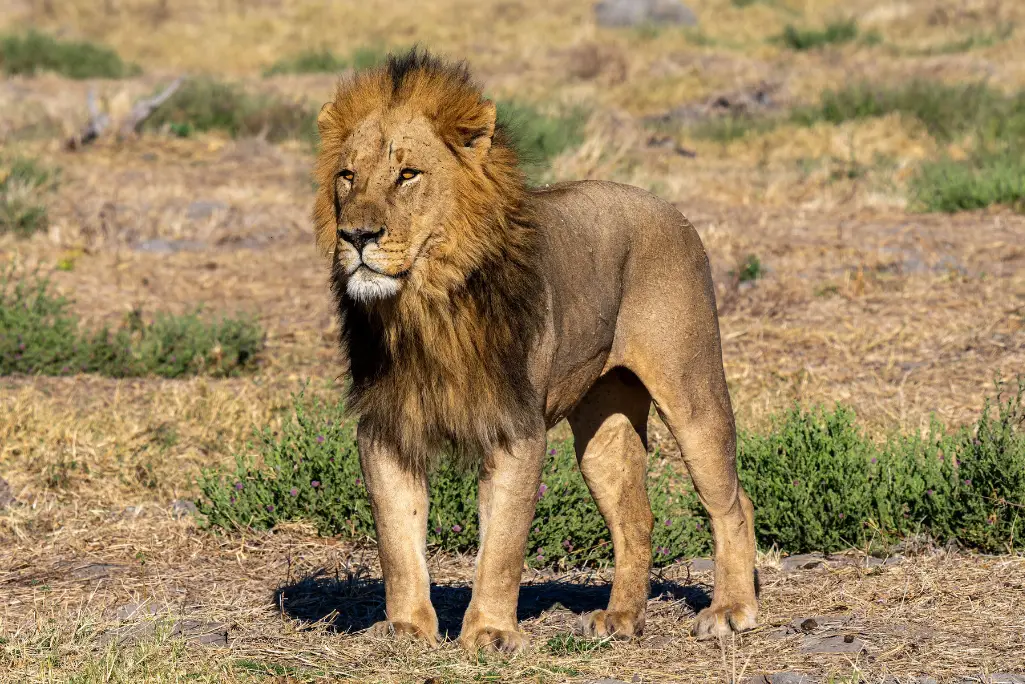
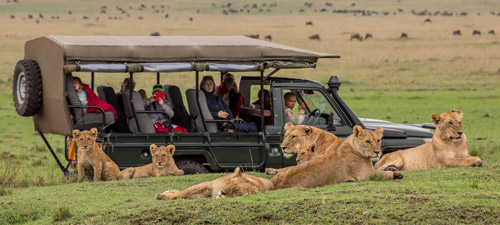
Habitat loss, declining prey and human-wildlife conflict threaten lions across much of their former range. Important strongholds remain in Tanzania, Botswana, Zambia and South Africa, where conservation areas support significant populations.
African forest elephant (Loxodonta cyclotis)
Critically Endangered | Approximately 135,690 estimated in surveyed areas
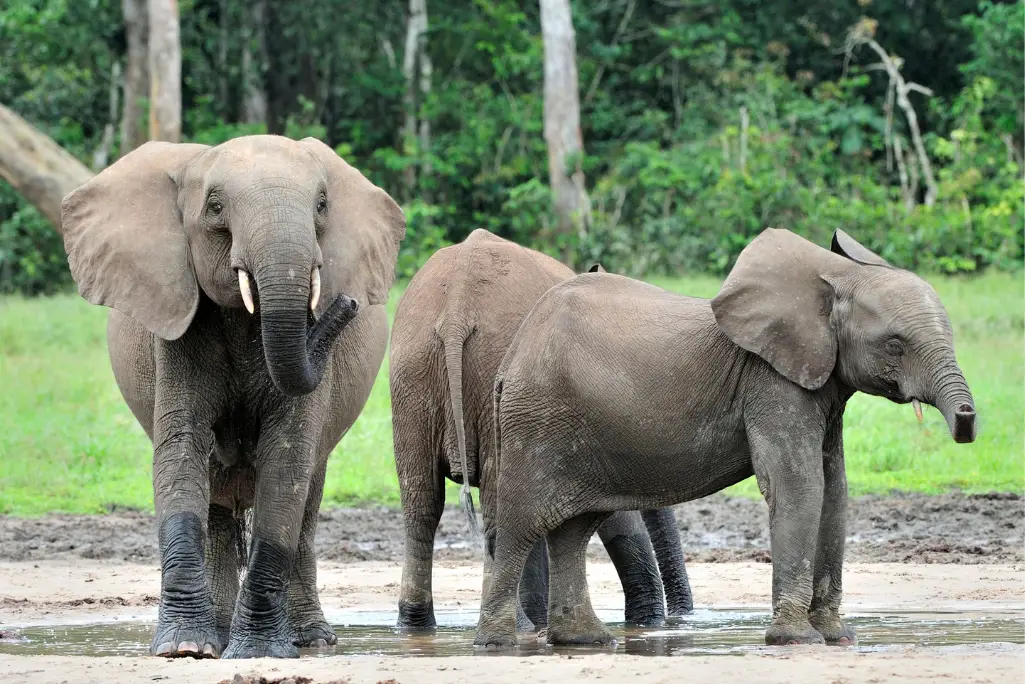
An IUCN assessment released in 2025 estimated 135,690 forest elephants in areas surveyed between 2016 and 2022. Poaching and forest loss remain major threats. Gabon, Congo-Brazzaville and the Central African Republic support important populations, although their elusive habits make sightings difficult.
Why are Africa’s rarest mammals disappearing?
Hunting, poaching and habitat destruction are major drivers of decline. Agricultural expansion, logging and development fragment populations, while livestock competition, disease and climate pressures create additional threats.
Small populations also face genetic and reproductive challenges, making recovery difficult even when immediate threats are reduced.
Conservation responses vary. Ethiopian wolves benefit from disease prevention, hirola from grassland restoration, and forest primates from habitat protection. The scimitar-horned oryx demonstrates the potential of breeding and reintroduction, while the northern white rhino illustrates the consequences of intervention coming too late.
Can Africa’s rarest mammals recover?
The return of the scimitar-horned oryx to the wild and the recovery of the West African giraffe demonstrate that conservation can reverse severe declines.
Wildlife tourism can support protected areas, research and local livelihoods, but many rare species inhabit sensitive or inaccessible environments where tourism is neither practical nor desirable.
Their survival depends on continued scientific monitoring, habitat protection, effective law enforcement and cooperation with local communities. For some species, populations are recovering. For others, preventing further losses remains the immediate priority.
Population estimates are drawn from assessments and conservation reports published at different times. This is a curated selection, not a comprehensive ranking. Some poorly studied mammals, particularly bats, rodents and shrews, may be equally rare or rarer.
Further reading
- Discover ten African cat species, from lions and leopards to elusive small cats, their habitats, behaviours, and conservation challenges
- 15 top African wildlife experiences: Check out our ultimate guide to your African safari bucket list. Here are our choices of 15 top African wildlife experiences on the continent
- Today, 11 African canids, from excitable African painted wolves and shrewd jackals to the tiny fox species, hunt the continent’s desert, alpine grassland, savanna and woodland. Get to know Africa’s 11 fascinating canid species
To comment on this story: Login (or sign up) to our app here - it's a troll-free safe place 🙂.