


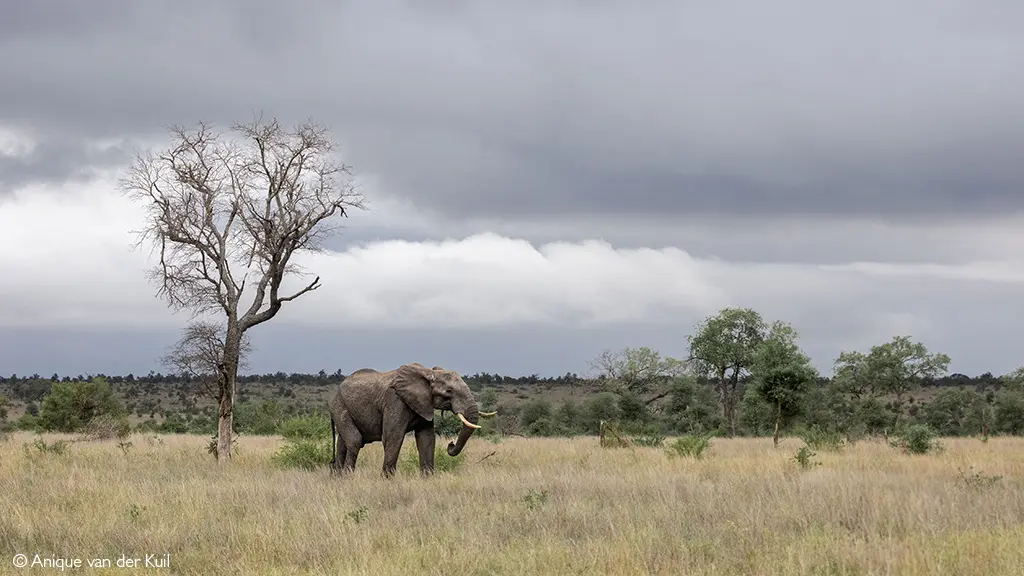
- Reconnected Greater Kruger landscapes triggered rapid elephant-driven changes to woody vegetation and habitat structure.
- Dense woodlands had developed during decades when fences excluded elephants from private reserves.
- Above three elephants per square kilometre, woody biomass and canopy loss accelerated dramatically.
- Elephant impacts create ecological trade-offs between biodiversity, carbon storage and open savanna restoration.
- Researchers recommend large connected landscapes with varied elephant densities to support diverse ecosystems.
 Are you keen to see the elephants of South Africa’s Greater Kruger? Check out these amazing safari ideas to Greater Kruger.
Dr. Konrad Wessels and By Dr. Mike Peel
The first signs are subtle: a snapped marula branch here, a toppled knobthorn there. Then, almost imperceptibly, the landscape begins to change.
Across the Greater Kruger ecosystem, elephants are once again moving freely through landscapes that were, in many instances, inaccessible to them for more than half a century. As conservationists have removed fences and restored connectivity between private reserves and the Kruger National Park, one of Africa’s most important ecosystem engineers has begun reshaping landscapes that had developed over decades in their absence.
A new study published in Biological Conservation has now revealed just how profound the changes can be. Using a combination of long-term field monitoring and aerial count data collected by the Agricultural Research Council (Dr Mike Peel, Animal Production Institute), airborne LiDAR surveys and cutting-edge radar satellite technology (Dr Konrad Wessels, George Mason University), scientists tracked changes in woody vegetation cover and biomass across more than 4,000 km² of private reserves adjacent to Kruger National Park. The results paint a remarkable picture of ecological transformation brought about in a relatively short time by changes in elephant densities following the removal of fences.
What makes this study particularly powerful is that it captures a rare natural experiment. As fences between Kruger National Park and neighbouring private reserves were removed at different times over the past three decades, each reserve effectively represented a different stage of elephant recolonisation. With more than 35 years of elephant and vegetation monitoring, researchers observed how woody vegetation responded as elephants returned to landscapes from which they had long been excluded. The study is further unique in that it relates data collected in the field directly to remotely sensed data, with significant results at scale (spatial and temporal).
Many private reserves bordering Kruger maintained very low elephant numbers for decades. Large trees matured, canopies expanded, nutrient cycling was enhanced, and substantial carbon stores accumulated within the landscape. Importantly, this dense woody vegetation was not necessarily representative of the typical open savanna. Following the erection of veterinary fences in the late 1950s and 1960s, many of these reserves remained largely isolated from elephants for between 50 and 80 years. During that time, large numbers of palatable trees accumulated (for example, Lannea schweinfurthii, Senegalia nigrescens and Sclerocarya birrea) because elephants were no longer browsing, breaking and toppling them as they otherwise would have. The study suggests that the dramatic vegetation changes seen after fence removal represent a transition back to a typical open savanna woody vegetation structure, rather than simply the loss of trees.
When fences were removed, however, elephants responded quickly. In some reserves, elephant densities increased from fewer than 0.5 elephants per square kilometre to more than 5 elephants per square kilometre within two years. The impact was dramatic. Woody canopy cover fell from roughly 50% to 20%, while above-ground woody biomass declined by more than two-thirds. The rapid change is potentially exacerbated by the high density of waterholes in private reserves that allows elephants access to permanent water sources and their favourite trees. These changes unfolded in as little as four years, after which woody biomass approached levels similar to, and in cases lower than, those found across the surrounding Greater Kruger landscape. After four to five years the elephant densities decrease again, but maintain a positive trend similar to Greater Kruger, along with a slower rate of continued woody biomass loss.
The study documents the ecological response to reconnecting landscapes that had been artificially fragmented for decades. Many of these private reserves had been isolated from elephant populations for between 50 and 80 years, allowing unusually dense woody vegetation to develop in their absence. As elephants regained access, they re-established ecological processes that had long been absent, shifting the vegetation towards the more open savanna conditions found across the wider Greater Kruger ecosystem.
The researchers found that the initial spike in elephant density was also temporary. Newly opened reserves experienced a rapid influx of elephants, attracted by decades of accumulated woody vegetation and abundant palatable tree species. As those resources became less concentrated and the vegetation began to resemble neighbouring reserves, elephant densities declined again, but resembled the ever-increasing density of the growing Greater Kruger population.
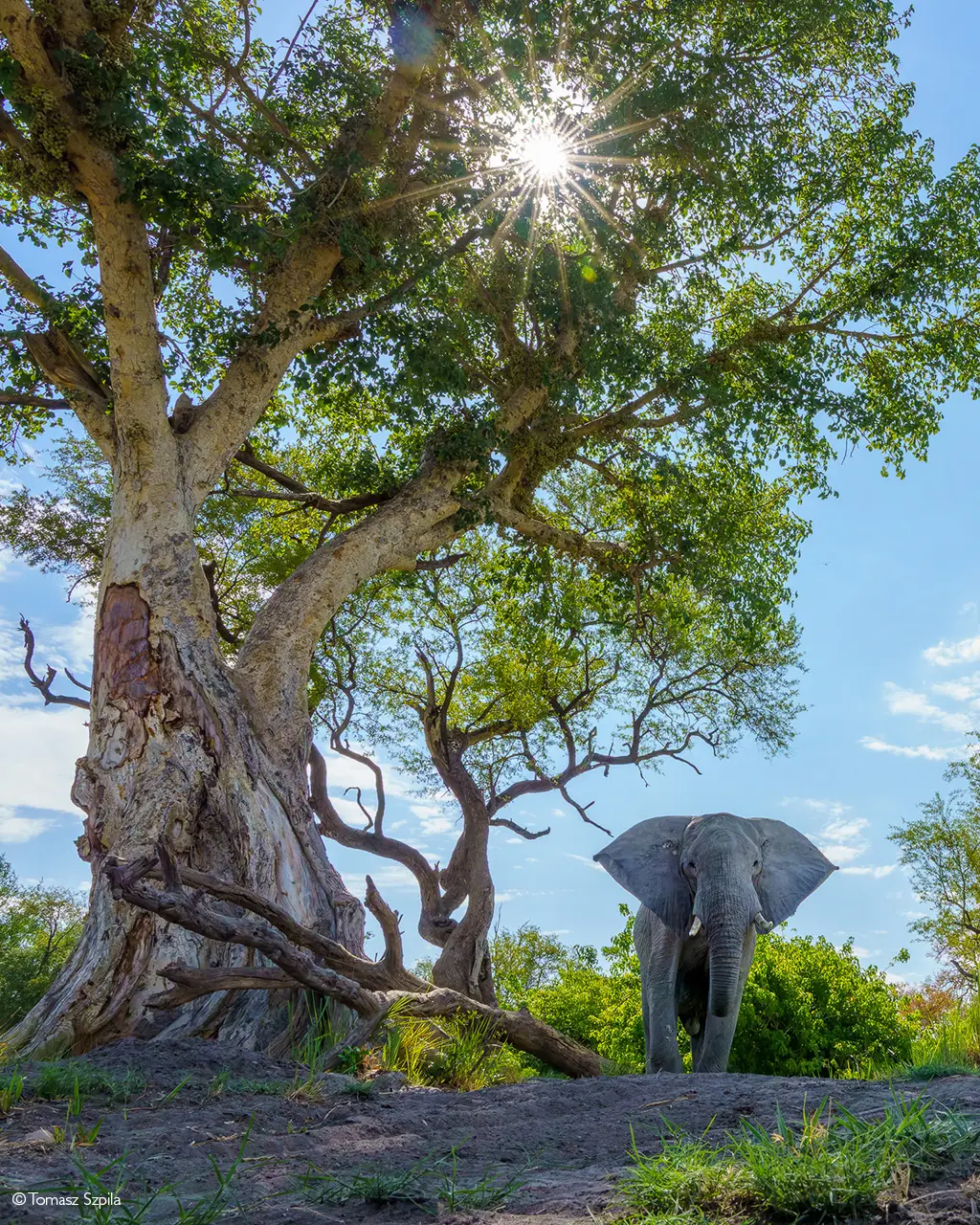
Ecosystem engineers at work
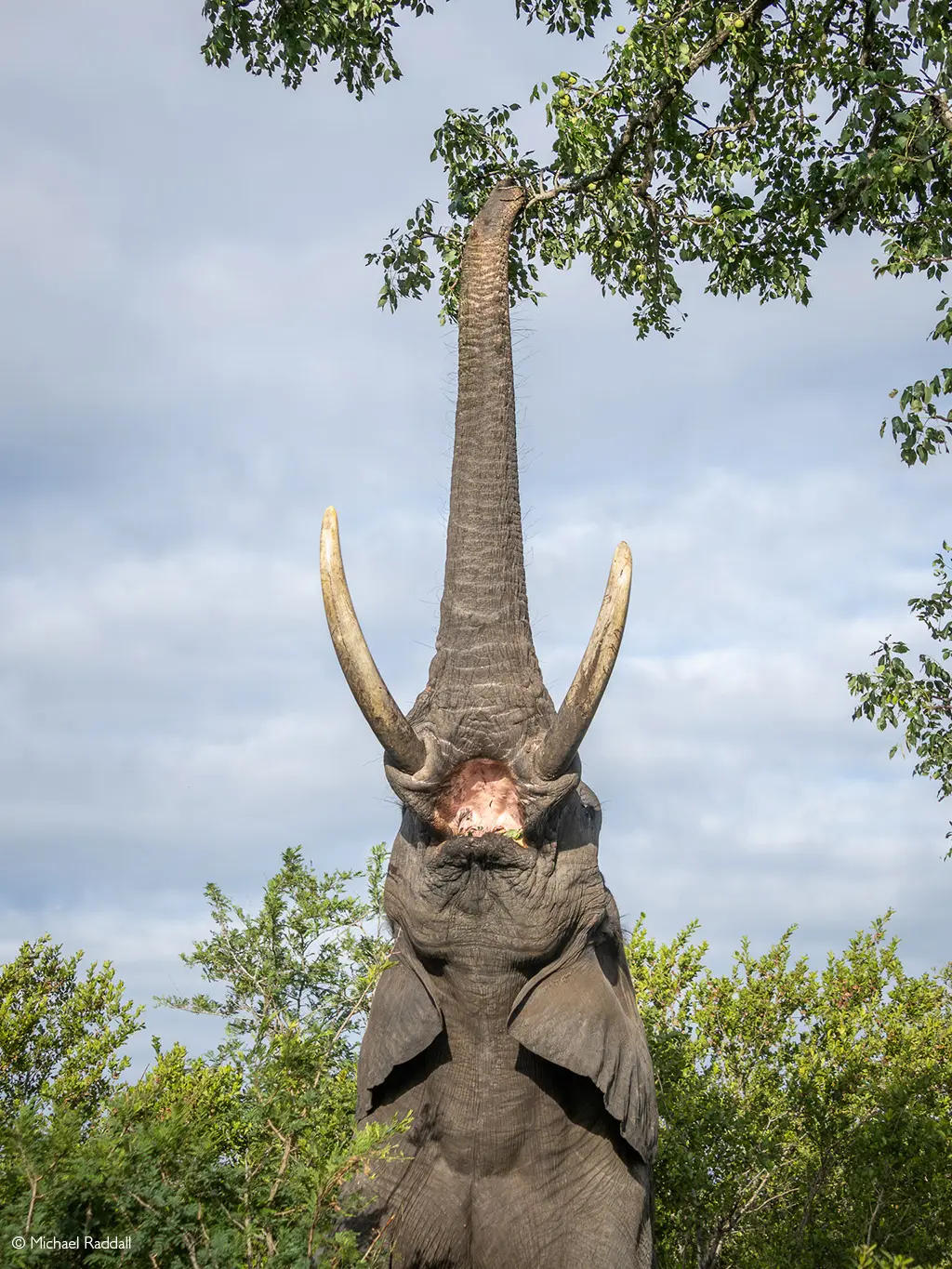
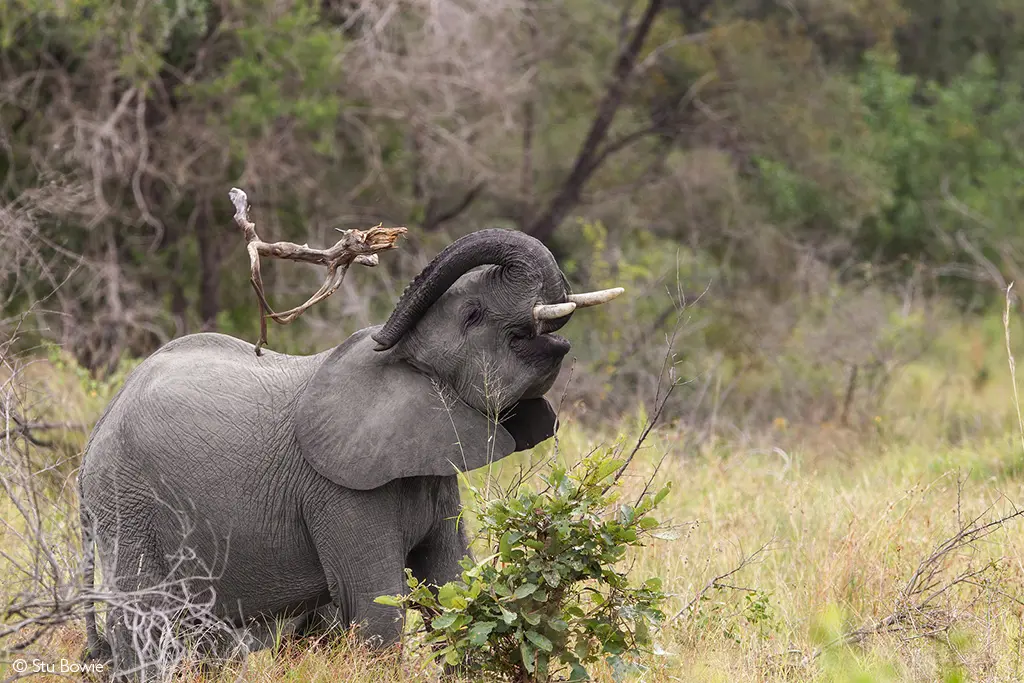
Elephants are often described as ecosystem engineers – species capable of physically modifying their environment. They break branches, push over trees, strip bark and create openings in dense woodland. The study also highlights that not all of these changes should be viewed as negative. While elephants reduce woody cover and large trees, they also suppress bush encroachment and create more open savanna. Through these activities, elephants influence everything from habitat structure and biodiversity to nutrient cycling and carbon storage. For some animal species, these changes are beneficial. More open habitats promote grass establishment, support increased grazing opportunities and yield greater structural diversity at the landscape scale. For others, particularly species dependent on large mature trees (e.g. hole-nesting birds, nesting raptors, vultures, bushbabies, genets and even leopards), the consequences are less favourable. If woody cover is reduced too much, highly palatable, shade-loving grass species will become less abundant as the nutrient pumps and tree canopy are removed.
The challenge for conservation managers is that these benefits often come with costs for species dependent on mature trees and for the storage of above-ground carbon.
A new understanding of thresholds
One of the study’s most important findings was the apparent emergence of a threshold. At elephant densities below one and a half elephants per square kilometre, woody biomass changes were relatively modest and difficult to separate from other environmental influences. Above the three-elephants-per-square-kilometre threshold, however, above-ground woody biomass density and tree canopy cover losses accelerated rapidly in a relatively short space of time. This raises questions about long-term trends in elephant densities in the Greater Kruger, their different impacts on large trees versus shrubs, and how these habitat changes may affect other animal species – the topic of ongoing research.
The Kruger elephant management paradox
The subdivision of land and the fencing off of protected areas in the Greater Kruger area adjacent to the KNP began in the late 1960s. This disrupted the natural east-west herbivore migration, and because many of the fenced-off areas lacked perennial water, artificial water points had to be constructed. The result was an excessive supply of artificial water points in these areas and the proliferation of water-dependent animal species such as impala and, more recently, elephant, as fences were removed. This means elephant, impala and other water-dependent species are permanently present (temporally continuous utilisation) across the entire adjacent protected-area landscape of the Greater Kruger system, at increased densities, all of the time.
Therefore, while removing fences to join Greater Kruger reestablished elephant movement across the landscape and resulted in more open savanna structure, some processes led to substantial changes in vegetation structure, loss of big trees and significantly reduced carbon stocks.
Woody vegetation in savannas is widely recognised as a critical global carbon reserve that can play an important role in natural climate solutions across Africa, by capturing CO2 from the atmosphere in woody biomass. However, conserving substantial carbon stocks may not be feasible in conservation areas with elevated elephant densities, a reality that conservationists must address.
The study encourages managers to strive for large, connected landscapes with spatial variability in elephant densities – for example, by using management tools such as the strategic placement or removal of artificial waterholes in some areas to create a mosaic of habitat conditions that supports a wide variety of grazing and browsing opportunities. Conservation is increasingly about navigating trade-offs between connectivity, biodiversity, ecosystem function and carbon storage.
Ultimately, the study argues that the goal should not be to maximise either trees or elephants everywhere. Instead, the healthiest savanna landscapes are likely to be large, connected systems with natural variation in elephant densities and vegetation structure. In some areas, dense woodland may persist; in others, elephants will maintain more open habitats. It is this shifting mosaic, rather than any single vegetation state, that supports the greatest diversity of habitats, species and ecological processes.
Looking ahead at Kruger elephants
As more conservation areas reconnect fragmented landscapes, the lessons from Greater Kruger are likely to resonate far beyond South Africa.
The return of elephants is not simply a story about wildlife recovery. It is a story about how one species can reshape an ecosystem, alter the structure of entire landscapes, and remind us that successful conservation often means allowing nature’s most powerful engineers to do what they have always done. Yet it also highlights that when the density of these powerful ecosystem engineers exceeds certain thresholds, it can lead to dramatic changes in habitat structure, the loss of large trees, and reduced carbon stocks, all of which run contrary to other conservation objectives. For example, natural climate solutions projects that aim to mitigate climate change by protecting carbon stocks and enhancing carbon sequestration to reduce Greenhouse Gas Emissions may only be feasible in areas with sufficiently low elephant densities. The satellite monitoring methods demonstrated and calibrated with in-field data in this study are being applied to the Greater Limpopo Transfrontier Conservation Area to track changes in woody vegetation dynamics driven by multiple drivers, including humans, fire, drought, and, of course, elephants.
About Dr. Konrad Wessels and Dr. Mike Peel
Dr. Konrad J. Wessels is an Associate Professor of Remote Sensing in the Department of Geography and GeoInformation Science at George Mason University. His research applies geospatial science and Earth observation to study environmental sustainability.
Dr. Mike J.S. Peel is a Doctor of Philosophy and Specialist Scientist at the Agricultural Research Council, South Africa and a visiting researcher at the School of Animal, Plant and Environmental Sciences at the University of the Witwatersrand.
Reference
Wessels KJ, Peel MJS, Smit IPJ, Armston JD, Li X, Lal P & Urbazaev M. 2026. Assessing the impacts of changing elephant densities on woody vegetation structure in private reserves within the Greater Kruger National Park, South Africa. Biological Conservation 317:111815. https://doi.org/10.1016/j.biocon.2026.111815
Further reading
- The Kruger debate: A new study explores how stakeholder opinions differ on managing elephants, from culling to contraception, in APNR, Kruger. Read more on the Kruger debate here
- New research says Kruger’s elephant numbers have been underestimated, with improved aerial surveys revealing a growing population of elephants. Read about the science of counting Kruger’s elephants
- Take a deep dive into the reserve that makes up one of Africa’s most iconic safari destinations. Read our Greater Kruger guide here
- Learn all you need to know about Greater Kruger and Kruger National Park in South Africa – and book your safari with Africa Geographic
To comment on this story: Login (or sign up) to our app here - it's a troll-free safe place 🙂.