


Author: Cole du Plessis
- African wild dogs are benefiting from reintroduction, habitat expansion, and collaborative conservation strategies
- Endangered Wildlife Trust leads wild dog range expansion across southern Africa with measurable conservation success
- Habitat fragmentation and climate change threaten African wild dogs despite growing reintroduced populations
- Wild dog reintroduction projects improve biodiversity, ecosystem balance, and predator-driven ecological recovery
- Gorongosa National Park showcases a successful wild dog population recovery and ecosystem restoration impact
- Conservation funding challenges delay reintroductions, limiting the expansion of African wild dog populations and genetic diversity
 Want to see wild dogs on an African safari? Check out this unique safari focused on finding wild dogs. See the prompts to find other ready-made safaris and to contact us to craft a safari just for you.
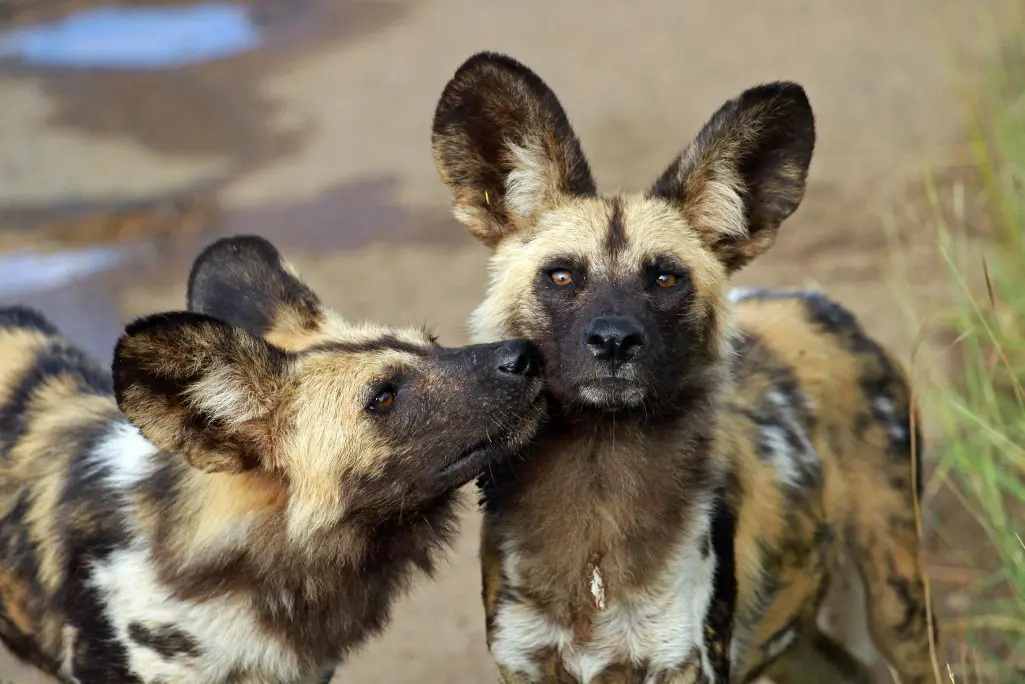
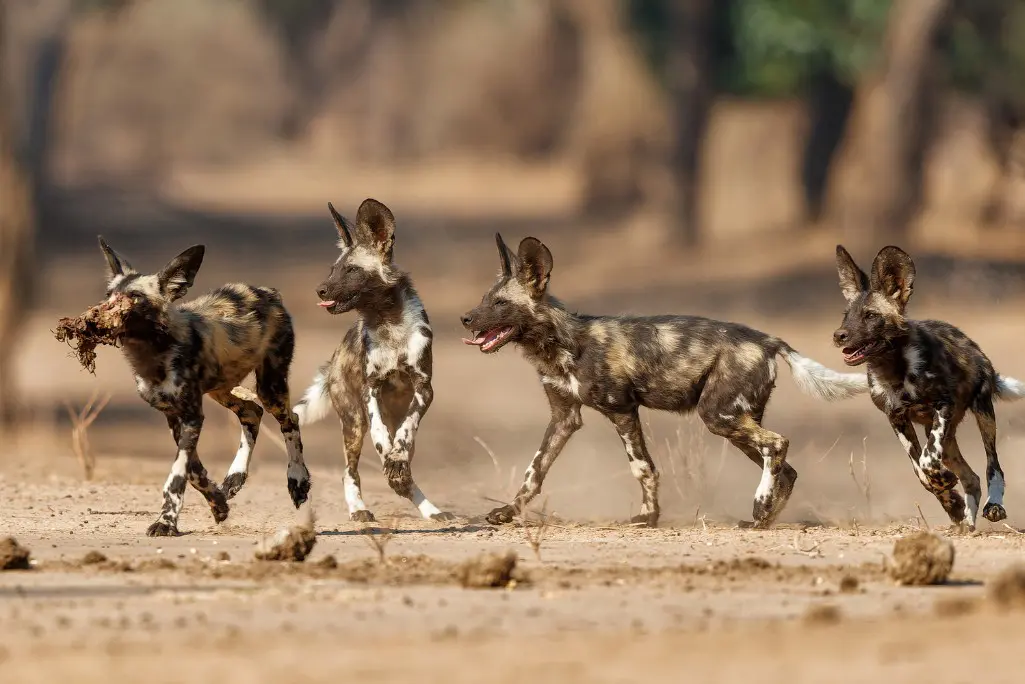
There are few sights in Africa as captivating as a pack of African wild dogs (Lycaon pictus) on the move: coordinated, alert, and bound together by one of the strongest social structures in the animal kingdom. Often called Painted Wolves, no two individuals carry the same markings, each coat a mosaic as unique as a fingerprint. Yet despite their beauty and remarkable biology, these animals are sliding toward extinction.
Once ranging widely across sub-Saharan Africa, African wild dogs have vanished from 25 of the 39 countries they historically occupied. Today, only around 700 breeding pairs remain. Their decline has been steady and, in many places, largely unnoticed.
As apex predators and highly efficient cooperative hunters, wild dogs play a vital role in maintaining ecological balance. They are true keystone species, shaping ecosystems in ways that extend far beyond their numbers. Where they thrive, biodiversity often follows.
For many years, conservation efforts focused on familiar threats: snaring, persecution, and disease. While these remain significant, a more insidious challenge has emerged: the steady erosion of space. As landscapes become increasingly fragmented, Wild Dogs are left with fewer safe areas to roam, hunt, and raise their young. The IUCN Species Survival Commission further highlights how climate change is compounding this pressure, reducing the resilience of already vulnerable populations. Today, wild dogs persist in just 8% of their historical range, much of it outside formally protected IUCN Category I–IV protected areas.
Yet, there is hope, and it lies in restoring space.
Recognising the urgency of the situation, the Endangered Wildlife Trust established the Wild Dog Range Expansion Project: an ambitious, collaborative effort to return this species to landscapes where it once thrived. Its guiding principle is simple: conserve what we have, and restore what we’ve lost.
Each restoration effort is carefully planned and guided by international best practices and years of experience. It begins with understanding the landscape: its threats, its opportunities, and its people. From there, tailored strategies are developed using a diverse toolkit of interventions, which may include reducing human–wildlife conflict, strengthening protection efforts, monitoring populations, conducting reconnaissance to better understand little-known or fragmented populations, and, where needed, re-establishing populations through reintroductions or augmentations.
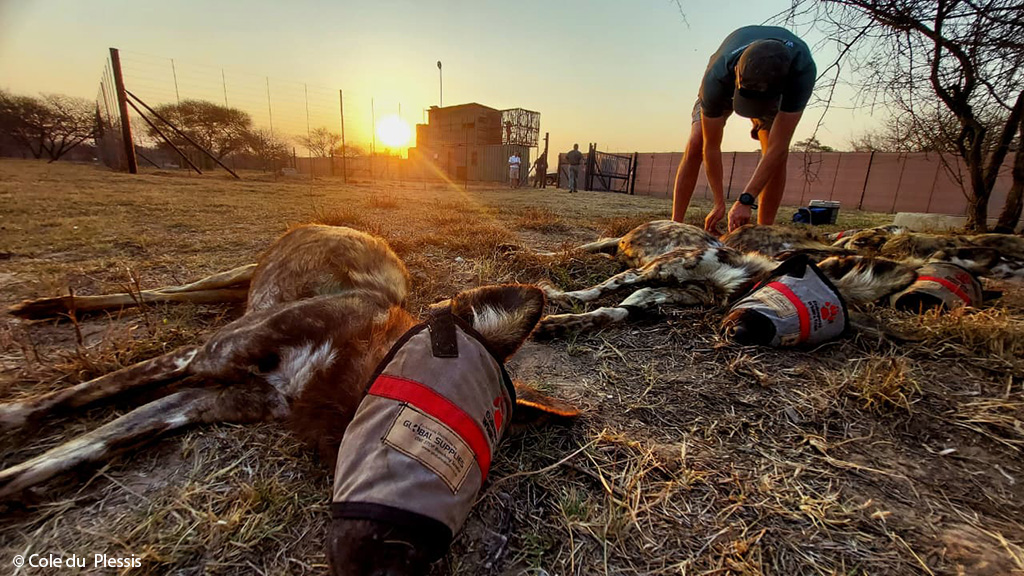
Central to this work is collaboration. The EWT has also helped drive the Wild Dog Advisory Group, a unique network in Africa that has, for over 28 years, brought together conservationists, researchers, and practitioners from across the continent. In a field where lessons are often hard-won, this platform ensures knowledge is shared, mistakes are not repeated, and successes can be scaled.
Equally important are the people on the ground. Lasting conservation depends on local capacity and support, and significant effort is invested in training field teams, building expertise, and developing sustainable funding models. Communities are stakeholders in this process and essential partners in securing the future of the species.
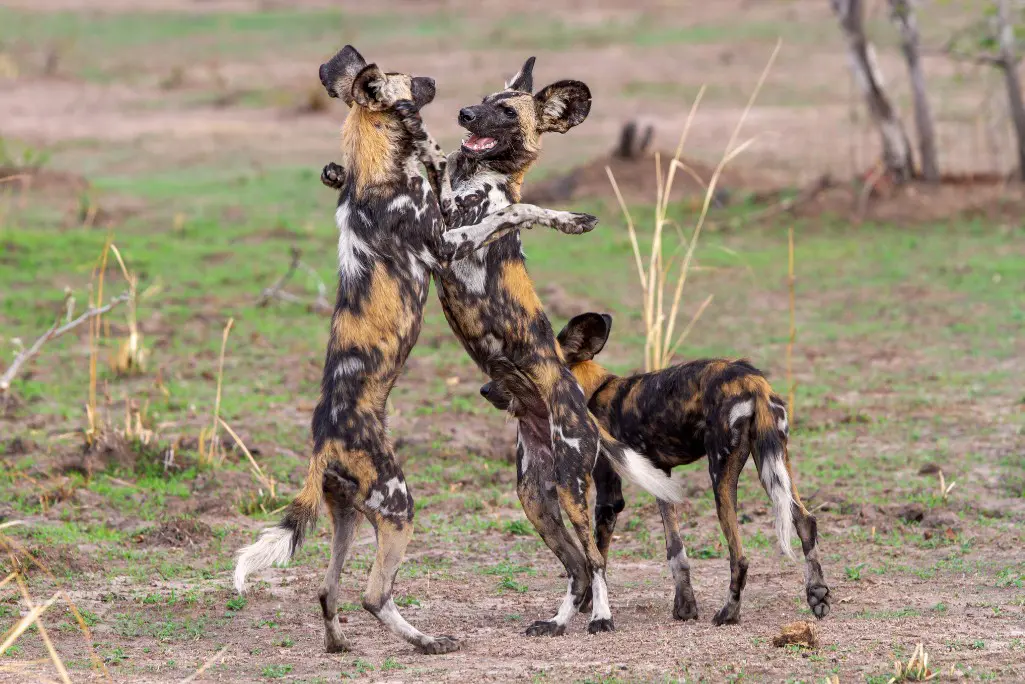
Success, in this context, is measured in resilience. Are there safe, connected spaces for wild dogs to move through? Are packs forming, breeding, and persisting? Is healthy genetic diversity being maintained? These are the indicators that matter.
Encouragingly, the results are beginning to show. Across South Africa, Mozambique, Malawi, and Zambia, more than 1.5 million hectares of habitat have been secured or restored for wild dogs. Over 350 individuals, forming 35 packs, now roam landscapes where the species had long been absent. These achievements are the product of strong partnerships with national authorities and conservation organisations such as African Parks, the Gorongosa Restoration Project, and Peace Parks Foundation, as well as committed landowners — all working toward a shared vision.
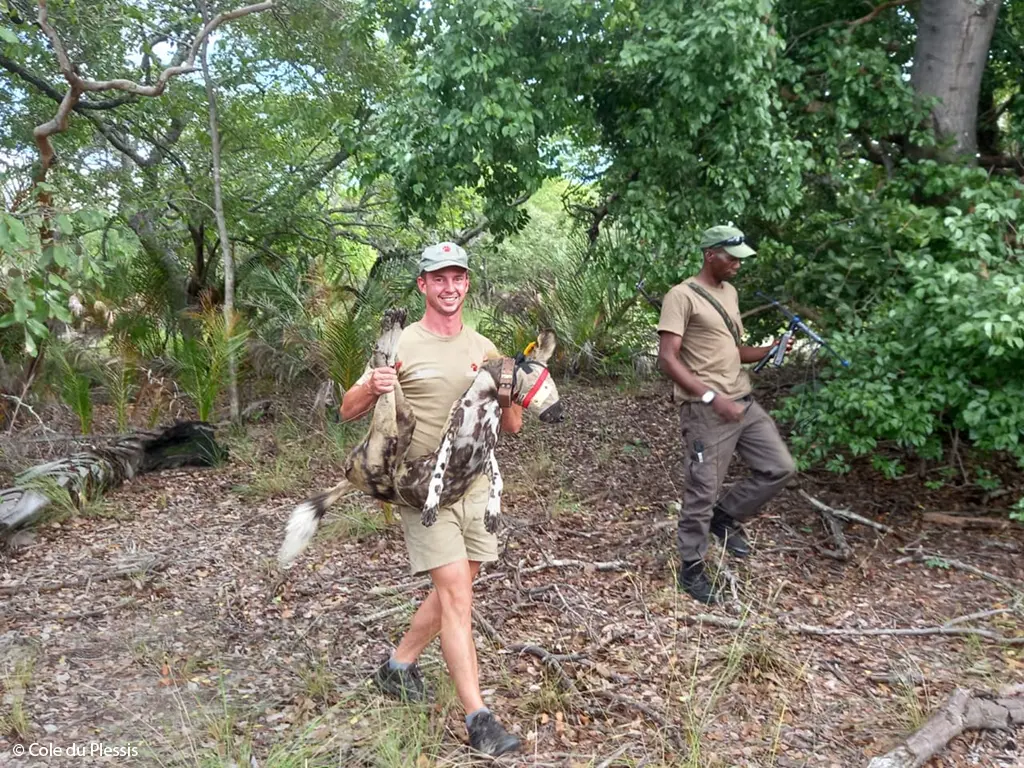
Gorongosa National Park stands out as a reintroduction success story. From just 29 wild dogs introduced as four packs, the population has grown to more than 200 individuals. This remarkable recovery was featured in an award-winning PBS Nature documentary, which explored how the return of predators restored ecological balance through what is often referred to as “nature’s fear factor”. The presence of carnivores reshapes prey behaviour, allowing vegetation and broader ecosystems to recover. The strength of this population has even enabled Gorongosa to support Malawi’s own reintroduction efforts.
But conservation success can come with unexpected challenges. In a sense, African wild dogs are becoming victims of their own success. Population growth from reintroduction efforts is beginning to outpace the availability of safe space.
Dispersing groups, which would naturally leave their natal packs to form new ones, have to be carefully managed. Capable of travelling hundreds of kilometres in a short time in search of new pack members, they frequently move beyond protected areas and into landscapes where they are exposed to a range of human-induced threats. This often necessitates their capture and temporary placement in secure holding facilities. From there, unrelated males and females are typically brought together, bonded, and prepared for release into suitable and secure landscapes.
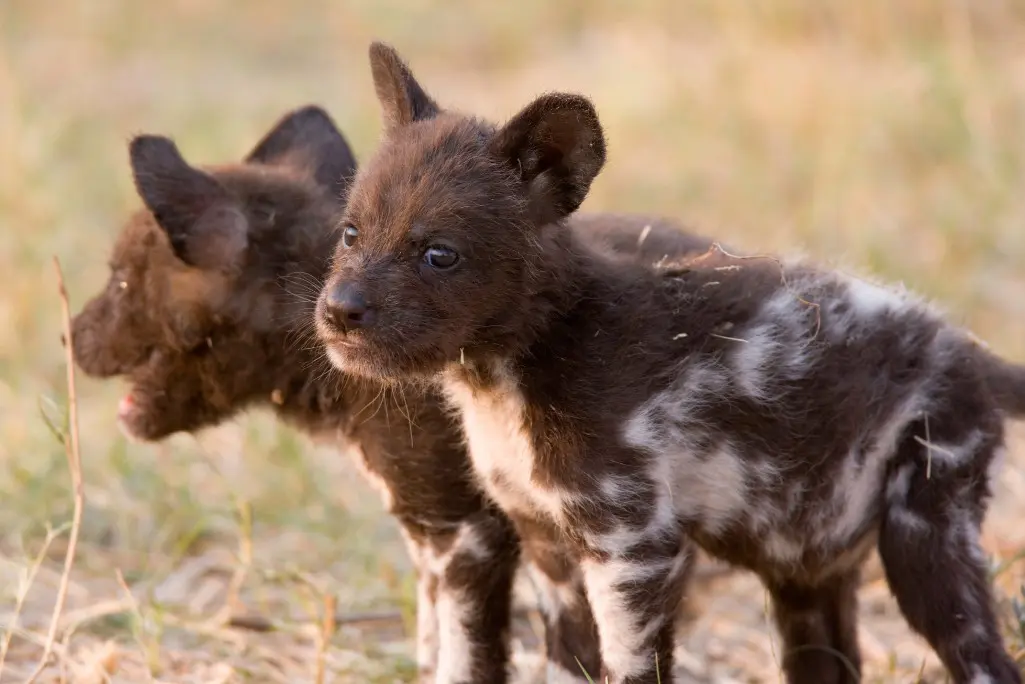
At present, however, 24 wild dogs are being held in temporary facilities, waiting for new homes. Suitable sites have been identified, but financial constraints are delaying these reintroductions. To do this work responsibly requires significant investment: constructing holding bomas, employing and training local monitoring teams, undertaking community engagement, and providing essential equipment such as vehicles, accommodation, and tracking collars. Each reintroduction requires approximately R3 million over five years.
In a world where conservation stories are too often defined by loss, the return of African wild dogs shows that recovery is possible. It begins with space, is sustained through collaboration, and ultimately depends on a collective willingness to invest in the future of Africa’s wild landscapes.
This work reaches far beyond a single species. It drives ecosystem recovery, supports socio-economic development, and is emerging as a blueprint for large carnivore reintroductions across Africa and beyond. Through its institutional knowledge, extensive experience, and ability to convene partners, the Endangered Wildlife Trust continues to play a pivotal role in securing a future for one of Africa’s most extraordinary predators: a future that, not long ago, seemed increasingly out of reach.
Further reading about wild dogs
- Beyond the alpha wild dog myth: How shared motherhood improves wild dog survival
- Longing to see African wild dogs? Here are the six best spots to see painted wolves in Africa – for your next safari with us.
- Tsavo’s African wild dogs face major threats. Tsavo Trust & Painted Wolf Foundation are working to save these painted dogs. Here’s how
- Could we double African wild dog (painted wolf) numbers by 2050? With funding, collaboration and recovered territory, it’s possible. Learn more here
- To learn more about this research or to support the work around the wild dogs mentioned in this article, visit African Wildlife Conservation Fund’s website here.
 About Cole du Plessis and the Endangered Wildlife Trust
Cole du Plessis is the Manager of the Carnivore Range Expansion Project at the Endangered Wildlife Trust (EWT), where he coordinates the Wild Dog Range Expansion Project across southern Africa. His work focuses on restoring viable populations of large carnivores through reintroductions, habitat expansion, and cross-border collaboration.
The Endangered Wildlife Trust (EWT) is one of Africa’s leading conservation organisations, dedicated to protecting threatened species and ecosystems through science-based, collaborative action. Working across southern and East Africa, the EWT focuses on biodiversity conservation, habitat connectivity, and the reduction of human–wildlife conflict. Its Wild Dog Range Expansion Project is a flagship initiative widely recognised as a model for large-carnivore conservation, helping restore ecological balance while supporting communities and sustainable land-use practices.
To comment on this story: Login (or sign up) to our app here - it's a troll-free safe place 🙂.