


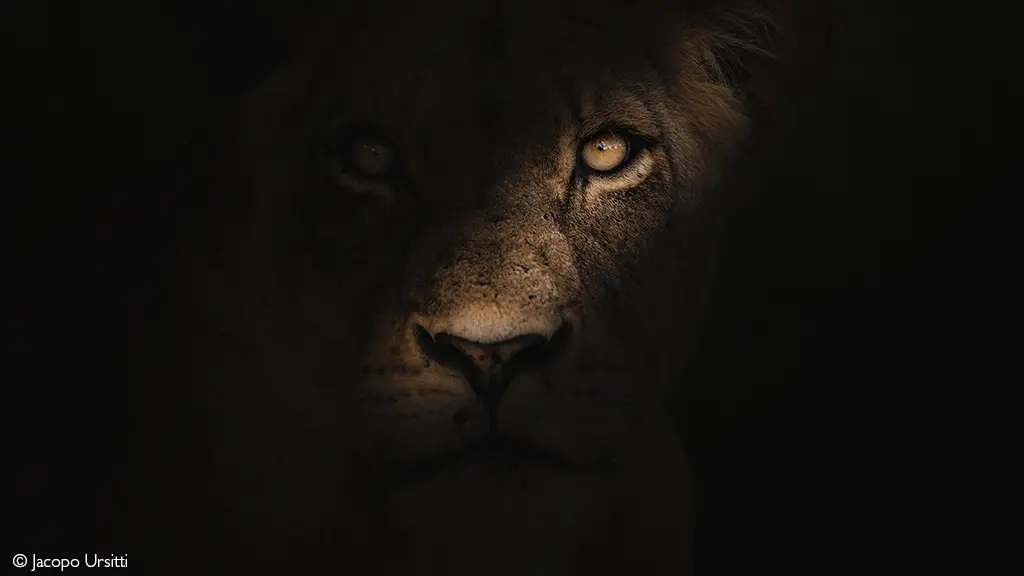
- A recent survey estimates about 144–155 lions in Kruger’s Nxanatseni South region, with uneven distribution across habitats.
- Lion density is highest in prey-rich areas and lowest near boundaries affected by poaching and human pressure.
- Spatial capture–recapture methods improve accuracy by identifying individual lions using whisker spot patterns.
- Poaching remains a concern, with confirmed lion deaths and ongoing pressure along the park’s western boundary.
- Comparison with Nxanatseni North shows lower densities and larger ranges in drier, resource-limited northern areas.

Want to seek out the lions of Kruger? You can embark on your own African safari adventure. Check out these amazing safari ideas to Greater Kruger. Or, let us plan a safari for you.
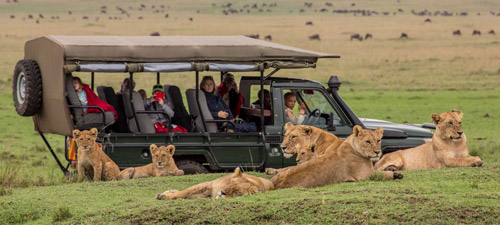
Kruger National Park remains one of the most important strongholds for African lions in southern Africa, forming the core of the Greater Limpopo Transfrontier Conservation Area. This cross-border system allows lions to move between South Africa, Mozambique and Zimbabwe, maintaining genetic diversity and supporting regional populations.
Yet new survey results from the northern Kruger indicate a population under increasing pressure. The recently released results of an assessment of lions in the Nxanatseni South region, conducted in 2024 by Endangered Wildlife Trust, show uneven densities, evidence of ongoing poaching, and patterns that mirror earlier warning signs from surveys further north.
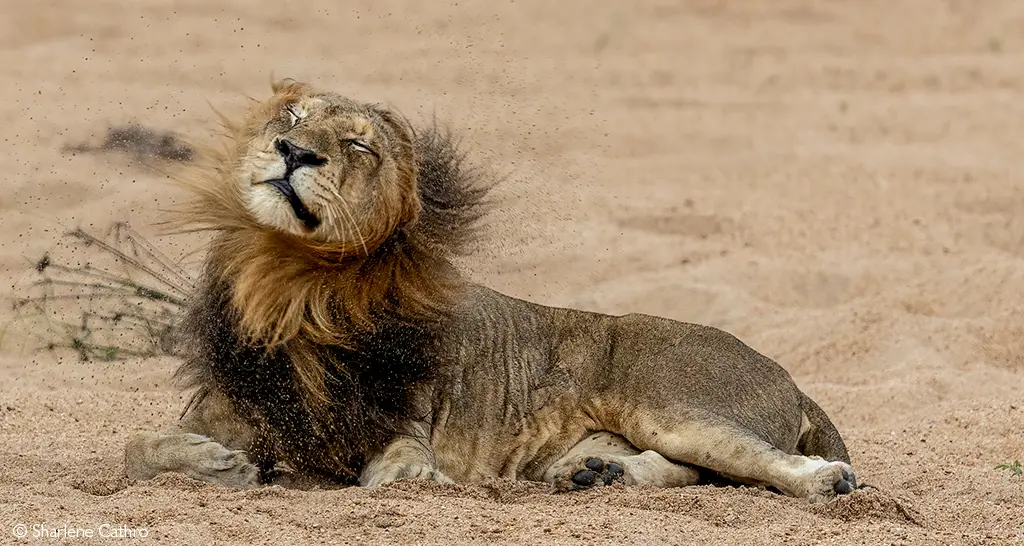
Accurate population estimates
Large carnivores such as lions occur at low densities and require large territories and abundant prey. This makes them particularly vulnerable to human pressures such as poaching. Monitoring their numbers is therefore central to conservation planning.
Previous park-wide surveys estimated 1,803 lions in Kruger in 2015. However, those estimates relied on call-up methods, where recorded prey distress calls are used to attract lions. Over time, lions can become habituated to these sounds, reducing the method’s reliability.
The 2024 survey instead used spatial capture–recapture, a method that identifies individual animals and estimates population size statistically. This shift improves accuracy and allows comparisons across studies.
Counting Kruger’s lions
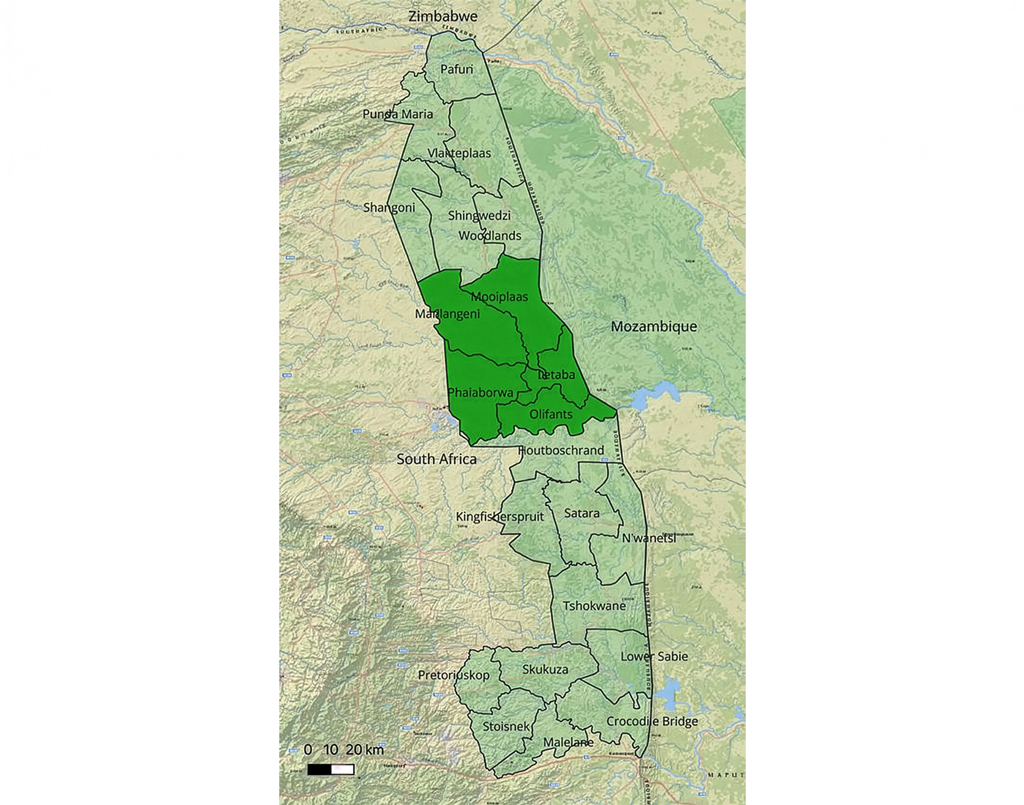
Field teams drove more than 10,000km across the 4,482 km² study area between July and September 2024, recording lion sightings and photographing whisker-spot patterns to identify individuals. The Nxanatseni South region includes the Olifants, Letaba, Phalaborwa, Mahlangeni and Mooiplaas sections of the park.
Whisker spots are unique to each lion, functioning like fingerprints. By identifying individuals and recording repeat sightings, researchers can estimate how many animals went undetected. This is the basis of spatial capture–recapture, which accounts for incomplete detection in wildlife surveys.
Lions younger than one year were excluded because of high mortality at that age, ensuring estimates reflect more stable components of the population.
The final dataset included 182 confirmed detections of 74 individual lions.
Revelations on Kruger’s lions
The study estimates approximately 144–155 lions older than one year in Nxanatseni South, with a density of about 3.5 lions per 100km².
Lion distribution was uneven across the landscape. Higher densities occurred in areas such as Mooiplaas and Letaba, where productive soils support large herbivore populations. These prey species – including buffalo, zebra and kudu – form the foundation of lion survival.
Lower densities were recorded in western sections near the park boundary. These areas are dominated by mopane woodland and lie close to human settlements, where poaching and human-wildlife conflict are more likely.
The study also found that lion density declines with distance from water, although the effect was relatively weak. In savannah ecosystems, water availability influences herbivore distribution, which in turn shapes predator presence. In this case, widespread natural and artificial water sources may reduce that dependency.
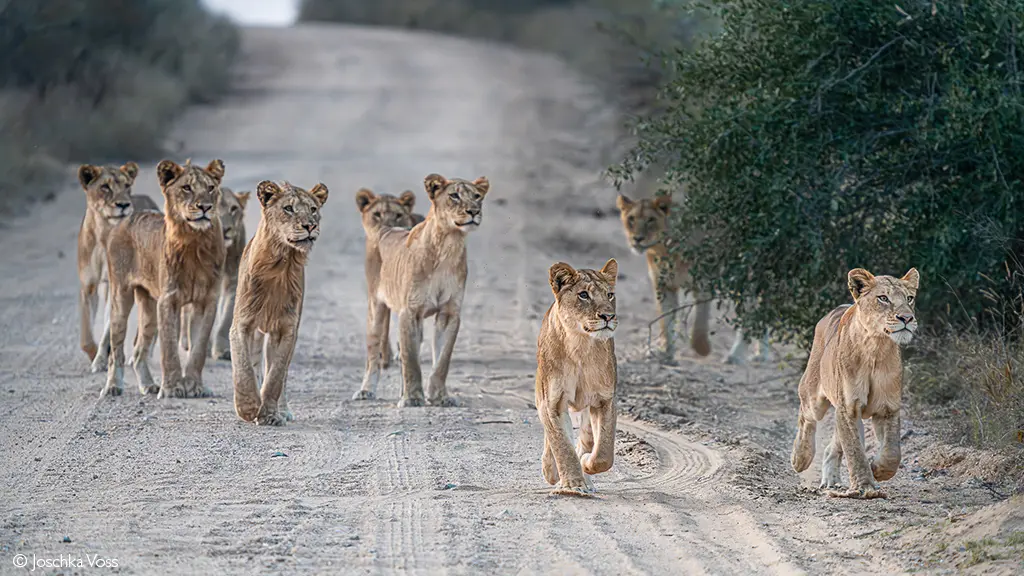
The population appears demographically stable, with a sex ratio of approximately 2.2 females per male and an average home range of about 341 km².
Evidence of ongoing pressure on lions
Although the survey did not directly measure poaching rates, it recorded clear signs of mortality linked to human activity.
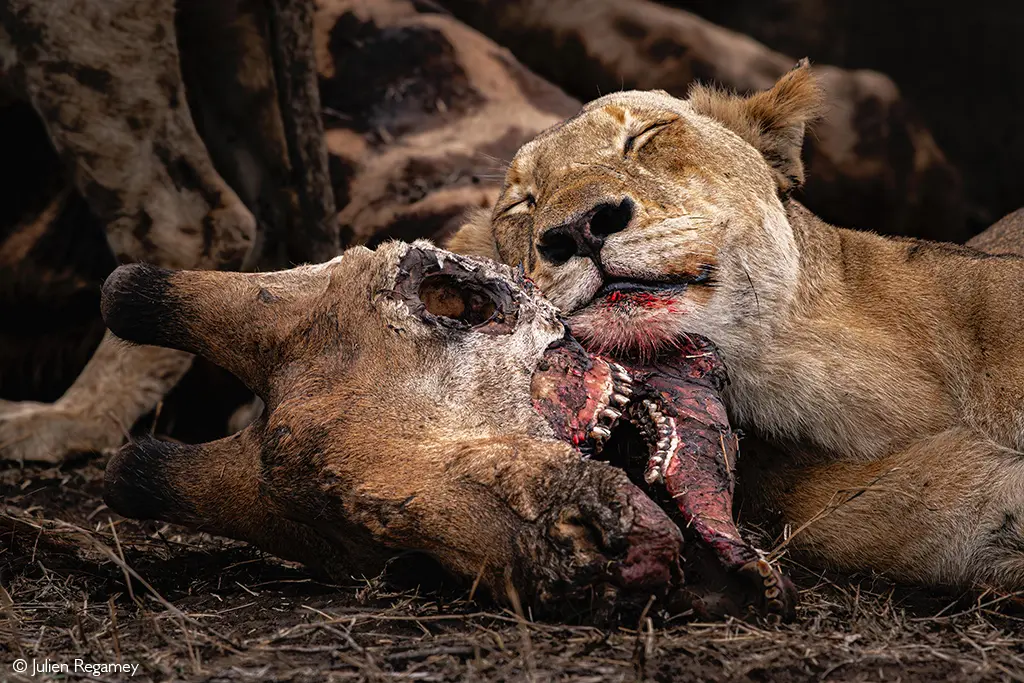
Five study lions were confirmed poached within the survey area, with additional incidents reported along the western boundary and in neighbouring Mozambique.
Poaching in this region takes two main forms. Bushmeat snaring, intended for other species, can unintentionally kill lions. Targeted poisoning is also used to eliminate predators or harvest body parts for trade. Both have increased in parts of northern Kruger over the past decade.
These pressures are concentrated near park boundaries, where access is easier and conflict with surrounding communities is more frequent.

Comparison with the northern survey of lions
The 2024 findings build on a 2023 survey of Nxanatseni North, which used similar methods. That earlier study estimated a much lower density of about 1 lion per 100 km² in the northern section.
The contrast between the North and the South is significant. Lions in the northern region occupy larger home ranges – about 700km² compared to 341km² in the south – indicating lower prey availability and more dispersed resources.
Water also plays a stronger role in the north, where it is more limited. This leads to a tighter clustering of prey and predators around water sources.
Together, the two surveys show a clear gradient within northern Kruger: higher densities and smaller ranges in the south, declining towards the drier, more resource-limited north.
What this means for conservation
Kruger’s lions are not a single uniform population. Their numbers and behaviour vary across the landscape in response to habitat quality, prey availability and human pressure.
The Nxanatseni South survey confirms that some areas still support relatively robust populations. However, it also highlights persistent threats, particularly along park boundaries.
The report concludes that “the ongoing lion poaching pressure is cause for concern” and calls for strengthened anti-poaching measures, increased engagement with local communities, and continued monitoring.
Regular surveys are essential to detect trends over time. Without them, declines can go unnoticed until they become difficult to reverse.
Taken together with the earlier northern survey, the message is consistent. Kruger remains a critical stronghold for lions, but the pressures affecting the species are increasing, unevenly distributed, and already measurable on the ground.
Reference
Govaerts, A., Roodbol, M., Mthethwa, L.P., Nicholson, S., Roxburgh, L., Gopalaswamy, A.M., & Elliot, N.B. (2025). A population assessment of lions in the Nxanatseni South region of Kruger National Park (South Africa): Technical report on a lion survey conducted in 2024. Endangered Wildlife Trust. (Survey available upon request from EWT)
Further reading
- A previous survey sheds light on the state of the lion population in the north of Kruger, revealing trends that could shape future conservation efforts
- Africa’s lions are disappearing. New research shows that lion populations across the continent have declined by 75% in just five decades
- On the loss of lion genetic diversity as a consequence of population declines: Lion populations show significant loss of genetic diversity, say researchers
- For a detailed explanation of the challenges involved in estimating lion populations: Counting lions: new study shows the importance of good counts for lion conservation
To comment on this story: Login (or sign up) to our app here - it's a troll-free safe place 🙂.