


Shem Compion's photographic journey along Africa’s Great Rift Valley, from Ethiopia to Mozambique

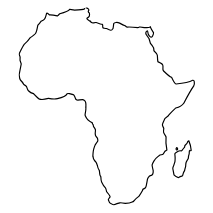
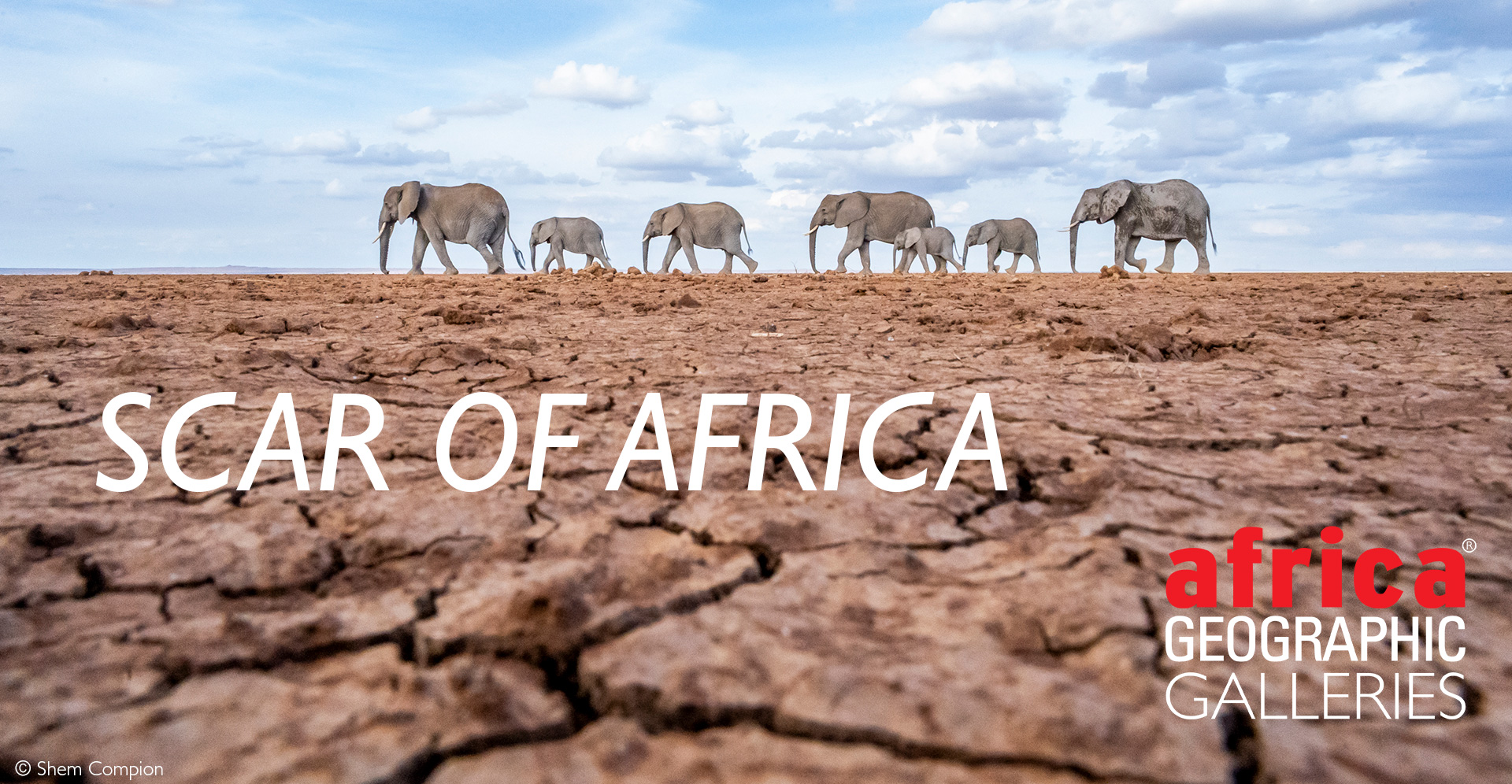
- Shem Compion’s new book, The Rift: Scar of Africa, explores the Great Rift Valley’s landscapes, wildlife and diverse cultures.
- Two decades of travel shaped his understanding of the Rift as a single interconnected system.
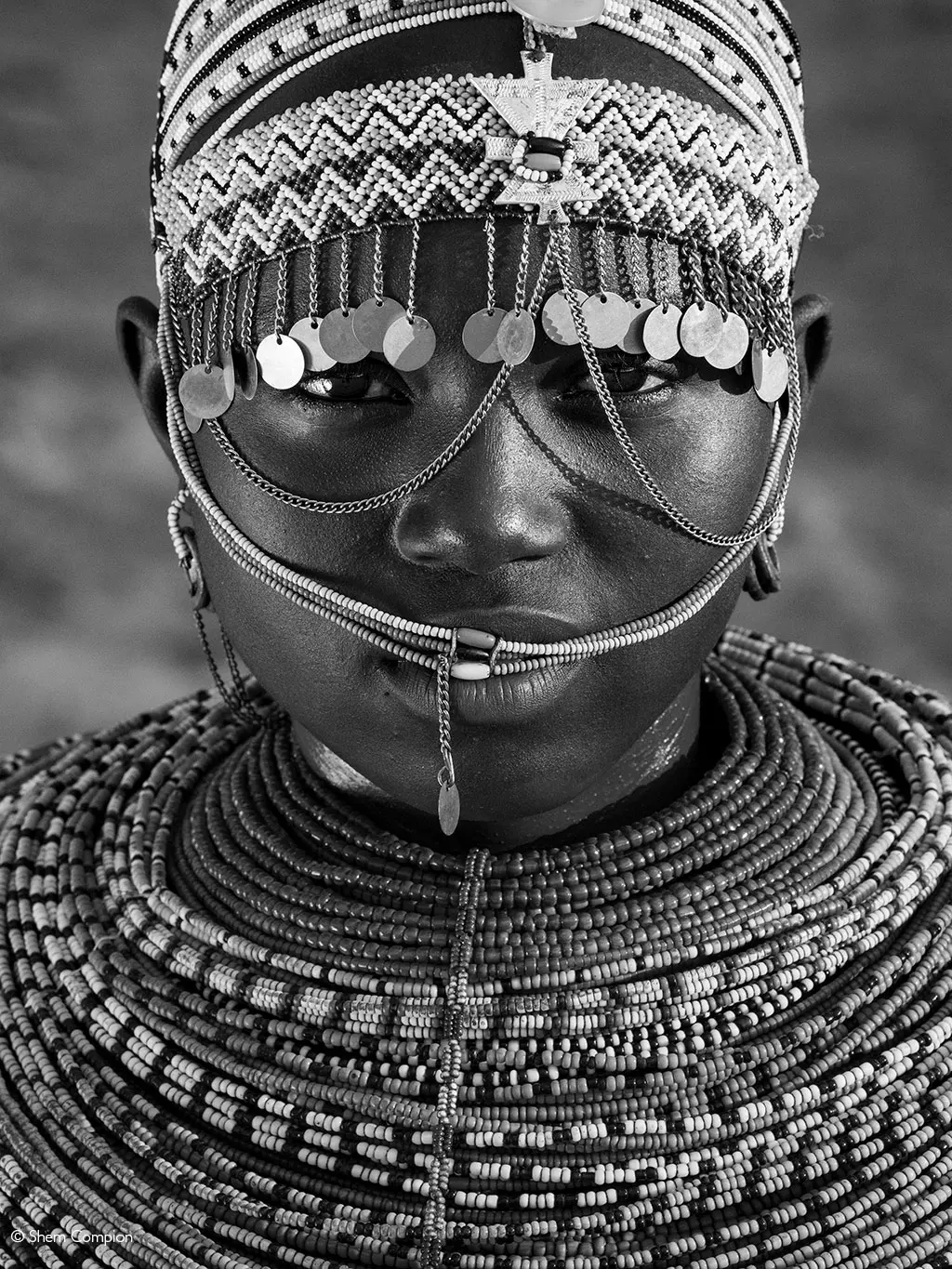
- His portraits emerge from patient, respectful relationships with communities living throughout the Rift.
- Abstraction, aerials and black-and-white imagery reveal visual links across geology, wildlife and people.
- The Rift faces rising pressures, highlighting the urgent need for balance and thoughtful conservation.
 Want to experience the Great Rift Valley yourself? We have ready-made safaris across the valley to choose from, or we’ll help you plan your dream safari.
The Great Rift Valley is one of Africa’s most powerful geological forces and most layered human landscapes. For photographer and naturalist Shem Compion, it is also the thread that connects decades of travel, work and personal history. His new book, The Rift: Scar of Africa, stems from more than twenty years spent documenting the landscapes, wildlife and cultures shaped by this immense system. Compion distils these years into more than 280 images from across the valley.
The book traces the Great Rift Valley’s 6,400km course through 11 African countries and explores how this trench has shaped landscapes, wildlife and human history. His images range from intimate portraits to sweeping aerials in both colour and black-and-white, capturing cultures, mountains, lakes, lava fields and iconic wildlife.
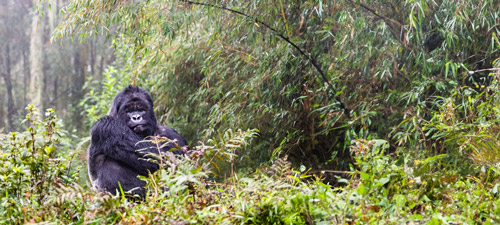
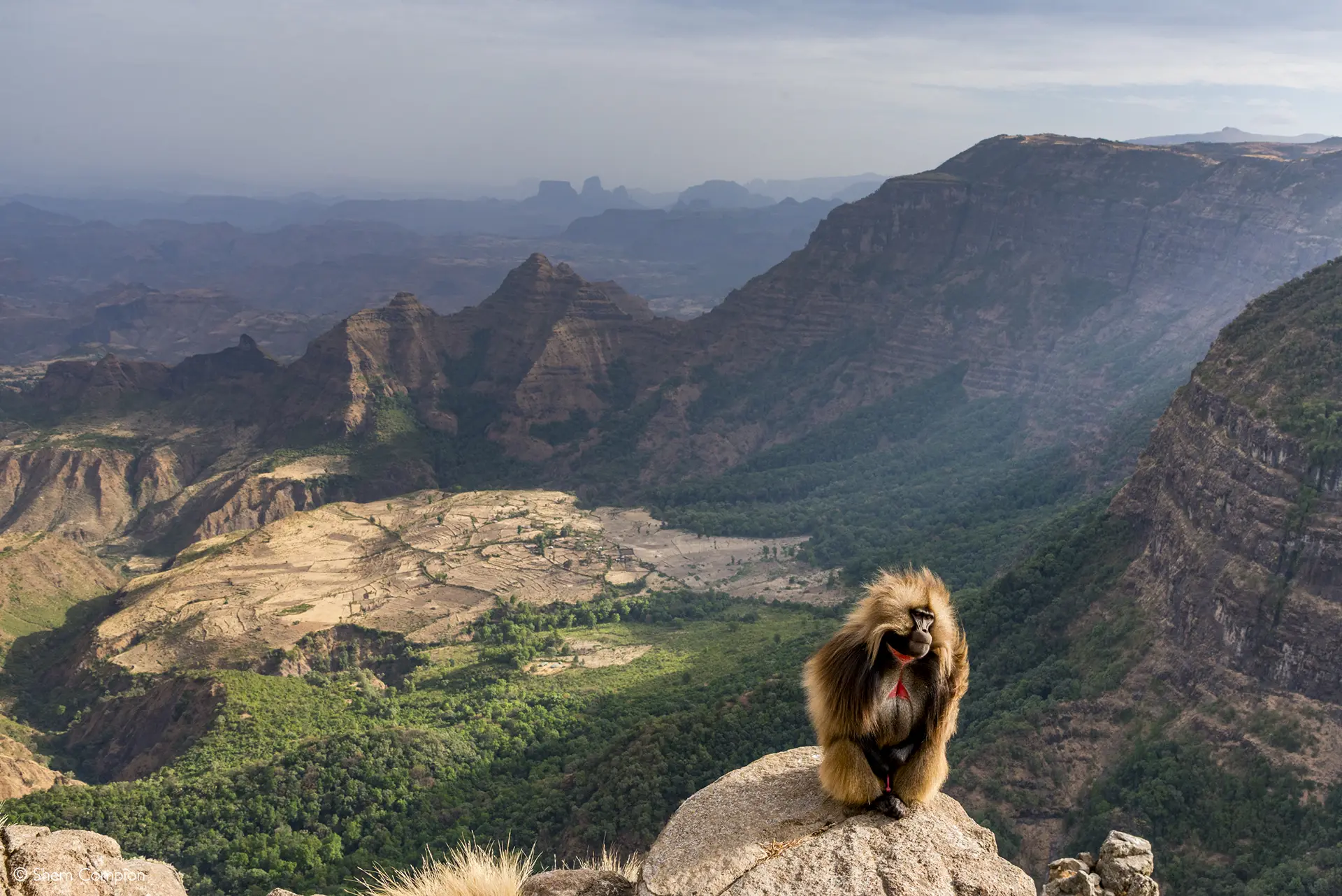
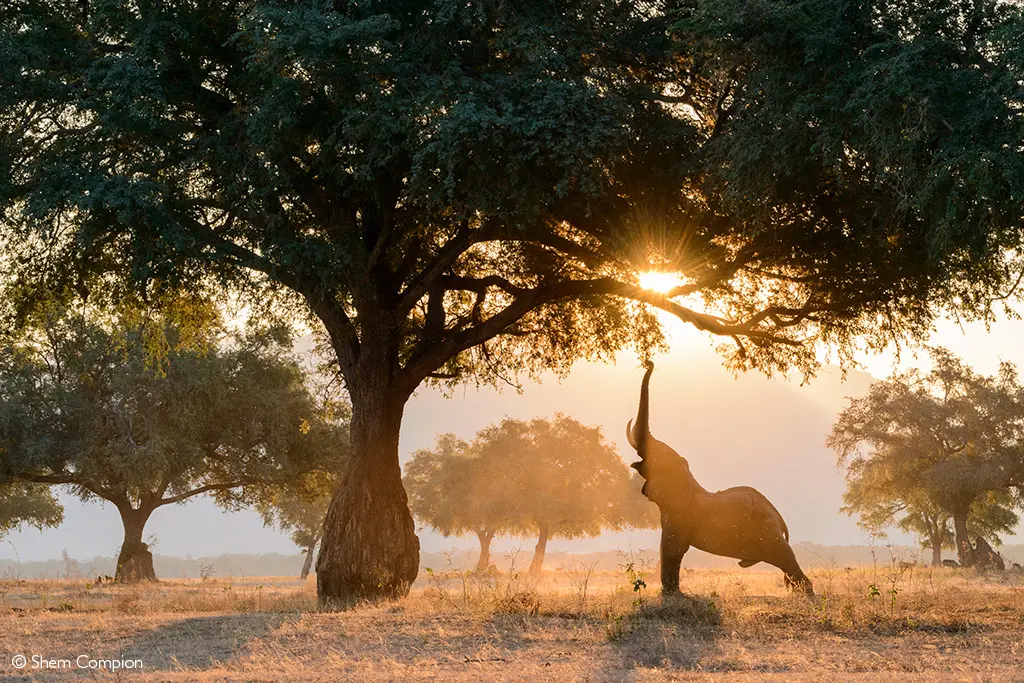
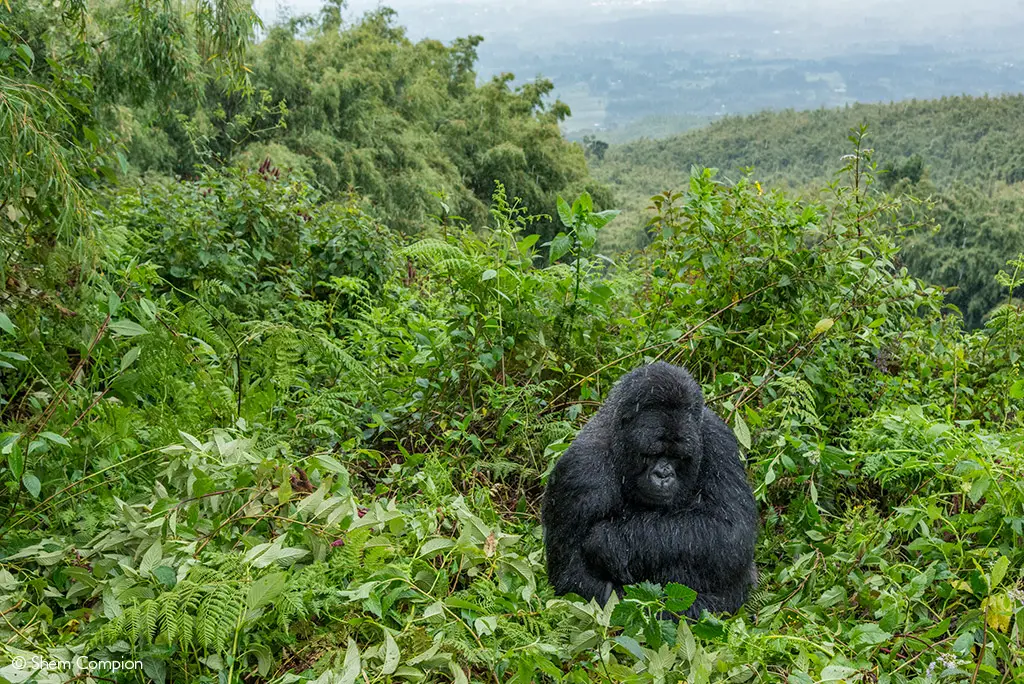
Compion first travelled through the Great Rift Valley as a wildlife naturalist. Time spent in the Simien and Bale mountains of Ethiopia, the Virungas with gorillas and chimps, and the Serengeti-Mara and South Luangwa ecosystems sharpened his awareness of the Great Rift Valley as a unifying force. “There are so many various cultures living alongside wildlife areas in the Rift Valley – quite unique on the planet,” he says. This interconnectedness underpins the narrative, tying “science and spirit, biodiversity and belonging, legacy and urgency.”
He writes that “25 million years is but a brief moment to change the world”, yet the tectonic forces that created the Great Rift Valley have done exactly that, giving rise to vast mammal abundance and the cradle in which our species evolved. Essays from more than 20 anthropologists, scientists, conservationists, poets and leaders frame the region as both a place of origin and a landscape under pressure.
A personal moment that became a continental story
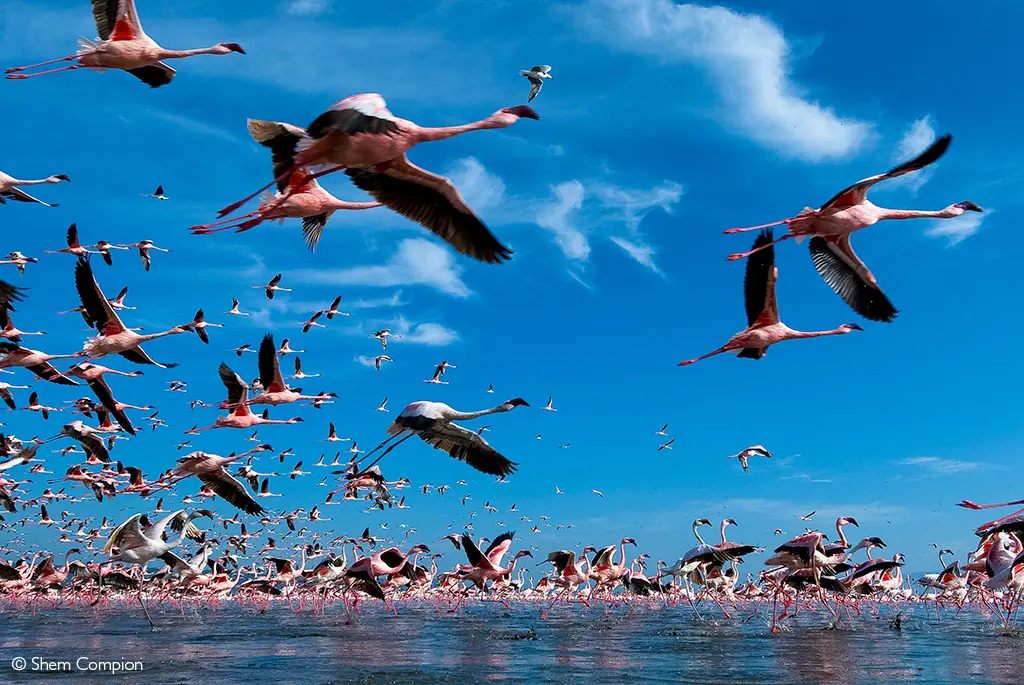
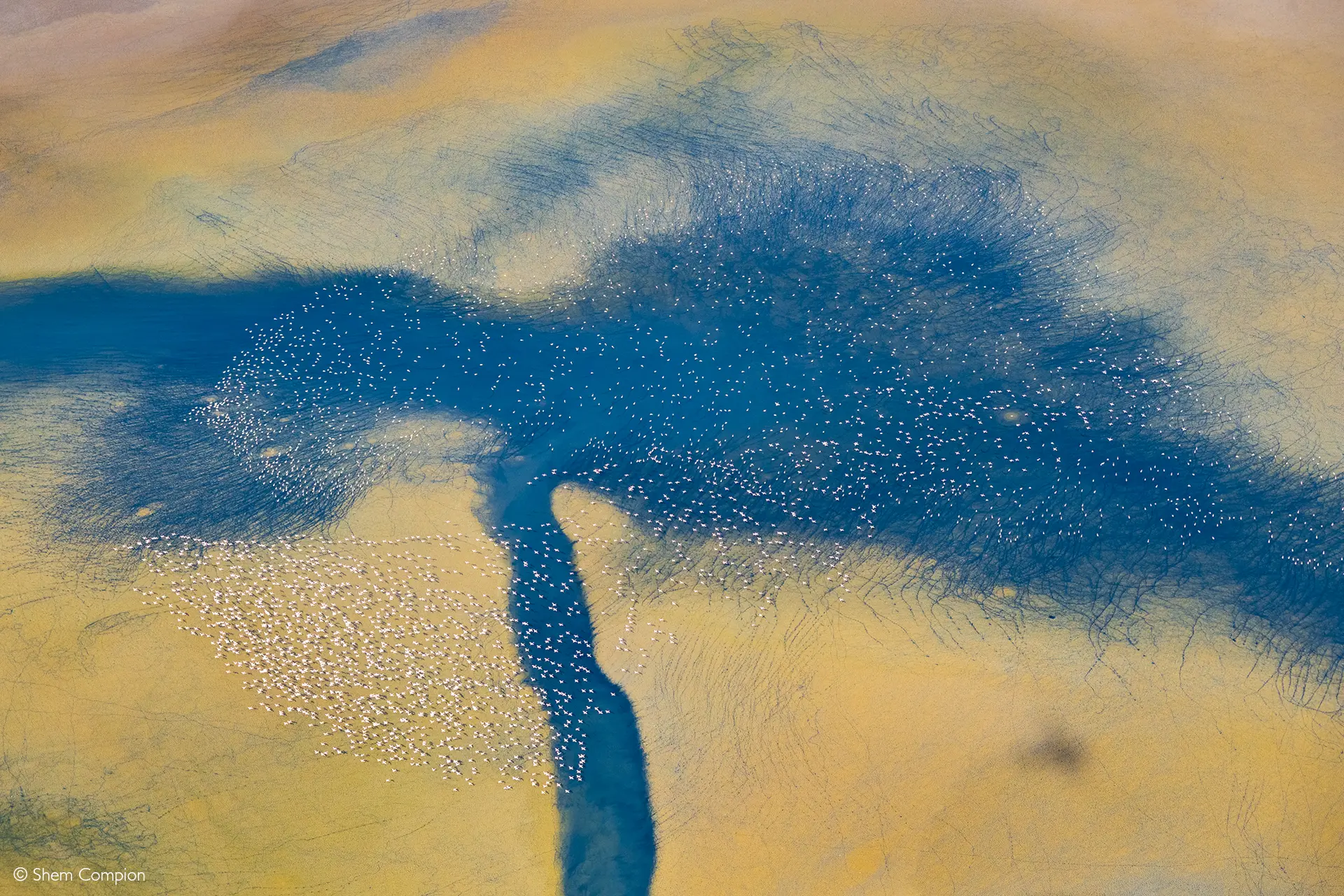
A turning point came in 2008 at Lake Nakuru. Looking out over flamingos, wildlife and a city perched above the escarpment, Compion saw geology, nature and people align. “Seeing how all these elements were so closely linked was very powerful,” he recalls. His family lived nearby for generations, adding personal weight to a scene familiar to millions who move through the Rift daily.
Years later, on the banks of the Zambezi, he conceived the book while reflecting on how tectonics had diverted parts of the Rift. The result spans 11 countries and more than 280 images, supported by voices from across the continent.
Images shaped by time, trust and technique
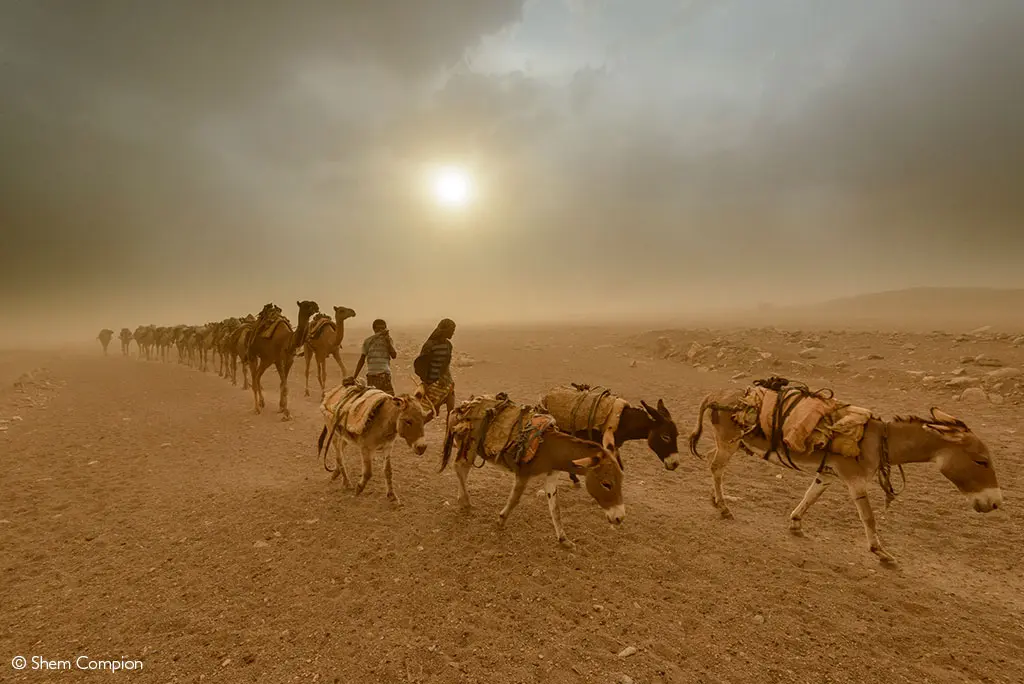
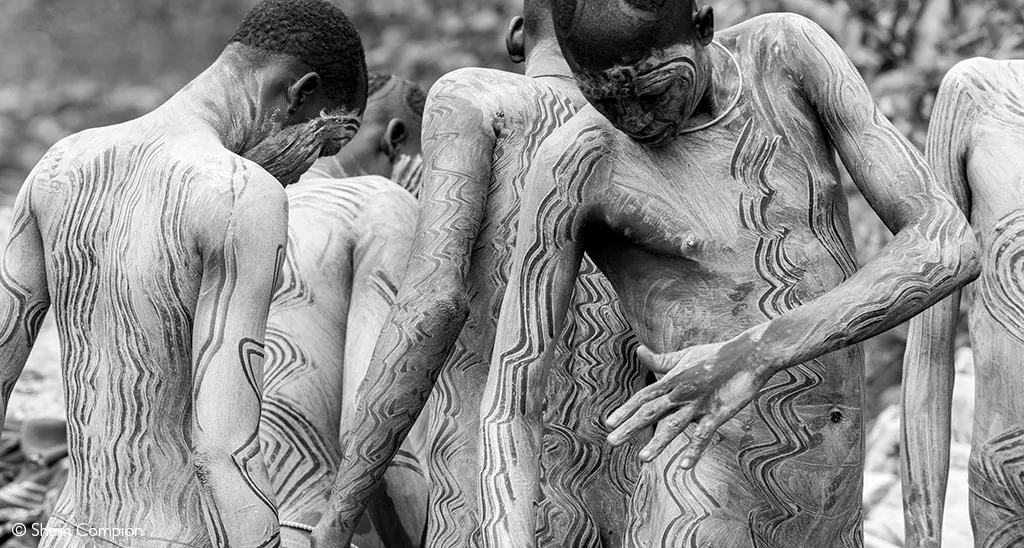
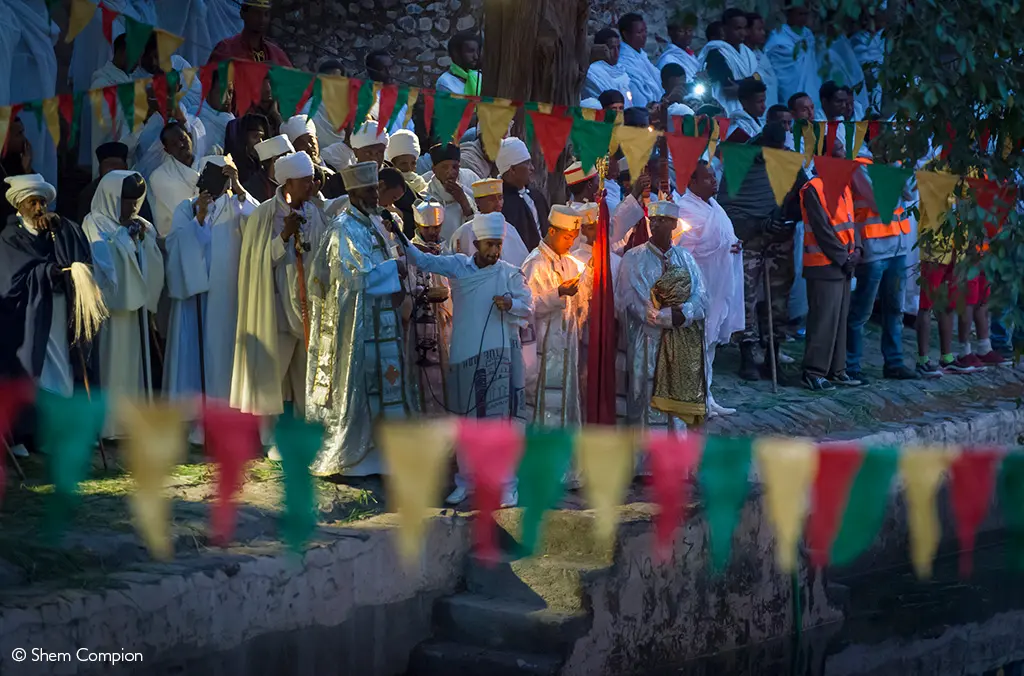
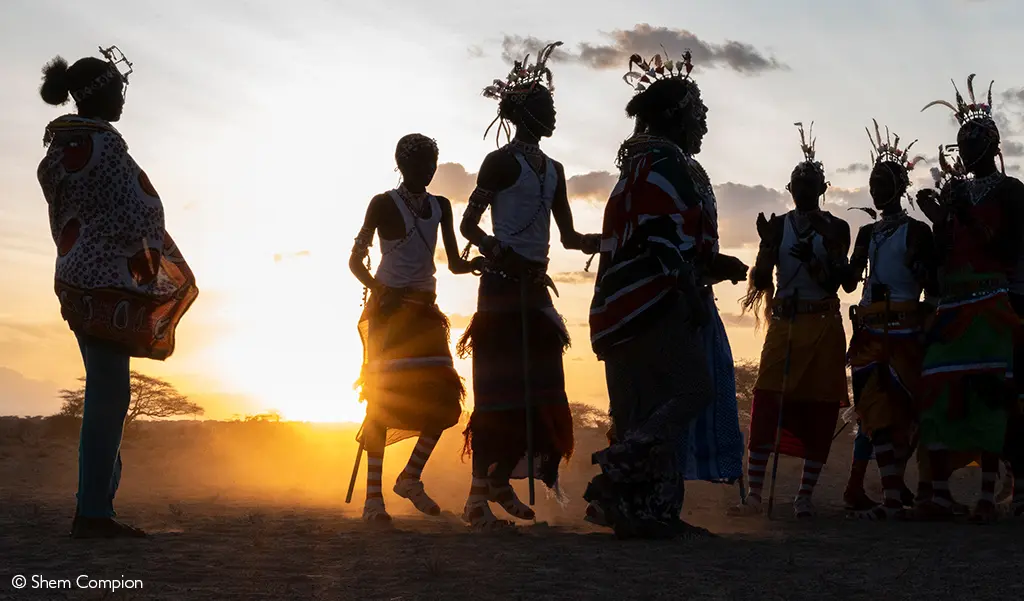
The book invites readers into the worlds of the Suri, Hamar, Mursi, Turkana, Samburu, Maasai and Hadzabe.
Compion says portraits grew from unhurried time in the field. “Putting down your camera and spending time to engage, relax, observe and build trust makes that human connection,” he says. Long-term relationships opened doors to intimate, relaxed images.
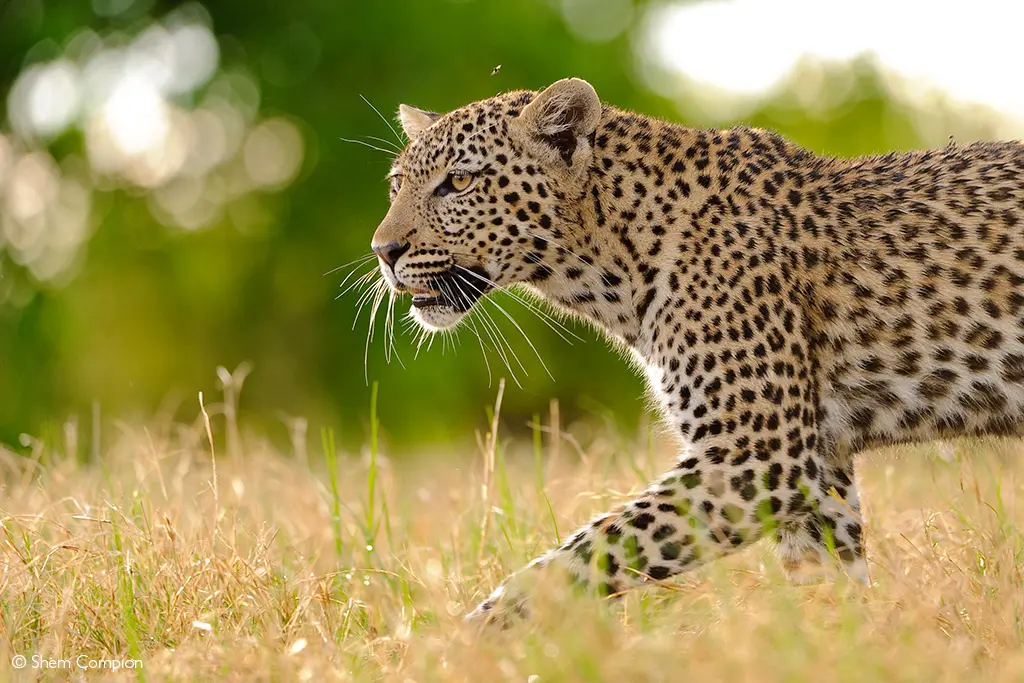
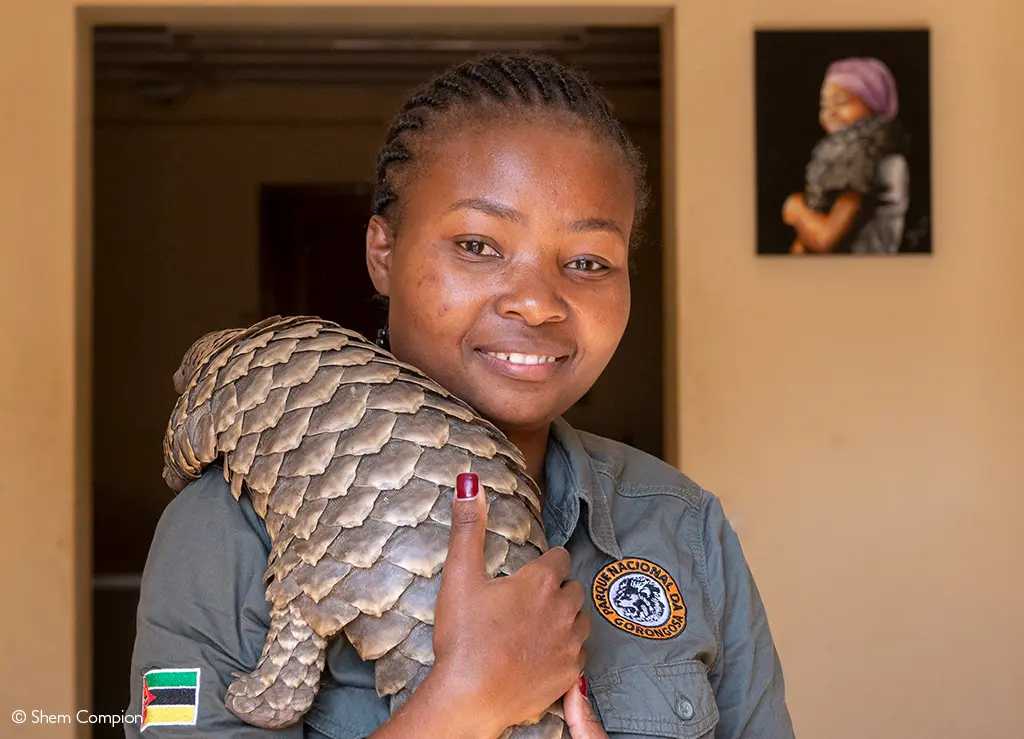
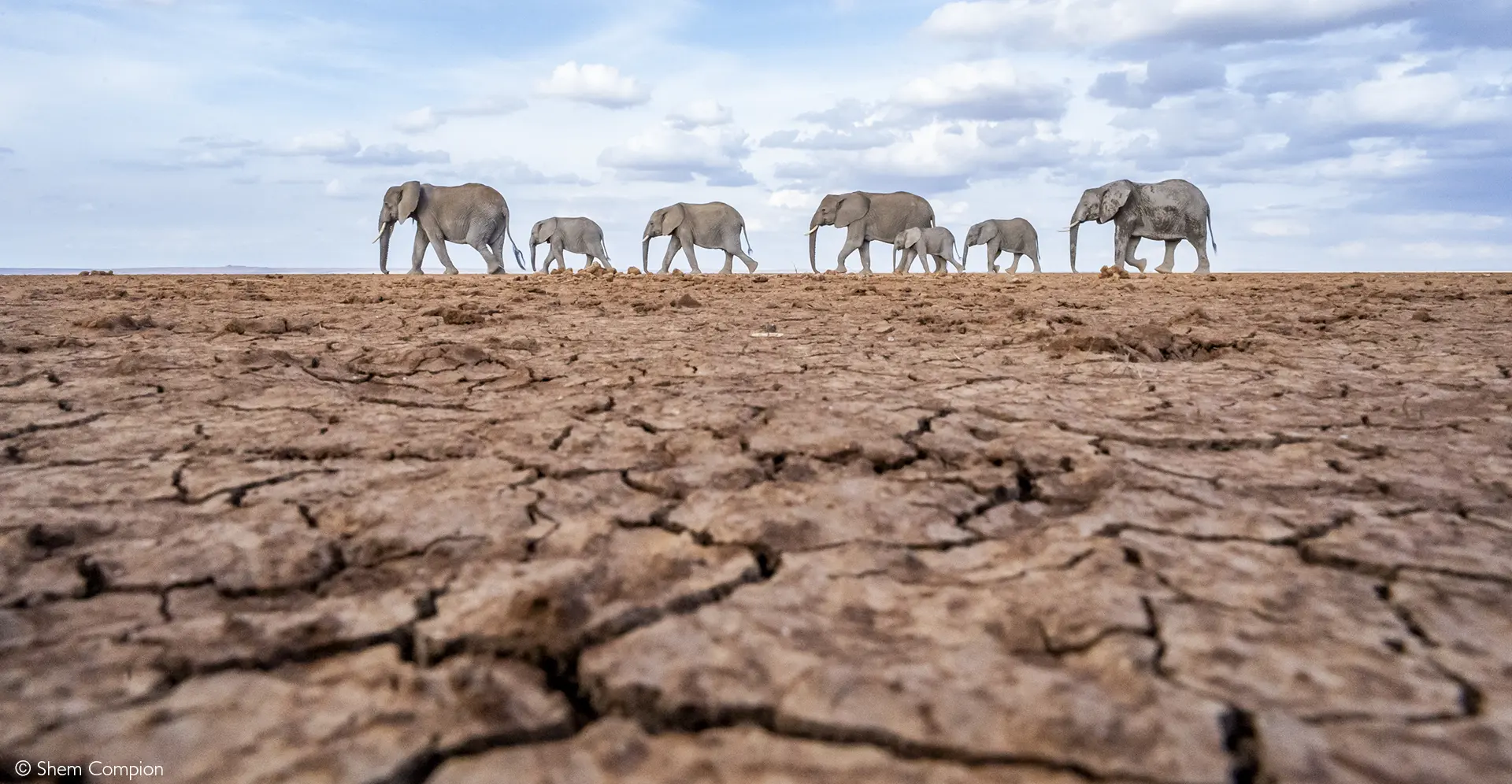
The book also takes readers through protected areas like Volcanoes National Park, Amboseli National Park, Gorongosa National Park, Ngorongoro Crater and Virunga National Park, showing how the Rift Valley’s volcanoes, valleys and lakes support remarkable biodiversity.
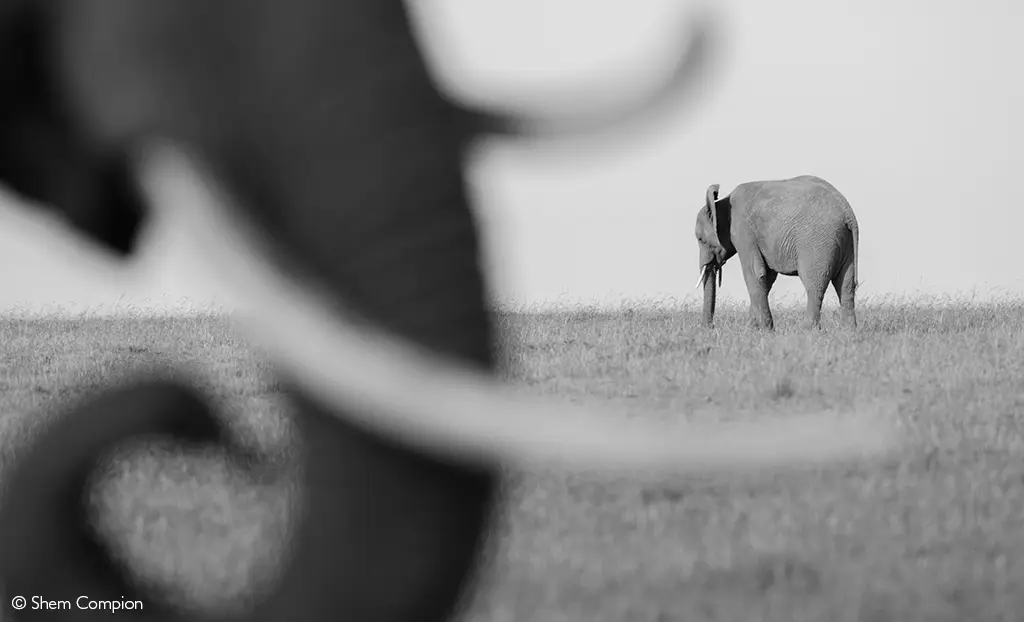
Across wildlife, aerial scenes and geological studies, he uses abstraction to link subjects. “I could reveal the common beauty between a zebra’s tail and body painting, or Kara hair detail and a salt pan.” Black-and-white simplifies detail and strengthens mood, while colour carries richness where needed.
Of volcanoes and pressure
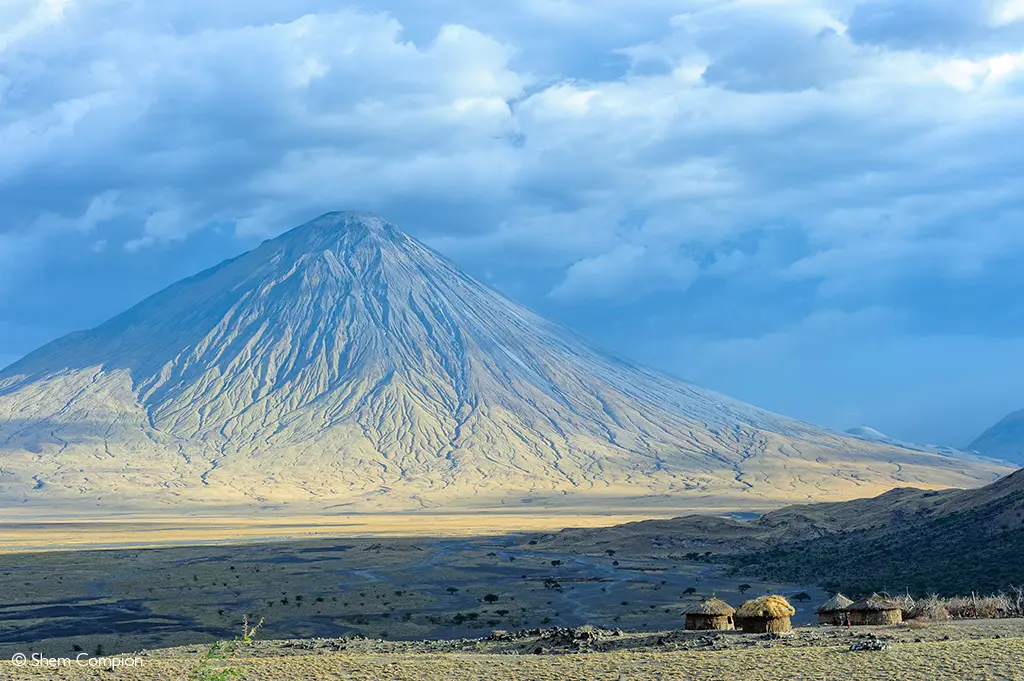
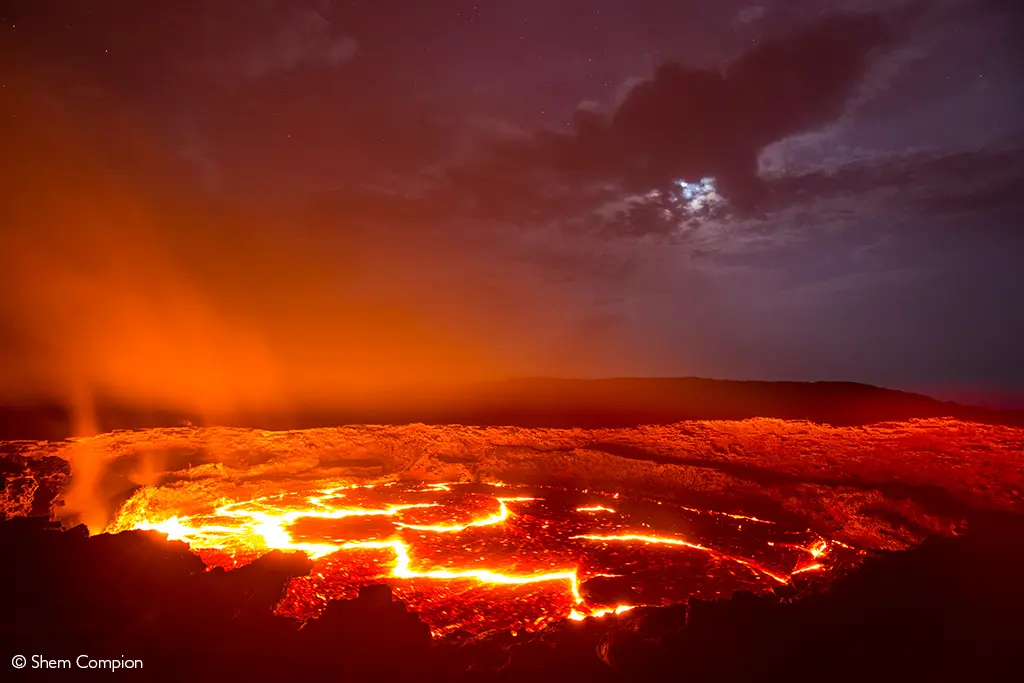
One of the book’s most meaningful images was made atop Ol Doinyo Lengai, the Maasai “Mountain of God”. Below the crater, the Rift drops toward Lake Natron and the plains beyond. The ash from Lengai and other volcanoes has fertilised the Serengeti for millions of years. “Being on top of a volcano… and seeing how the whole story of the Rift played out in one image for me is an incredible backstory.”
After two decades in the field, Compion sees the Rift as a single, interdependent system: rising lake levels, shifting fisheries, geothermal energy and wildlife movements are all linked. “Maintaining a balance is so important… Nothing operates in isolation.”
He sees human–wildlife conflict as the most urgent challenge, but points to hopeful examples in Gorongosa and South Luangwa where people and conservation are interlinked.
Compion hopes readers feel the Rift’s connective force. “Some people may equate Africa to lions, or poverty, or Mt Kilimanjaro. When they open up The Rift, I want them to know that this scar of Africa connects all of the great elements of Africa. It is the binding fabric of biodiversity, culture, geology and the origin of mankind.”
About Shem Compion
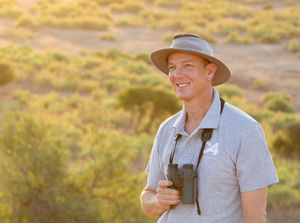 Shem Compion was born in Cape Town, South Africa. He has been a photographer since 2000. He has spent much of his life exploring Africa, previously living for seven months in a Land Rover, climbing volcanoes, and building specialist wildlife photography hides. He is the co-founder and Managing Director of C4 Photo Safaris, the co-founder of Photo Mashatu, and the co-founder of Nurture Africa Safaris. His images have won awards in some of the most prestigious photography competitions around the world. In 2021, he co-produced the acclaimed documentary Zero To Zero, covering the Covid pandemic in South Africa. His naturalist skills and creative photographic approach have also seen him work with the BBC’s Natural History Unit on the landmark series Planet Earth, as well as two series of Netflix’s Tales By Light. He published his first book A Landscape of Insects in 2009 and has since published six other titles, including If Trees Could Talk and a three-part series Insider’s Guide: Top Wildlife Photography Spots, exploring the most remote destinations in southern Africa. He is a popular speaker at international photography and nature events. He is also a fellow of the Royal Geographic Society, London. He is currently based in Pretoria, South Africa. Read more about Shem here: www.shemimages.com
About The Rift: Scar of Africa
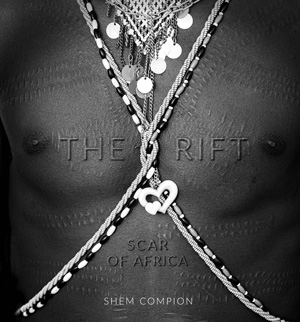 Born of volcanic forces, the Rift gave rise to immense geological textures and extraordinary ecological diversity. It reaches from deep pasts into unfolding, still undefined futures, touching every part of our planet.
For Shem Compion, the camera is the passport. With a naturalist grounding, the curiosity of a scientist and the artistry of a lens, he has explored Africa’s Great Rift Valley since 2002. In this, his eighth publication, Shem brings together decades of pan-African travels to focus his lens on its cultures, wildlife, environments, landscapes and the origins of humanity itself. With many never-before-seen images, The Rift is an opus that seeks to inspire a more creative and conscious engagement with the world we share—and the future we shape together. By turning his lens on both the immensity and the detail of this phenomenon, he brings us face-to-face with the paradox of the Rift: a place torn apart that also serves as a binding fabric. He invites us all to look anew – and with wonder – at something that is simultaneously a geological marvel, the cradle of humankind, a cultural axis, and a natural laboratory. With arresting imagery and diverse voices, this opus invites both celebration and reflection. The Rift is a living metaphor – intertwining humanity and nature in an epic discourse. Buy the book here: www.therift.africa
To comment on this story: Login (or sign up) to our app here - it's a troll-free safe place 🙂.