


Author: Adam Bannister
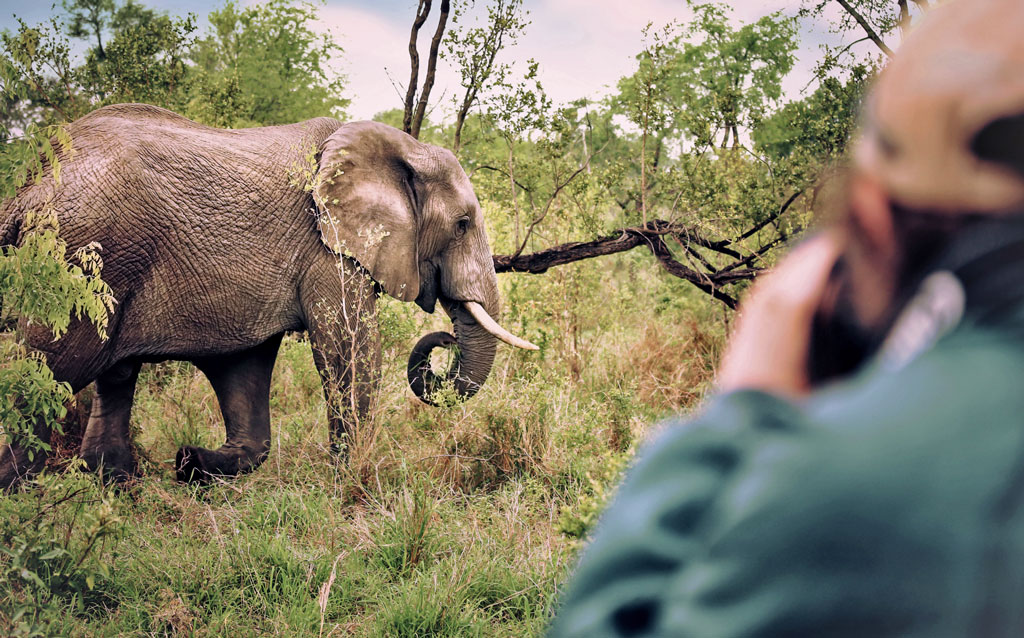 As social media rewards spectacle over substance, some private guides are prioritising viral content at the expense of ethics, safety, and the very animals they claim to champion. Drawing on firsthand accounts from across Africa and India, Adam Bannister explores the troubling rise of performative guiding – and makes a compelling call for a return to integrity, collaboration, and true connection with the wild
Private guiding, when done well, is one of the most valuable roles in the modern safari world.
Private guides bring a depth of knowledge, passion and continuity that can elevate a journey to something extraordinary. They often act as global ambassadors for conservation, bridging cultures and ecosystems. They open the eyes of their guests, and sometimes local guides too, to new ways of seeing the natural world. Their experience across diverse biomes allows them to offer layered perspectives, connecting dots across continents. At their best, they collaborate, inspire and enrich every environment they enter.
But with significant influence comes great responsibility. And, increasingly, I’ve noticed a troubling trend – one that’s being raised not by outsiders or critics but by the very people who share the field with them: the camp-based, often local guides who host these private guides on their home turf.
Over the past few months, I’ve been travelling across Africa and India, conducting training workshops for local, camp-based guides. In each of these sessions, I always carve out time to ask a simple but telling question: “What is the greatest challenge you face in your work as a guide?”
The answer, echoed across multiple camps, isn’t demanding guests, rain, bumpy roads, long hours or even time away from family. It is the behaviour of some private, often foreign, guides. And it strikes a chord that I can no longer ignore.
These are not just any guides. These are individuals, often high-profile, social media-famous personalities, who accompany their guests on safaris, frequently travelling between countries and camps. Increasingly, their work appears fuelled by Instagram likes, dramatic imagery and the need to secure the next client. But, in doing so, some are pushing boundaries – not only the ethical boundaries of wildlife viewing but also the patience and professional standards of local teams.
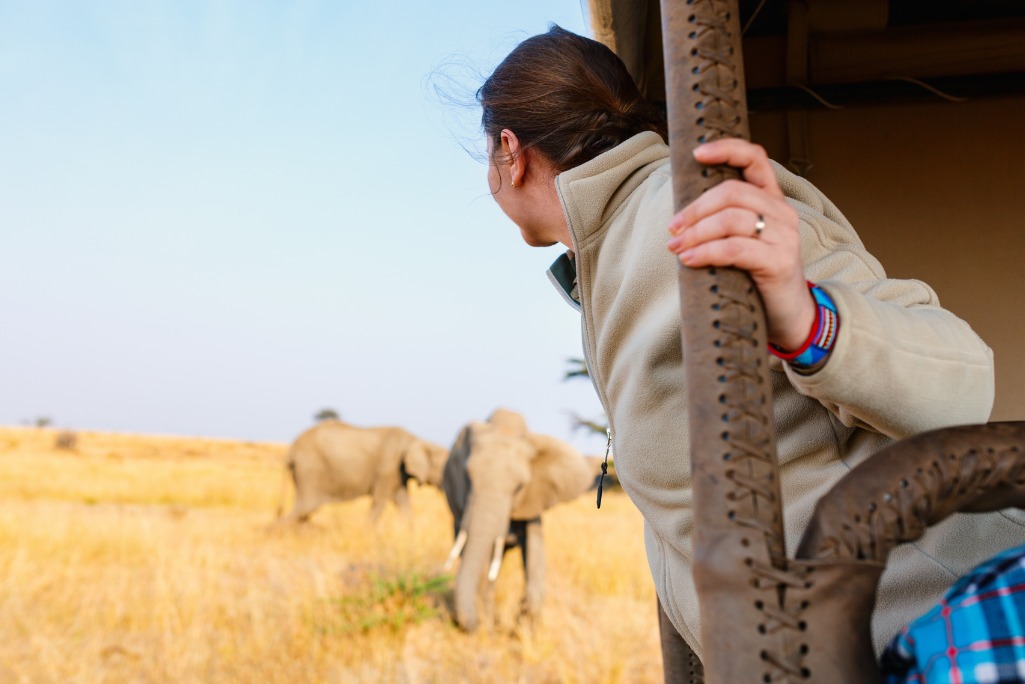
Local guides have told me, time and again, that it is these celebrity-style private guides (not the many who operate with care and professionalism) who make their jobs most complicated. They feel pressured to park in unsafe locations. They’re pushed for closer, riskier approaches. They’re urged to allow clients out of the vehicle, even in the presence of predators, all to get that coveted low-angle shot.
Some go so far as to place guests on foot beside lions, wild dogs, cheetahs or elephants – not for the guest’s deeper connection but for the sake of content. A quick scroll through their feeds reveals thousands of followers and carefully edited highlight reels of clients standing within metres of wild, dangerous animals.
This behaviour is deeply troubling. It’s reckless. It’s dangerous. And it erodes the foundation of responsible guiding.
What’s perhaps most disheartening is the imbalance of power. Many local guides, young men and women born into these landscapes, and trained under strict codes of conduct, feel unable to speak up. When a guide with hundreds of thousands of followers leans in and says, “It’s fine, trust me”, it takes extraordinary courage to push back.
Many don’t. They defer. They become, as one guide sadly told me, “just the driver”. But this is not how it should be. A great private guide should enhance an experience, not dominate it. They should bring depth, collaboration and storytelling, not override safety protocols and dismiss the concerns of professionals who live and work in that ecosystem. They should uplift industry standards, not drag them down.
Let’s be very clear: We are witnessing a shift where the image has become more important than the animal. And worse still, where the image is secondary to the footage of us getting the picture.
Wildlife appreciation used to be precisely that – quiet reverence, long hours of observation and interpreting the subtle nuances of wild behaviour. Now, for some, it has morphed into “look at me”. Guides once praised for patience and insight are being overshadowed by those who specialise in risk, spectacle and viral content. But there’s another layer of absurdity to all this.
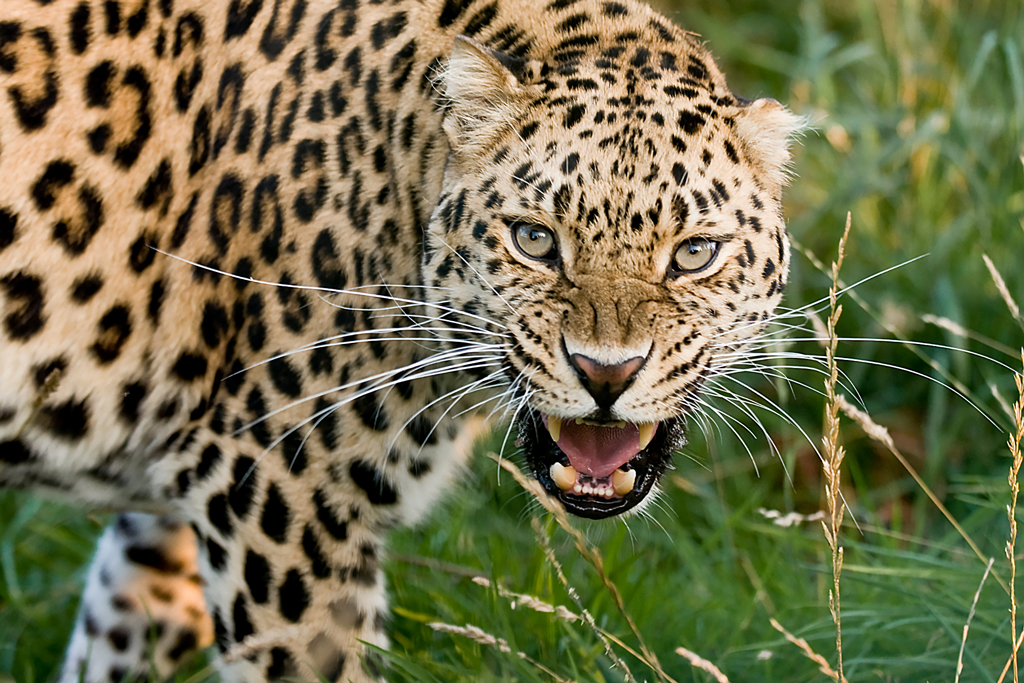
Increasingly, these high-profile guides aren’t just chasing content at the expense of ethics; they’re doing it at the expense of their own guests. Guests who have paid generously for the privilege of private guiding now find themselves watching their guides perform for a camera. The guides are busy framing their reels and stories instead of interpreting the experience for those who hired them.
The priorities have become warped. Moments that should be about connection – a family of elephants crossing a river, the twitch of a leopard’s tail or the powerful sound of a lion’s roar – are instead treated as content opportunities. Instead of narrating behaviours or deepening understanding, some guides are walking into frame, adjusting GoPros and Insta360 cameras or instructing the guest to “stand just here” so the guide can get a shot.
It’s no longer about enriching the guest’s safari; it’s about building the guide’s brand. We can dress it up however we want. We can write lengthy captions about our extensive experience and how we’ve “read the situation perfectly”. But the truth is: If you’re looking through a lens or a phone screen, you are not fully present. You are not in control. And, if something goes wrong, the animal pays the price. It becomes stressed, habituated and unpredictable – or worse, it’s labelled a problem and removed.
We cannot pretend to champion conservation while simultaneously breaking the rules to manufacture drama for our benefit.
Let’s revisit what it truly means to be a guide. Our role is to expose people to the natural and cultural heritage of a place: its stories, its subtleties and its sacredness. To interpret behaviour, not stage it. To elevate the dignity of the animals and landscapes we work in, not reduce them to backdrops for personal branding.
Social media has given us incredible power. But with it comes enormous responsibility. If we have large followings, we must lead by example. If we claim to care about conservation, we must act like it, not just say it in hashtags. The irony is stark. The very platforms that could be used to educate and inspire are encouraging a race to the bottom, where the loudest, boldest and most outrageous content wins. The losers, inevitably, are the animals.
As an industry, we need a reckoning. We must ask ourselves: Are we part of the solution, or are we fuelling the problem? Let’s not forget why we guide. It is not for fame. It is not for followers. It is to awaken something in others – to be a bridge between the wilderness and the people lucky enough to witness it. The moment we place our content above the guest’s experience – or the animal’s welfare – we have stopped being guides.

If you’re seeking an unforgettable safari that makes a real difference, browse our ethical safaris and journey with purpose. Africa Geographic crafts tailor-made luxury safaris with trusted, ethical partners who prioritise conservation, communities, and animal welfare.
We have become influencers masquerading in khaki. This is not an attack on private guiding. Quite the opposite. It is a plea for the incredible power and potential of private guiding to be used well, with humility, ethics and grace. At its best, private guiding transforms lives, creates ambassadors for wild places and helps raise standards across the board. But it must be grounded in the right intentions. It’s time we return to integrity. It’s time we restore respect for wildlife, for each other and the guiding profession.
Because when a photograph becomes more important than the animal, we all lose.
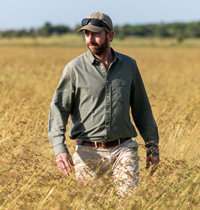 Adam Bannister is a South African-trained biologist, safari guide, author and storyteller who has spent nearly two decades immersed in some of the world’s most iconic wild places, from the Sabi Sands and Maasai Mara to the deserts of Rajasthan and the forests of Rwanda and Peru. With a passion for training guides, Adam works across Africa and India to help guiding teams unlock their full potential, combining science, storytelling and presence to elevate the guest experience. His strength lies in translating complex natural phenomena into meaningful, memorable moments in the field. Read more about Adam here.
Further reading
- Habituating leopards: Jamie Paterson & Maxine Gaines take an in-depth look at leopard habituation & tourism ethics. Read the story here
- In a refreshingly honest opinion editorial, we look at eco-ethics amongst safari guides as they go about finding animals for guests. Check it out here
To comment on this story: Login (or sign up) to our app here - it's a troll-free safe place 🙂.