



What a typical day on safari looks like


- Discover what a full day on safari looks like, from early morning excitement to starlit nights in the African bush.
- Learn when wildlife is most active and which times of day offer the best viewing opportunities.
- Explore how mornings, middays, afternoons and nights each bring different safari experiences and photographic moments.
- Understand how to balance game drives with relaxation, making the most of every hour on safari.
 Want to experience these safari moments for yourself? We have ready-made safaris to choose from, or we’ll help you plan your dream safari.
Picture it: you’ve arrived on safari, greeted by a world of possibility (and wildlife) that will shape each day of your stay. The rhythm of safari life is wonderfully fluid. Between game drives, meals, spa treatments, pool time and wildlife wandering past your room, deciding how to spend your hours becomes a rather delightful challenge.
If you’re wondering what a day on safari might look like, and when the best wildlife moments tend to unfold, here’s our guide to help you shape your perfect safari experience.
Safari mornings
This is hands down the Africa Geographic team’s favourite time of day. Ask any guide, and nine times out of ten, they will tell you that the early morning is when the bush truly shines. If there’s one drive you don’t want to skip, it’s this one.
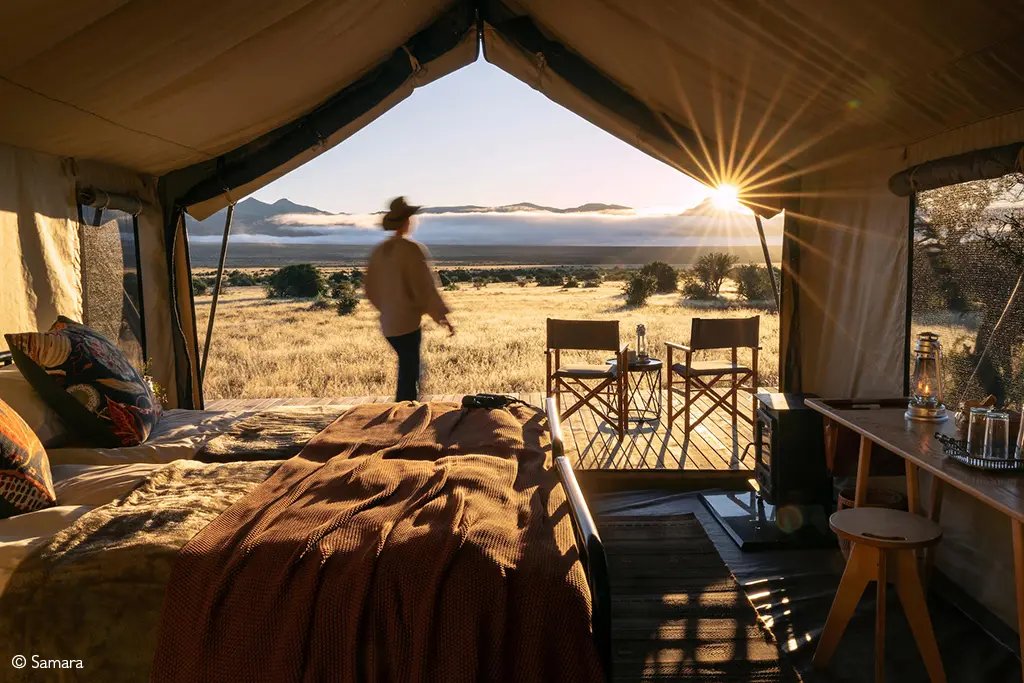
Safari mornings begin in the soft pre-dawn hush, with steaming coffee and cool air shaking off any lingering sleep. The excitement comes from not knowing what lies ahead. Nocturnal animals are still on the move, leaving fresh tracks (nature’s morning newspaper) while diurnal species begin to stir and take advantage of the pleasant temperatures.
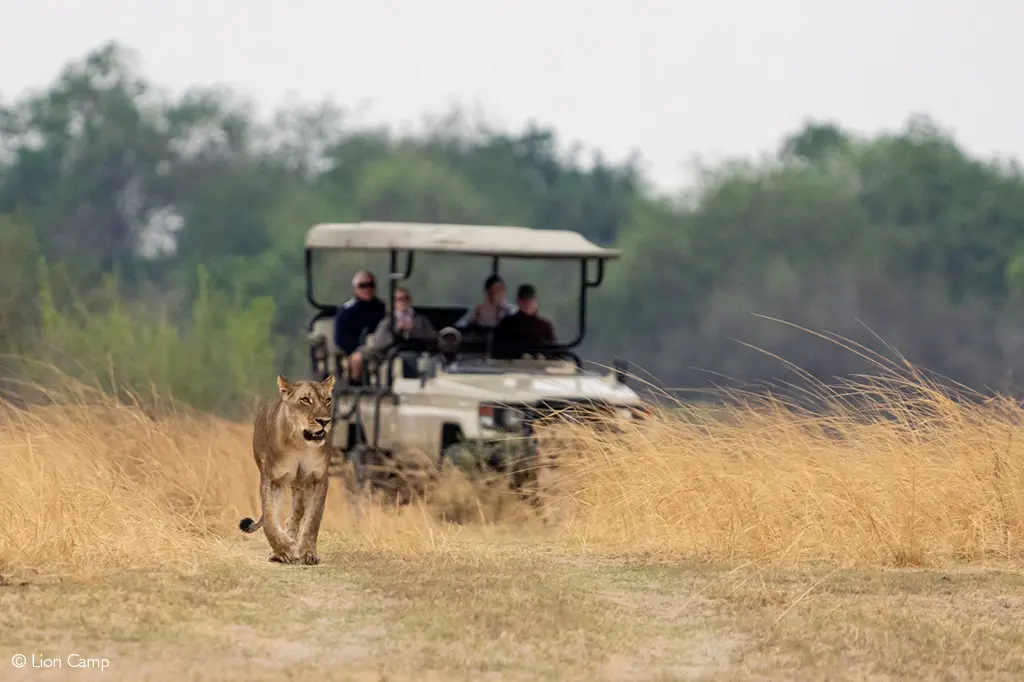
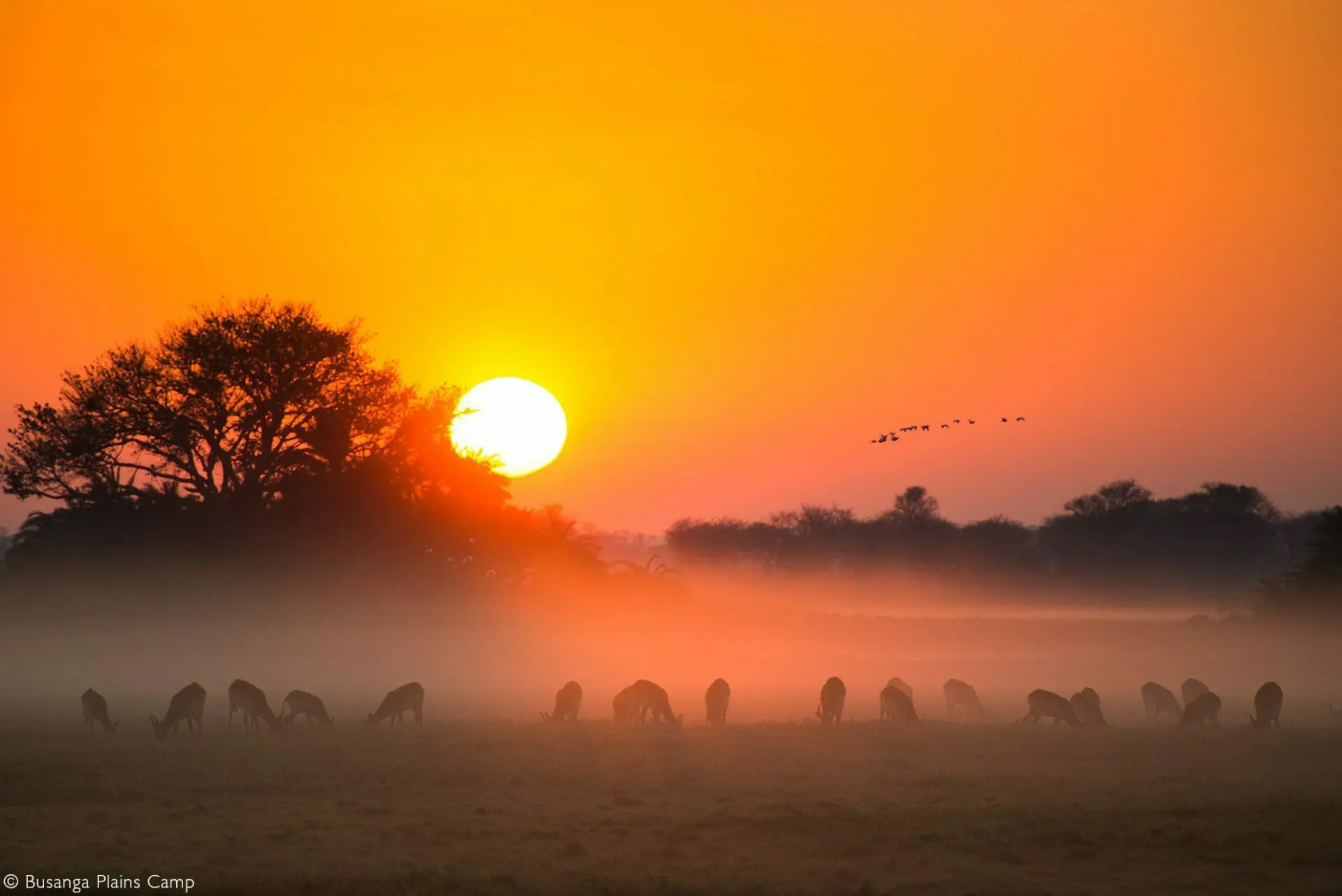
For similar reasons, early morning is also the ideal time for a guided walk. Whether you’re tracking wildlife on foot or scanning the horizon from a vehicle, the colours, scents and sounds are heightened at dawn. And no matter where you are in Africa, sunrise rarely disappoints. It’s a feast for the senses and a perfect time for photography. Just imagine the channels and floodplains of the Okavango Delta coming alive at dawn as elephants, lechwe and herons move through the mist. Or picture a morning on the plains of Serengeti National Park, where predators return from nighttime hunts while great herds drift across grasslands.
Expect: Crisp air, top wildlife activity, beautiful light, fresh tracks, high energy.

Midday on safari
By late morning, most guests return to camp for brunch or lunch, followed by downtime during the heat of the day. In general, midday is not peak wildlife-viewing time; most animals sensibly retreat to shade to rest or ruminate, and the harsh overhead sun makes photography trickier.
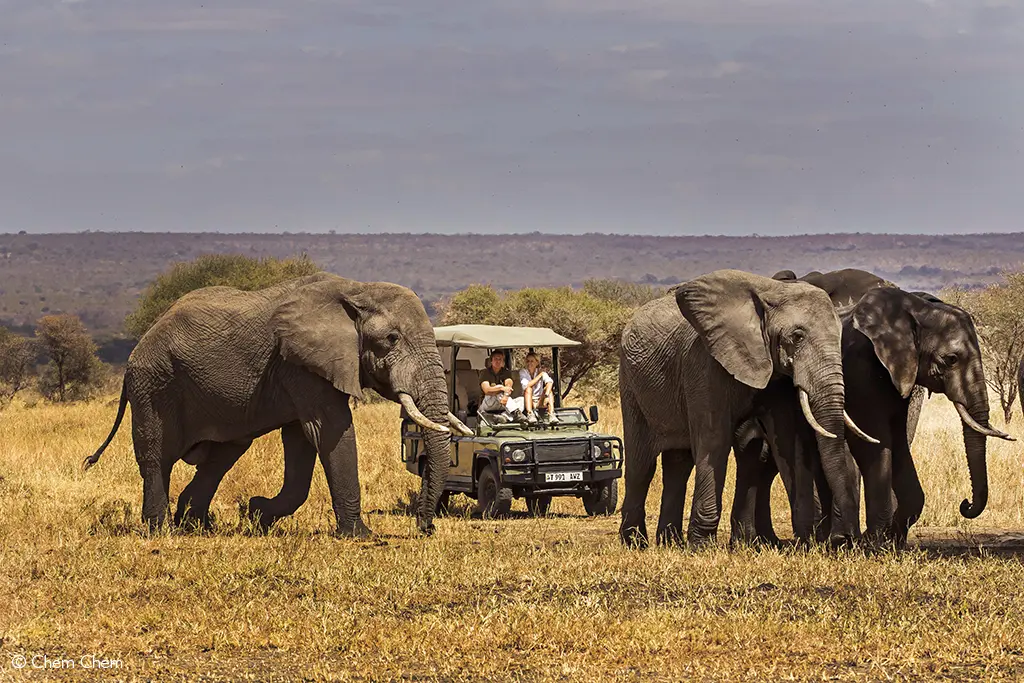
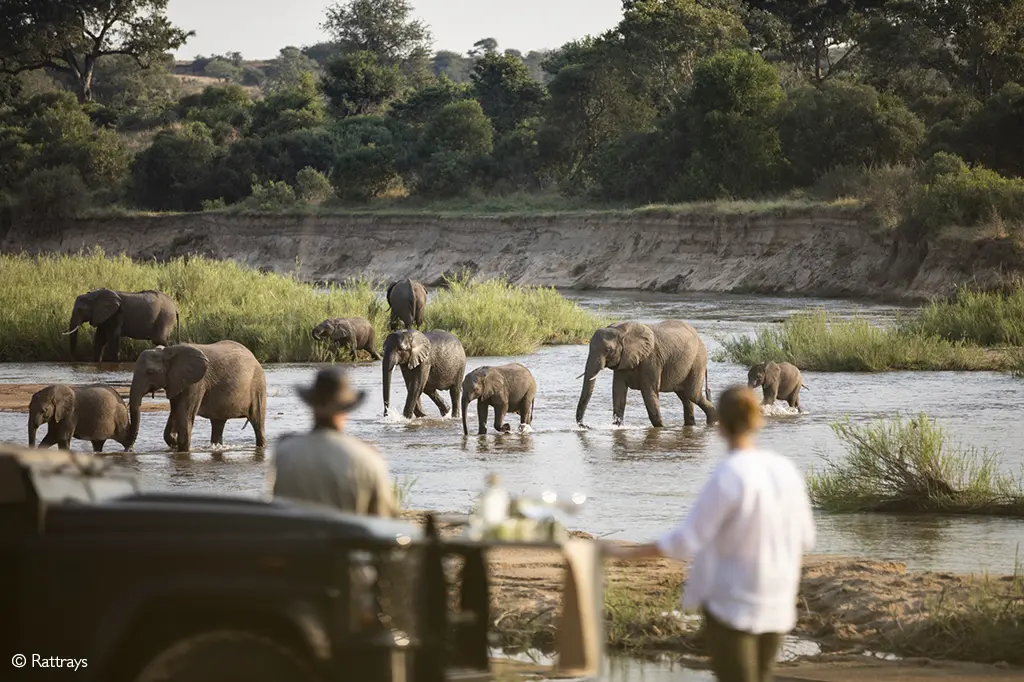
But safari is never predictable. This is the perfect time to visit waterholes, where elephants snorkel, and rhinos wallow in mud baths. And because many guests are back at camp, there’s always the chance of having a special sighting all to yourself. Cheetahs and leopards sometimes hunt at this time, taking advantage of reduced competition from lions and hyenas. Or picture a midday in Greater Kruger, where midday hours can surprise you with elephants gathering at waterholes and leopards resting in the shade of marula trees.
Expect: Slower wildlife activity, excellent waterhole viewing, quiet bush time, relaxed hours at camp.

The best way to spend the afternoon
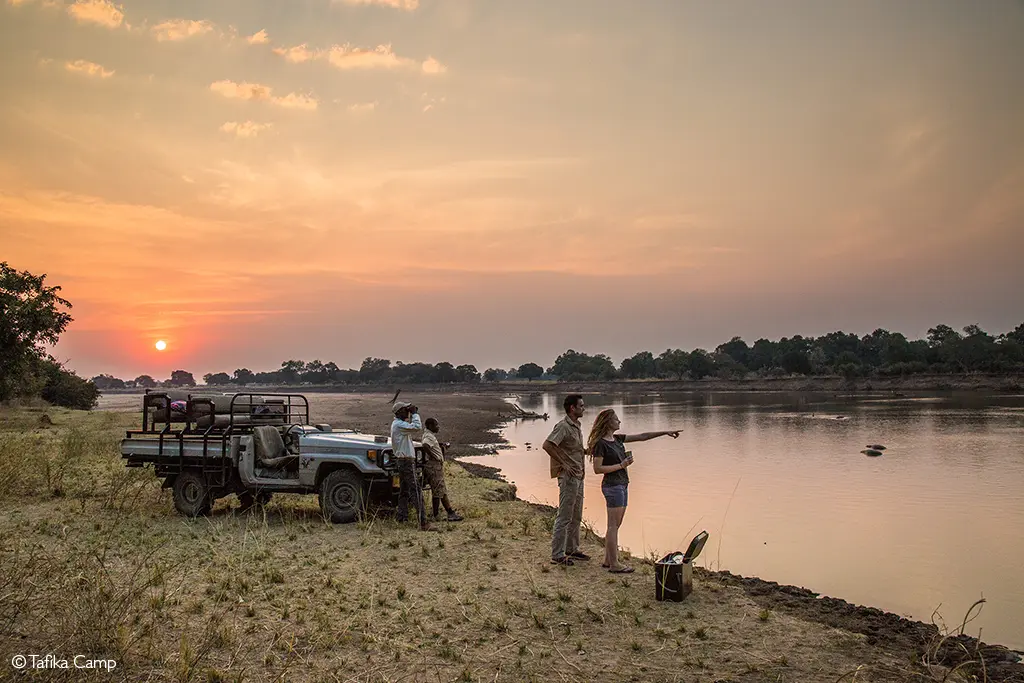
As the heat begins to ebb, the bush revives. Animals emerge from the shade, birds pick up their chorus, and the golden light returns. Even in winter, early afternoons are warm, but don’t trust anyone who says it never gets cold in Africa: take a jacket for the evening return.
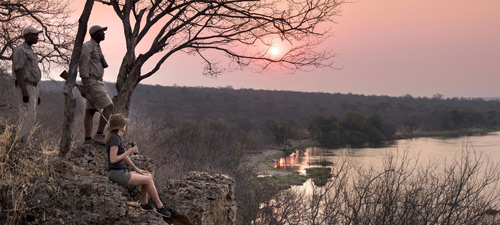
Sunset on safari is a daily performance, with skies painted in reds, oranges and soft pinks. For those hoping to see elusive nocturnal creatures such as aardvarks or pangolins, winter afternoons offer the best chance, as they may begin moving earlier than usual. Destinations such as South Luangwa and Chobe National Parks are famous for fiery sunsets, making afternoon drives especially rewarding.
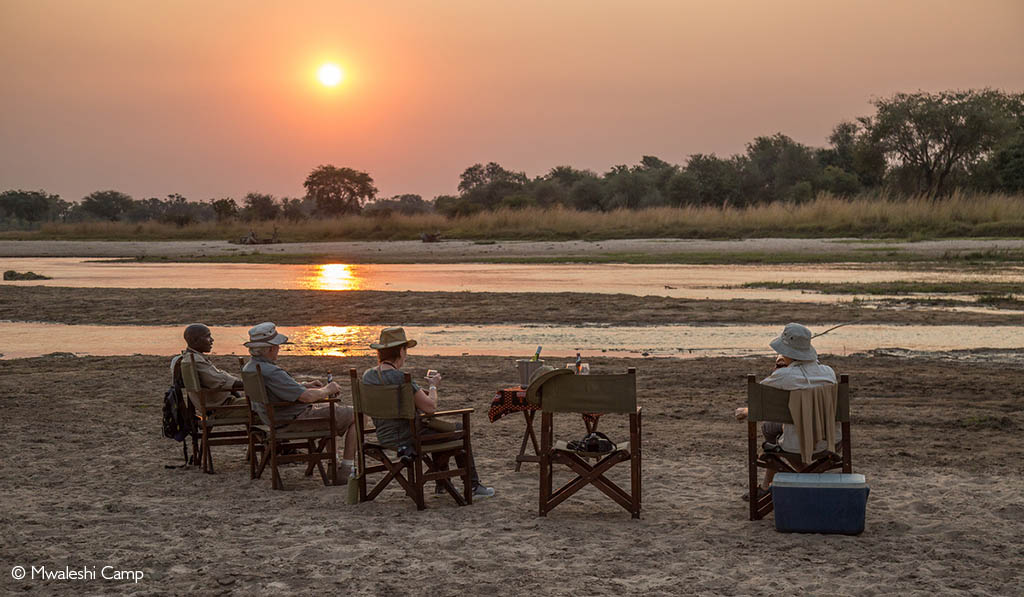
Expect: Great general game viewing, warm colours, classic sunsets, and increasing animal activity.
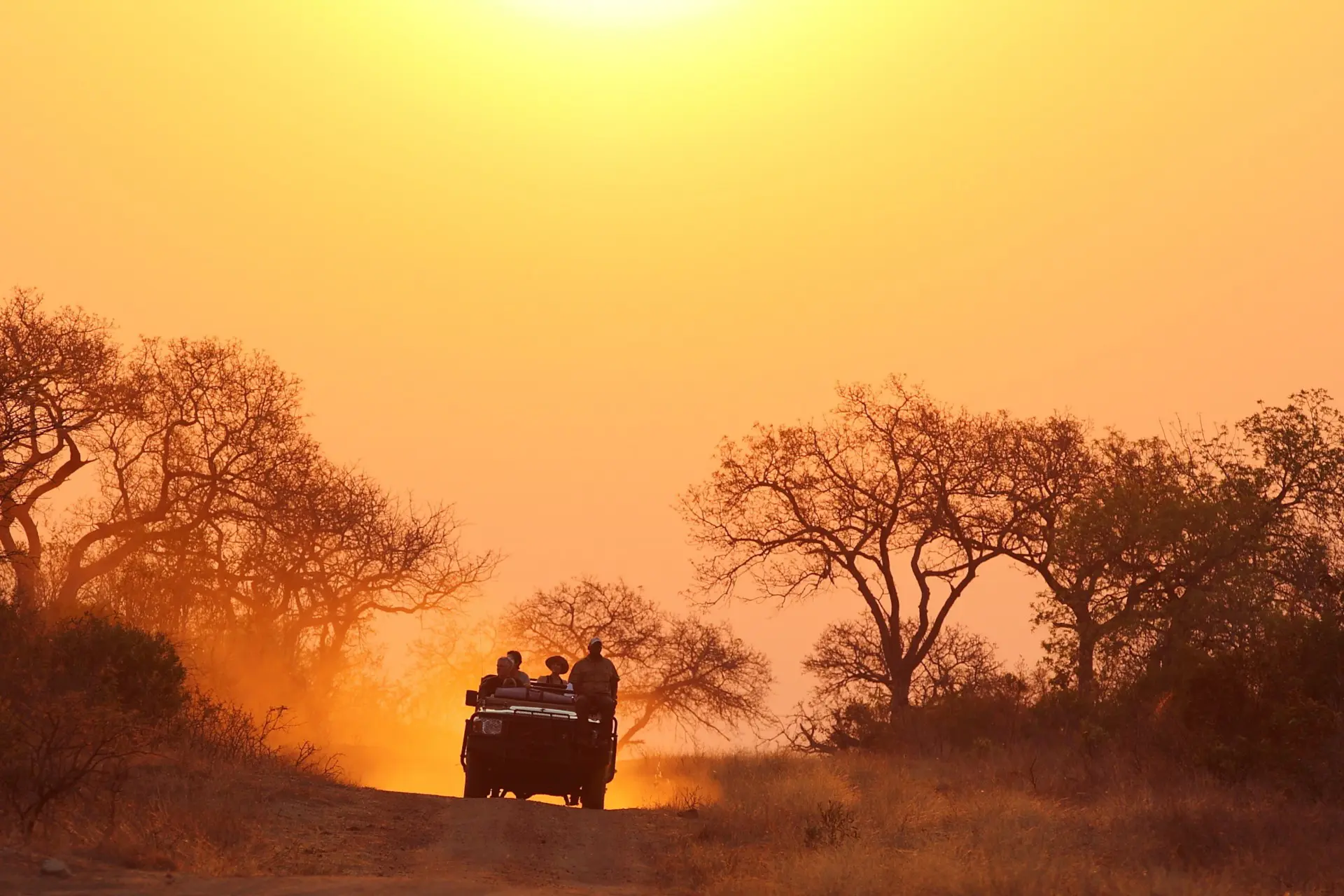
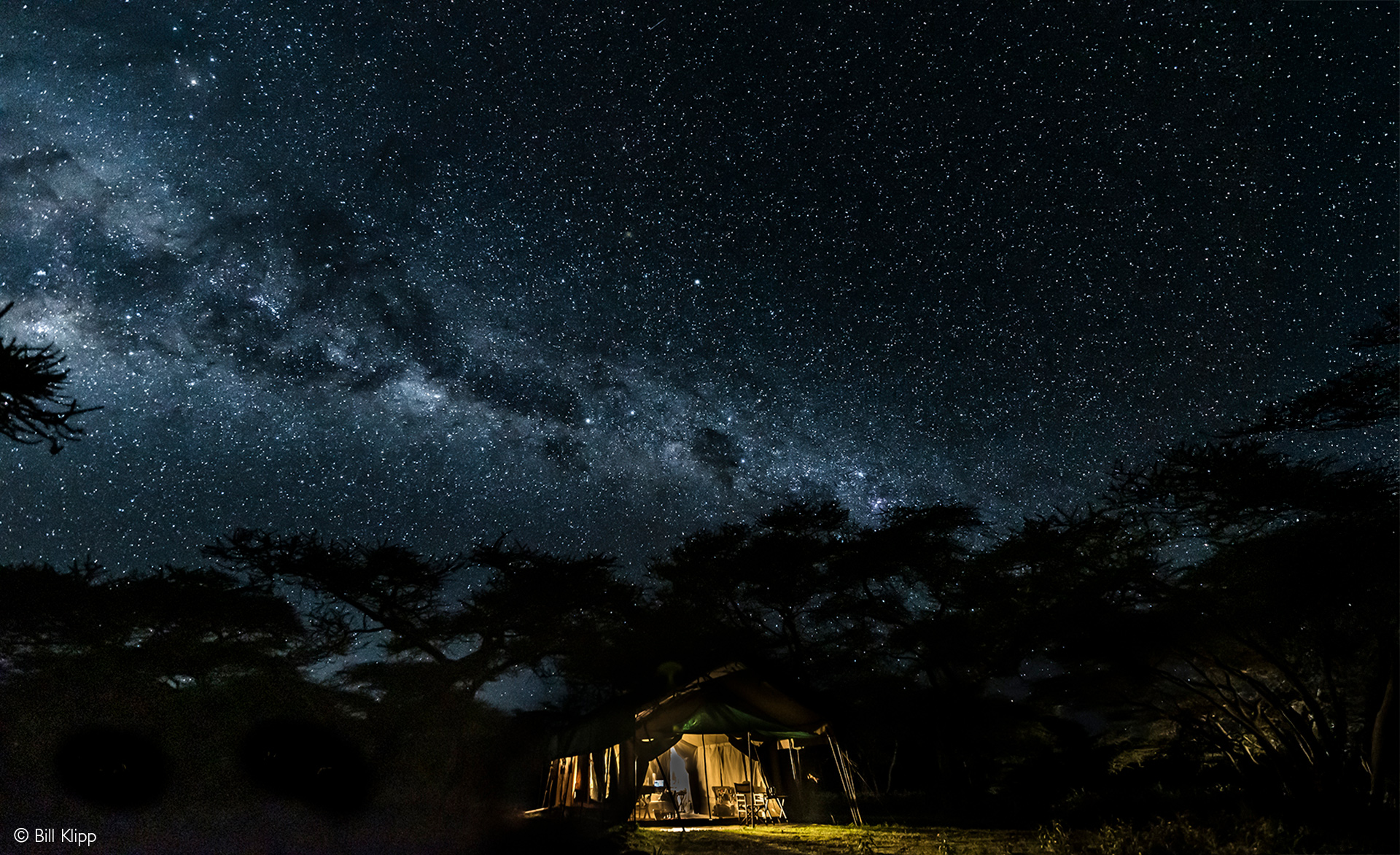
Safari under the stars
Evening drives and night drives offer a different experience altogether. Yes, predators are on the move, and nocturnal species begin their nightly routines. But sightings are often fleeting, and your guide’s careful spotlight work must always prioritise ethical viewing, especially near hunts.
Still, night drives reveal safari characters you may otherwise miss: bushbabies leaping through branches, chameleons glowing under torchlight, civets slinking along sandy tracks. And then there’s the soundtrack: roaring lions, whooping hyenas, and a sky filled with stars stretching across the wilderness. Imagine an evening in Hwange National Park, where night brings the sounds of roaring lions and restless elephants filtering through from the riverbanks and teak forests.
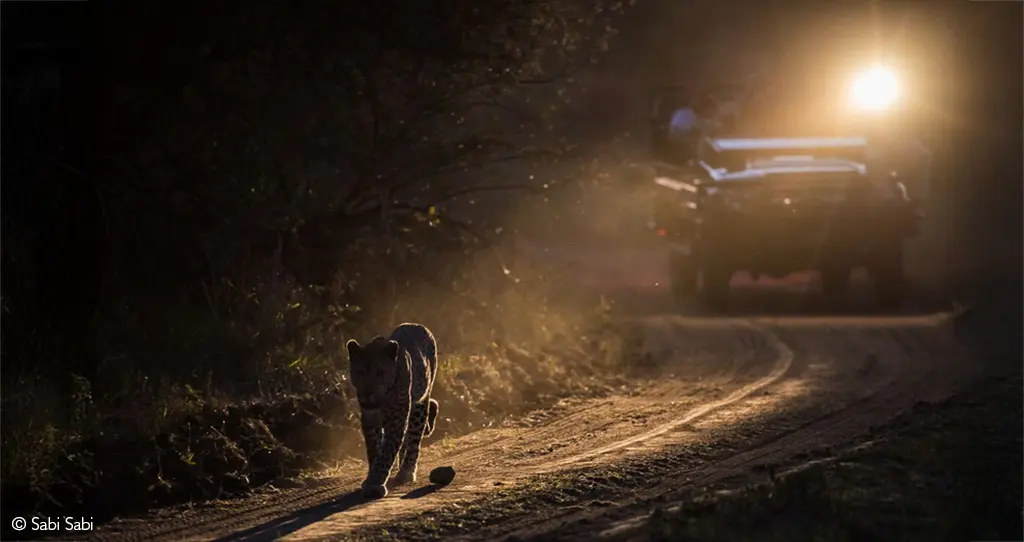
Note that not all national parks permit night drives; choose a private reserve or conservancy if you’d like to include them.
Expect: Mysterious atmosphere, nocturnal wildlife, dramatic night sounds and astronomical moments.

The FOMO factor
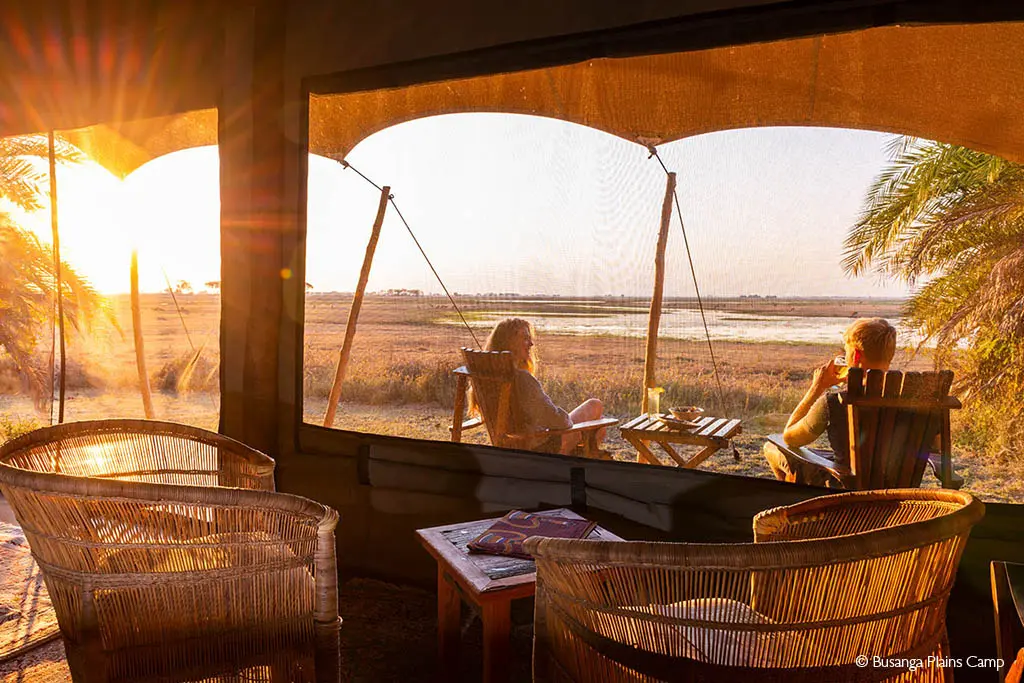
If you’re looking for consistency, the morning game drive is usually the most rewarding safari outing of the day. That said, safari is also a holiday, if you want to skip a drive and indulge in a massage or enjoy elephants drinking at the lodge waterhole, go for it. Just remember that Murphy’s Law is alive and well in the bush… and your fellow guests may return with the inevitable “you’ll never guess what we saw!”
Expect: Unforgettable moments, whether you head out or stay in camp.
Further reading
- The ultimate guide to your African safari bucket list. Here are our choices of 15 top wildlife experiences on the continent
- What should you pack for your safari? Check out our safari packing guide here
- Sundowner, anyone? We reveal our top 10 sundowner spots in Africa – best enjoyed with exotic cocktails and delicious snacks
To comment on this story: Login (or sign up) to our app here - it's a troll-free safe place 🙂.