


A different kind of beach and bush holiday

“My Lord, I have the honour to convey the information that we have traced the river Shire up to its point of departure from the hitherto undiscovered Lake Nyinyesi or Nyassa.” – David Livingstone to the Earl of Malmesbury on 15th October 1859
It probably would have come as something of a surprise to the local inhabitants of Lake Malawi to learn that their lake was “hitherto undiscovered”, but even by traditional standards of colonial “discovery”, Livingstone was mistaken. His arrival came some 13 years after that of several Portuguese traders. To add insult to injury, he then proclaimed Lake Malawi as Lake Nyasa, which translates to “Lake Lake” in Chiyao – a name that has stuck in both Tanzania and Mozambique to this day.
Livingstone’s alternative moniker, Lake Nyinyesi or “Lake of Stars” (in reference to the lights of the fishing boats bobbing about on the lake’s surface at night), was perhaps a better fit. This at least does some justice to the enchanting atmosphere of the lake and its surroundings. Whatever the label ascribed to this magnificent body of water, there is no question that Lake Malawi remains one of Africa’s best-kept travel secrets and a wonderful beach holiday experience. A crystalline freshwater lake surrounded by sandy beaches fringed by palm trees – could there be a better way to wash off the dust at the end of an African bush safari?

The Lake
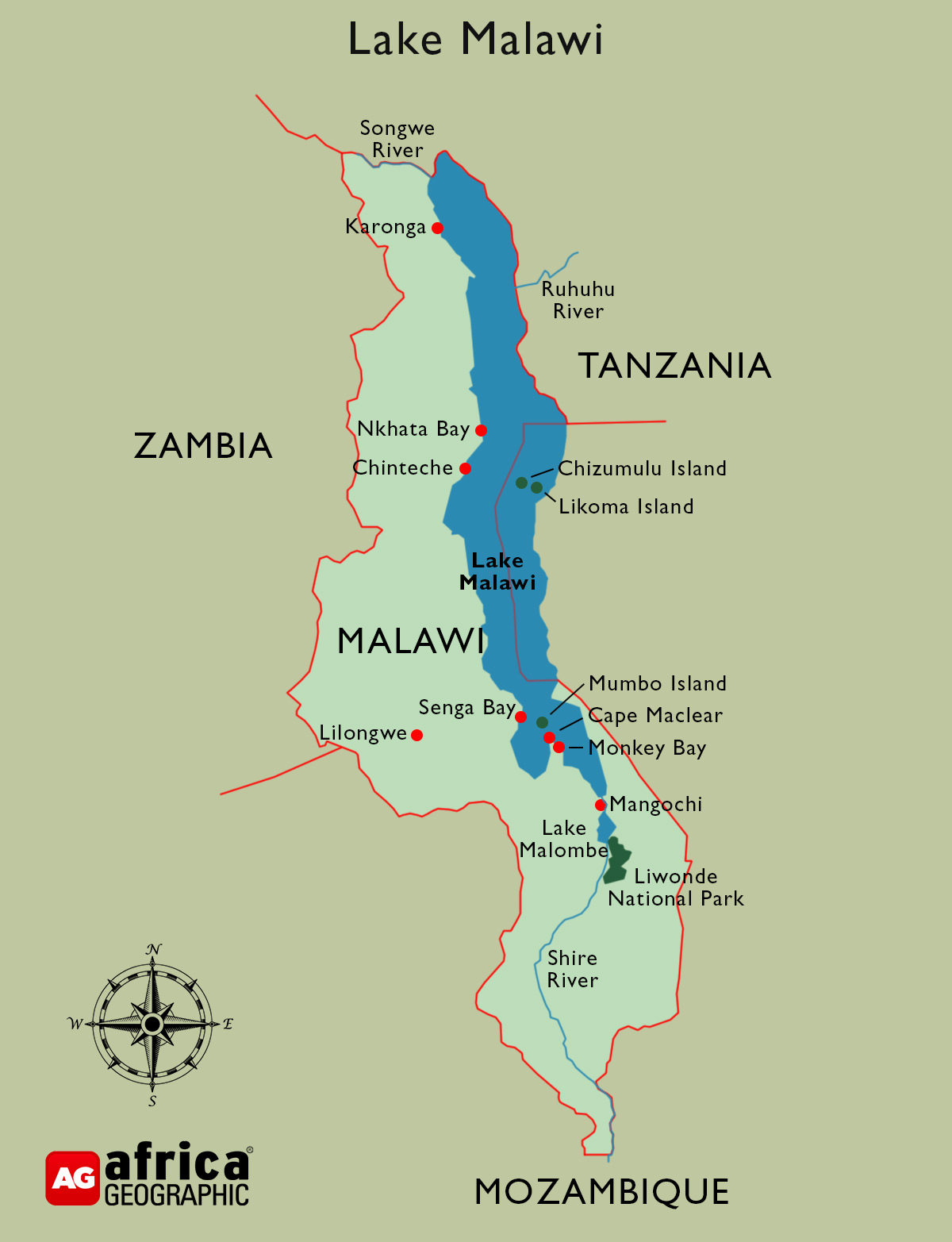
Lake Malawi/Lake Nyasa is an African Great Lake – the southernmost lake in the East African Rift system. It is the fourth-largest freshwater lake in the world (by volume) and the third-largest in Africa (behind Lake Victoria and Lake Tanganyika). The lake is around 570km long and some 75km at its widest point, with a central depression that extends to a depth of over 700m (if this doesn’t fully put things into perspective, Lake Malawi holds an estimated 7% of the world’s available surface freshwater). It lies between Mozambique, Malawi and Tanzania, and the exact position of the international boundary between Malawi and Tanzania remains a matter of considerable contention that has boiled over into frequent diplomatic disputes.
The largest river feeding the lake is the Ruhuhu River, which flows south from Tanzania, while the renowned Shire River serves as the lake’s primary outlet. The basin is believed to be around 8.6 million years old, formed as the African tectonic plates began to diverge. Research indicates that water levels have varied considerably over the millennia, including periods where the lake dried out almost entirely.
Lake Malawi is classified as a meromictic lake. This means that the layers of water (surface and deep waters) do not mix, unlike in more common holomitic lakes, where the layers physically mix at least once a year. This stable “stratification” of the waters creates radically different environments for the lake’s organisms, as the deeper waters are almost entirely without oxygen and considerably cooler.
The water is usually exceptionally clear for a freshwater lake, with visibility often extending further than 20m in clear conditions, sometimes more in exceptional cases. Beneath the warm cerulean waves, Lake Malawi’s ancient yet turbulent geologic history has created truly spectacular underwater scenery, decorated with electric flashes of vibrant fish.

Snorkel, scuba, kayak, sail (or just sunbathe)
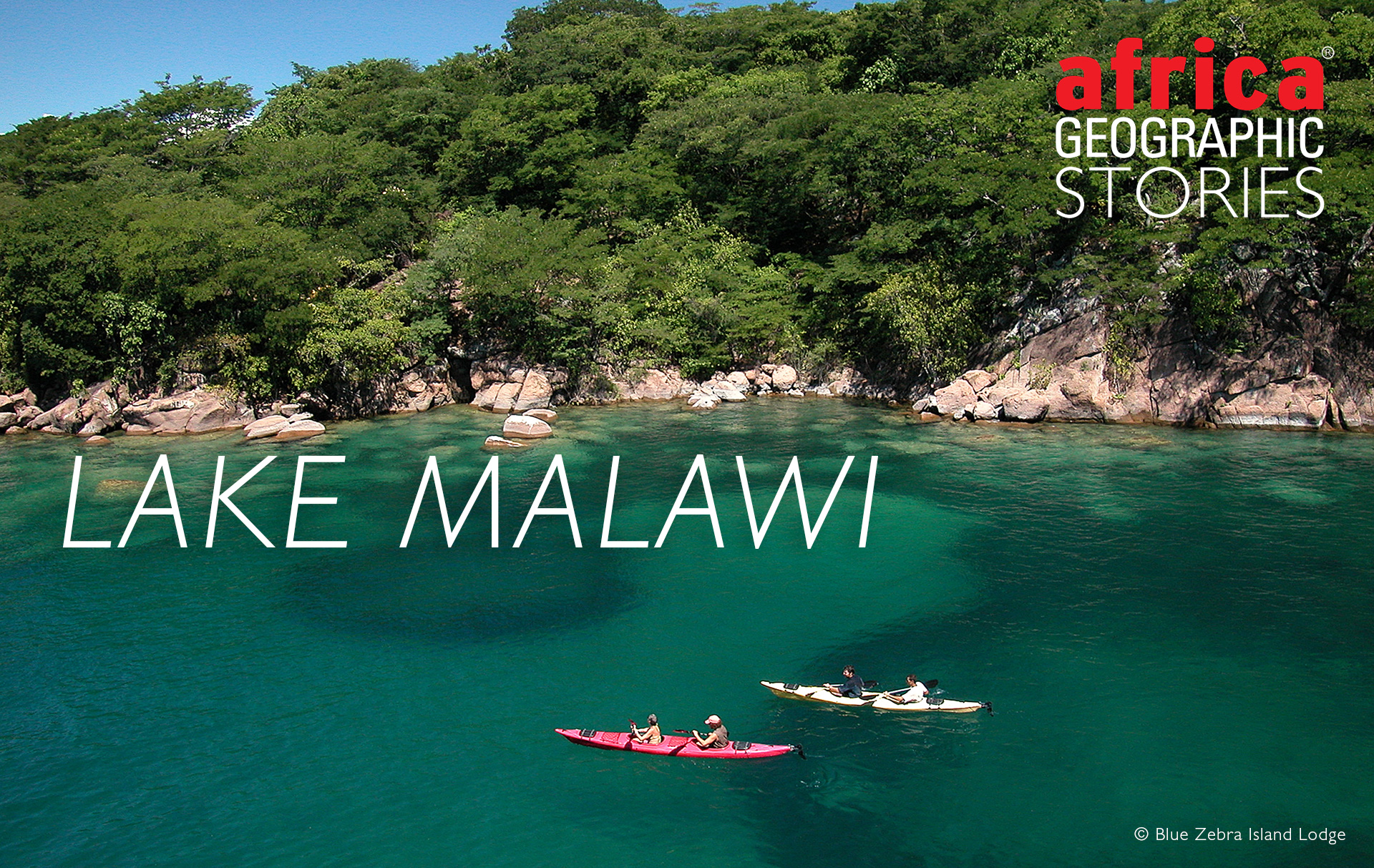
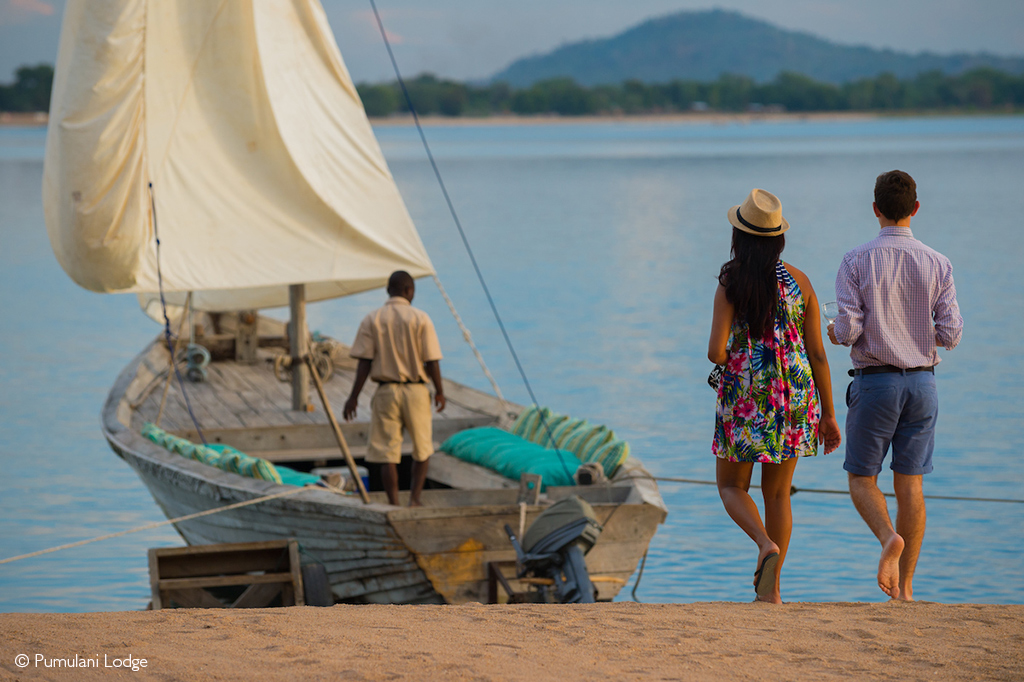
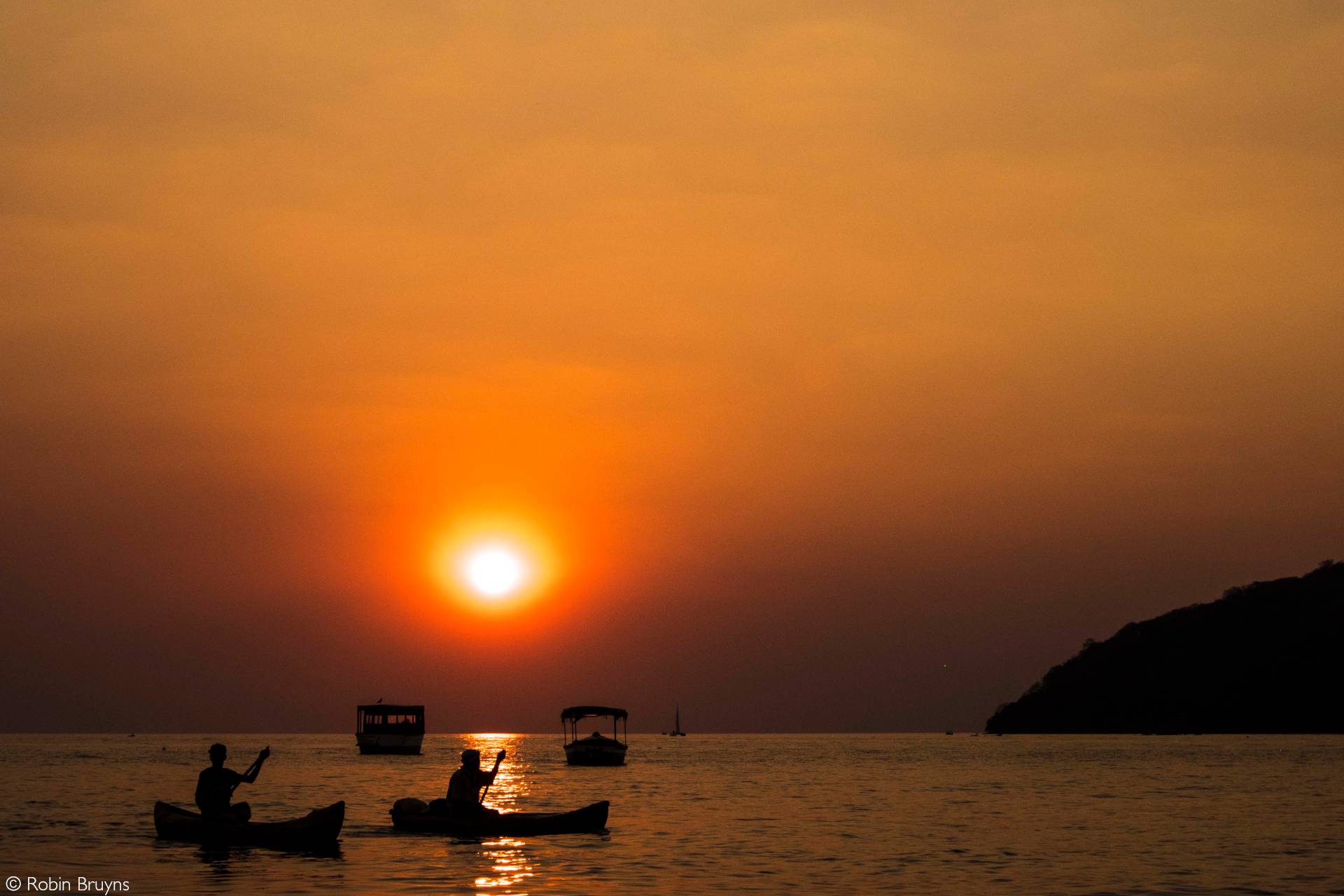
Along Lake Malawi’s extensive shoreline, tiny beach villages, resorts, and lodges offer adventurous tourists a plethora of opportunities to explore the waters above and below the azure ripples. Sailing and kayaking are at the top of the list for those eager to investigate the various bays and coves along the shoreline. This also provides the opportunity to marvel at the enormous granite boulders scattered by the forces of a more primordial earth, or perhaps even catch a glimpse of a fish eagle swooping in to snatch up an inattentive fish. For those intent on sticking to a more sedate pace, boat trips provide the perfect vantage to appreciate the lake’s famous, blazing sunsets. Snorkel or dive beneath the surface to take in the fishy kaleidoscope darting around the rocks in the shallows.
 Check out our Lake Malawi trip ideas here, or explore other safaris in Malawi here. Or, ask us to build the perfect safari, tailored just for you.
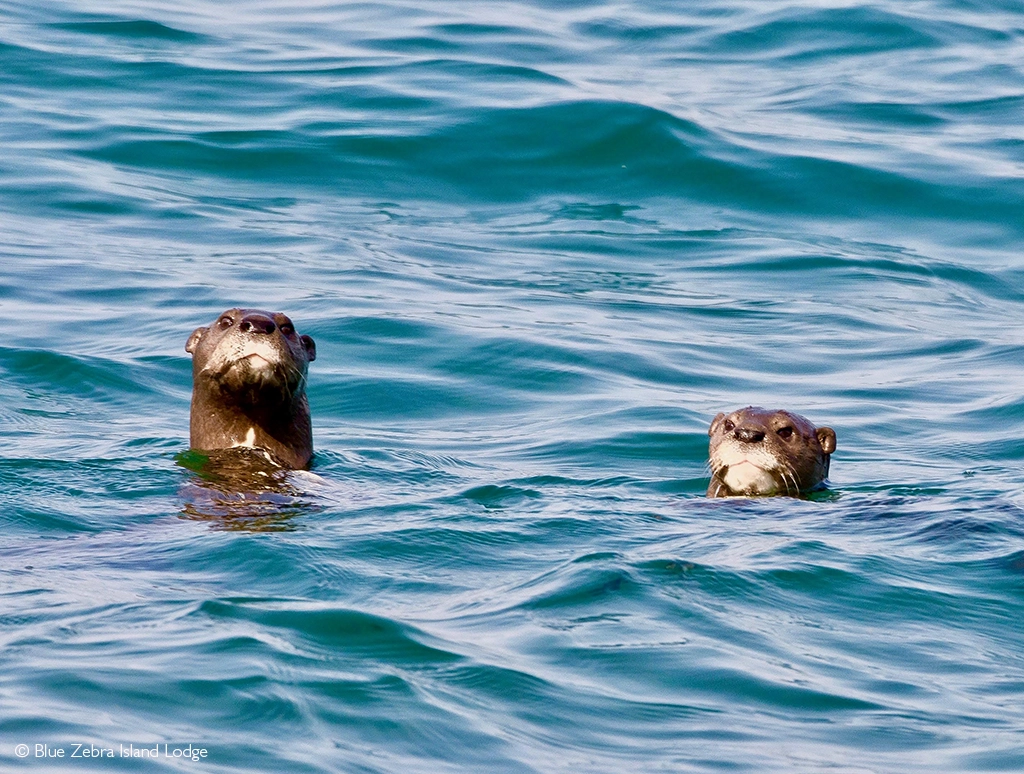
There are two caveats to exploring the lake’s waters. The first is that there are crocodiles and hippos in residence. However, they tend to remain closer to more vegetated or muddy areas rather than to broad, open, clear waters. Fortunately, they are easy to spot in the clear water, too. It is worth remembering that Malawi’s rainy season runs from December to around March, and the consequent runoff affects water visibility. The second is that bilharzia is a risk for those who enter the water. As such, visitors should follow guidelines for the specific areas they are visiting. The risk is highest near densely populated areas and negligible on secluded islands. Infection is rare, and bilharzia can be quickly and efficiently treated with anthelmintic drugs.


Something fishy
In terms of wildlife, crocodiles and hippos take second place behind the astonishing variety of fish that inhabit the lake – up to 1,000 species – more than any other lake in the world.
The majority of these are cichlids, whose evolutionary radiations have been a source of eternal fascination for biologists intent on unpicking their taxonomic complexities. (Though their bright, shiny colours are the most attractive characteristic for the average diver.) These stunning little fish are everywhere, though most numerous in the shallow shoreline areas where they create nesting ‘sandcastles’ (officially termed bowers) and ferry their tiny fry by mouth.
Fishing is an integral way of life for local Malawians living on the lake’s shores. Exploring the tiny fishing villages, learning about the culture of fishing is fascinating. Unfortunately, overfishing has become a serious concern in recent decades. This stems from both small-scale and more industrial fishing, with some commercial operations increasing pressure on certain stocks.
Lake Malawi’s Paradise Islands
Though far from over-developed, there is a distinctive ‘beach-town atmosphere’ to some of the more popular sections and resorts of Lake Malawi, particularly along the southern shoreline (most notably, Cape Maclear). These hubs are popular with low-budget travellers, and several backpacking establishments offer affordable accommodation and lively nightlife.
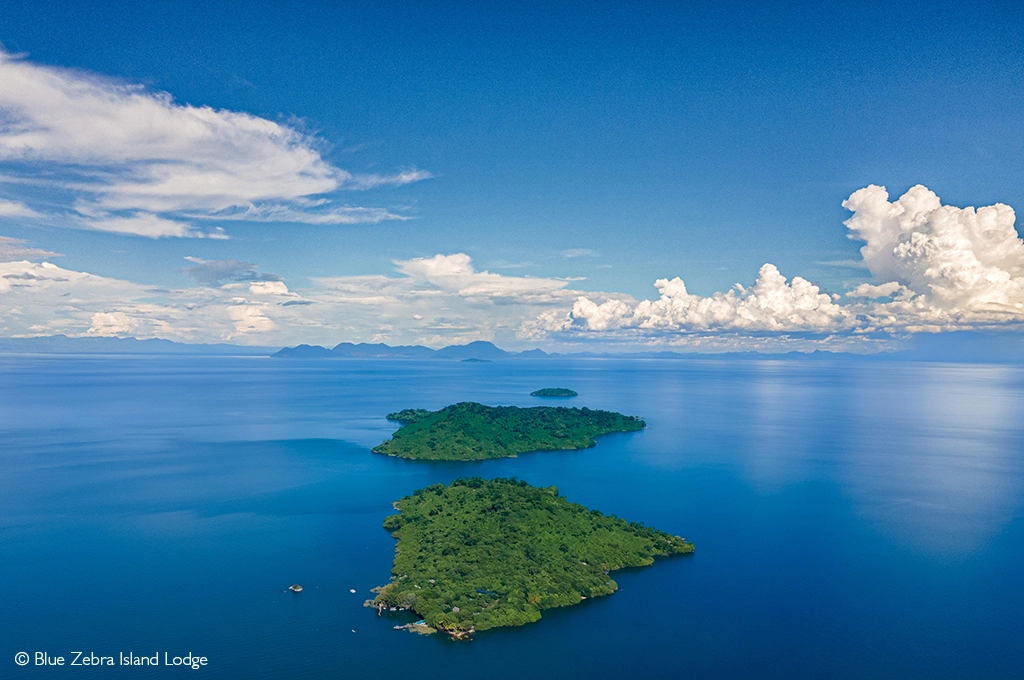
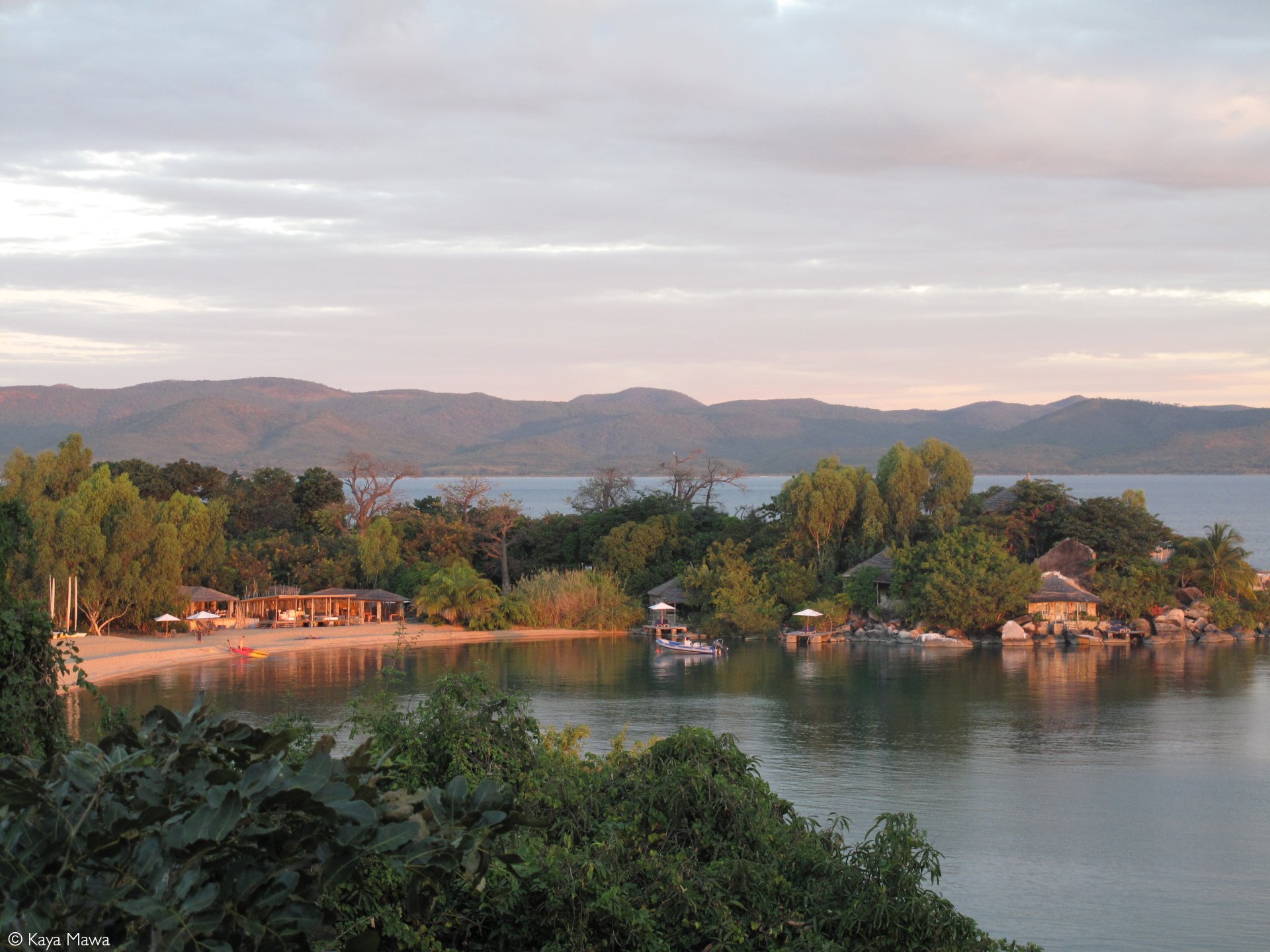
Several upmarket lodges boast their own private beaches for those keen on a more exclusive experience. Here, residents can step straight out of their cabins onto the white sand. There are many of these on Lake Malawi’s scattered islands, some of which are entirely private, set aside for exclusive use by lodge guests. These tropical escapes offer the same amenities as any other luxury beach holiday, usually at a fraction of the cost. The two largest islands, Likoma and Chizumulu, are inhabited by small populations of some 10,500 (Likoma) and 4,000 (Chizumulu) people. Fascinatingly, despite having no tarred roads or electricity after 10 PM, the town of Likoma is home to the enormous, gothic, stone edifice of St Peter’s Anglican Cathedral.


History lessons on Lake Malawi
This rich sense of history extends across the lake, and the Lake Malawi Museum documents the story of the first naval battle of World War I. However, to call it a naval battle might be something of a stretch. The story goes that Captain Rhoades of the SS Gwendolen was the first to receive official orders and immediately set out to disable the German steamship Hermann von Wissman while it was being repaired. His friend and supposed drinking buddy, Captain Berndt, was entirely unaware that the war had started, so when bombs began raining down on the docked Hermann von Wissman, Berndt rowed out to the Gwendolen to inquire if his old pal Rhoades had perhaps had one too many.
Bush and beach
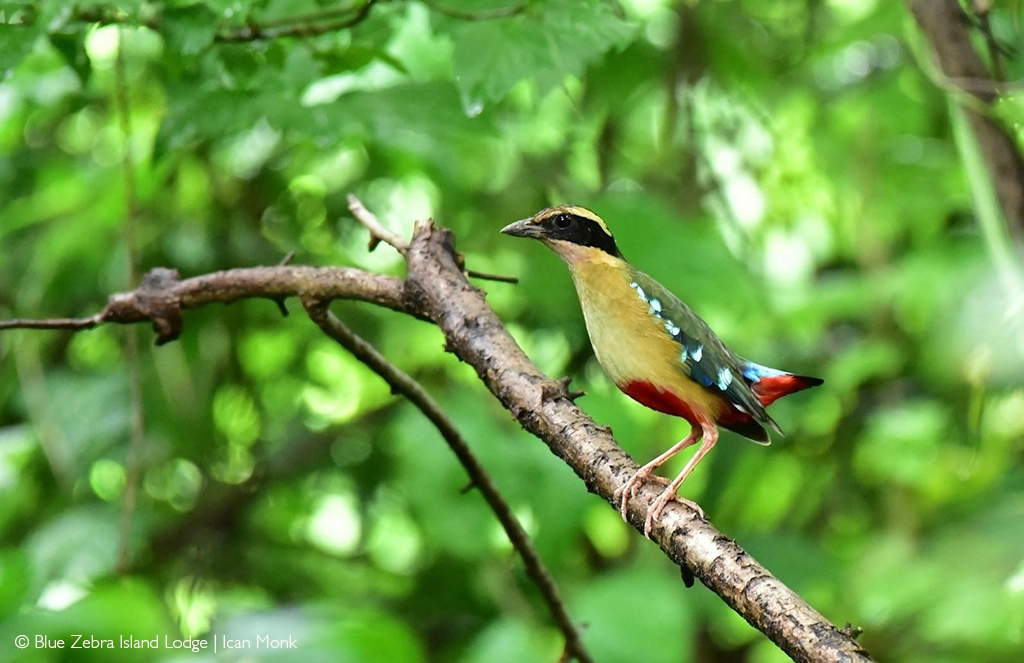
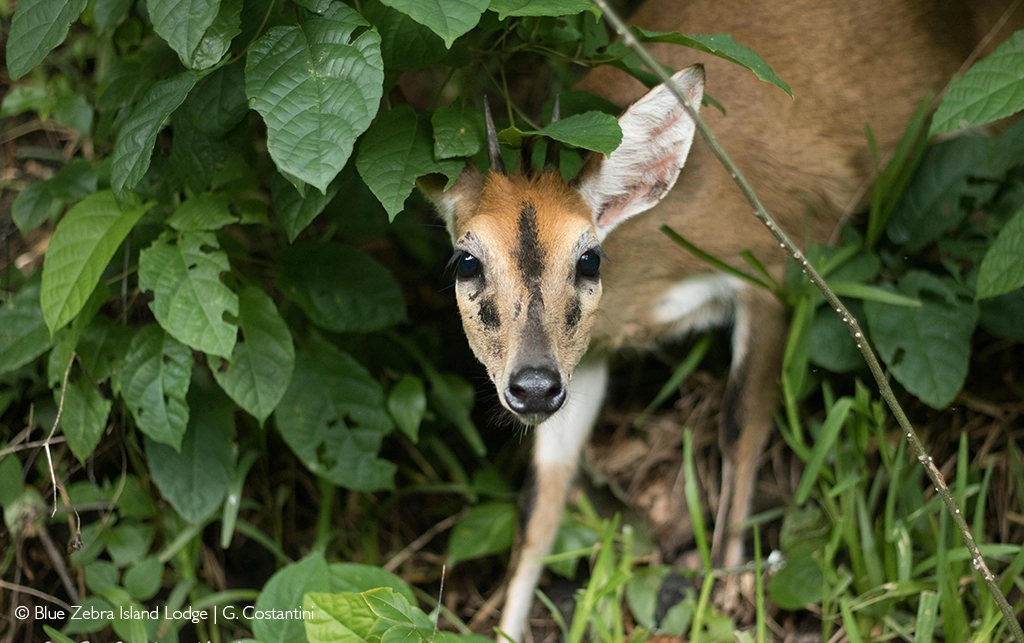
Beyond its shimmering shores, Lake Malawi’s hinterland reveals a tapestry of inland wonders that rival the beauty of the water itself. Directly inland from Lake Malawi’s shoreline, a rich and varied landscape unfolds. The narrow coastal plain quickly gives way to wooded hills and escarpments clothed in miombo woodland, dominated by brachystegia, mopane, and acacia trees that flush golden after the rains. These forests shelter a surprising array of wildlife, including baboons, vervet monkeys, bushbuck, warthogs, and small antelope such as duiker. Birdlife is prolific: fish eagles, hornbills, sunbirds, and bee-eaters thrive in the woodland canopy and along the riverine thickets that feed into the lake. Pockets of evergreen forest cling to the higher ridges, where orchids and ferns flourish in the cool, misty air. In certain areas, particularly around Cape Maclear and Nankumba Peninsula, the escarpment forests blend into rocky outcrops and grassland, providing habitat for hyraxes and the occasional leopard.
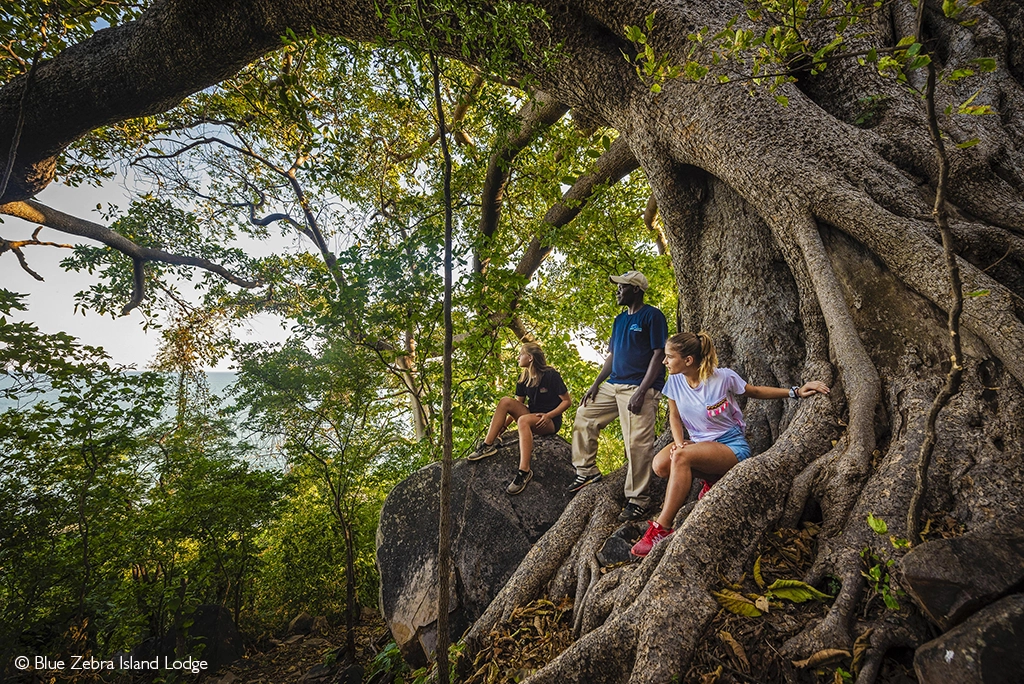
Though not one of the more popular safari destinations, Malawi’s conservation and ecotourism ventures have grown from strength to strength in recent years. Many of the country’s pristine protected areas offer a ‘Big 5’ experience, with the added advantage that they are unspoilt by mass tourism. Just a short journey from the southern shore of Lake Malawi lies Liwonde National Park, bordered by (and indeed accessible to) the Shire River. Along with the adjacent Mangochi Forest and under the auspices of African Parks, the national park is flourishing, and translocated animals from other reserves have bolstered local wildlife populations.
Further south, the 700km² (70,000-hectare) Majete Wildlife Reserve in southwestern Malawi is one of Africa’s greatest conservation success stories and a premier Big-5 safari destination. Here, African Parks has also assumed responsibility for the rehabilitation and long-term management of the reserve, and implemented programs to protect the reserve, with teams successfully securing the safety of Majete’s wildlife populations
Malawi’s birding is equally varied and exciting, with 684 species recorded. Liwonde National Park is also the population stronghold of Lilian’s lovebird.
DID YOU KNOW that Majete Wildlife Reserve and Liwonde National Park are managed by African Parks? African Parks offers safari camps (lodges and campsites) where 100% of tourism revenue goes to conservation and local communities. Find out more and book your African Parks safari through Ukuri here.
The Lake of Stars
From spectacular hiking trails to pristine white beaches, Lake Malawi’s true magic lies in its relative “undiscovered” status (despite Livingstone’s best efforts). Removed from the famous safari circuits, its crystal waters and pristine biodiversity make for the perfect tropical escape, accompanied by the warm embrace of local hospitality.

Further reading
Bush or beach? There’s no need to choose! We bring you the best combo safaris featuring epic beach & bush destinations for the ultimate African holiday
Africa’s rivers, streams and lakes are its lifeblood. Here’s our list of some of our favourite water safaris on the continent
Liwonde National Park is an exceptional safari destination, revived from the brink of destruction & now a key protected area in Malawi. Read more about Liwonde here
Malawi’s Majete Wildlife Reserve is a booming Big 5 destination. Be drawn by epic scenery, cheetahs & wild dogs, & the mighty Shire River. Read more about Majete here
To comment on this story: Login (or sign up) to our app here - it's a troll-free safe place 🙂.