
Our weekly conservation newsletter


Africa’s rarest mammals
This is a copy of our weekly email newsletter. Subscribe here to receive the newsletter and more inspiration for your African safari.
From our CEO – Simon Espley
TROPHY-HUNTED BAOBABS RETURN HOME
For three months, five ancient baobabs lay on their sides on hot tar in a Durban dockyard. Each had stood for centuries in South Africa’s Limpopo Province. Each weighed around 20 to 30 tons. Their roots and branches had been hacked off so they could be packaged for export to Georgia’s Black Sea coast, where winters bring freezing temperatures and frost. Centuries of life, reduced to cargo.
The stripping of Africa’s natural icons continues unabated. Wealthy, ego-driven elites exploit weak governance, corruption and willing local enablers to get their hands on whatever they fancy. Nothing is sacred, and apparently everything has a price.
The story of these baobabs, as told in our video below by my crew who attended the replantings, follows a depressingly familiar script. Rhinos and pangolins poached for their body parts. Magnificent big-tusked elephants and male lions trophy-hunted to become mantelpiece ornaments. Grey parrots condemned to spend their lives in tiny cages, entertaining bored humans. And now centuries-old trees are uprooted to satisfy someone’s appetite for collecting nature.
The spoils go to those with enough money, influence and determination to bulldoze through the obstacles.
So where were these trees going? The exporter has refused to say, and the authorities have not named the buyer. But an investigation by Daily Maverick traced the trail to the Shekvetili Dendrological Park on Georgia’s Black Sea coast. It’s a private arboretum founded by billionaire Bidzina Ivanishvili, Georgia’s former prime minister and founder of its ruling Georgian Dream party, who made his fortune largely through banking and metals in post-Soviet Russia. The exporter denies any wrongdoing and says the trees came from private gardens with their owners’ consent. Yeah, right. A criminal case is now before the Durban courts.
Shekvetili has history with African baobabs. A few years ago, eight baobabs were uprooted on Kenya’s Kilifi coast and shipped to the arboretum after a drawn-out legal row. All eight died soon after arrival. The park says it uses greenhouses and that other transplanted baobabs are thriving. Perhaps. But baobabs need warm, frost-free conditions, and glass walls on the Black Sea are a poor substitute for the African bushveld in which these trees grew for centuries. No greenhouse changes the basic fact: ancient trees are being dug out of the ground and shipped across the world to become ornaments.
Why should ecological reality interfere with a vanity project?
Sadly, there are enough entitled narcissists in this world who regard nature as their personal shopping catalogue. Whether the paperwork is legal or fraudulent, whether the specimens are trophy-hunted, poached or purchased, the underlying mentality is much the same: Africa’s living icons reduced to trophies for private gratification.
Fortunately, this particular story has a different ending.
South African authorities stopped the shipment when the exporter failed to produce the required permits, then dismissed the exporter’s appeal. Baobab champion Dr Sarah Venter, founder of the Baobab Foundation, working with the Department of Forestry, Fisheries and the Environment and SANBI, led the rescue. The five giants were loaded up again and driven 900km to the Timbavati Nature Reserve, where they have been replanted. Venter believes they have a good chance of surviving if they get into the ground quickly.
The full story in our video below is extraordinary. Watch it. It’s a remarkable reminder that ordinary, determined people can stand up to extraordinary wealth and influence and win: a scientist who refused to let go, officials who simply did their jobs, and conservationists who found the money and muscle to move over 100 tons of living history across the country.
We don’t have to accept this relentless plundering. We can fight back. Support the Baobab Foundation’s work, share this story, and if you see large indigenous trees being dug up and loaded onto trucks, report it to the authorities. Sometimes, we can put things right.
Keep the passion.

Simon Espley – CEO, Africa Geographic
From our Editor – Taryn van Jaarsveld
Did you know that scientists are still discovering where some of the world’s rarest primates live? In Madagascar, researchers have confirmed the presence of Critically Endangered red ruffed lemurs in Anjanaharibe-Sud Special Reserve, where their presence had never previously been scientifically verified.
A new study reports sightings of two individuals, along with recordings of their calls. It’s encouraging news for a species with a remarkably restricted range, but there’s a catch. Researchers also found lemur traps nearby, highlighting the threats these animals face even within protected forests. The discovery has already prompted increased monitoring and forest protection efforts. It also raises an intriguing possibility: how many other rare animals are surviving in remote forests where scientists have barely looked?
This discovery is a fitting introduction to our exploration of Africa’s rarest mammals, including the extraordinary species clinging to survival in some of the continent’s most remote habitats. And of course, Madagascar really is a spot to appreciate the wonders of evolution: in this island nation, lemurs, chameleons and countless other species found nowhere else on Earth make for a wildlife safari unlike any other.

Did you know?
 We donate a portion of the revenue from every safari sold to carefully selected conservation projects that make a significant difference at ground level. YOUR safari choice does make a difference – thank you!
Our stories this week
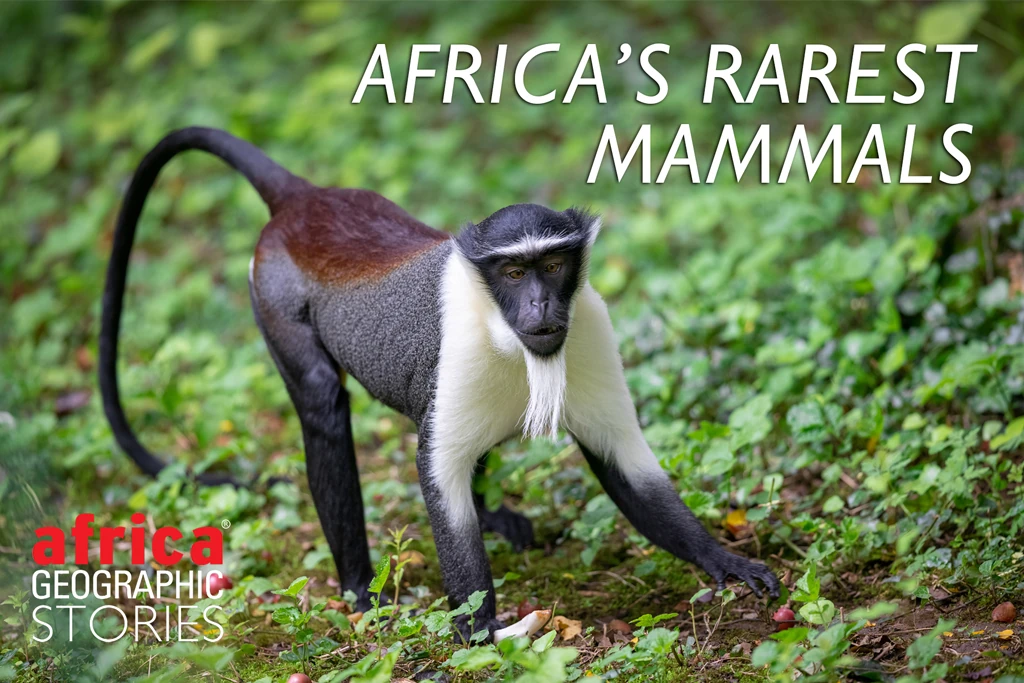
AFRICA’S RAREST MAMMALS
Discover Africa’s rarest mammals, from elusive lemurs to endangered antelopes. Explore where and how they survive, and the threats they face in the wild
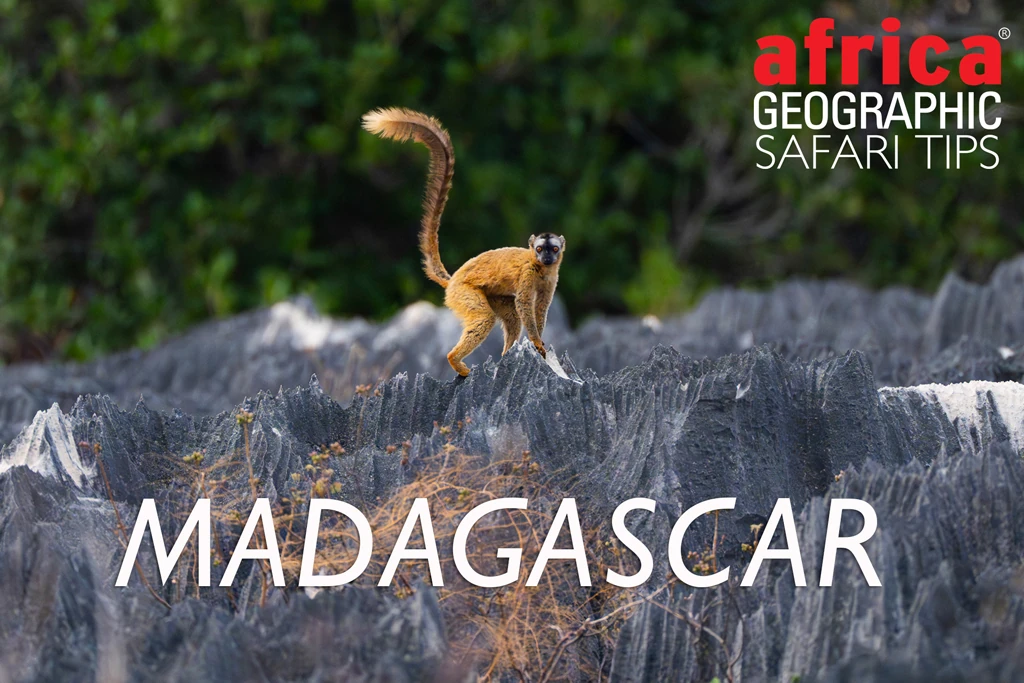
MAD MADAGASCAR
Madagascar is a biodiversity hotspot, ideal for a unique wildlife safari. Spot lemurs in lush rainforests, wander the Avenue of the Baobabs, and snorkel pristine reefs

A Hoedspruit leopard legacy
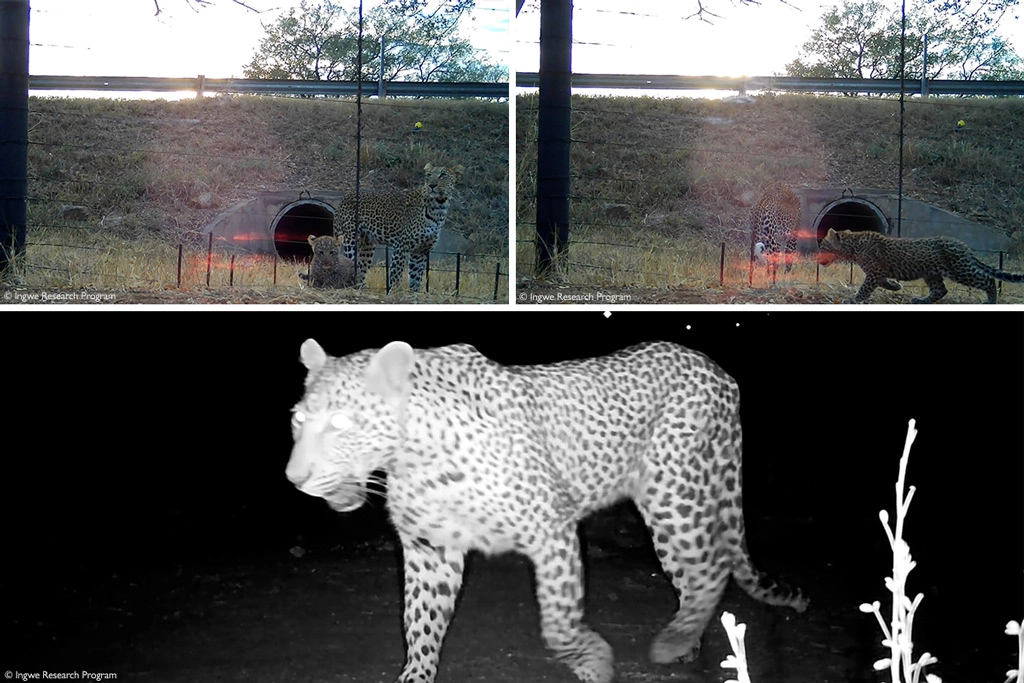
Remember the tiny leopard cub following its mother, Bokamoso, through a culvert in our Spots on the Line documentary? It’s all grown up and navigating the Greater Kruger landscape independently! In September, camera traps deployed by the Ingwe Research Program captured the young leopard using the very same underpass where it was first filmed following its mother in July 2025.
Bokamoso is an experienced culvert user, with 164 documented sightings across her 3,700-hectare home range. Her mother, the renowned Black Dot female, also uses these crossings. The latest footage suggests that safe crossing behaviour is being passed down through three generations of leopards, highlighting the importance of protecting these passages along the busy R40.
These culverts could be saving generations of leopards from deadly road crossings. You can help protect them by supporting Ingwe Research Program’s Spots on the Line campaign, which funds vital fieldwork, camera traps and research to keep Hoedspruit’s leopards safe.
Travel Desk – 2 African safari ideas
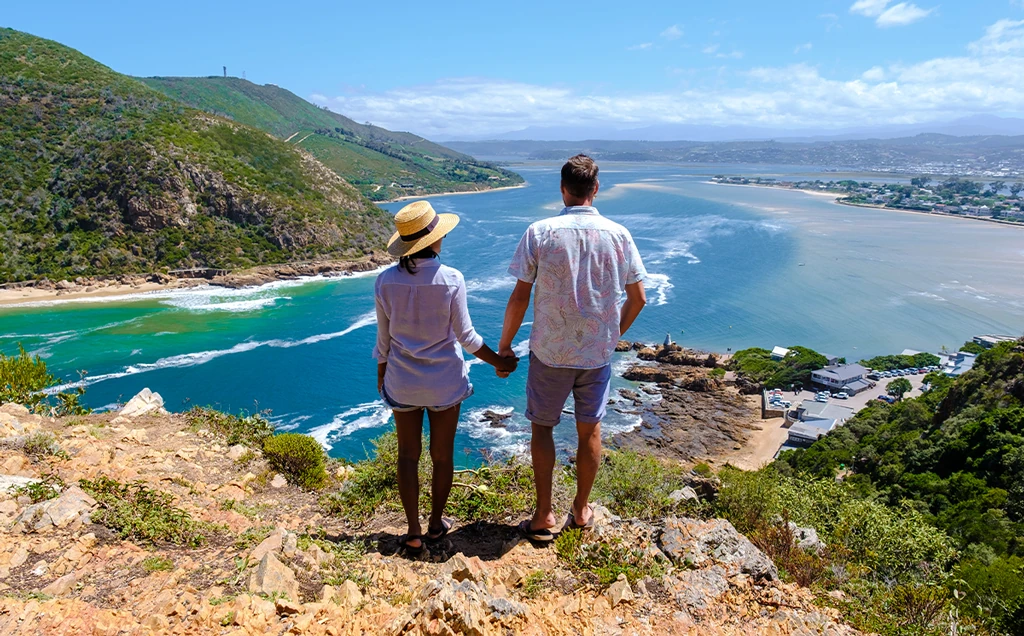
Garden Route self-drive – 13 days
Follow South Africa’s iconic self-drive route from Table Mountain to the Cape Winelands, through the wide-open Karoo to the forests, mountains and white-sand beaches of the Garden Route and Big Five safari country near Addo. Travel at your own pace with expert guidance, tailored experiences and 24/7 support throughout.
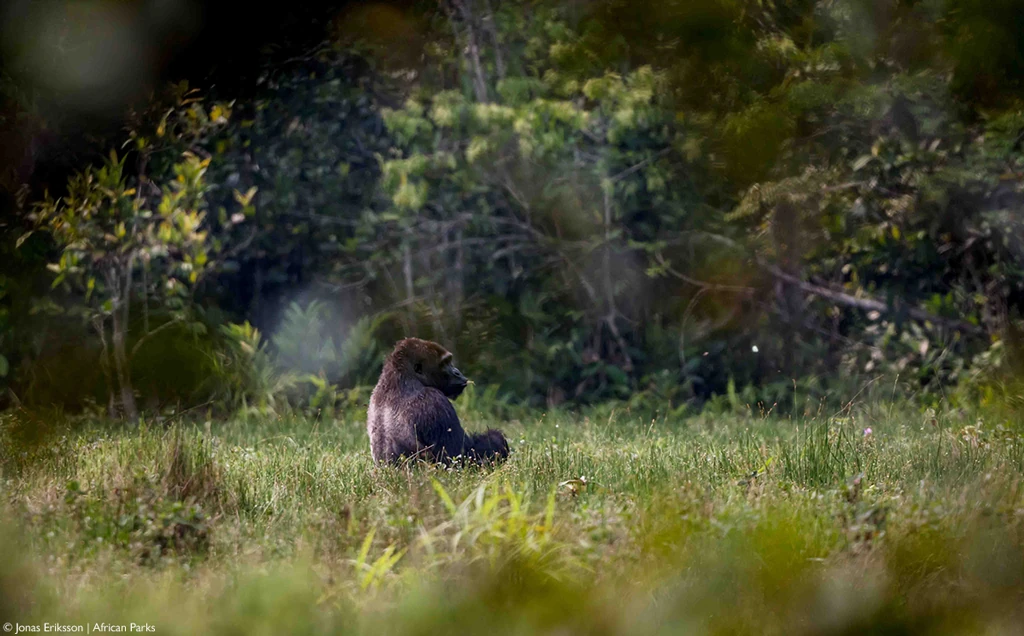
Lowland gorilla watching in Odzala-Kokoua – 8 days
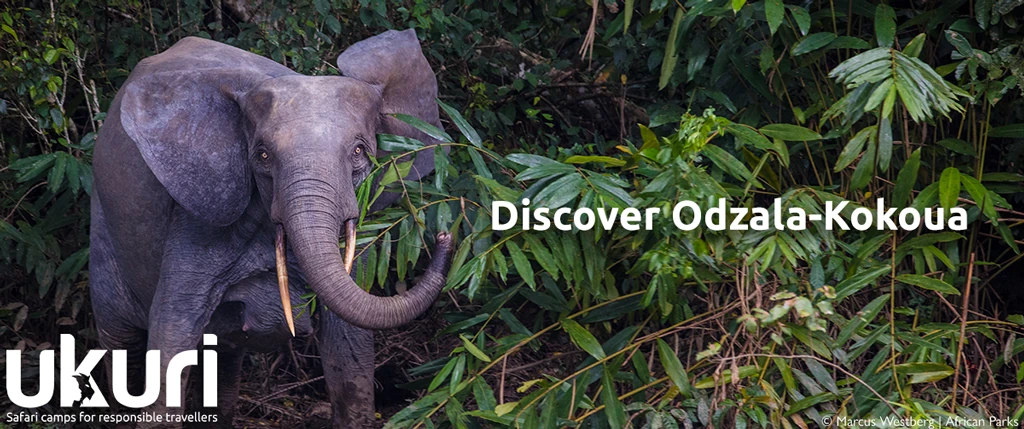
Western lowland gorillas, forest elephants and one of Africa’s most extraordinary rainforest safaris. Discover one of Africa’s last great wildernesses in Odzala-Kokoua National Park, where western lowland gorillas, forest elephants, bongos, forest buffaloes and other elusive rainforest species thrive. Watch wildlife from elevated treehouses overlooking lively forest baïs and experience an unforgettable safari in the heart of Congo-Brazzaville.
Still dreaming of the ultimate African safari escape? Browse our safari ideas here. Or click here to plan your safari.
WATCH
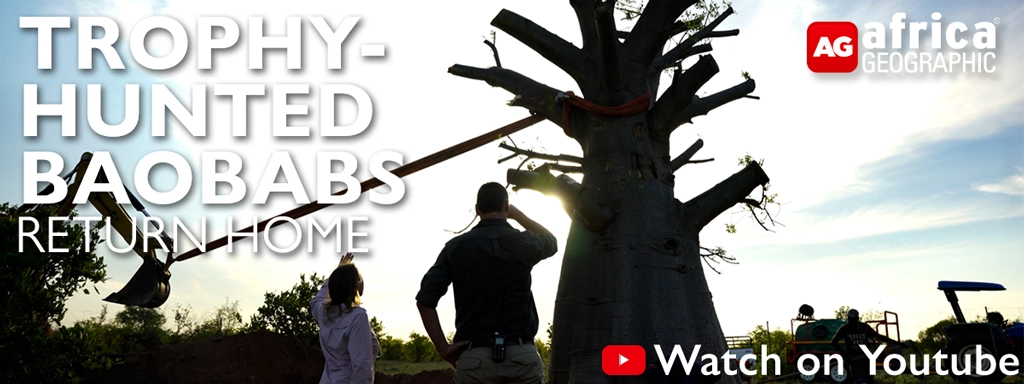
Five baobabs, each 200 to 300 years old, were dug out of Limpopo’s Waterberg and seized in Durban before they could be exported to Georgia. There they lay uprooted and exposed for more than three months before their 900km trip to Timbavati Nature Reserve. Our crew filmed Dr Sarah Venter of the Baobab Foundation, and her team, lowering trees of up to 30 tonnes back into African soil. (09:41) Click here to watch
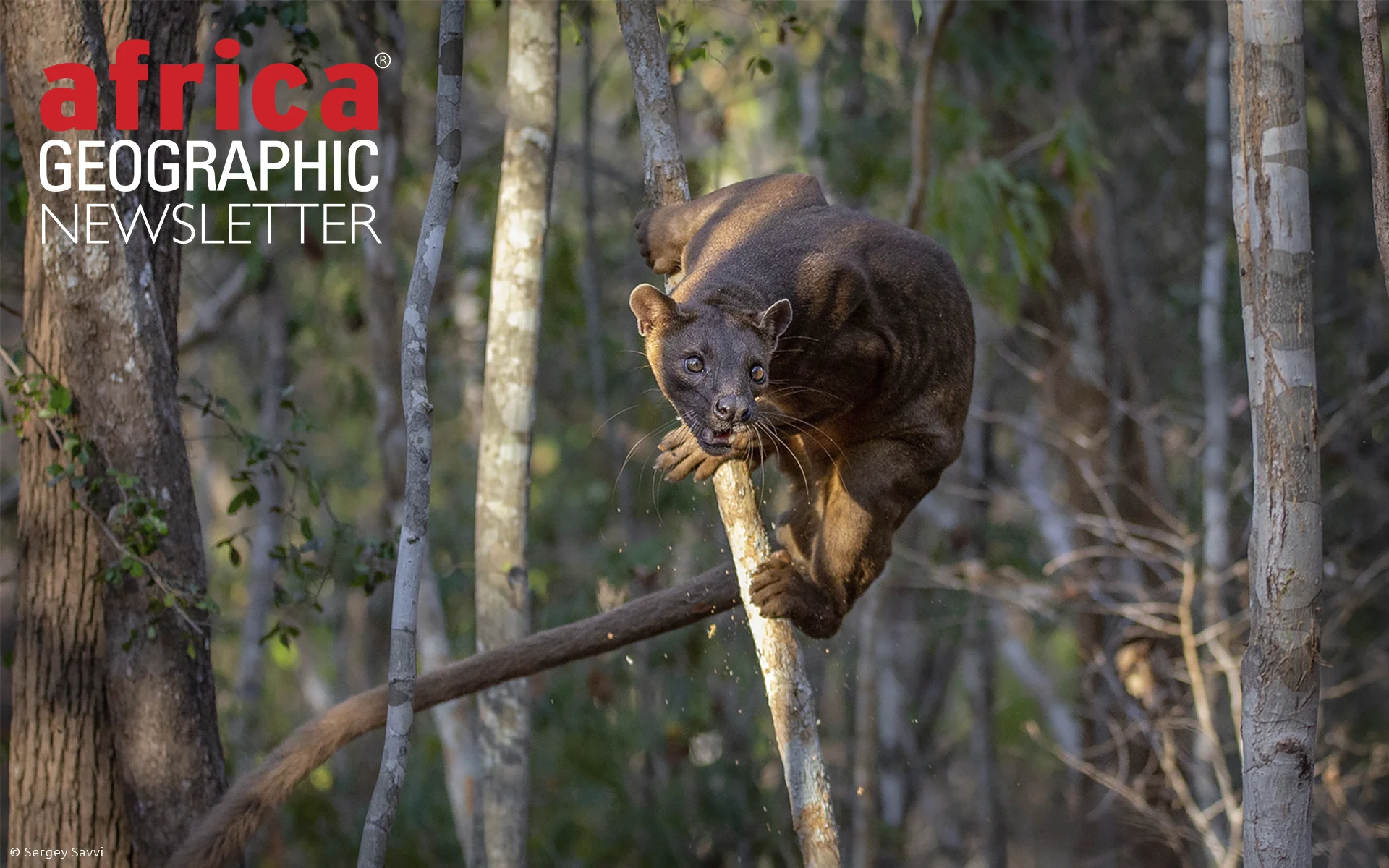
Cover image: The sinuous agility of Madagascar’s unique predator – the fossa. Kirindy Forest, Madagascar. © Sergey Savvi
Photographer of the Year 2023 highly commended image
To comment on this story: Login (or sign up) to our app here - it's a troll-free safe place 🙂.