
A legacy of elephant conservation

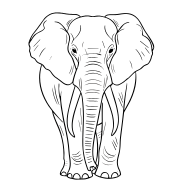
- Fred, an iconic Maasai Mara tusker, has died of natural causes in his mid-50s.
- Both of Fred’s tusks were previously confirmed to weigh more than 100 pounds each.
- Fred survived the ivory poaching crisis that claimed many elephants of his generation.
- Satellite tracking since 2013 helped inform conservation approaches benefiting other tuskers across Kenya.
- His long life reflects 15 years of elephant protection efforts by MEP and KWS.
Fred, an iconic tusker from Kenya’s Maasai Mara, has died of natural causes. Believed to be in his mid-50s, Fred was one of the region’s remarkable older bull elephants and a symbol of successful efforts to combat ivory poaching.
The Mara Elephant Project (MEP) announced Fred’s death on 26 October 2026, paying tribute to an elephant whose survival into old age reflected the conservation efforts of MEP and the Kenya Wildlife Service (KWS) over the past 15 years.
Fred was believed to be in his mid-50s, according to Claire Bolles, Executive Director of Mara Elephant Project USA.
“Many of his counterparts didn’t make it through the poaching crisis in order to live as long as he did,” Bolles told Africa Geographic.
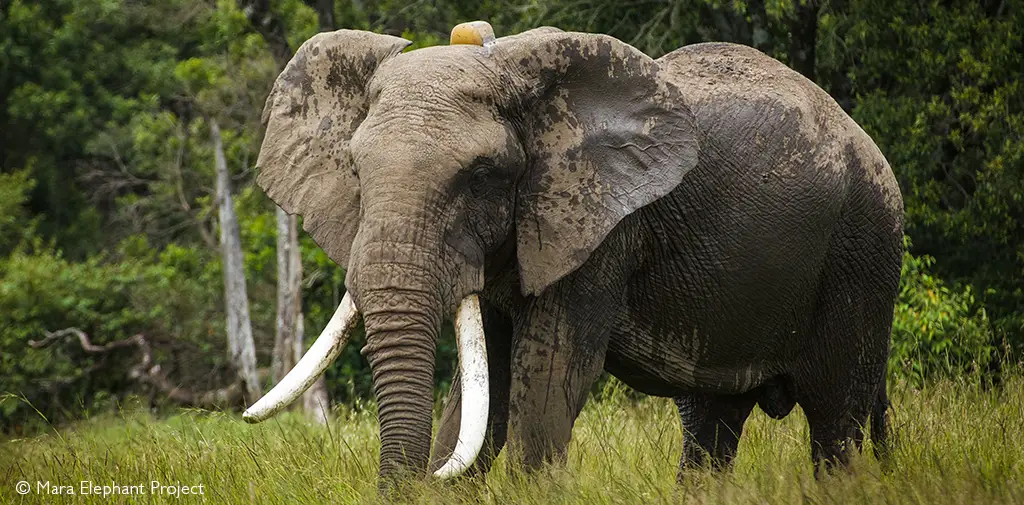
An exceptional Mara tusker
Previous monitoring and measurements of his tusks’ length and width suggest that each weighed more than 100 pounds (45kg), although his tusks have not yet been officially weighed. Confirmation of their weight is expected following a post-mortem examination by KWS.
The loss of Fred comes at a time when Africa’s remaining large-tusked elephants are few in number. According to Africa Geographic’s investigation into the number of tuskers remaining in Africa, the published estimate stands at just over 85 super tuskers across the continent, including at least 26 in East Africa. The investigation draws on information from wildlife authorities, conservation organisations and elephant experts, although significant gaps in the data remain.

MEP confirmed that it does not have data on the number of tuskers or super tuskers in the Maasai Mara. Many of the bulls currently tracked or identified by the organisation are still too young to qualify for these classifications.
Tracking a tusker for conservation
Fred had been monitored using a satellite collar since 2013, through a partnership between MEP, KWS and the Wildlife Research and Training Institute.
Information collected through his tracking helped inform an approach to elephant protection that has benefited other tuskers across Kenya.
In announcing his death, MEP described Fred as a symbol of the success achieved in combating ivory poaching over the past 15 years.
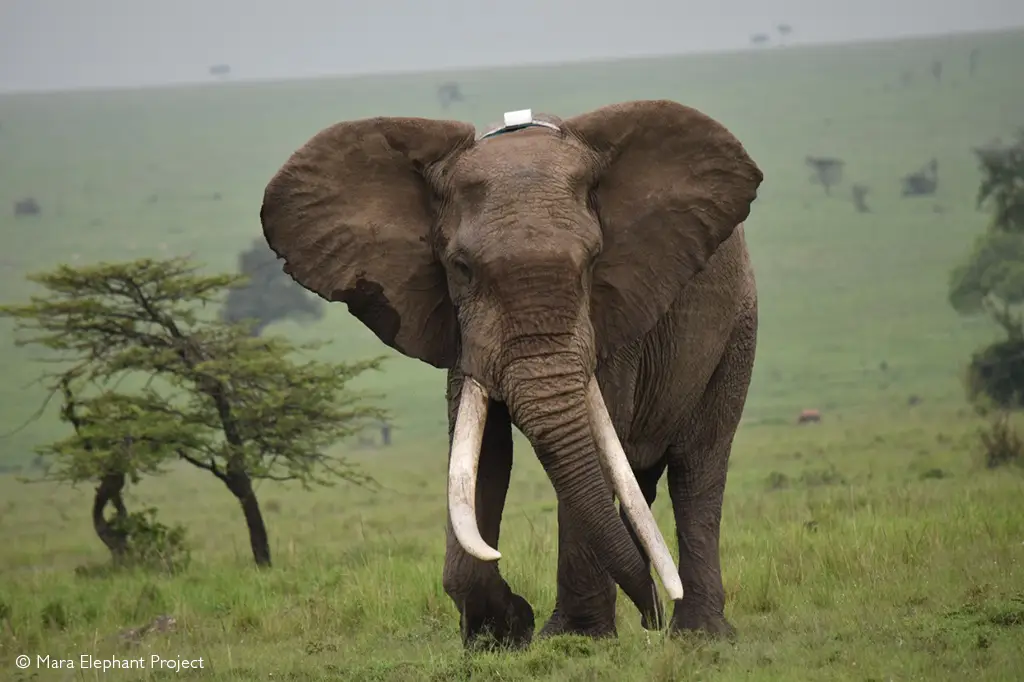

“Many of Fred’s counterparts didn’t live to see old age. How lucky we are that he did,” the organisation said.
MEP also described the tusker as an emblem of the Maasai Mara, having survived the challenges faced by elephants in the region and contributed to a brighter future.
The organisation plans to commemorate Fred’s life in the coming days, inviting people to join in celebrating the elephant and his legacy.
“He will be missed, but what a life well lived,” MEP said.
 The Maasai Mara is home to remarkable elephants, including some of Africa’s impressive tuskers. Explore our Maasai Mara safaris for the opportunity to encounter these giants in the wild.
Further reading
- How many tuskers are left in Africa? We embark on an extended investigation to estimate the number of tuskers remaining on the continent
- Research has uncovered population density declines of 90% for forest elephants and 70% for savannah elephants across Africa in 53 years. Read more here.
- AG has partnered with Tsavo Trust – an organisation that monitors the elephant populations of the Tsavo Conservation Area, specifically focusing on tuskers. It does so in close cooperation with the Kenya Wildlife Service (KWS) and research and conservation partners. Read more about how you can help us save Tsavo’s tuskers here.
- The need to protect large-tusked and potentially large-tusked elephants from poaching and excessive selective hunting pressure is more apparent than ever as the progressive decrease in average tusk size over the past three decades is potentially leading to over-exploitation of older bulls. Read more here.
To comment on this story: Login (or sign up) to our app here - it's a troll-free safe place 🙂.