


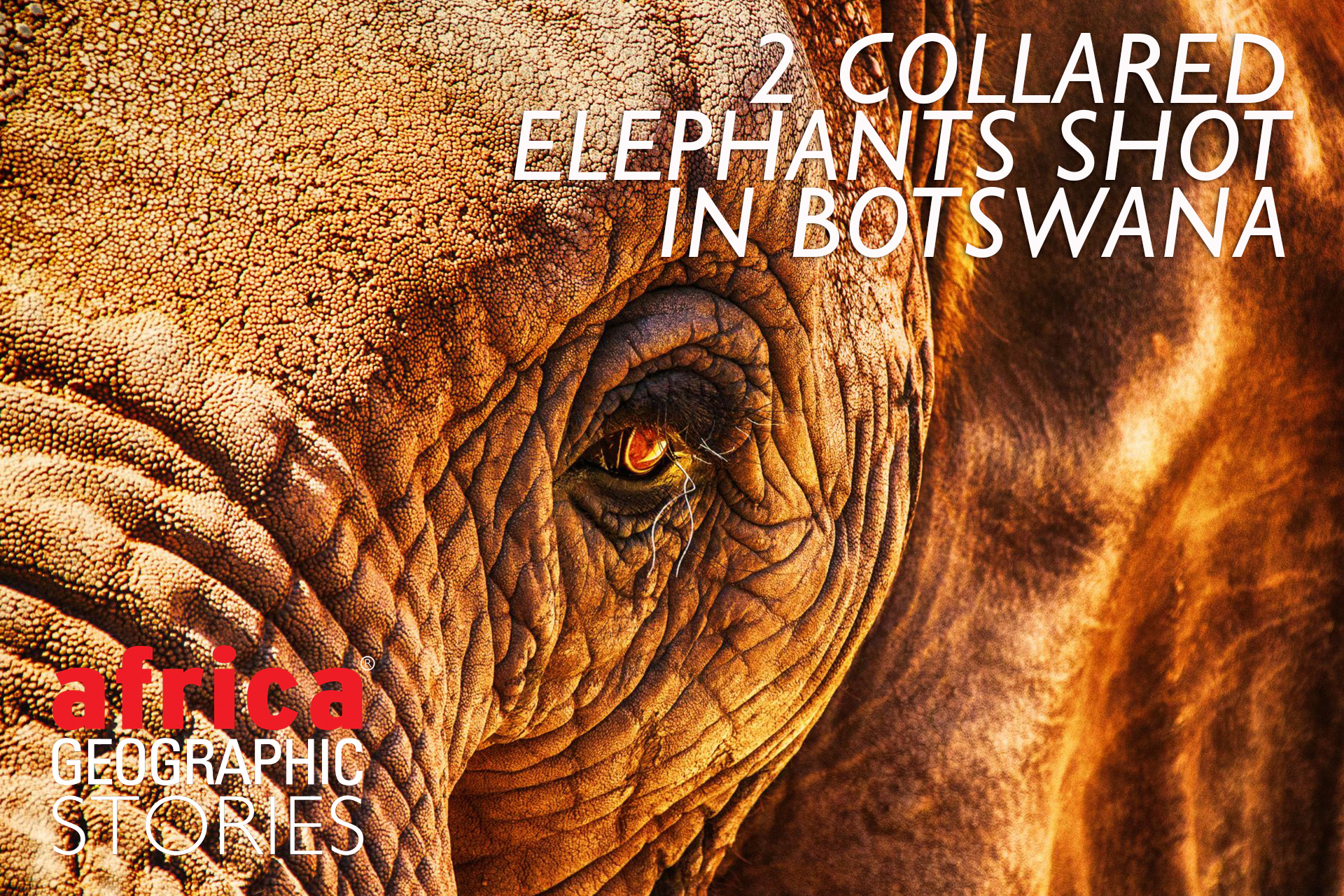

Two collared research elephants hunted in Botswana on consecutive days

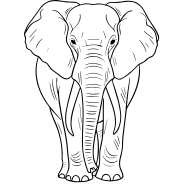
- Two satellite-collared elephant bulls were trophy hunted in Botswana on consecutive days in September 2026.
- The elephants were killed in hunting areas CT2 and NG41 on 3–4 September.
- Both hunting parties claimed they did not notice the collars while selecting the elephants as trophies.
- The Botswana government previously stated that killing collared animals is not permitted under any circumstances.
- The incidents raise questions about hunting safeguards protecting scientifically monitored elephants in Botswana.
According to our sources within government circles, two satellite-collared elephant bulls were killed by trophy-hunting parties in Botswana on 3 and 4 September 2026. The incidents raise serious questions about Botswana’s hunting rules, professional conduct and the protection of animals carrying scientific equipment. We know of at least two other incidents in Botswana since 2019 where collared elephants were shot by trophy hunters.
The first elephant was shot in Controlled Hunting Area CT2 on 3 September and the second in NG41 on 4 September.
In both cases, the hunting parties approached within 40 meters of the elephants and observed them from several angles for up to half an hour to confirm age, tusk size and shot placement before selecting them as trophies. Both parties claim they did not notice the large collars until after the elephants were killed.
Both parties reportedly included highly experienced trackers, professional hunters, and relevant officials, and had considerable time to look for a research collar, which is now standard practice because ongoing research on elephant movements helps inform human-elephant conflict avoidance, among other benefits.
The legal question
Botswana’s Wildlife Conservation and National Parks Act regulates hunting through quotas, hunting licences, professional-hunter licences, permits and conditions imposed by DWNP. Section 44 empowers the Director of Wildlife and National Parks to revoke a professional hunter’s licence for failure to comply with its conditions or for offences under the Act or its regulations. It also requires professional hunters to take reasonable steps to ensure that their clients comply with applicable licence and permit conditions.
The Act does not appear, in its general provisions, to create a standalone offence expressed simply as ‘shooting a collared elephant’. The precise legal status of these two killings will therefore depend on the applicable hunting guidelines, quota notices, concession agreements, licence and permit conditions, and any instructions governing the hunts.
That distinction does not mean that killing collared animals is permitted.
Following the killing of another collared elephant in 2019, the Botswana Government publicly stated that killing collared animals was ‘not permitted under any circumstances’ and warned that action against offenders could include revocation of their licences. The Government described the underlying elephant hunt as licensed while treating the killing of the collared animal as a separate and serious transgression.
The Botswana Wildlife Producers Association likewise condemned the killing of collared animals as a breach of its ethical code. The professional hunters involved in the 2019 incident surrendered their licences and accepted responsibility for replacing the destroyed research equipment.
It is therefore reasonable to describe the latest killings as prima facie breaches of Botswana’s declared hunting rules and standards. Whether criminal offences were committed is a determination for DWNP, prosecutors and, if necessary, the courts. That determination should not be pre-empted – but neither should the incidents be dismissed merely because valid elephant quotas or hunting licences existed.
A licence to hunt an elephant is not necessarily permission to kill any elephant, regardless of its research status or the conditions governing the hunt. A valid elephant quota or hunting licence does not, by itself, establish that every condition governing the selection and killing of an individual elephant was met.
An unmistakable ethical failure
The ethical issue is less ambiguous.
Trophy hunting depends on deliberate selection. Professional hunters assess sex, age, tusk size, trophy quality, shooting angle and the animal’s surroundings before authorising a client to fire. That scrutiny creates a corresponding duty to identify protected, prohibited or scientifically marked animals.
If vegetation, mud or the elephant’s position prevents the hunting party from seeing the entire neck and transmitter area, the ethical response is straightforward: do not shoot.
A satellite collar represents far more than the cost of equipment. A collared elephant may provide years of data on migration corridors, seasonal movements, human-elephant conflict, cross-border connectivity and mortality risks. Killing the animal terminates that continuous dataset and can undermine research intended to improve the management of Botswana’s elephants and the safety of communities living alongside them.
The occurrence of two such killings on consecutive days and at least four in the last few years makes it difficult to portray the problem as an isolated lapse. Instead, it points to a procedural failure.
These incidents now require clear answers from Botswana’s wildlife authorities and the hunting operators involved. If collared elephants can be observed at close range for extended periods and still be selected as trophies, existing safeguards are not working as intended. Establishing exactly what happened on 3 and 4 September – and what consequences follow – will be important not only for the research programmes affected, but for ensuring that scientifically marked animals are adequately protected during future hunts.
Further reading
- A new report reviews Botswana’s elephant hunting system, scrutinising quotas, transparency & risks to mature bulls. Read this scientific review of Botswana’s elephant hunting policies
- AG follows the money to reveal how this trophy hunter makes huge profits by not adequately compensating the NG13 communities in Botswana. Read more here
- Hunting in Botswana: Human-wildlife conflict scientist takes a deeper look at whether the historic hunting ban was good or bad for elephants and people
- Does the hunting of elephant bulls with large tusks lead to the decline of Africa’s tuskers? We examine the science
To comment on this story: Login (or sign up) to our app here - it's a troll-free safe place 🙂.