



Recovery amongst the Great Lakes

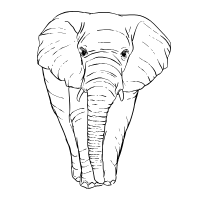
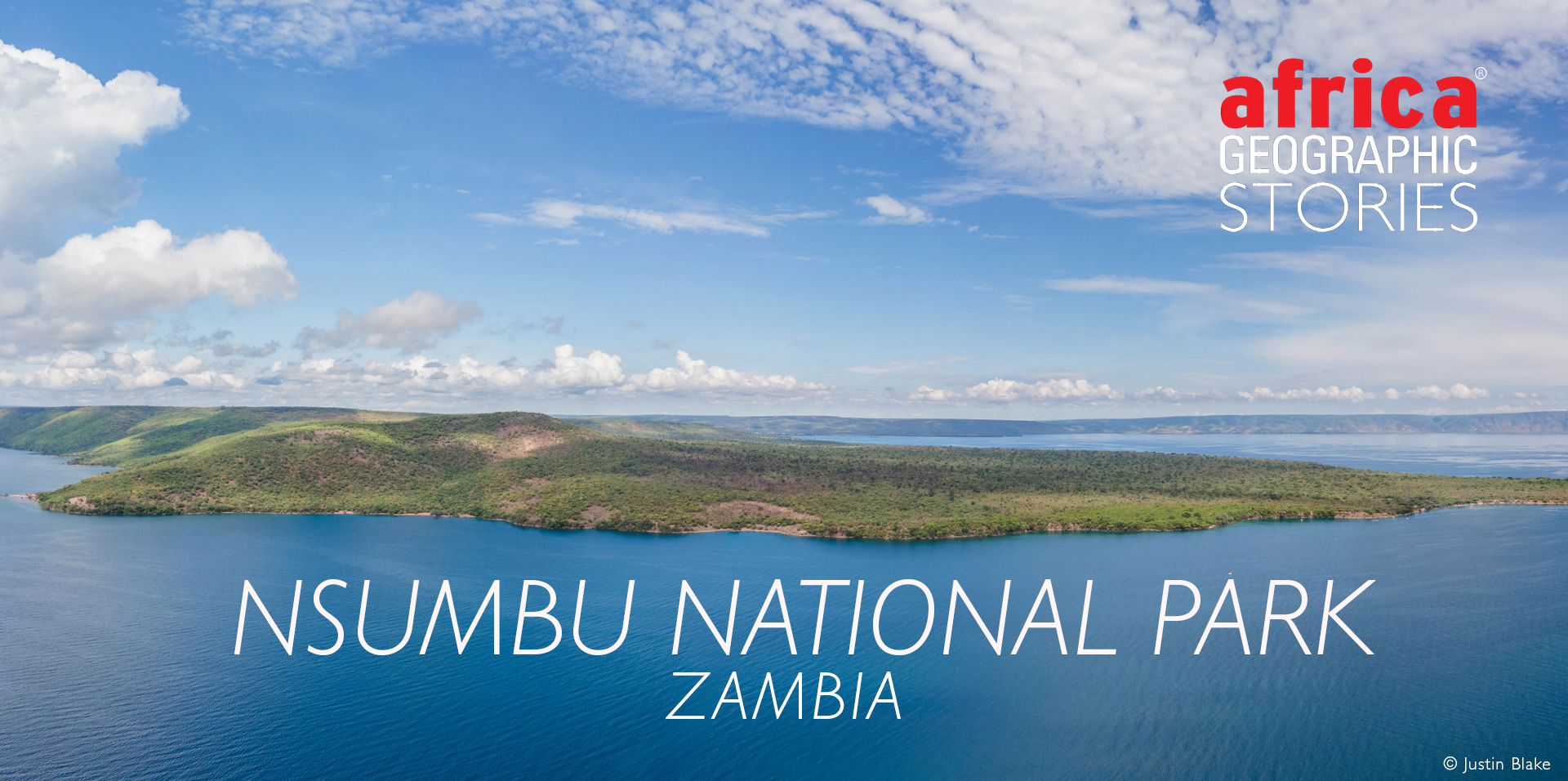
On the remote shores of Lake Tanganyika, where Zambia meets the vastness of Africa’s Great Lakes, lies Nsumbu National Park, a place where wilderness whispers of revival and resilience. Once scarred by decades of poaching and neglect, Nsumbu is now a conservation success story, where elephants roam freely, lions return to ancestral grounds, and rare thickets flourish once more. Here, the rhythm of nature is uninterrupted, the landscapes are untouched, and the spirit of Africa is alive and thriving.
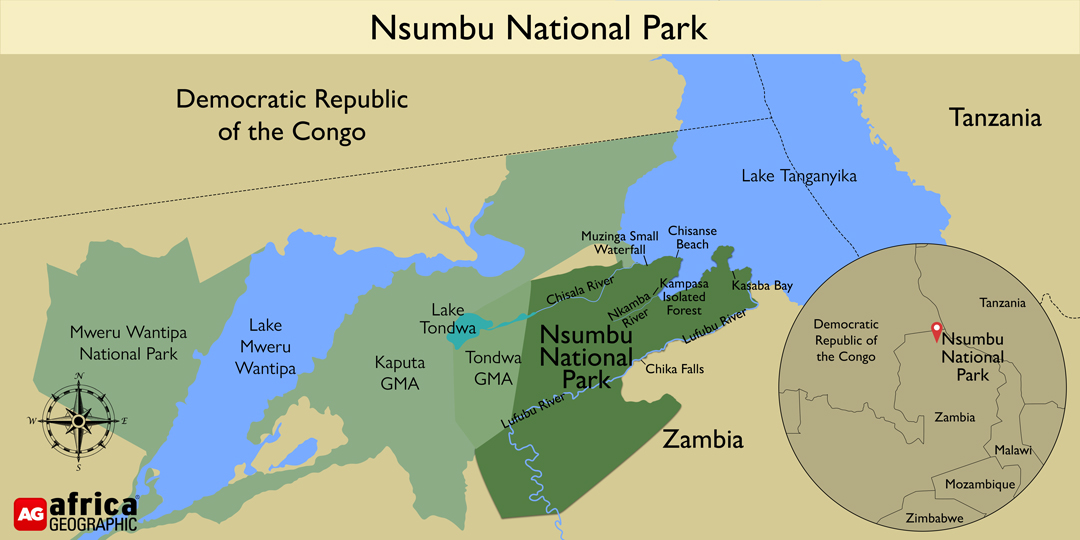
Nsumbu is based at the northernmost tip of Zambia and the southern shores of Lake Tanganyika, close to Lake Mweru. The Nsumbu Mweru Landscape comprises three national parks, three Game Management Areas, a community conservancy, and substantial tracts of intact habitat that link these protected areas. Wildlife once ranged across the entire ecosystem in significant numbers, but then years of illegal hunting took their toll, depleting the park’s wildlife. Extensive conservation efforts over the past decade have, fortunately, led to a turnaround, with monitoring showing a growth in wildlife numbers, particularly in the heart of the park, where animal populations are now spreading across larger areas.
A rocky start and a brighter future
Nsumbu National Park covers 2,026km², including over 100km² of protected lake waters and approximately 100km of lake shore. Natural bays, rocky coves, vertical cliffs, and sandy beaches line the park’s long shoreline, while inland, rugged hills, deep valleys, and grasslands are cut through by the Lufubu River, which, flanked by escarpments on either side, marks Nsumbu’s eastern boundary and feeds a variety of streams and wetlands.
Like other remote parks in Zambia, Nsumbu was virtually abandoned in the 1980s and 1990s. What followed was several decades of decline. A historical trade route, demand for ivory, political instability in neighbouring DRC and decades of rampant poaching for game meat, predominantly with wire snares, depleted the area’s wildlife, and led to the total loss of lion, leopard and black rhino.
Poaching has now been brought under control, and animal numbers are increasing, in part thanks to a buffer zone created by the two Game Management Areas that adjoin the park. In 2017, Frankfurt Zoological Society (FZS) formed the Nsumbu Tanganyika Conservation Programme (NTCP) in partnership with the Zambian Department of National Parks and Wildlife (DNPW), resulting in a significant and positive impact on the park. Recovery of the Nsumbu Tanganyika Ecosystem is underway. Today, herds of elephant and buffalo are seen once again, and healthy populations of antelopes in turn attract predators. There is also good birdwatching here, with over 300 species recorded. Nsumbu also holds the most extensive remaining tracts of Itigi-Sumbu thickets – a fragile ecosystem of which over 60% has been lost in the last 50 years.
In 2024, Nsumbu National Park achieved the International Union for Conservation of Nature’s (IUCN) Green List Status, awarded only to the most sustainable and efficient global conservation efforts. Nsumbu is only Zambia’s second park on the list, the other being North Luangwa National Park, whose management is also a partnership between FZS and DNPW.

Wildlife of Nsumbu
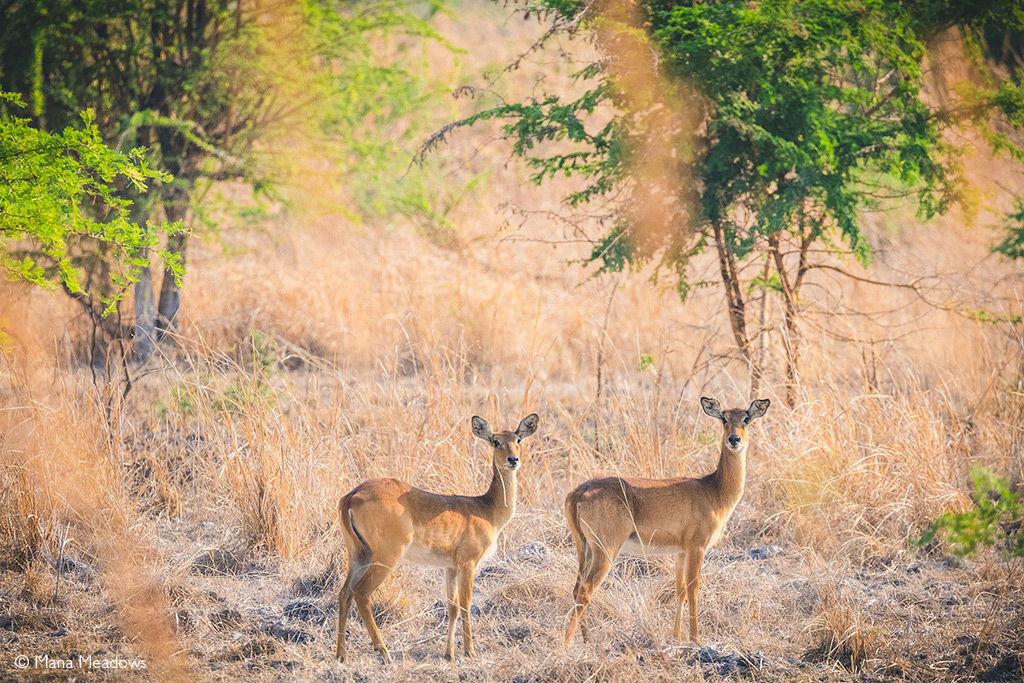
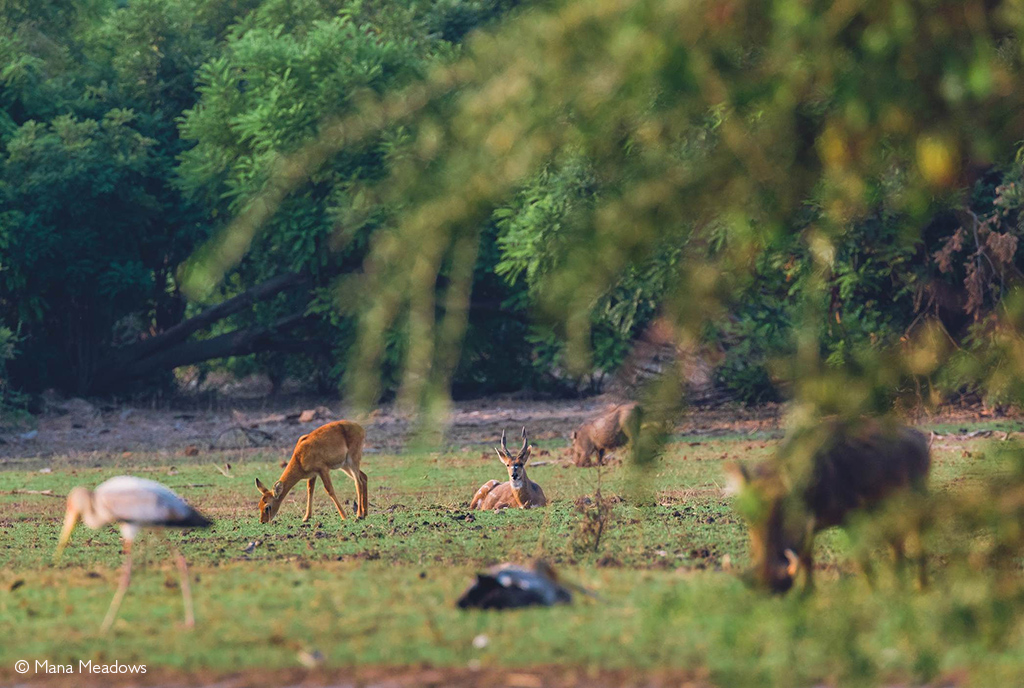
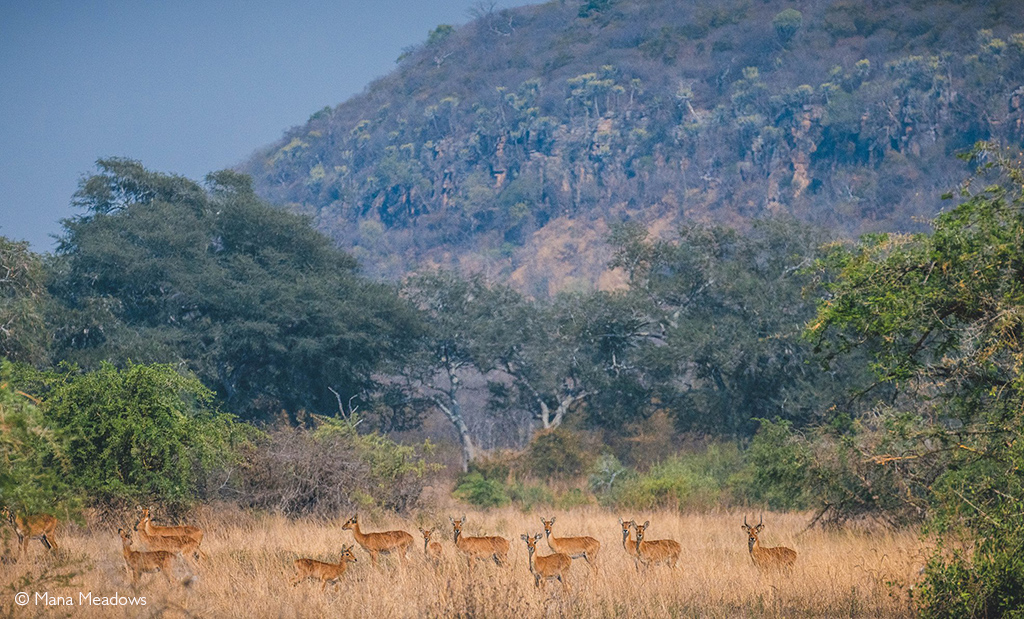
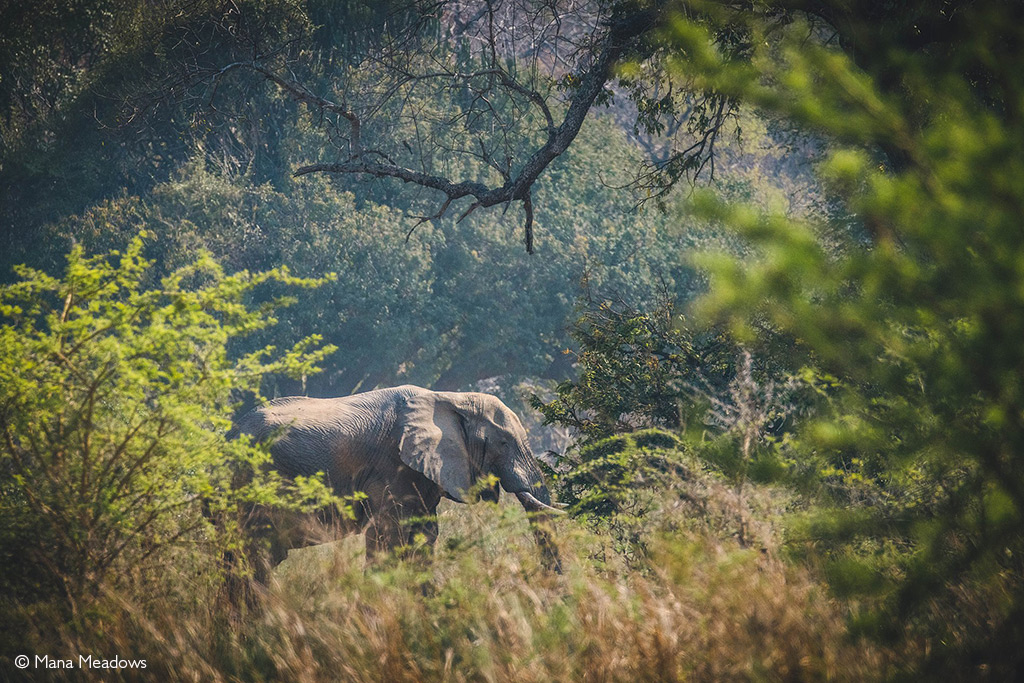
Nsumbu is not a prime wildlife-viewing destination, but animal populations are definitely on the increase. Elephants and buffaloes often come to the lakeshore to drink, and a variety of antelope species, including roan, sable, eland and hartebeest, can be seen on game drives. Bushbucks, warthogs and pukus regularly frequent the beaches. The rare blue duiker is one of the park’s specialities, along with the shy, swamp-dwelling sitatungas. Other species found here are spotted hyena, side-striped jackal, serval, zebra, impala, waterbuck and reedbuck. Lions were reintroduced to Nsumbu in 2024, with further reintroductions planned for the future. Leopards are rare, and the spotted hyenas are shy, but can be heard and sometimes even seen at night.
Flora of Nsumbu
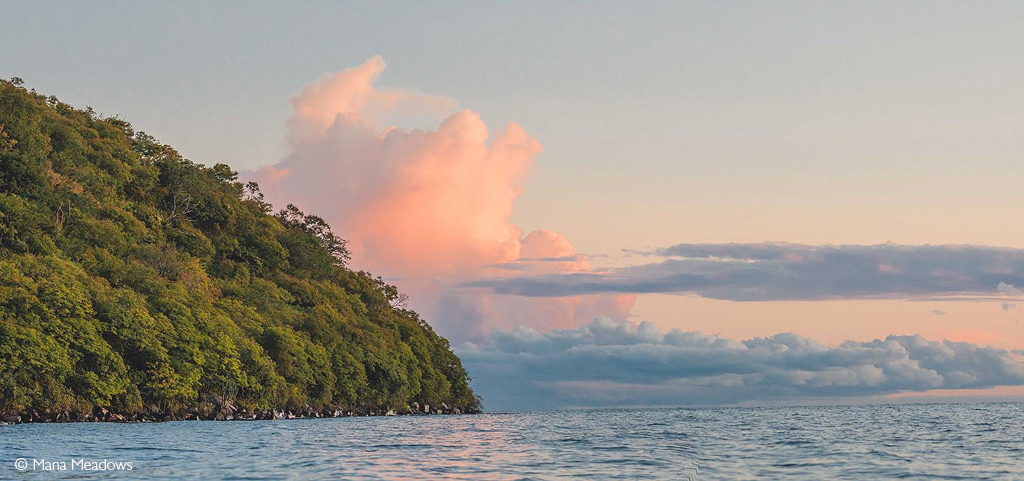
Lake Tanganyika is a typical Rift Valley lake, characterised by dramatic, steep sides for much of its length. In most places, the shore is rocky, but there are also sandy stretches. The Lufubu River dissects the park, which runs through the Yendwe Valley. In this and other valleys in the park, there are groves of riparian trees, including the apple-ring acacia (Acacia albida) and Natal mahogany (Trichilia emetic), along with dense, shrubby woodland (Pteleopsis anisoptera). Along the lakeshore, strangler figs and candelabra trees are found, while the remainder of the park is primarily comprised of miombo woodland and combretum thicket, with patches of Itigi-Sumbu thicket.
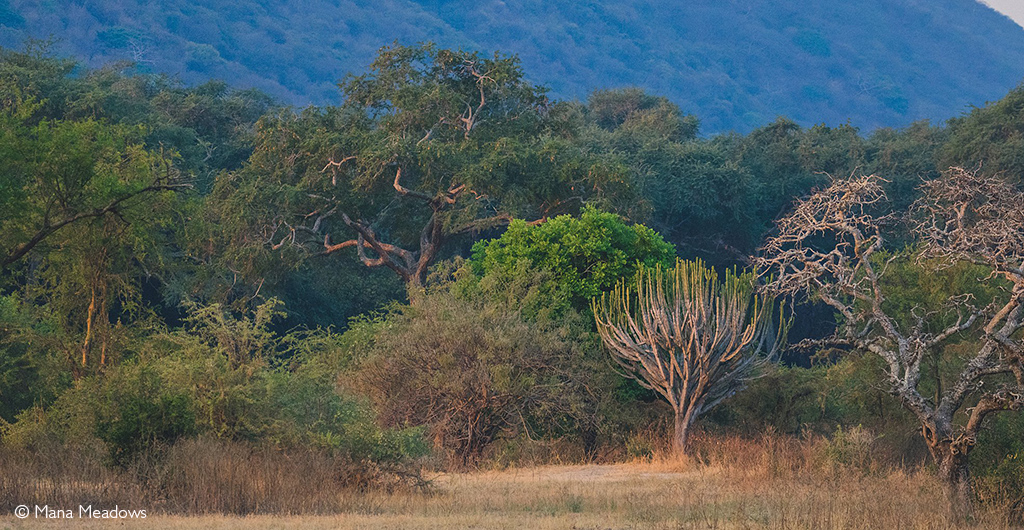
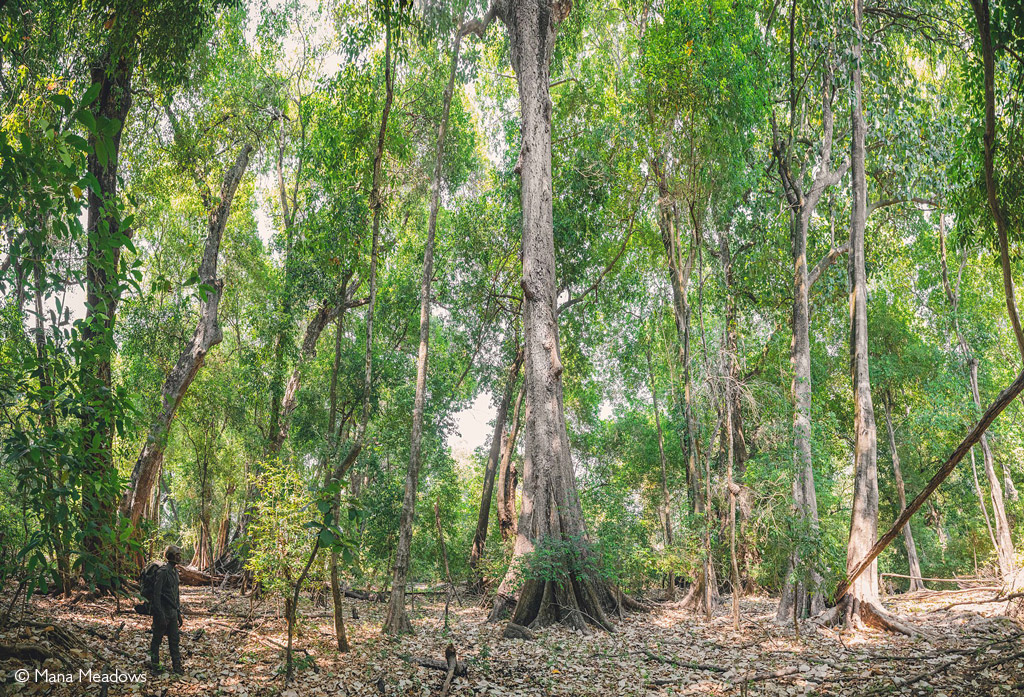
Itigi-Sumbu thicket is a rare ecosystem, composed of up to 100 species, many of which are endemic. The most extensive remaining tracts of the Itigi-Sumbu forest are found only here in Nsumbu, as well as in parts of Tanzania and small pockets of the Democratic Republic of the Congo. Characterised by thick, primarily deciduous, woody vegetation, and traditionally the habitat of elephants and black rhinos, this is a unique and endangered vegetation type, crucial yet fragile. With their restricted distribution, sensitivity to fire and vulnerability to deforestation, studies indicate that roughly 50% of the Itigi-Sumbu thickets in Tanzania and up to 70% in Zambia have already disappeared.
Birdlife of Nsumbu
Birdlife in the Nsumbu National Park is prolific, with a total of 329 species recorded within the park, including many summer migrants. Commonly encountered species around the lake include the grey-headed gull, lesser black-backed gull, white-winged black tern, whiskered tern and, of course, the ubiquitous African fish eagle. Flamingos are one of the more spectacular migrants, while lakeshore inhabitants include African skimmers and spoonbills, along with a variety of storks, ducks and herons. Palm-nut vulture and Pel’s fishing owl are also occasionally seen.
The lake and its fish
Lake Tanganyika is Africa’s deepest and longest lake, spanning over 600km and containing 15% of the Earth’s available freshwater. Teeming with hippos and some of the largest crocodiles in Africa, swimming is not advisable. Nile crocodiles here can reach up to six metres in length, and hippos regularly emerge at night to ‘mow’ the grass. Also found in the lake are endemic reptiles like the Lake Tanganyika water snake (Lycodonomorphus bicolour) and water cobra (Boulengerina annulata). However, it is the life that has evolved here over the last 10 million or so years that makes Tanganyika special.
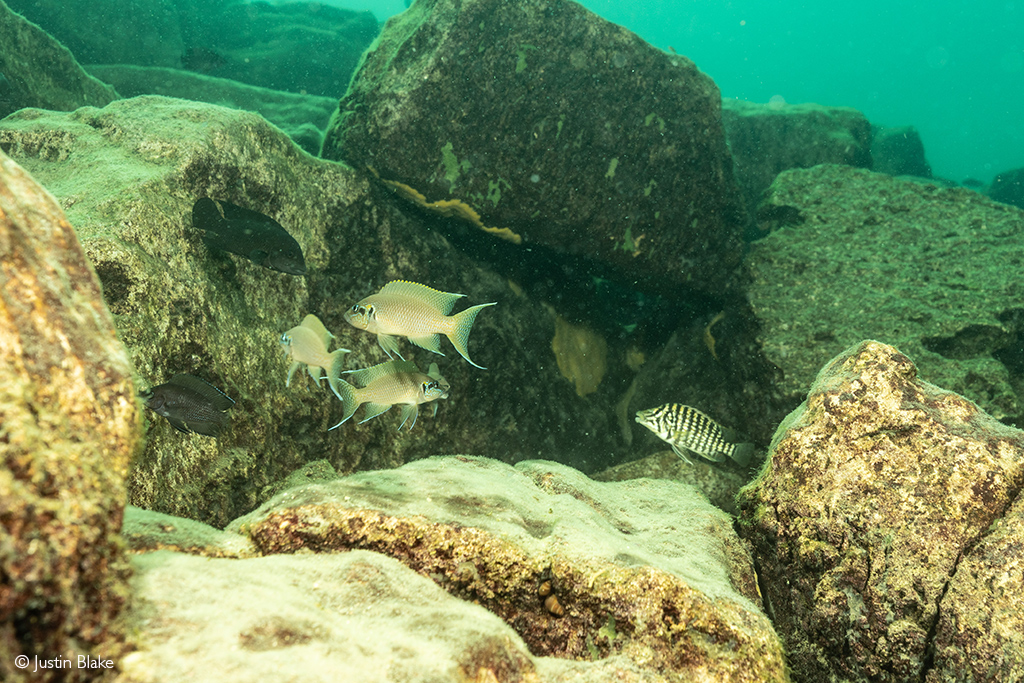
Changing water levels over the millennia and a patchwork of habitats have led to an explosion of evolution among the lake’s cichlids, with around 250 unique and individual species. The cichlids of Tanganyika are remarkable in their diversity, complexity of behaviour, colour and breeding habits, and all but two species in the lake are endemic.
The Lufubu River
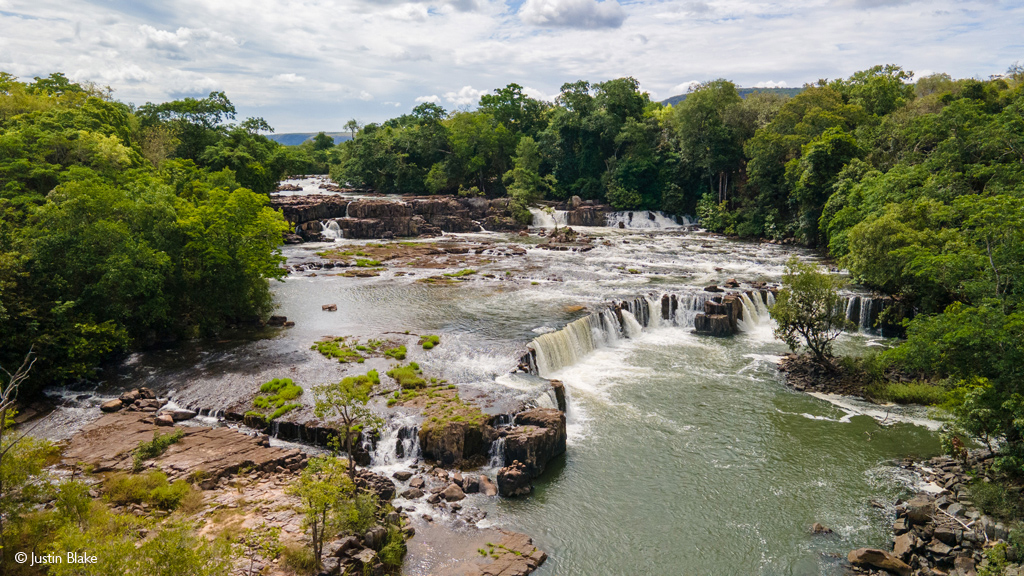
Beyond the lake, the free-flowing Lufubu River is the largest tributary of southern Lake Tanganyika. The sizable and perennial Lufubu River winds its way through the park, dissecting it from west to east, before pouring itself into the lake. Along its 250km journey, from the highlands to the lakeshore, the catchment encompasses diverse streams, beautiful oxbow lakes, and wetlands. The magnificent Chika Falls and the smaller Mwepwe Falls are Zambian heritage sites. At the same time, the extensive wetlands where the Lufubu meets the lake are part of the Ramsar Wetland of International Importance site that covers the length of Tanganyika’s shoreline within Zambia. The Lufubu is poorly documented and understudied, with great potential for species discovery. A 2023 study found that 25 of the 37 species sampled in the Lufubu are undescribed and endemic to the system.
Nsumbu Tanganyika Conservation Project
The Nsumbu Tanganyika Conservation Programme (NTCP) is a long-term conservation partnership between the Zambia Department of National Parks & Wildlife and the Frankfurt Zoological Society, aiming to restore and protect the wider Nsumbu ecosystem. Since the start of the NTCP in 2017, a comprehensive conservation and protection strategy has been implemented, including investments in professional law enforcement, a canine unit, and rigorous snare removal. These efforts have seen a turnaround in this once heavily poached and depleted ecosystem. NTCP is also actively working to improve fisheries management and promote sustainable fishing practices in and around Nsumbu.
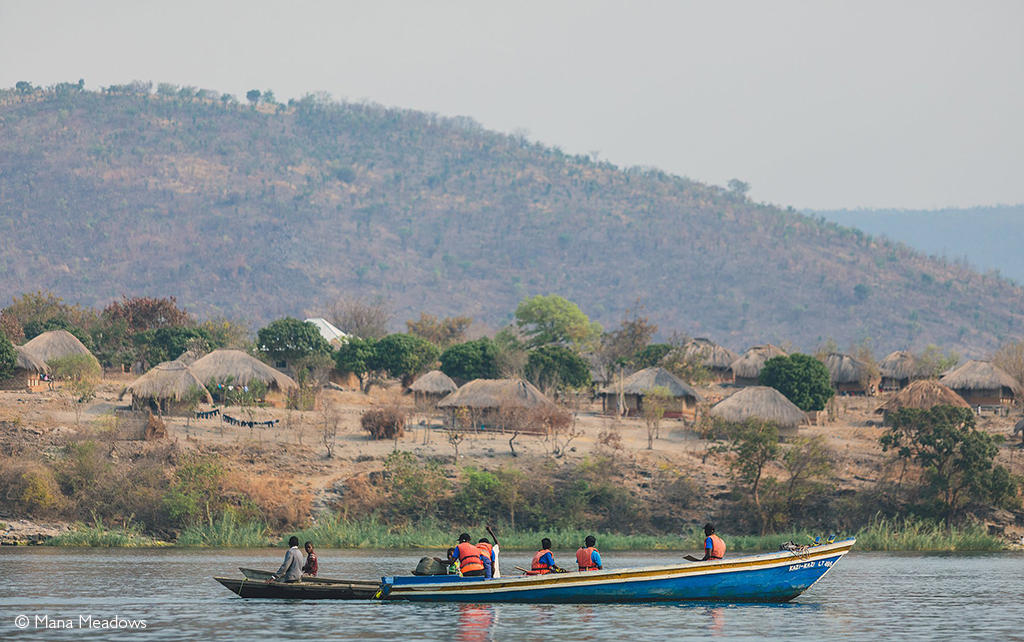
Local and indigenous communities play a vital role in the ongoing recovery and protection of Nsumbu. In surrounding community lands, conservation and livelihoods are deeply intertwined. Through collaborative initiatives such as the NTCP, local residents are engaged in anti-poaching patrols and sustainable natural resource management. Employment opportunities in park operations, tourism, and infrastructure development have provided alternative incomes and strengthened community buy-in. Traditional knowledge and cultural heritage also inform conservation strategies, fostering a sense of custodianship over the landscape. As wildlife returns and tourism slowly grows, these communities are increasingly positioned as stewards and beneficiaries of Nsumbu’s revitalisation, ensuring the park’s future is not only wild but also inclusive.

Ecological monitoring, including camera traps and line transects, has been initiated, with analysis showing an increase in animal numbers, indicating recovery rooted in the well-protected heart of the park. In the early years of NTCP, elephants sought refuge in the more protected northern sector of the park. Today’s collar data show that, with improved protection, elephants are spreading across wider areas of the park for the first time in decades. No elephants have been recorded as poached since 2018, and despite increased patrols, fewer and fewer snares are being recovered.
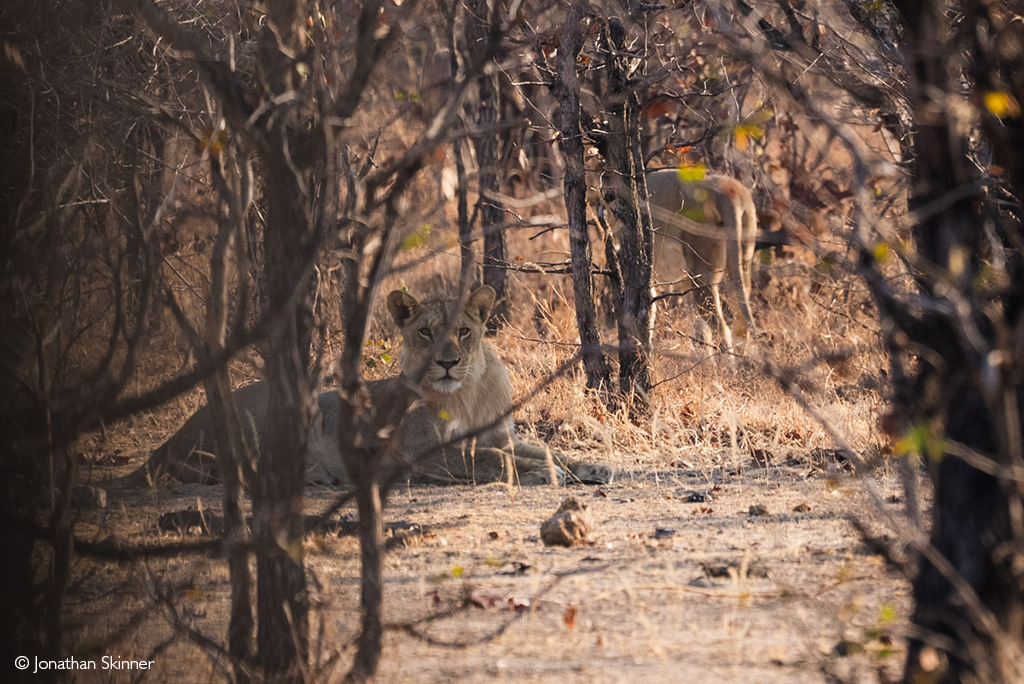
In 2021, 200 buffaloes and 48 zebras were successfully translocated to Nsumbu National Park from North Luangwa to boost the remnant populations in the area. Buffalo and zebra, along with puku and warthog, are key prey species for lions, and their reintroduction was also part of a long-term plan to reintroduce lions, the apex predator, to Nsumbu. As a part of rewilding initiatives, in September 2024, three lions (two females from the same pride and a male from a different pride) were successfully translocated from North Luangwa National Park to Nsumbu.
When to visit
Nsumbu receives few visitors, so it never feels crowded. From July to October, at the middle to end of the dry season, the water in the bush dries up, and the animals tend to stick closer to the lake. This is the best time for wildlife viewing. The thinner vegetation also means easier game viewing.
During the rainy season, from November to April, the lake is at its most beautiful, and this is a popular time to visit for angling. Most of the rain falls in thunderstorms, in the late afternoon or early morning, with lots of sunshine in between. Large numbers of migrant birds visit during the wet season, and the landscapes are stunning, with many perennial waterfalls visible from the lake. The terrestrial part of the park is inaccessible during this time.
Getting there
For intrepid self-drivers, the journey from Lusaka takes around two days, either via a direct route to Nsumbu, where the final stretch is a gravel road, or to Mpulungu Harbour, where travellers can arrange a speedboat transfer or board the local ferry. Those looking for a quicker option can fly to Kasama, followed by a road transfer to Mpulungu and a private boat across the lake to Nsumbu. The most seamless journey is a private charter flight straight into Chisala Airstrip within the park – ideal for those short on time.
Explore and stay
Safari-goers in Nsumbu National Park can enjoy a variety of activities that showcase the park’s diverse landscapes and rich biodiversity. Game drives offer the opportunity to spot a wide range of wildlife and incredible birdlife. Along the lake’s edge, guided boat safaris reveal hippos, crocodiles, and the striking scenery of hidden bays and sheer cliffs. The more adventurous can explore the Lufubu River by boat or on foot. Anglers will also find a variety of options here. Whether on land or water, every activity in Nsumbu offers a sense of exploration and discovery in one of Zambia’s most unspoiled wildernesses.
Despite its remote and wild setting, Nsumbu National Park offers a selection of intimate lodges and comfortable camps that blend seamlessly into the natural landscape. Nestled along the scenic shores of Lake Tanganyika, these accommodations range from beachside chalets to budget-friendly rooms and well-equipped campsites. Many feature lake views, onsite dining, and relaxed communal spaces, while some offer added luxuries such as swimming pools and air-conditioned rooms. Activities from these bases include guided game drives, fishing excursions, boat safaris, snorkelling, and sundowner cruises, making them not just places to stay, but immersive experiences in their own right.
Nsumbu National Park stands as a testament to nature’s resilience and the impact of dedicated conservation. From the depths of Lake Tanganyika to the heights of its escarpments, the park offers an unparalleled experience for those seeking solitude, adventure, and a connection to the wild. As wildlife returns and ecosystems flourish, Nsumbu invites travellers to witness the rebirth of a wilderness that, once on the brink, now thrives with life and promise.
 Find out about Zambia for your next African safari. We have ready-made safaris to choose from, or ask us to build one just for you.
Further reading
- Read about Ross Exler’s solo kayak expedition across the Great Lakes: Lake Tanganyika, Lake Malawi and Lake Victoria
- Africa’s rivers, streams and lakes are its lifeblood. Here’s our list of some of our favourite water safaris on the continent
- Liuwa Plain NP and Busanga Plains are two Zambian hidden gems, where thunderstorms transform plains into lush landscapes dense with wildlife. Read about Liuwa Plain here, and Busanga Plains here
To comment on this story: Login (or sign up) to our app here - it's a troll-free safe place 🙂.