




Elephant culling debate + top Cape safari spots + Mara photo safari
This is a copy of our weekly email newsletter. Subscribe here to receive the newsletter and more inspiration for your African safari.
From our CEO – Simon Espley
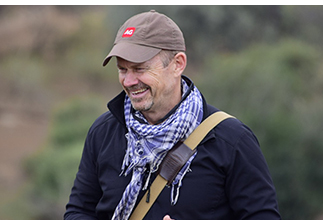
Here is the most important article if you want to understand the complexity of the debates raging about culling elephants. Find the story lower down in this newsletter.
Based on local murmurings, the “cull elephants” pressure is very high from some landowners in the Associated Private Nature Reserves (APNR) that share an unfenced border with the Kruger National Park. I have noticed a growing discontent with elephants that have hammered large trees such as knobthorns and marulas. As an aside, how ironic that those opposed to elephant culling have historically been referred to as “tree huggers”…
These murmurings border on naked disdain for elephants by some wealthy landowners who wield significant influence over management decisions.
Most people argue this debate emotionally, focusing on symptoms rather than causes. For example, many elephants in the APNR no longer roam over large distances because every landowner has installed one or more artificial watering points to attract elephants and other wildlife. In fact, elephants are attracted to the APNR due to its easy access to water. The APNR has become a sink for elephants. Elephants congregating in the APNR is a symptom. The causes include man-made waterholes.
Africa-wide, we know that African elephant densities have crashed during the last 53 years (90% down for forest elephants and 70% for savannah elephants). We also know that increasing numbers of elephants are congregating in certain areas, such as northern Botswana and the APNR, typically due to water and food availability, as well as human pressure elsewhere. “Too many elephants” is a common, and locally accurate, phrase summarising this conundrum.
Now that the man-made waterhole tactic is successful and the APNR serves as a concentration zone for elephants, the plan I am hearing is to, again, cull some of the “offending” elephants on an annual basis. Create a sink for an IUCN-listed endangered species and then shoot them. Think about that as a conservation strategy. Of course, I am oversimplifying this multi-layered situation to ensure we see the wood for the trees, so to speak.
Many APNR landowners generated their wealth elsewhere and view their investment in APNR land as an emotional conservation decision. Their investment is a vital aspect of what is a resounding conservation success story bordering the Kruger National Park. BUT, should scientists and land managers be playing second fiddle to these investors when it comes to important decisions like this? Just asking.
Shoh, this is a complex and emotionally-laden topic. Keep the passion

Simon Espley – CEO, Africa Geographic

Click below to listen to this editorial
From our Editor – Taryn van Jaarsveld
Good news roars from Cameroon: lions in Bouba Ndjida National Park are breeding again. GPS-collar data confirm multiple lionesses with cubs, a promising sign for one of Africa’s most threatened big cat populations. The northern lion subspecies (Panthera leo leo) once roamed vast tracts of Central Africa. But the subspecies now clings to survival with fewer than 1,000 individuals left.
These cubs represent hope. But survival to adulthood is far from guaranteed. Snaring, poaching, and conflict with herders still claim too many young lions as they disperse beyond park borders. Conservationists are now using real-time tracking to anticipate threats, boost patrols, and deepen collaboration with surrounding communities. Bouba Ndjida may be small, but it remains one of Central Africa’s last lion strongholds. Let us hope that these vulnerable populations can fight their way back!
This week, we look at the debate on elephants and trees in the APNR, and explore the incredible safari experiences that the Cape region has to offer.

Did you know? Your African safari choice makes a difference
 We donate a portion of the revenue from every safari sold to carefully selected conservation projects that make a significant difference at ground level. YOUR African safari choice does make a difference – thank you!
Our stories this week
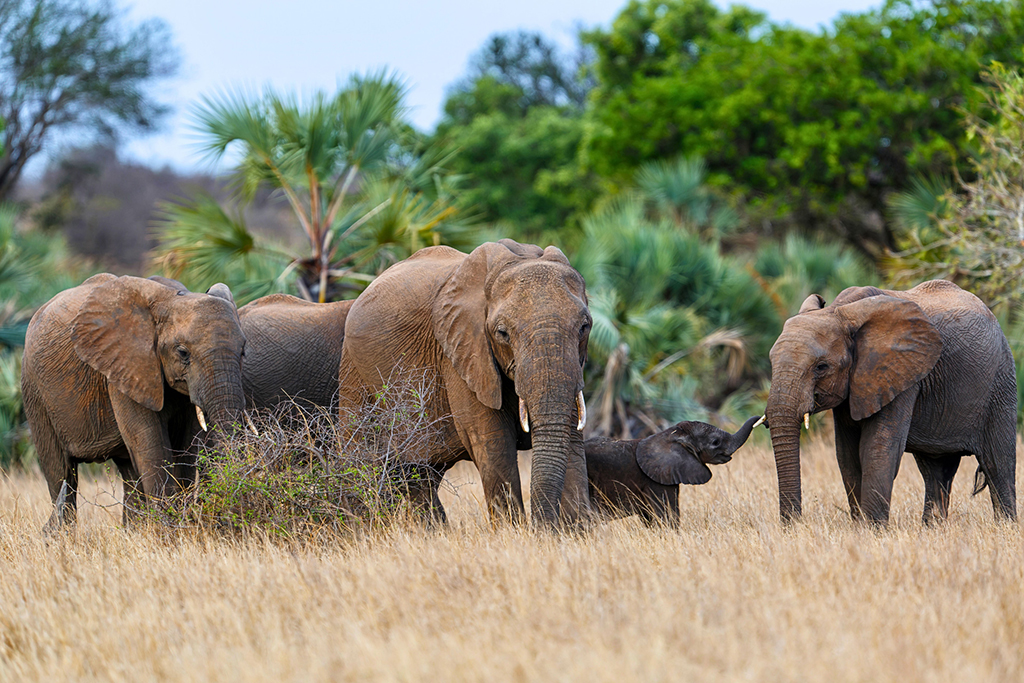
ELEPHANT AND TREES
A new study explores how stakeholder opinions differ on managing elephants, from culling to contraception, in the APNR
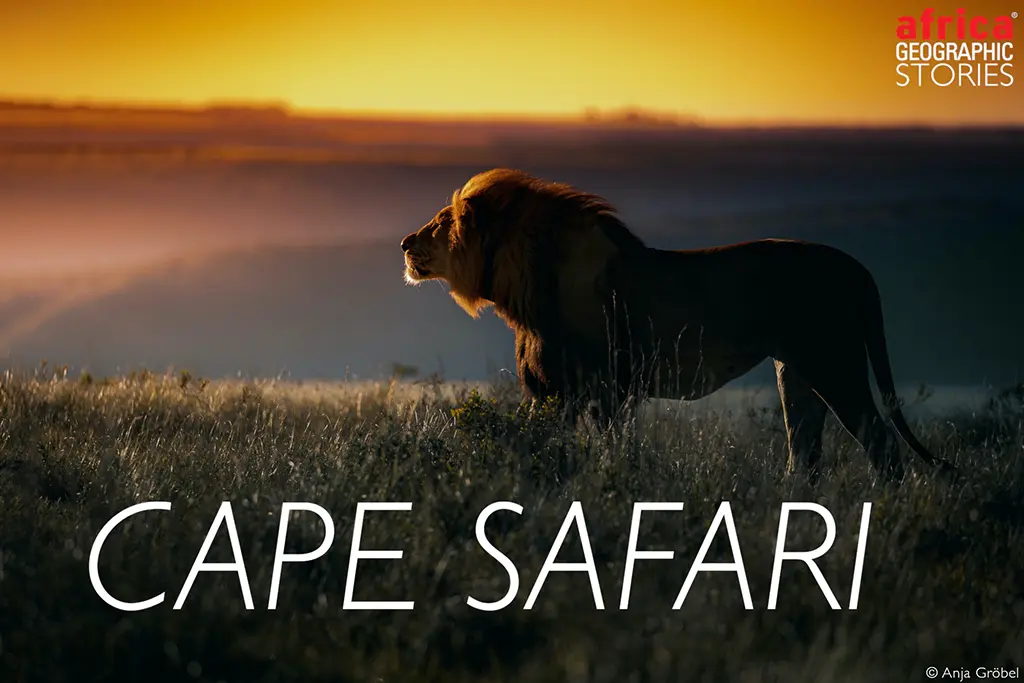
CAPE SAFARI
The Cape safari experience: fascinating wildlife and malaria-free protected spaces close to Cape Town and the Garden Route
Travel Desk – 2 African safari ideas
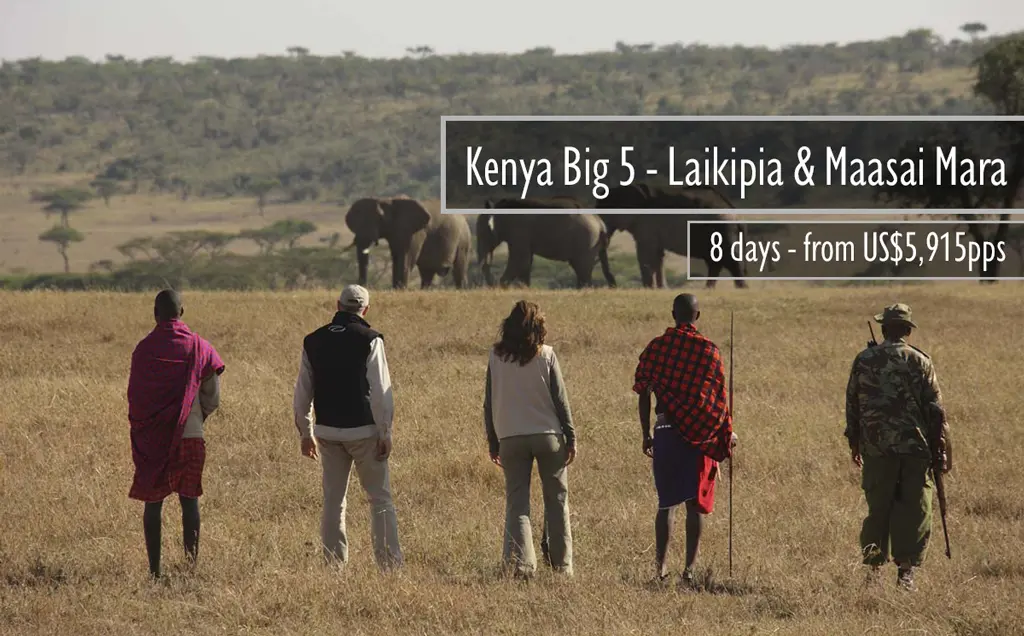
Kenya Big 5 – Laikipia & Maasai Mara – 8 days – from US$5,915pps
Explore Kenya’s wild heart on a safari that spans the iconic Maasai Mara and Laikipia. Encounter the Big Five and the rare Samburu Special Five: think Grevy’s zebra, gerenuk, and even striped hyena. Beyond thrilling game drives, enjoy behind-the-scenes conservation experiences, visit the Mara Elephant Project, meet anti-poaching teams, and connect with local Maasai communities. This is Kenya: wild, diverse, and unforgettable.
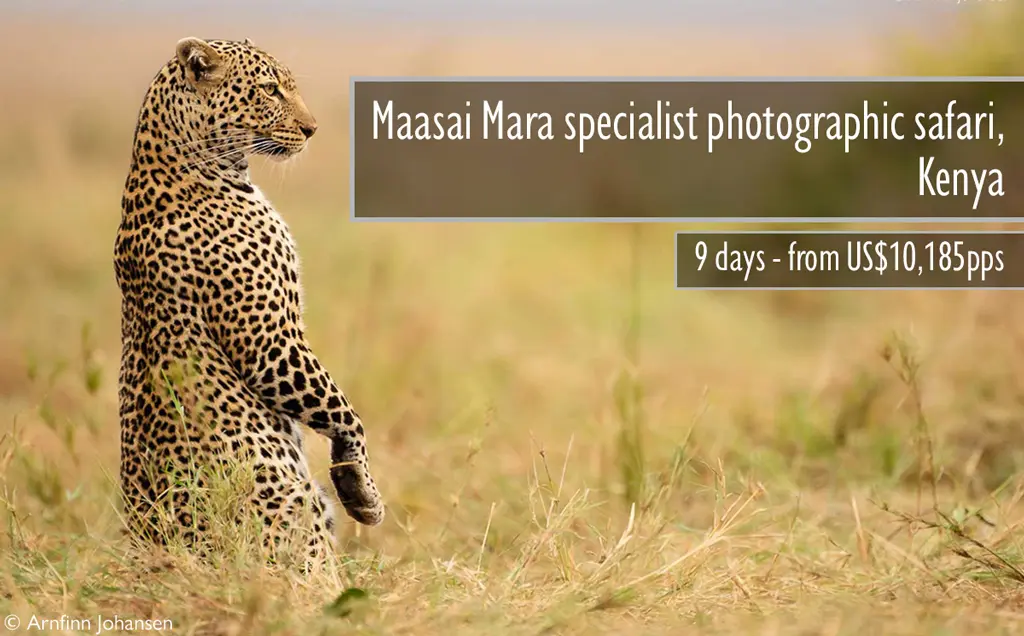
Maasai Mara specialist photographic safari, Kenya – 9 days – from US$10,185pps
Fancy a guided photographic safari in Kenya’s Maasai Mara? Join award-winning photographer Arnfinn Johansen on this exclusive safari for four guests. Highlights include guided game drives with an experienced Maasai guide in a modified photographic vehicle and accommodation at Oltepesi Tented Safari Camp. Departure date: 20-28 November 2026.
Still dreaming of the ultimate African safari escape? Browse our safaris ideas here. Or click here to plan your safari.

Our safari guests say…
AG safari guests, Ashleigh and David from the UK, went on an unforgettable Botswana safari:
“A company that goes above and beyond! Could not recommend Africa Geographic highly enough! Christian was fantastic at helping me find the perfect safari option to match our time and budget. He was incredibly patient and thorough with providing lots of fantastic options.
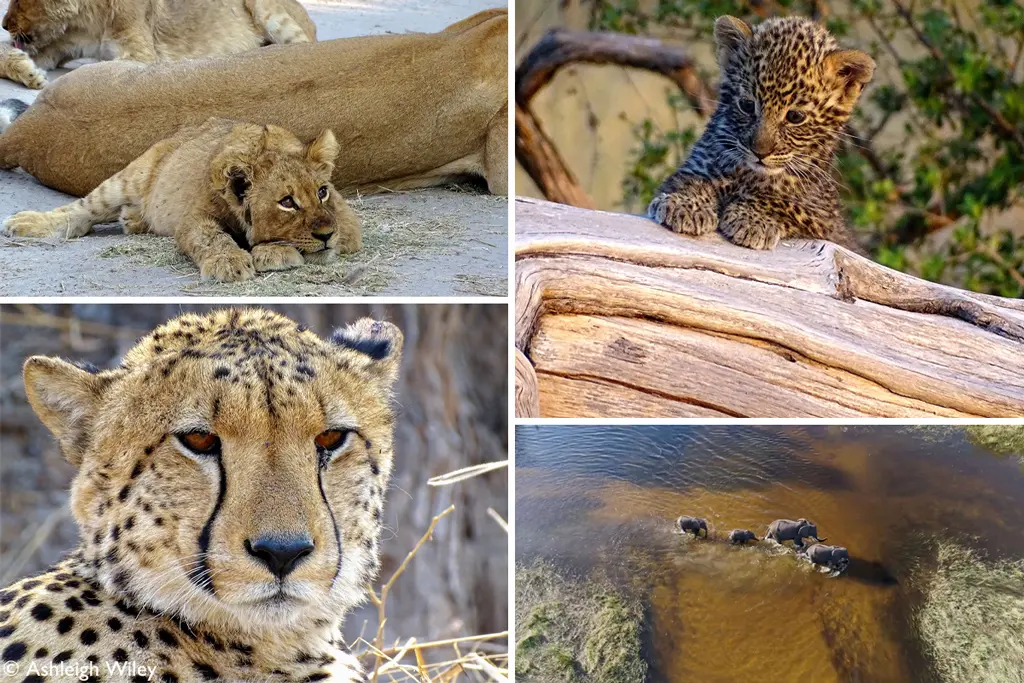
We decided to go for a mobile camping safari in Botswana and, to date, this has got to be one of our best trips! We saw 70 lions, 14 hyenas, 7 African wild dogs, 5 leopards (including a cub!), 2 cheetah and 1 African wild cat – and that’s not even beginning on the numbers of zebra, antelope, elephants, wildebeest and buffalo.
Christian went above and beyond at every stage, even helping us when we had issues with domestic flights in Botswana! Thank you so much for helping us have an unbelievably amazing trip!”
 WATCH – AFRICAN SAFARI INSPIRATION:
Your safari to Majete Wildlife Reserve can help change lives. By staying at African Parks camps, you directly support local communities, creating jobs, improving healthcare and education, and funding vital conservation efforts. Book your Majete safari through Ukuri, where 100% of tourism revenue goes back to conservation and communities. (0:38) Click here to watch
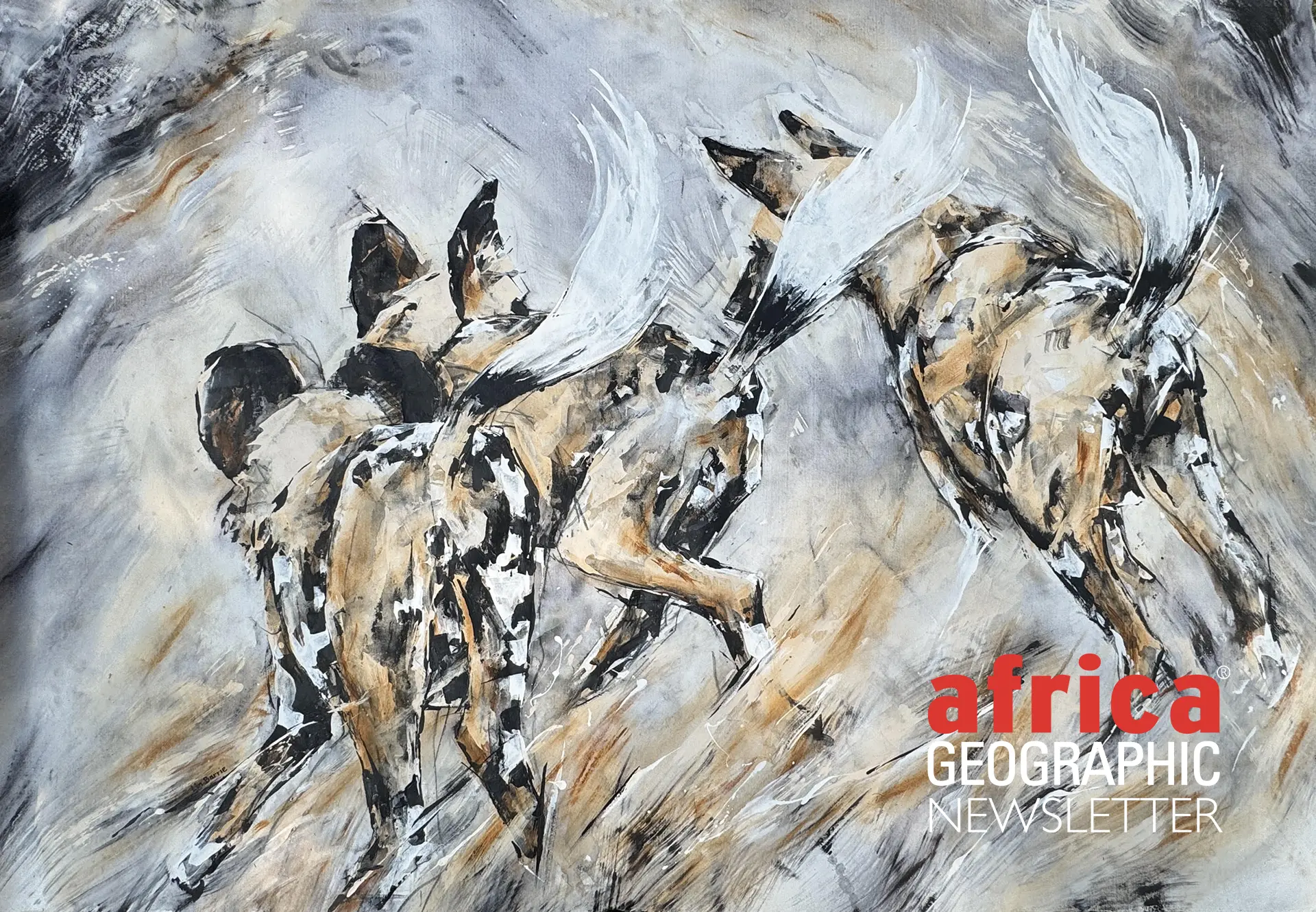
Cover image: Life is for living. “We are seeing wonderful African wild dog sightings along the rivers in Gonarezhou…” A pack of African wild dogs frolics across shades of grey, mirroring their dappled coats in this acrylic-on-canvas portrait. © Lin Barrie
To comment on this story: Login (or sign up) to our app here - it's a troll-free safe place 🙂.